
The question “how much has the stock market dropped?” is one that reverberates with a distinct blend of anxiety and opportunity among investors, economists, and the general public alike. Market downturns, while often painful in the short term, are an inherent and cyclical part of the financial landscape. Understanding the magnitude of a stock market drop requires more than just glancing at a daily percentage change; it demands a deeper dive into historical context, the underlying drivers, its multifaceted impact, and the strategic responses available to those navigating these turbulent waters. From the seasoned institutional investor to the individual managing a retirement fund, comprehending the scope and implications of a market decline is paramount to making informed financial decisions and preserving long-term wealth. This article will dissect the nature of stock market drops, providing a comprehensive analysis of how to measure them, what causes them, and how to effectively respond.
Understanding Market Fluctuations: A Historical Perspective
To truly grasp the significance of any current market drop, it’s essential to frame it within a historical context. Financial markets are dynamic ecosystems, constantly reacting to a myriad of economic, political, and social forces. Volatility is not an anomaly but a characteristic feature, punctuated by periods of both dramatic growth and steep declines.
Defining Market Corrections and Bear Markets
Not all market drops are created equal, and it’s crucial to differentiate between various degrees of decline. A market correction is generally defined as a decline of 10% or more from a recent peak in a major market index, such as the S&P 500. Corrections are relatively common, often occurring annually or biannually, and typically represent a healthy purging of excesses from the market, setting the stage for future growth. They can last anywhere from a few weeks to several months.
A more severe downturn is a bear market, characterized by a sustained decline of 20% or more from a recent peak. Bear markets signal a more fundamental shift in investor sentiment, often reflecting broader economic concerns like recessions, high inflation, or geopolitical instability. These periods can last for many months, sometimes even years, and historically have presented significant challenges for investors, testing their resilience and long-term conviction. Distinguishing between a correction and a bear market is vital for investors to calibrate their expectations and strategies effectively.
Key Historical Market Downturns and Their Magnitude
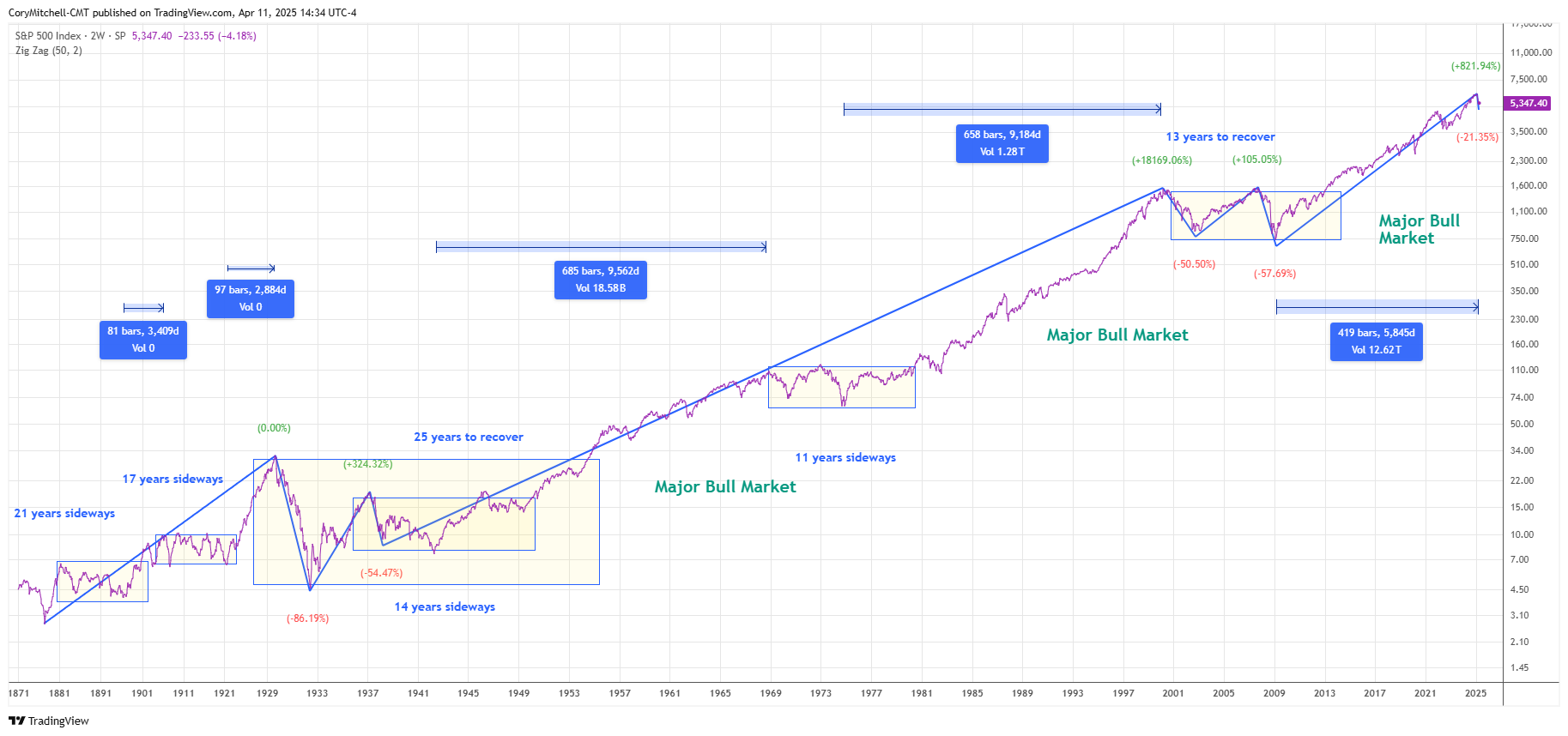
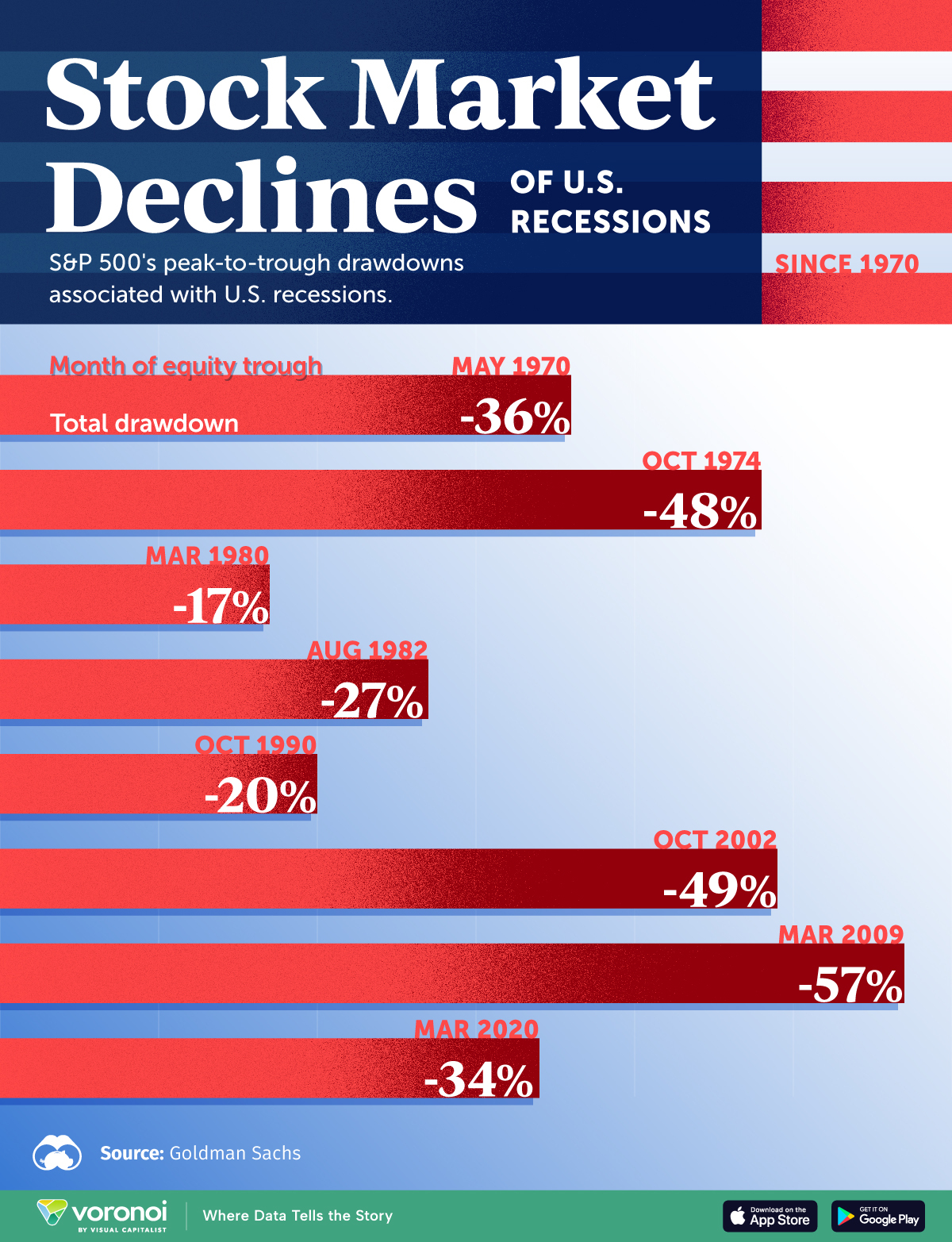
History offers a rich tapestry of market downturns, each with its unique triggers and characteristics, but all serving as reminders of the market’s cyclical nature. The Great Depression of the 1930s saw the Dow Jones Industrial Average plummet by nearly 90% over several years – an unprecedented and catastrophic collapse. More recently, the dot-com bubble burst in the early 2000s led to a 49% decline in the S&P 500 from its peak, largely concentrated in technology stocks. The 2008 Global Financial Crisis, triggered by the subprime mortgage crisis, resulted in the S&P 500 losing approximately 57% of its value.
Even more recent memory includes the rapid but short-lived COVID-19 induced market crash in early 2020, which saw major indices drop by over 30% in just a few weeks before an equally swift recovery. Examining these historical precedents helps contextualize current drops, illustrating that while declines can be sharp and unnerving, markets have consistently recovered and reached new highs over the long run, underscoring the resilience of capitalism and innovation. These patterns provide crucial perspective, helping investors avoid panic selling and focus on their long-term objectives.
Analyzing Recent Market Performance and Current Downturns
When investors ask “how much has the stock market dropped,” they are often seeking an immediate and precise answer concerning the present or very recent past. Analyzing current market performance requires looking at specific metrics and understanding the forces at play.
Gauging the Current Drop: Key Indices and Sectors
To gauge the magnitude of a contemporary stock market drop, attention typically turns to benchmark indices like the S&P 500, the Dow Jones Industrial Average (DJIA), and the NASDAQ Composite. The S&P 500, representing 500 of the largest U.S. companies, is often considered the best proxy for the overall health of the broader U.S. stock market. Its percentage decline from a recent peak provides the most common answer to “how much has the market dropped.” For example, a decline of 15% in the S&P 500 indicates a substantial correction, while a 22% drop signifies a bear market.
Beyond these broad indices, it’s also important to examine specific sectors. Some sectors, such as technology or discretionary consumer goods, might experience sharper declines due to their sensitivity to economic cycles or higher valuations, while defensive sectors like utilities or healthcare might be more resilient. A targeted analysis reveals whether the drop is broad-based or concentrated in particular areas, offering deeper insights into the market’s underlying issues. For instance, a tech-heavy NASDAQ plummeting significantly more than the DJIA might point to a re-evaluation of growth stocks rather than a widespread economic meltdown.
Underlying Factors Driving the Recent Decline
Stock market drops are rarely monocausal; they typically stem from a confluence of factors that erode investor confidence. Recent market declines have been influenced by a complex interplay of global and domestic pressures. One prominent factor has often been inflation, with persistently high consumer prices prompting central banks, like the Federal Reserve, to implement aggressive interest rate hikes. Higher interest rates increase borrowing costs for businesses and consumers, slow economic growth, and make future corporate earnings less valuable in present terms, thus putting downward pressure on stock valuations.
Geopolitical tensions, such as international conflicts or trade disputes, can introduce significant uncertainty, disrupt supply chains, and reduce global economic stability, all of which weigh heavily on market sentiment. Furthermore, concerns about a potential economic recession often precipitate market downturns. Signs of slowing economic activity, declining corporate profits, and rising unemployment can lead investors to pull back from riskier assets. Other contributing factors can include tightening financial conditions, high energy prices, and even specific company or sector-specific headwinds that ripple through the broader market. Understanding these drivers is crucial for interpreting the potential duration and depth of a market decline.
Differentiating Short-Term Volatility from Long-Term Trends
One of the greatest challenges for investors during a market drop is distinguishing between short-term volatility and a fundamental shift in long-term trends. Daily or weekly market swings, even significant ones, are part and parcel of normal market operations. These fluctuations can be driven by news cycles, speculative trading, or even automated algorithms. True long-term trends, however, are dictated by more fundamental economic indicators: corporate earnings growth, technological innovation, demographic shifts, and sustained productivity improvements.
A precipitous drop might simply be a ‘flash crash’ or a short-term correction that quickly reverses, especially if the underlying economic fundamentals remain robust. Conversely, a sustained decline could signal a prolonged bear market if accompanied by deteriorating economic data, structural problems, or a lack of credible policy responses. Investors must resist the urge to react impulsively to every market tremor and instead focus on whether the foundational elements supporting long-term growth have been fundamentally altered. Differentiating transient noise from significant signals is a cornerstone of prudent investing.
The Impact of Market Drops on Investors and the Economy
Market downturns extend far beyond mere numerical changes in portfolio values; they exert profound psychological and economic effects on individuals, businesses, and the broader financial system.
Psychological Impact and Investor Behavior
Perhaps one of the most immediate and pervasive impacts of a market drop is its psychological toll on investors. Seeing hard-earned savings diminish, even if only on paper, can induce significant stress, anxiety, and fear. This emotional response often triggers irrational behavior, particularly panic selling. The fear of further losses can override rational analysis, leading investors to liquidate their holdings at market lows, thereby locking in losses and missing out on subsequent recoveries. This phenomenon, often referred to as “capitulation,” marks the point where many individual investors throw in the towel, despite historical data suggesting that some of the strongest recovery rallies often begin precisely when sentiment is at its bleakest. Moreover, a pervasive sense of gloom can erode confidence, making investors risk-averse even when attractive opportunities arise. Managing these emotional biases is critical for successful long-term investing.
Wealth Effects and Consumer Spending
A substantial drop in the stock market generates a significant “wealth effect.” As individuals perceive their investment portfolios and retirement accounts shrinking, their sense of financial security diminishes. This can lead to a reduction in consumer spending, particularly on discretionary items. When households feel poorer, they tend to save more and spend less, tightening their belts across various categories. Given that consumer spending is a major driver of economic growth in many countries, particularly the U.S., a prolonged decline in the stock market can contribute to an economic slowdown or even tip an economy into recession. Businesses, facing reduced demand, may cut back on investments, hiring, or even resort to layoffs, creating a negative feedback loop that further exacerbates the economic downturn.
Broader Economic Implications of a Declining Market
Beyond individual investors and consumers, a declining stock market has broader systemic implications for the economy. Businesses that rely on equity markets for capital raising may find it more difficult and expensive to secure funding for expansion, innovation, or debt repayment. This can stifle corporate growth and job creation. Banks and financial institutions, which hold significant investments in public markets and often use stock as collateral for loans, may face increased risks. A sharp market decline can impact pension funds, endowments, and other large institutional investors, potentially affecting their ability to meet future obligations. Furthermore, government revenues can be impacted by lower capital gains taxes and reduced economic activity. In essence, a sustained market drop can create ripples throughout the entire economic fabric, affecting everything from employment rates and interest rates to international trade and overall economic stability, demanding careful policy responses from central banks and governments.
Navigating Market Downturns: Strategies for Investors
While market drops can be unsettling, they also present critical junctures for shrewd investors to refine their strategies and position themselves for future growth. Adopting a disciplined and informed approach is key to weathering the storm.
Diversification and Asset Allocation in Volatile Times
One of the most fundamental tenets of sound investing, and particularly crucial during volatile periods, is diversification. Spreading investments across different asset classes—stocks, bonds, real estate, commodities—and within various sectors and geographies can help mitigate risk. When one asset class or sector is declining, others might hold steady or even perform well, cushioning the overall impact on a portfolio. For instance, bonds often perform inversely to stocks during market downturns, providing a valuable ballast.
Asset allocation involves strategically determining the proportion of your portfolio dedicated to each asset class based on your risk tolerance, investment horizon, and financial goals. During market drops, reviewing and potentially rebalancing your asset allocation becomes vital. This might mean selling some assets that have performed well (and are now overweight in your portfolio) and buying assets that have declined (and are now underweight), aligning your portfolio back to its target risk profile and potentially buying low.
The Power of Long-Term Investing and Dollar-Cost Averaging
For most individual investors, especially those saving for retirement or other long-term goals, adopting a long-term investment perspective is paramount. Despite significant drops, historical data consistently shows that equity markets have recovered and achieved new highs over extended periods. Short-term market fluctuations become less relevant when viewed through a multi-decade lens. Panicking and selling during a downturn not only locks in losses but also forfeits the opportunity to participate in the inevitable recovery.
A powerful strategy associated with long-term investing is dollar-cost averaging. This involves investing a fixed amount of money at regular intervals (e.g., monthly) regardless of market conditions. When prices are high, your fixed investment buys fewer shares; when prices are low (during a drop), it buys more shares. Over time, this strategy averages out your purchase price, often resulting in a lower average cost per share than if you tried to time the market. During a market downturn, dollar-cost averaging allows investors to systematically buy into the market at lower prices, which can significantly enhance returns when the market eventually recovers.
Rebalancing Portfolios and Identifying Opportunities
A market drop is not merely a period of losses; it is also a time when investment opportunities can emerge for those with liquidity and conviction. Rebalancing your portfolio is a disciplined practice where you adjust the weights of your assets back to their original targets. If stocks have dropped significantly, they might now constitute a smaller percentage of your portfolio than intended. Rebalancing would involve selling some assets that have held up better (e.g., bonds) and buying more stocks, effectively “buying the dip” in a structured manner.
Furthermore, downturns often reveal undervalued companies or sectors that have been unfairly penalized alongside the broader market. Researching and identifying fundamentally strong companies whose stock prices have been disproportionately affected by market sentiment rather than underlying business issues can lead to significant gains during the recovery. It requires thorough due diligence, a long-term outlook, and the courage to invest when others are fearful. This strategic approach transforms a perceived crisis into a genuine chance for substantial wealth creation.
Looking Ahead: Prospects for Recovery and Future Growth
The apprehension accompanying a market drop is often matched by the anticipation of recovery. While predicting the exact timing of a rebound is impossible, understanding the dynamics of market cycles and potential catalysts for recovery can help investors maintain perspective.
Indicators of a Potential Market Rebound
Several indicators often signal that a market bottom might be near or a recovery is underway. One key factor is a shift in monetary policy, particularly a pause or reversal in interest rate hikes by central banks. When central banks signal an end to tightening cycles, or even begin to cut rates, it generally implies that inflationary pressures are easing and that economic growth is being prioritized, which is a bullish signal for equities.
Improved economic data also plays a crucial role. Positive surprises in employment figures, retail sales, manufacturing output, or declining inflation rates can restore investor confidence. A sustained improvement in corporate earnings reports—showing resilient profits or better-than-expected outlooks—can also act as a powerful catalyst. Furthermore, a decline in market volatility, as measured by indices like the VIX (the “fear gauge”), and a return of investor sentiment towards optimism, often precede or accompany a sustained rally. Observing these indicators can provide clues about the market’s potential trajectory.
The Resilience of Capital Markets
Despite the severity of past crises and the apprehension surrounding current downturns, capital markets have repeatedly demonstrated remarkable resilience. Over the long arc of history, markets have weathered wars, pandemics, recessions, and technological disruptions, consistently recovering and reaching new peaks. This inherent resilience is driven by fundamental economic forces: innovation, human ingenuity, global trade, and the adaptive capacity of businesses. Companies continuously evolve, develop new products, improve efficiency, and find new markets, driving economic growth and, consequently, higher stock valuations over time.
This long-term upward trend is a testament to the power of compounding and the underlying strength of the global economy. While the path may be uneven and marked by volatility, the overall direction of well-managed, diversified capital markets has been upward. Understanding this enduring characteristic is crucial for maintaining a long-term, optimistic perspective, even when facing significant drops. It reinforces the idea that temporary setbacks are part of a larger, positive trend.

Preparing for Future Market Cycles
Smart investors don’t just react to market drops; they prepare for them. Recognizing that market cycles are inevitable—periods of growth followed by corrections or bear markets, and then subsequent recoveries—is foundational to a robust investment strategy. Preparation involves several key elements: maintaining an emergency fund in highly liquid assets to avoid being forced to sell investments during a downturn; regularly reviewing and rebalancing your portfolio to ensure it aligns with your risk tolerance; staying diversified across asset classes and geographies; and continuously educating yourself about market dynamics and economic principles.
Perhaps most importantly, it involves cultivating a disciplined, unemotional approach to investing. Avoiding speculative frenzies during bull markets and resisting panic during bear markets are hallmarks of successful long-term investors. By adhering to a well-thought-out financial plan, understanding the historical context of market fluctuations, and focusing on long-term objectives, investors can transform the often-dreaded “how much has the stock market dropped” question from a source of fear into a strategic opportunity, ultimately building and preserving wealth through all market conditions.
aViewFromTheCave is a participant in the Amazon Services LLC Associates Program, an affiliate advertising program designed to provide a means for sites to earn advertising fees by advertising and linking to Amazon.com. Amazon, the Amazon logo, AmazonSupply, and the AmazonSupply logo are trademarks of Amazon.com, Inc. or its affiliates. As an Amazon Associate we earn affiliate commissions from qualifying purchases.