
The Progressive Era, roughly spanning from the 1890s to the 1920s, represents a pivotal period in American history, not merely for its social and political upheavals but, perhaps most significantly, for its monumental reshaping of the nation’s financial and economic landscape. It was a time when the unfettered capitalism of the Gilded Age gave way to a new paradigm of regulation, accountability, and a recalibrated relationship between government, corporations, and the individual. Understanding “when was the Progressive Era” is therefore paramount to comprehending the foundational elements of our modern financial systems, regulatory frameworks, and the enduring debates surrounding economic equity and corporate power. This era didn’t just witness reform; it forged a new economic identity for the United States, one built on the premise that a stable and fair financial environment required proactive intervention.
The Financial Genesis of an Era: Economic Discontent and the Call for Reform
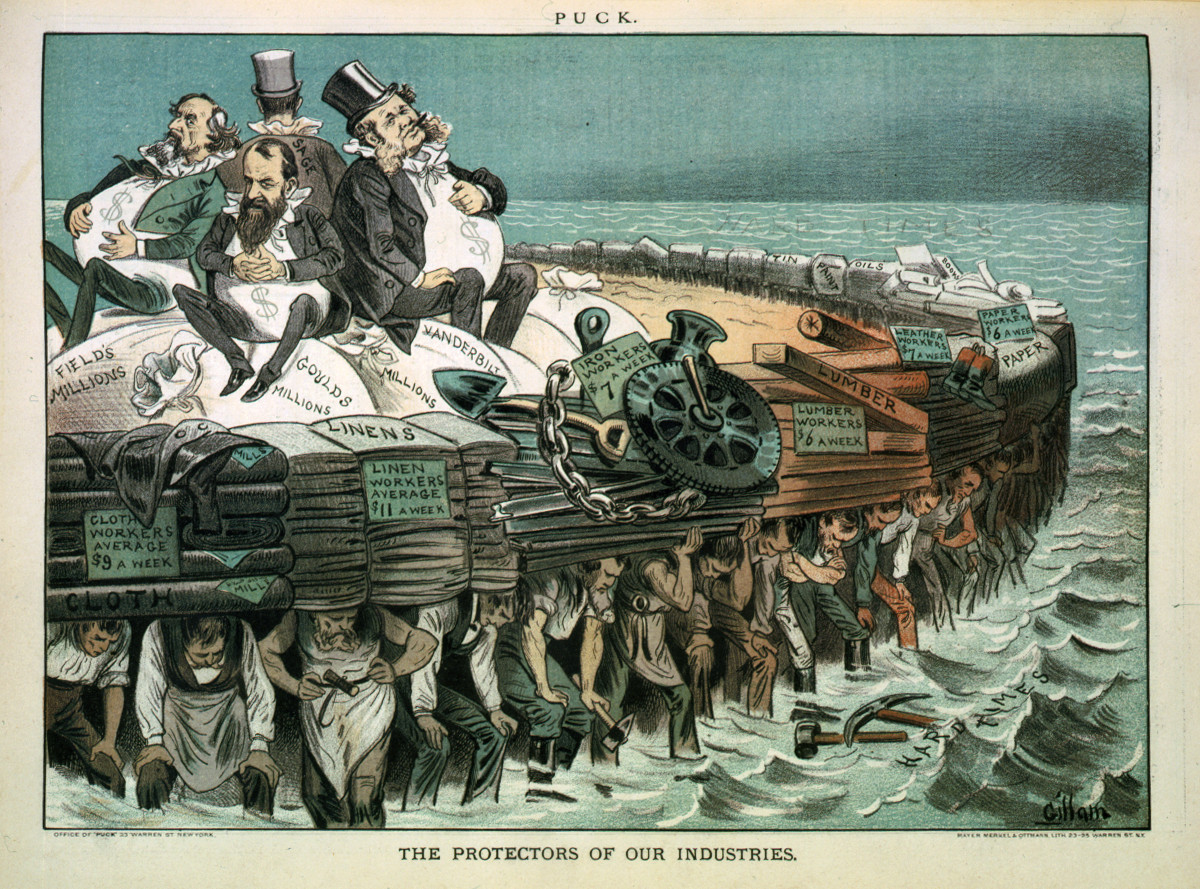
The closing decades of the 19th century and the nascent years of the 20th were marked by unprecedented economic growth fueled by rapid industrialization, technological innovation, and massive immigration. However, this growth came at a significant cost, manifesting in glaring wealth disparities, ruthless corporate practices, and an unstable financial system prone to panics. These economic conditions were the fertile ground from which the Progressive Era sprang, driven by a widespread demand for greater financial equity and market stability.
Chronology and Context of Economic Discontent
The Progressive Era is generally dated from the 1890s, gaining momentum after the economic Panic of 1893, and extending through the end of World War I, fading as the Roaring Twenties ushered in a different set of priorities. This timeframe directly follows the Gilded Age, a period characterized by immense wealth accumulation by a few “captains of industry” or “robber barons,” who often achieved their fortunes through monopolistic practices, exploitation of labor, and financial manipulation. The concentration of economic power in trusts and cartels, such as Standard Oil, U.S. Steel, and J.P. Morgan’s financial empire, left smaller businesses struggling and consumers vulnerable to price gouging and limited choices. Recurring financial panics, often triggered by speculative bubbles and a lack of centralized monetary control, further underscored the fragility of the existing system and the urgent need for structural financial reform. The perception of a rigged economic game, favoring powerful elites at the expense of ordinary citizens, was a core driver of the progressive movement.
Muckrakers and the Exposure of Financial Abuses
A key catalyst for public demand for economic reform was the rise of investigative journalism, dubbed “muckraking” by President Theodore Roosevelt. Journalists like Ida Tarbell, Lincoln Steffens, and Upton Sinclair meticulously exposed the dark underbelly of unchecked capitalism, revealing the financial deceit, corruption, and human cost of monopolistic practices. Tarbell’s “The History of the Standard Oil Company” (1902) systematically laid bare John D. Rockefeller’s predatory business tactics, illustrating how a single entity could dominate an entire industry through financial leverage and ruthless competition. Sinclair’s “The Jungle” (1906), though primarily focusing on labor conditions, also highlighted the unsanitary and financially exploitative practices within the meatpacking industry, leading to significant consumer protection legislation. These journalistic endeavors ignited public outrage and provided irrefutable evidence that economic power, left unchecked, could corrode democratic principles and exploit both consumers and workers for financial gain, thus fueling the push for governmental intervention in economic affairs.
Reshaping the Economic Playing Field: Landmark Financial Legislation
The widespread discontent and the compelling evidence presented by muckrakers spurred significant legislative action. Progressive reformers, from state legislatures to the White House, championed a series of laws designed to curb corporate power, stabilize the monetary system, and establish new revenue streams for the federal government. These reforms fundamentally altered the framework within which American businesses operated and redefined the government’s role in the economy.
Taming Trusts and Monopolies: The Fight for Fair Competition
The Progressive Era is synonymous with “trust-busting,” a concerted effort to dismantle monopolies and promote fair competition. The Sherman Anti-Trust Act of 1890, though predating the era’s peak, was sparingly used until President Theodore Roosevelt vigorously applied it against powerful trusts, earning him the moniker “trust-buster.” This act aimed to prohibit agreements that restrained trade and to outlaw monopolization. However, its language was vague, leading to challenges. The Clayton Anti-Trust Act of 1914, passed under President Woodrow Wilson, strengthened its predecessor by explicitly outlawing specific business practices deemed anticompetitive. These included price discrimination, tying agreements, and interlocking directorates (where the same individuals served on the boards of competing companies), all of which were designed to restrict competition and consolidate financial power. The financial rationale behind these acts was clear: preventing monopolistic control would foster a more competitive market, benefit consumers through lower prices and more choices, and create a fairer playing field for smaller businesses, thus ensuring a more dynamic and equitable economy.
Stabilizing the Monetary System: Creation of the Federal Reserve
One of the most profound financial reforms of the Progressive Era was the creation of the Federal Reserve System in 1913. Prior to this, the United States had a decentralized banking system plagued by recurring financial panics, credit crises, and a lack of currency elasticity. Individual banks often failed during economic downturns, triggering a ripple effect across the economy. The Panic of 1907, a severe financial crisis, starkly illustrated the urgent need for a central authority to manage the nation’s money supply and provide stability. The Federal Reserve Act established a system of twelve regional Federal Reserve Banks overseen by a Board of Governors in Washington D.C. Its primary goals were to provide the nation with a safer, more flexible, and more stable monetary and financial system. This included acting as a lender of last resort to commercial banks, regulating member banks, and controlling the money supply to prevent inflation and deflation. The “Fed” fundamentally transformed American finance, providing a crucial mechanism for managing credit, ensuring banking solvency, and mitigating the severity of future economic downturns, thereby laying the groundwork for modern macroeconomic management.
Redistributing Wealth and Funding Government: The Income Tax
Another revolutionary financial reform was the implementation of the federal income tax. For much of American history, the federal government relied primarily on tariffs and excise taxes for revenue, which disproportionately affected poorer citizens. The idea of a progressive income tax, where higher earners pay a larger percentage of their income in taxes, gained traction as a means to address growing wealth inequality and fund expanding government services. The Supreme Court had declared an earlier income tax unconstitutional in 1895. However, progressive reformers successfully pushed for the 16th Amendment to the Constitution, ratified in 1913, which explicitly granted Congress the power “to lay and collect taxes on incomes, from whatever source derived, without apportionment among the several States, and without regard to any census or enumeration.” This amendment marked a seismic shift in federal finance, providing a stable and scalable revenue source that could fund government programs, redistribute wealth to some extent, and contribute to the idea of a fairer economic system. It remains a cornerstone of U.S. fiscal policy today, fundamentally altering how the government funds its operations and interacts with the economy.
Broader Economic and Business Repercussions
Beyond explicit financial legislation, the Progressive Era’s reforms had wide-ranging repercussions on various sectors of the economy, fostering greater market integrity, consumer confidence, and a more regulated business environment. These changes, while not always directly financial in their immediate objective, invariably impacted the financial health and operational paradigms of businesses and consumers alike.
Consumer Protection and Market Integrity
The era witnessed significant strides in consumer protection, driven by public outrage over unsafe products and deceptive business practices. The Pure Food and Drug Act and the Meat Inspection Act, both passed in 1906, were direct responses to exposés of unsanitary conditions and fraudulent labeling in industries critical to public health. These laws mandated federal inspection of meat products and prohibited the sale of adulterated or misbranded food and drugs, establishing the Food and Drug Administration (FDA). From a financial perspective, these acts instilled greater consumer confidence, which is vital for a healthy market. When consumers trust the quality and safety of products, they are more likely to spend, fueling economic activity. For businesses, compliance meant additional costs but also the benefit of a more stable and trustworthy market environment, reducing risks associated with product liability and reputational damage. These reforms underscored the principle that market integrity was a shared responsibility, with government playing a crucial role in safeguarding public and financial interests.
Labor and Workplace Finance
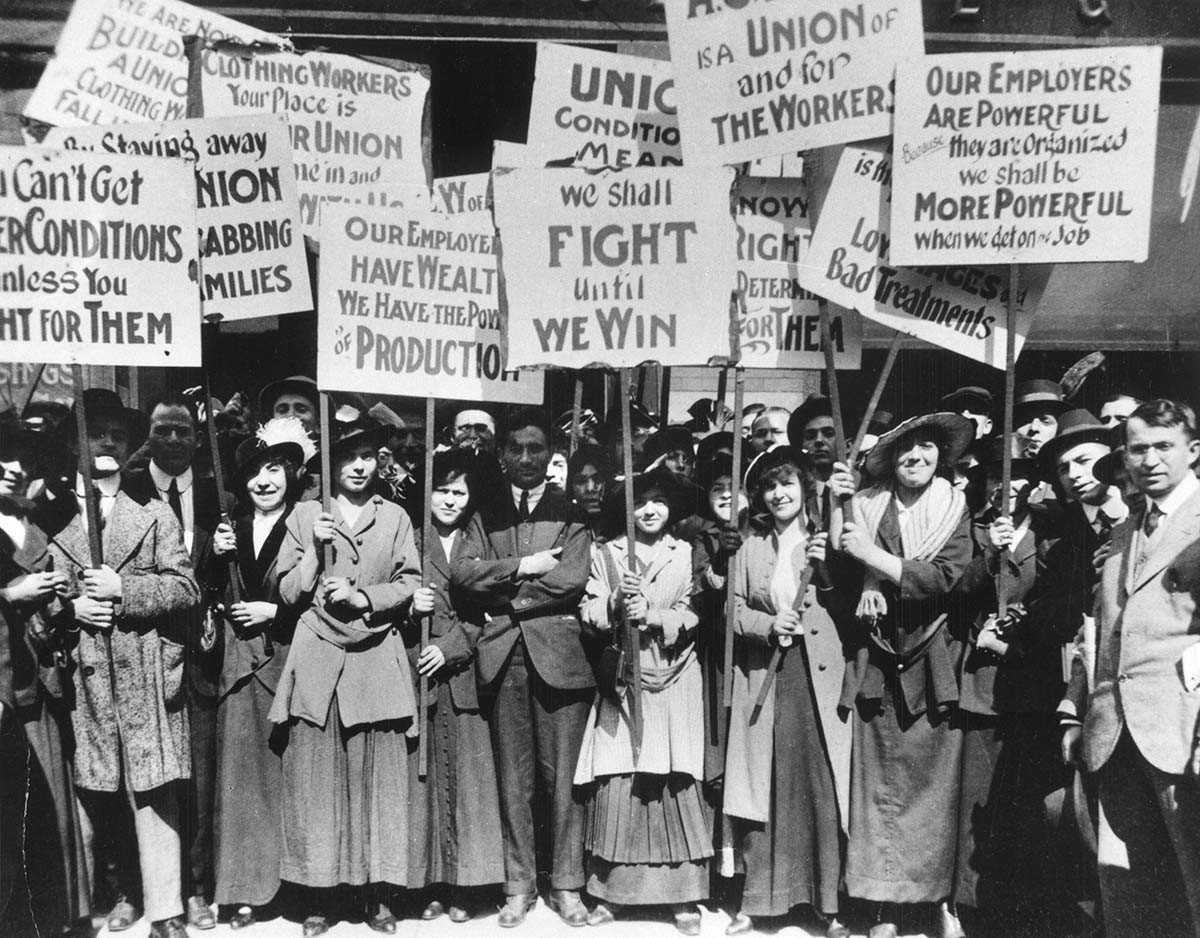
While labor reforms might seem primarily social, their economic and financial implications were substantial. Progressive efforts led to the establishment of minimum wage laws in some states, restrictions on child labor, and limitations on working hours, particularly for women. The creation of the Department of Labor in 1913 further institutionalized the federal government’s role in advocating for workers’ rights. From a business finance perspective, these reforms increased operational costs for employers. However, they also aimed to improve worker productivity, reduce labor unrest, and create a more stable, financially secure working class. A workforce with better wages and safer conditions constituted a stronger consumer base, contributing to overall economic demand. The financial well-being of the working class became increasingly recognized as integral to the nation’s broader economic stability, marking a departure from purely laissez-faire approaches to labor markets.
The Enduring Legacy on Modern Finance and Business
The Progressive Era was not merely a fleeting moment of reform; it established precedents and frameworks that continue to shape modern finance and business. Its influence is detectable in almost every aspect of today’s economic regulatory environment and corporate governance.
Foundation of Regulatory Frameworks
The antitrust laws, the Federal Reserve System, and the income tax introduced during the Progressive Era laid the essential groundwork for the extensive regulatory apparatus that governs contemporary finance and business. The principle that government has a legitimate and necessary role in regulating markets to ensure fairness, stability, and prevent abuses became deeply ingrained. The era’s reforms directly informed later legislative efforts, such as the New Deal’s expansion of financial regulation during the Great Depression, the establishment of the Securities and Exchange Commission (SEC), and subsequent consumer protection laws. The ongoing debate about the appropriate balance between market freedom and government oversight directly traces its lineage back to the fundamental questions posed and partially answered by progressive reformers.
Ethical Capitalism and Corporate Accountability
The muckraking tradition and the legislative responses it inspired fostered a nascent but growing expectation of corporate accountability and ethical business practices. The exposure of financial malfeasance and exploitation led to a public demand for greater transparency and responsibility from corporations. While challenges persist, the Progressive Era initiated a shift towards a more “ethical capitalism,” where companies are expected to consider not only shareholder profit but also their broader impact on society, consumers, and employees. This legacy influences modern corporate social responsibility initiatives, governance structures, and the legal framework for investor protection and ethical conduct in business.

The Evolving Role of Government in the Economy
Perhaps the most significant and lasting financial legacy of the Progressive Era is its redefinition of the government’s role in the economy. It permanently shifted the United States away from a purely laissez-faire economic model, establishing the government as a crucial arbiter and regulator in economic affairs. This interventionist philosophy, born out of the need to address market failures and social inequities, set precedents for governmental action during economic crises, periods of instability, and in ensuring basic standards of living and fairness. From managing inflation and unemployment to protecting consumers and ensuring competitive markets, the active hand of government in the economy—a concept normalized by the Progressive Era—remains a defining feature of the American financial system.
In conclusion, “when was the Progressive Era” is more than a historical date range; it signifies a transformative period that fundamentally re-engineered the financial and economic architecture of the United States. Its profound and lasting impact on antitrust law, central banking, taxation, and the very philosophy of government intervention in the economy continues to resonate, shaping the opportunities, challenges, and regulatory landscape of modern finance and business.
aViewFromTheCave is a participant in the Amazon Services LLC Associates Program, an affiliate advertising program designed to provide a means for sites to earn advertising fees by advertising and linking to Amazon.com. Amazon, the Amazon logo, AmazonSupply, and the AmazonSupply logo are trademarks of Amazon.com, Inc. or its affiliates. As an Amazon Associate we earn affiliate commissions from qualifying purchases.