
In an economic landscape where every penny counts, finding a bank that offers the most competitive interest rates can significantly impact your financial growth. For both seasoned investors and those just beginning their savings journey, understanding where to stash your cash for optimal returns is a fundamental pillar of sound personal finance. This comprehensive guide delves into the intricate world of banking interest rates, helping you identify institutions that prioritize your savings and offer robust growth opportunities. We’ll explore the nuances of different account types, the factors that drive interest rates, and practical strategies to ensure your money works as hard as you do.
Understanding Interest Rates and Why They Matter
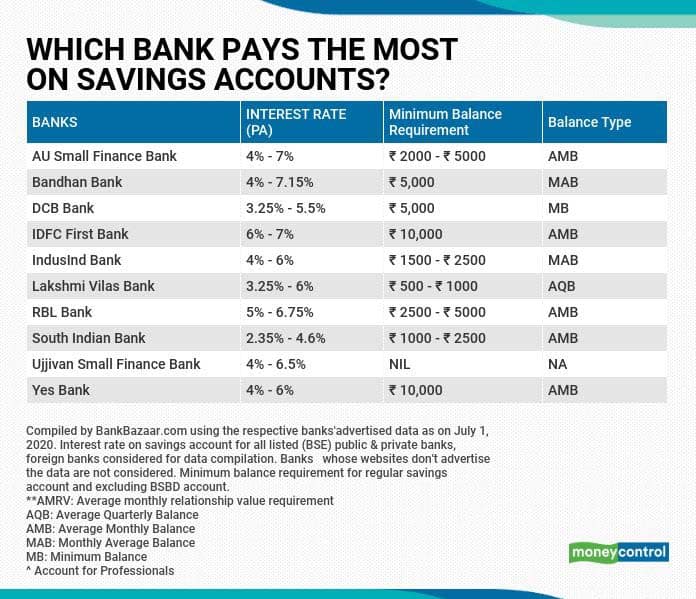
At its core, an interest rate is the percentage charged by a lender to a borrower for the use of assets, or in the context of your savings, the percentage paid by a bank for the use of your deposited funds. For savers, a higher interest rate translates directly into more money earned over time, illustrating why this metric is paramount in your banking decisions.
The Basics: APY vs. Stated Interest Rate
When comparing bank accounts, you’ll frequently encounter two terms: “interest rate” and “Annual Percentage Yield” (APY). While often used interchangeably, there’s a crucial difference. The stated interest rate is the simple percentage gain on your principal over a year, without factoring in compounding. APY, on the other hand, provides a more accurate representation of your actual earnings because it includes the effect of compounding interest—interest earned on both your initial deposit and the accumulated interest from previous periods. Always prioritize comparing APY when evaluating savings accounts, as it reflects the true earning potential of your money. A small difference in APY can lead to substantial gains over several years, especially with larger principal amounts.
Types of Accounts That Earn Interest
Not all bank accounts are created equal when it comes to earning interest. Understanding the primary types can help you align your savings goals with the right financial product:
- Savings Accounts: These are fundamental deposit accounts designed for storing money and earning a modest return. They typically offer liquidity, allowing easy access to funds, though some may limit monthly withdrawals. Interest rates for traditional savings accounts can vary widely, but competitive ones often come from online-only banks.
- Money Market Accounts (MMAs): Hybrid accounts that blend features of savings and checking accounts. MMAs generally offer higher interest rates than standard savings accounts and often come with check-writing privileges or debit cards. They may require a higher minimum balance to open or maintain, and withdrawal limits can apply.
- Certificates of Deposit (CDs): CDs are time-deposit accounts where you agree to leave your money locked up for a specific period (e.g., 3 months, 1 year, 5 years) in exchange for a fixed, often higher, interest rate. The longer the term, generally the higher the interest rate. Withdrawing funds before maturity usually incurs a penalty, making them suitable for money you won’t need immediate access to.
- High-Yield Checking Accounts: While less common, some banks offer checking accounts that pay a higher interest rate than typical checking or even some savings accounts, usually contingent on meeting specific requirements like a minimum number of debit card transactions or direct deposits.
Factors Influencing Interest Rate Movements
Interest rates are not static; they fluctuate based on a multitude of economic and financial factors. Understanding these drivers can help you anticipate changes and make timely decisions:
- Federal Reserve Policy: The U.S. central bank’s actions, particularly adjustments to the federal funds rate, have a profound impact on interest rates across the economy. When the Fed raises rates, banks typically follow suit, offering higher rates on savings products and charging more for loans.
- Inflation: High inflation erodes the purchasing power of money. To combat this and encourage saving, banks may offer higher interest rates to ensure real returns remain positive for depositors.
- Economic Growth: A strong economy often leads to higher demand for loans, prompting banks to raise deposit rates to attract more funds to lend out. Conversely, during economic downturns, rates may fall as loan demand weakens.
- Bank Competition: The competitive landscape among financial institutions also plays a role. Banks vying for market share may offer more attractive rates to draw in new customers, particularly in the online banking sector.
- Bank’s Funding Needs: A bank’s own funding structure and liquidity needs can influence the rates it offers. Banks that need to attract more deposits to fund their lending activities might offer higher rates.
Navigating the Landscape: Who Offers Top Rates?
The quest for the best interest rates often leads consumers beyond the traditional brick-and-mortar institutions they’ve grown up with. The banking sector has diversified significantly, presenting a range of options each with its own advantages.
The Rise of Online Banks and Neo-banks
In recent years, online-only banks and emerging neo-banks have consistently outpaced traditional banks in offering superior interest rates on savings and money market accounts. With lower overhead costs (no physical branches, fewer staff), these digital-first institutions can pass on those savings to their customers in the form of higher APYs. They often excel in user experience, offering intuitive mobile apps, robust online platforms, and 24/7 digital customer support. While they might lack the personal touch of a local branch, their financial benefits for savers are often undeniable. Examples of institutions frequently cited for competitive rates include Ally Bank, Discover Bank, Marcus by Goldman Sachs, and Capital One 360.
Credit Unions: A Member-Centric Approach
Credit unions are non-profit financial cooperatives owned by their members. This member-first philosophy often translates into more favorable rates on both loans and savings products, as well as lower fees, compared to for-profit banks. While their branch networks might be less extensive than large national banks, many credit unions participate in shared branching networks, providing wider access. To join a credit union, you typically need to meet specific eligibility criteria, such as living in a particular geographic area, working for a certain employer, or being part of an affiliated group. Despite these requirements, the potential for higher interest rates and a more personalized service experience makes them a compelling option for many.
Traditional Banks: Convenience vs. Yield
Large, national banks (e.g., Chase, Bank of America, Wells Fargo) are renowned for their extensive branch networks, a wide array of financial products, and established brand recognition. They offer unparalleled convenience for in-person transactions and often have sophisticated digital platforms. However, this convenience often comes at a cost in the form of lower interest rates on savings products. Their operating models, with significant infrastructure and personnel expenses, mean they typically cannot offer the same high APYs as their online counterparts. While their checking accounts and lending products can be competitive, savers primarily focused on maximizing interest earnings might find better options elsewhere for their long-term savings.
Key Considerations When Comparing Banks
Choosing the “best” bank isn’t solely about the highest APY. A holistic approach considers various factors that contribute to your overall banking experience and financial well-being.

Account Minimums and Fees
A high interest rate can be negated by excessive fees or prohibitive minimum balance requirements. Some banks offer attractive rates but demand a substantial opening deposit or impose monthly service fees if your balance dips below a certain threshold. Always scrutinize fee schedules for maintenance fees, ATM fees (especially out-of-network), overdraft fees, and transaction limits. Ensure that the potential interest earnings genuinely outweigh any associated costs. Many online banks pride themselves on offering fee-free accounts with low or no minimum balance requirements, making them accessible to a broader range of savers.
Accessibility and Customer Service
Consider how you prefer to manage your money. If you value in-person interactions, a traditional bank or a credit union with local branches might be more suitable. If you’re comfortable with digital tools, an online bank with a robust mobile app and responsive online chat support could be ideal. Evaluate customer service ratings and accessibility options (phone, email, chat, branch access) to ensure you can easily get assistance when needed. Good customer service can save you significant time and frustration, even if it doesn’t directly impact your interest earnings.
Beyond Interest: Additional Account Features
While interest rates are the focus, other features can enhance the value of a banking relationship. Look for:
- FDIC Insurance: Ensure your deposits are protected by the Federal Deposit Insurance Corporation (FDIC) for banks, or NCUA insurance for credit unions, up to $250,000 per depositor, per institution, per ownership category. This is non-negotiable for safety.
- Mobile Banking Capabilities: A user-friendly mobile app with features like mobile check deposit, bill pay, budgeting tools, and easy transfers can greatly simplify financial management.
- Integration with Other Services: If you plan to use the same institution for checking, loans, investments, or credit cards, consider the benefits of consolidating your finances with one provider for streamlined management and potential relationship perks.
- Account Linking and Transfers: Evaluate the ease with which you can link external accounts for transfers, set up automatic savings plans, and manage different accounts within the same banking ecosystem.
Strategies for Maximizing Your Interest Earnings
Beyond simply picking a bank, proactive strategies can significantly amplify the interest you earn on your savings.
Laddering Certificates of Deposit (CDs)
CD laddering is a popular strategy to combine the benefits of higher CD rates with liquidity. Instead of putting all your money into one long-term CD, you divide it and invest in multiple CDs with staggered maturity dates (e.g., a 1-year CD, a 2-year CD, a 3-year CD, etc.). As each CD matures, you can reinvest the funds into a new, longer-term CD (e.g., a new 3-year CD when your original 1-year CD matures). This strategy allows you to consistently capture higher rates while also having a portion of your funds become available periodically, giving you access to cash or the flexibility to reinvest at potentially higher rates.
Automating Savings Transfers
One of the simplest yet most effective ways to boost your savings is to automate your contributions. Set up recurring transfers from your checking account to your high-yield savings account immediately after you get paid. This “pay yourself first” approach ensures a consistent flow of funds into your interest-earning accounts, taking advantage of compounding over time without requiring constant manual effort. Even small, regular contributions can accumulate significantly, especially when earning a competitive APY.
Regular Rate Shopping and Re-evaluation
The banking landscape is dynamic. Interest rates offered by various institutions can change, and new competitors may emerge with even better deals. It’s wise to make a habit of reviewing your savings accounts and comparing rates periodically, perhaps once a year. If your current bank’s rates have fallen significantly below the market average, don’t hesitate to switch to an institution offering a more competitive APY. Transferring funds between banks is often straightforward and can yield hundreds or even thousands of dollars in additional interest over the long term. This vigilance ensures your money is always working as hard as possible for you.
The Future of Interest Rates and Your Savings
The journey of maximizing your interest earnings is an ongoing one, influenced by broader economic forces and technological advancements. Staying informed about these trends can help you make forward-looking financial decisions.
Economic Outlook and Central Bank Policy
Keep an eye on announcements from the Federal Reserve and other central banks. Their monetary policy decisions, particularly changes to benchmark interest rates, are strong indicators of where consumer interest rates are headed. In an environment of rising rates, it might be beneficial to opt for shorter-term CDs or variable-rate savings accounts to quickly take advantage of new, higher rates. Conversely, when rates are expected to fall, locking in a higher rate with a longer-term CD could be a smart move. Understanding the economic cycle and its potential impact on interest rates empowers you to make strategic adjustments to your savings portfolio.
Leveraging Technology for Better Rates
The digital revolution continues to transform banking. Beyond online banks, new financial technology (fintech) tools and platforms are emerging that can help you find and manage high-yield accounts more efficiently. Robo-advisors sometimes offer integrated cash management solutions with competitive rates, and financial aggregators can compare rates across hundreds of institutions in real-time. Embracing these technological advancements can automate the process of finding the best rates, managing your savings, and ensuring you’re always positioned to benefit from the most favorable market conditions.
Ultimately, identifying which banks have the best interest rates is an exercise in diligence, understanding, and strategic planning. By prioritizing APY, considering the nuances of different banking models, scrutinizing fees, and employing smart savings strategies, you can ensure your hard-earned money generates the maximum possible returns, laying a stronger foundation for your financial future.
aViewFromTheCave is a participant in the Amazon Services LLC Associates Program, an affiliate advertising program designed to provide a means for sites to earn advertising fees by advertising and linking to Amazon.com. Amazon, the Amazon logo, AmazonSupply, and the AmazonSupply logo are trademarks of Amazon.com, Inc. or its affiliates. As an Amazon Associate we earn affiliate commissions from qualifying purchases.