
AliExpress, the global e-commerce giant, doesn’t rely on a single shipping carrier but rather orchestrates a complex ballet of logistics involving a vast network of international and domestic partners. For buyers and sellers alike, understanding this intricate system is paramount, as carrier choice has profound financial implications, influencing everything from product cost and delivery speed to potential customs duties and overall profitability for online income ventures.
The Dynamic Landscape of AliExpress Shipping and Its Financial Implications
At its core, AliExpress acts as a marketplace connecting consumers and small businesses worldwide with manufacturers and sellers primarily based in China. This global reach necessitates a flexible and diverse shipping strategy. Consequently, when you make a purchase or plan to source products, you’ll encounter an array of shipping options, each with distinct cost structures, delivery timelines, and reliability levels that directly impact your wallet or business bottom line.
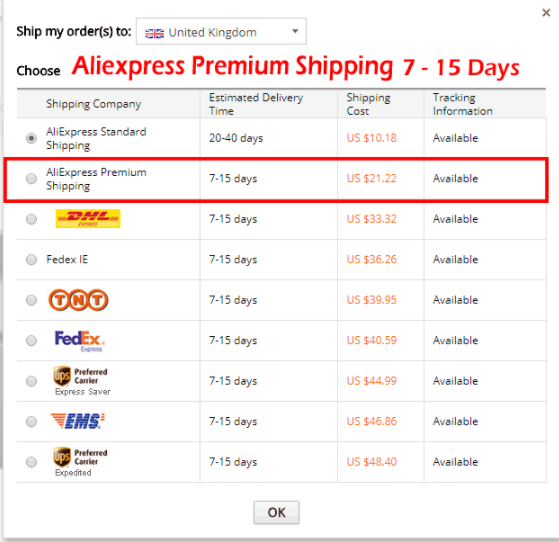
An Ecosystem of Global Logistics Partners
AliExpress leverages a multi-tiered system of carriers. This includes:
- National Postal Services: These are often the backbone for economical international shipping. Key players include China Post (with services like China Post Registered Air Mail, China Post Ordinary Small Packet Plus), USPS (United States Postal Service), Royal Mail (UK), Canada Post, Australia Post, and many others. They typically handle the final leg of delivery in the destination country.
- International Express Couriers: For faster, more reliable, and often higher-value shipments, global giants like DHL, FedEx, UPS, and EMS (Express Mail Service) are utilized. These services offer end-to-end tracking and expedited delivery but come at a significantly higher cost.
- Specialized Logistics Providers: Companies like Cainiao (AliExpress’s own logistics arm), YunExpress, 4PX, Yanwen Logistics, and SF Express specialize in cross-border e-commerce. They often aggregate parcels, manage international customs clearance, and then hand off shipments to local postal services or last-mile carriers in the destination country. They are crucial for options like “AliExpress Standard Shipping” and “ePacket.”
Understanding the Cost Spectrum
The financial implications of this diverse carrier network are immediate. The choice of carrier directly correlates with the shipping cost displayed at checkout or factored into a dropshipper’s product pricing. Free or low-cost options typically rely on slower postal services, offering a trade-off between savings and speed. Conversely, premium express services guarantee speed and enhanced tracking but demand a significant financial outlay. This cost spectrum is a critical consideration for both personal budgeting and business financial planning.
Speed vs. Cost: The Buyer’s Financial Dilemma
For individual consumers, the core financial dilemma on AliExpress often boils down to balancing desired delivery speed against the shipping cost. An item needed quickly for a gift or an urgent project will warrant the higher expense of an express carrier, directly impacting personal finance. Conversely, non-urgent purchases allow for the selection of cheaper, slower options, thereby maximizing savings. Furthermore, buyers must also factor in potential customs duties and taxes, which can vary significantly depending on the carrier chosen, the item’s value, and the destination country’s import regulations. Express couriers, in particular, often handle customs declarations more rigorously, sometimes leading to higher import fees.
Navigating Shipping Choices for Personal Finance Optimization
For the savvy shopper, understanding the nuances of AliExpress’s shipping options is key to optimizing personal finance. Each choice presents a different value proposition regarding cost, speed, and reliability.
Free Shipping: The Double-Edged Sword
“Free shipping” is a common offering on AliExpress, and while appealing, it’s rarely truly free. The cost is often subtly incorporated into the product’s price, or sellers absorb it as a marketing strategy. Financially, this means a buyer saves on an upfront shipping fee but might face longer delivery times (sometimes 30-60 days or more) and less detailed tracking. The trade-off is clear: significant cost savings versus extended wait times and potentially reduced visibility on the parcel’s journey. For budget-conscious shoppers who aren’t time-sensitive, this can be an excellent financial decision, provided they manage expectations regarding delivery speed.
Paid Standard Shipping: Balancing Cost and Reliability
Options like “AliExpress Standard Shipping,” “ePacket,” or various forms of registered airmail represent a middle ground. These services typically cost a few dollars but offer a substantial upgrade in terms of tracking and often quicker delivery than free alternatives (usually 15-30 days). “AliExpress Standard Shipping,” for instance, leverages Cainiao’s network to choose the most efficient route and carrier for a given destination. For buyers, these services strike a favorable balance between cost-effectiveness and improved reliability, making them a popular choice for purchases where a reasonable delivery time is desired without breaking the bank. The incremental cost is often justified by the enhanced peace of mind and tracking capabilities.
Express Shipping: When Time is Money
When urgency is paramount, express carriers like DHL, FedEx, UPS, and EMS become the go-to choice. While their costs can be significantly higher, often exceeding the product’s value for smaller items, they guarantee much faster delivery (typically 3-10 days) and robust tracking. Financially, this choice is justified when time genuinely translates to money – for example, acquiring business-critical components, last-minute gifts, or items for a time-sensitive project. Buyers must, however, be acutely aware that express shipping often makes parcels more susceptible to customs duties and brokerage fees upon arrival, adding to the total financial outlay. These additional charges are a critical aspect of assessing the true cost of expedited delivery.
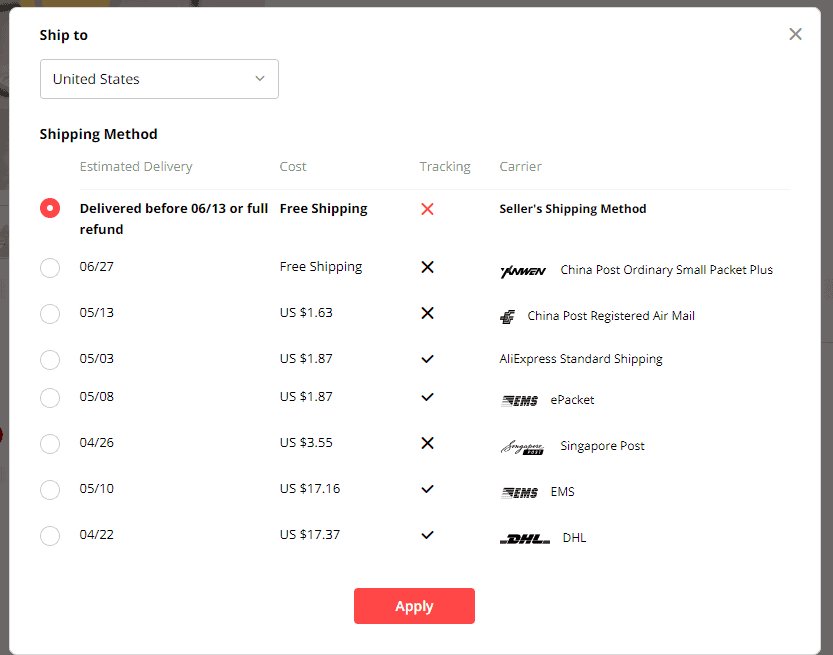
Impact on Online Income: Dropshipping, Reselling, and Business Finance
For entrepreneurs engaged in dropshipping, reselling, or operating small online businesses sourcing products from AliExpress, carrier selection transcends personal convenience; it’s a critical lever for profitability and sustainable growth, directly impacting their online income and overall business finance.
Carrier Selection as a Profitability Lever
For businesses, the cost of shipping directly affects the Cost of Goods Sold (COGS). Choosing the right carrier can mean the difference between a healthy profit margin and a loss. Cheaper, yet reliable, shipping options such as ePacket or specialized direct lines (like YunExpress for specific regions) are invaluable. They allow businesses to offer competitive pricing to their end customers while maintaining sufficient margins. A slight miscalculation in shipping costs, especially for high-volume sales, can severely erode profitability, making diligent carrier selection a cornerstone of business finance.
Customer Satisfaction and Repeat Business
Beyond direct cost, carrier performance critically impacts customer satisfaction. Slow, unreliable, or untracked shipping leads to customer complaints, disputes, refunds, and negative reviews. For an online business, this translates to lost sales, damaged reputation, and reduced repeat business – a direct threat to online income. Conversely, transparent, reasonably fast, and dependable shipping, facilitated by well-chosen carriers, fosters trust, generates positive feedback, and encourages repeat purchases, contributing to long-term business financial health. Investing slightly more in a reliable carrier can often yield higher returns in customer lifetime value.
Managing Logistics Costs for Scale
As an online business scales, managing logistics costs becomes even more complex and critical. While individual AliExpress orders might not allow for direct negotiation with carriers, dropshippers and resellers must strategically select suppliers who consistently offer a range of reliable and cost-effective shipping options. Businesses also monitor shipping trends, leverage combined shipping where possible, and continuously evaluate the total landed cost (product + shipping + potential duties) to maintain competitive pricing and healthy margins. This proactive approach to logistics directly safeguards and enhances business finance.
Strategic Tools and Best Practices for Cost-Effective AliExpress Shipping
Optimizing shipping from AliExpress, whether for personal use or business, involves more than just picking the cheapest option. It requires strategic thinking and leveraging available tools.
Utilizing AliExpress’s Integrated Shipping Options
AliExpress often offers its own integrated shipping solutions like “AliExpress Standard Shipping” and “AliExpress Saver Shipping.” These services, powered by Cainiao and its network of logistics partners, are designed to offer a balance of cost and efficiency. For sellers, these managed options streamline the shipping process and often provide better tracking and dispute resolution mechanisms. For buyers, they represent a generally reliable middle-ground that balances cost and delivery time, often proving to be the most financially sound choice for everyday purchases.
Tracking and Transparency
Good tracking information offers more than just peace of mind; it has financial benefits. For buyers, clear tracking reduces anxiety and the likelihood of initiating a dispute for a late parcel. For sellers, robust tracking is essential for proactive customer service, preventing chargebacks, and resolving “item not received” claims efficiently, thereby protecting business revenue. Tools like 17TRACK.net or the official carrier websites allow users to monitor their parcels across various logistics partners.
Customs and Import Duties: A Hidden Cost
The financial impact of customs duties and import taxes cannot be overstated. These charges vary by country, product type, and value, and their assessment can often be influenced by the chosen carrier. Express carriers, with their detailed declaration processes, often trigger customs duties more frequently than slower postal services. For buyers, budgeting for these potential extra costs is crucial. For businesses, transparently communicating potential duties to customers or incorporating them into the product pricing strategy is vital to avoid unexpected charges that can sour the customer experience and impact profitability.

Supplier Vetting for Shipping Reliability
Finally, the supplier’s reputation plays a significant role in the shipping experience. Reputable AliExpress sellers typically partner with reliable carriers and handle packaging and dispatch efficiently. Before making a significant purchase or committing to a dropshipping supplier, always review seller ratings, read feedback specifically about shipping speed and reliability, and look for “on-time delivery” guarantees. A trusted supplier mitigates shipping risks, contributing to a more predictable financial outcome.
In conclusion, the question “what carrier does AliExpress use” reveals a complex ecosystem of logistics partners that hold significant financial implications. Understanding this diversity, from the cost-efficiency of postal services to the speed of express couriers, empowers both individual consumers to optimize their personal finance and online entrepreneurs to build sustainable, profitable businesses. Strategic carrier selection isn’t just about delivery; it’s about intelligent money management in the global marketplace.
aViewFromTheCave is a participant in the Amazon Services LLC Associates Program, an affiliate advertising program designed to provide a means for sites to earn advertising fees by advertising and linking to Amazon.com. Amazon, the Amazon logo, AmazonSupply, and the AmazonSupply logo are trademarks of Amazon.com, Inc. or its affiliates. As an Amazon Associate we earn affiliate commissions from qualifying purchases.