
The annual tax season often brings with it a mix of anticipation and apprehension. For many taxpayers, the ultimate goal is to efficiently fulfill their obligations to the Internal Revenue Service (IRS). While traditional methods like checks, direct debit, or money orders have long been the standard, the digital age has introduced a more flexible, albeit complex, option: paying your taxes with a credit card. This method, while offering certain conveniences, comes with its own set of financial considerations that savvy individuals and businesses must carefully weigh. Understanding the mechanics, costs, benefits, and drawbacks of using a credit card for tax payments is crucial for making an informed decision that aligns with your financial strategy.
This guide will delve into the intricacies of this payment method, strictly adhering to the “Money” niche. We will explore how these transactions are processed, dissect the associated fees, analyze scenarios where it can be financially advantageous, and highlight the potential pitfalls. Our aim is to provide a comprehensive, insightful perspective on leveraging financial tools like credit cards for tax payments, ensuring you navigate your responsibilities wisely and efficiently.
Understanding the Mechanism: How Credit Card Payments to the IRS Work
Unlike most direct purchases, the IRS does not directly accept credit card payments. Instead, they utilize a system involving authorized third-party payment processors. This distinction is fundamental to understanding the associated costs and processes.
The Role of Third-Party Payment Processors
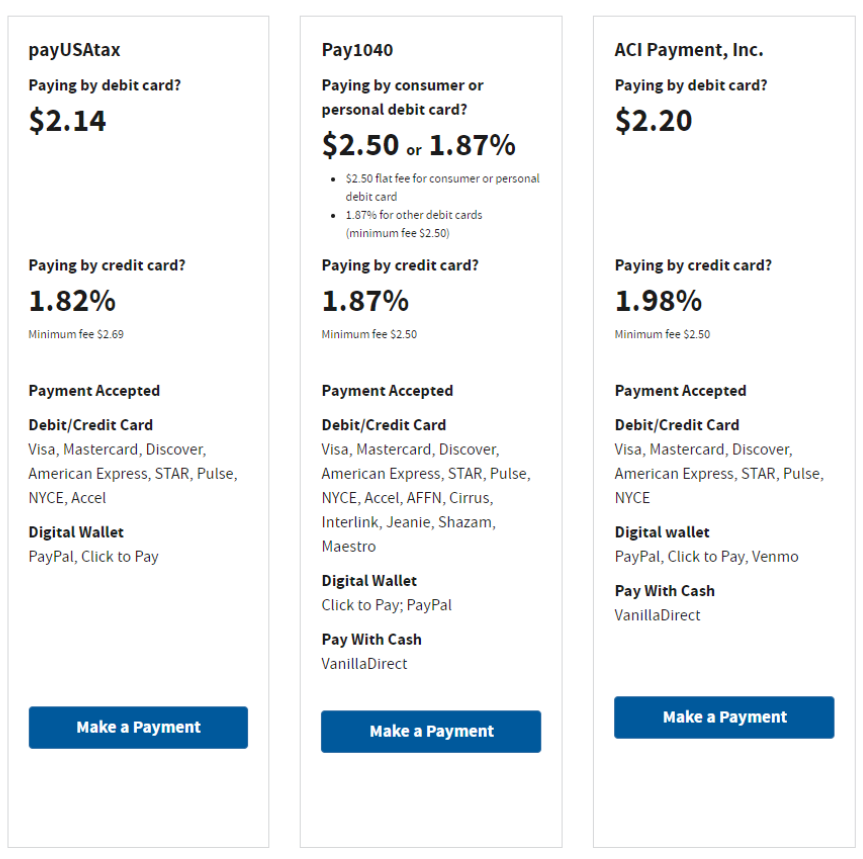
When you decide to pay your federal taxes with a credit card, you are not directly swiping your card at an IRS terminal or entering details on their primary website. Instead, you’ll be directed to one of several IRS-authorized payment processors. These private companies act as intermediaries, collecting your payment details, charging your credit card, and then remitting the funds to the U.S. Treasury on your behalf. This system ensures security and streamlines the collection process for the government, but it also introduces an additional layer of transaction costs. Each processor may have slightly different fees and interfaces, though the core service remains the same. The IRS regularly updates its list of approved processors on its website, advising taxpayers to use only these authorized services to avoid scams and ensure proper payment.
Step-by-Step Guide to Making a Payment
The process for paying your IRS taxes with a credit card through an authorized processor is relatively straightforward:
- Determine Your Tax Liability: First, accurately calculate the amount of tax you owe.
- Choose a Payment Processor: Visit the IRS website or search for “IRS authorized payment processors” to find the current list. Compare the processing fees charged by each to find the most cost-effective option for your payment amount.
- Navigate to the Processor’s Website: Click on the link for your chosen processor.
- Select Payment Type: Indicate whether you’re paying individual income tax (Form 1040), estimated taxes, an extension, or another specific tax form.
- Enter Payment Details: Input the amount you wish to pay, your tax identification number (SSN or ITIN), and other required taxpayer information.
- Provide Credit Card Information: Enter your credit card number, expiration date, security code, and billing address.
- Review and Confirm: Carefully review all details, including the payment amount and the processing fee, before finalizing the transaction.
- Receive Confirmation: Once the payment is submitted, you will receive a confirmation number from the processor. It’s crucial to retain this for your records, as it serves as proof of payment.
Types of Payments You Can Make
The range of federal tax payments you can make using a credit card is quite broad, offering flexibility for various financial situations. This includes:
- Individual Income Tax (Form 1040): Your annual tax liability.
- Estimated Taxes: Payments made throughout the year by self-employed individuals or those with significant income not subject to withholding.
- Extension Payments: If you file for an extension (Form 4868), you can still pay any estimated tax due by the original deadline to avoid penalties.
- Prior Year Taxes: Payments for outstanding tax liabilities from previous years.
- Installment Agreement Payments: If you’re on an IRS payment plan, you can make your regular payments via credit card.
This versatility makes credit card payments a viable option for a wide array of tax obligations, though the financial implications remain constant regardless of the tax type.
The Cost of Convenience: Fees and Financial Implications
While the convenience of using a credit card to pay taxes is undeniable, it comes at a cost. Understanding these charges is paramount to determining if this payment method is truly financially beneficial for your specific circumstances.
Decoding the Processing Fees
The most immediate cost associated with paying your IRS taxes via credit card is the processing fee charged by the third-party provider. These fees are not collected by the IRS but by the payment processor for their service. Typically, these fees range from 1.87% to 1.98% of the payment amount, though they can vary slightly between processors and might have a minimum fee. For example, if you owe $5,000, a 1.98% fee would add nearly $100 to your tax bill. This seemingly small percentage can accumulate quickly, especially for larger tax liabilities. It’s important to remember that these fees are non-refundable, even if your tax payment is later reversed or adjusted.
The Impact of Credit Card Interest Rates
Beyond the processing fee, the most significant financial implication arises from your credit card’s interest rate. If you carry a balance on your credit card after paying your taxes, you will accrue interest charges on that balance. Credit card interest rates, particularly for standard consumer cards, are notoriously high, often ranging from 15% to 25% or even higher. If you pay $5,000 in taxes and carry that balance for even a few months, the interest charges could easily dwarf the initial processing fee. This makes paying with a credit card financially viable primarily for those who can pay off the entire tax amount on their card within the grace period (typically 20-30 days) before interest begins to accrue. If you cannot do this, the cost of paying with a credit card can quickly spiral out of control, making it a very expensive loan.
Comparing Costs: Credit Card vs. Other Payment Methods
When evaluating the cost-effectiveness, it’s useful to compare credit card payments to other available methods:
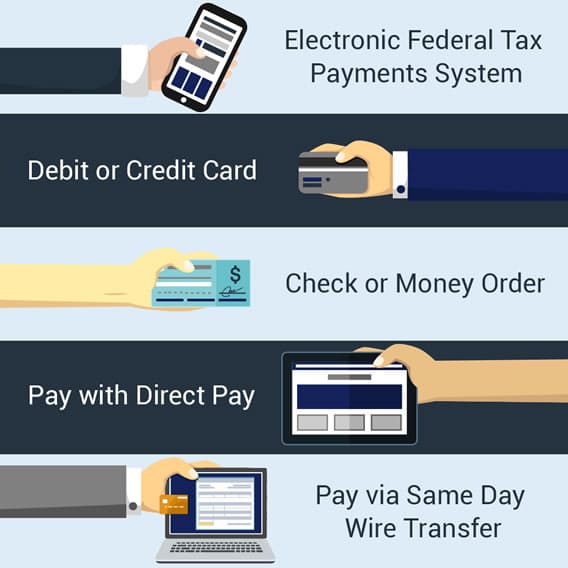
- IRS Direct Pay (Bank Account): Free. This is the most cost-effective method for electronic payments directly from your checking or savings account.
- Electronic Federal Tax Payment System (EFTPS): Free. Primarily for businesses and tax professionals, but individuals can also enroll.
- Debit Card: Authorized processors charge a flat fee for debit card payments, which is typically much lower than a percentage-based credit card fee (e.g., $2.50-$3.95).
- Check or Money Order: Costs are limited to postage and the cost of the check/money order itself.
From a purely cost-of-transaction perspective, credit card payments are almost always the most expensive option due to the percentage-based processing fees and potential interest charges. Therefore, the decision to use a credit card must be justified by specific strategic financial benefits, which we will explore next.
Strategic Advantages: When Paying with a Credit Card Makes Financial Sense
Despite the associated costs, there are specific financial scenarios where paying your IRS taxes with a credit card can be a strategic move, offering benefits that outweigh the fees.
Earning Valuable Rewards and Sign-Up Bonuses
This is arguably the most common and compelling reason for financially astute individuals to pay taxes with a credit card. Many credit cards offer lucrative rewards programs, including:
- Cash Back: A percentage of your spending returned to you. If you earn 2% cash back on a $5,000 tax payment, you’d get $100 back. If the processing fee was $99, you’ve effectively paid your taxes for free or even made a small profit.
- Travel Miles/Points: Points that can be redeemed for flights, hotel stays, or other travel perks. High-value travel points can sometimes yield a return far greater than the cash value, making the processing fee negligible.
- Sign-Up Bonuses: Many premium credit cards offer substantial sign-up bonuses (e.g., 50,000+ points or $500 cash back) for meeting a certain spending threshold within the first few months. A large tax payment can often help you quickly meet these thresholds, unlocking a significant bonus that far exceeds the processing fee.
For these strategies to be effective, you must have a rewards card that offers a significant return and, critically, you must pay off the entire balance before interest accrues. Otherwise, any rewards gained will be quickly negated by interest charges.
Avoiding Late Payment Penalties and Interest
The IRS is strict about deadlines. Failing to pay your taxes on time can result in substantial penalties and interest charges. The penalty for failure to pay is 0.5% of the unpaid taxes for each month or part of a month that taxes remain unpaid, capped at 25% of your unpaid tax. Additionally, interest accrues on underpayments, currently at a rate of 7% per year, compounded daily.
If you find yourself in a situation where you don’t have sufficient cash on hand to pay your taxes by the due date, using a credit card can be a lifeline. While you’ll incur the credit card processing fee and potentially interest if you don’t pay it off immediately, these costs might be less than the penalties and interest the IRS would charge. In essence, a credit card can act as a short-term, albeit expensive, bridge loan to prevent even costlier IRS penalties.
Bridging Short-Term Cash Flow Gaps
For individuals or businesses experiencing a temporary cash flow crunch, a credit card can provide the necessary liquidity to meet a tax obligation without disrupting essential operations or other critical financial commitments. This is particularly relevant for small business owners or freelancers whose income streams can be unpredictable. By paying with a credit card, you effectively extend your payment deadline to your credit card statement’s due date, giving you a few extra weeks to gather funds. This flexibility can be invaluable in managing working capital and ensuring the smooth functioning of your finances, provided you have a clear plan to repay the credit card balance promptly.
Potential Pitfalls: When to Reconsider Credit Card Tax Payments
While the strategic advantages are clear in certain situations, it’s equally important to understand the significant risks and drawbacks that can make paying taxes with a credit card a financially detrimental decision.
The Risk of Accumulating High-Interest Debt
This is the most critical pitfall. If you use a credit card to pay your taxes and cannot pay off the balance in full by the due date, you will begin to accrue high-interest credit card debt. Unlike a low-interest personal loan or a payment plan directly with the IRS, credit card interest rates are typically much higher. A substantial tax bill carried on a credit card can quickly lead to an overwhelming debt spiral, where the interest alone becomes difficult to manage. The temptation to let a large balance linger can be strong, but the financial consequences can far outweigh any initial benefits like rewards points or avoiding IRS penalties.
Impact on Your Credit Score and Financial Health
Taking on a large credit card balance, even temporarily, can negatively impact your credit score. Your credit utilization ratio (the amount of credit you’re using compared to your total available credit) is a significant factor in your credit score. A high tax payment can dramatically increase this ratio, signaling higher risk to credit bureaus and potentially lowering your score. While your score might recover once the balance is paid off, a temporary dip could affect your ability to secure other loans (e.g., a mortgage or car loan) or better interest rates in the short term. Furthermore, juggling a large credit card balance can create financial stress and strain, impacting overall financial health and well-being.
The Inefficiency of Fees Outweighing Rewards
For the strategy of earning rewards to be effective, the value of the rewards earned must unequivocally exceed the processing fees. If you have a credit card with a low rewards rate (e.g., 1% cash back) or if you’re not trying to hit a sign-up bonus, the processing fee will almost certainly make paying with a credit card more expensive than other methods. For example, a 1.98% processing fee will negate the benefits of a 1% cash back card, resulting in a net cost of 0.98% of your tax bill. Before making any payment, always calculate the exact fee, estimate the value of your rewards, and compare the net cost to alternative payment methods. If the numbers don’t clearly work in your favor, reconsider.
Exploring Alternatives and Best Practices for Tax Payments
Before resorting to a credit card, or even after considering it, it’s wise to be aware of other payment options available and to adopt best practices for managing your tax obligations.
IRS Direct Pay and Other Electronic Options
For most taxpayers, the most cost-effective and convenient electronic payment method is IRS Direct Pay. This service allows you to pay your taxes directly from your checking or savings account with no processing fees. It’s secure, fast, and offers immediate confirmation. Another robust electronic option, particularly for businesses and those making regular estimated payments, is the Electronic Federal Tax Payment System (EFTPS). Like Direct Pay, EFTPS is free and provides a detailed payment history. These methods should be your default consideration when you have sufficient funds available. You can also pay by debit card through authorized processors for a flat, much lower fee than credit cards.
Setting Up an IRS Payment Plan (Installment Agreement)
If you genuinely cannot afford to pay your tax bill in full by the due date, even with the short-term flexibility of a credit card, the IRS offers payment options to help. An installment agreement allows taxpayers to make monthly payments for up to 72 months. While interest and a late payment penalty still apply (at a lower rate than if you failed to file or pay without an agreement), setting up a plan prevents the IRS from pursuing more aggressive collection actions. There are setup fees for installment agreements, but they are typically much lower than the long-term interest costs of carrying a credit card balance. The IRS offers an online payment agreement tool to check eligibility and set up a plan easily.
Key Considerations Before Choosing Your Payment Method
To make an informed decision, ask yourself the following critical questions:
- Can I pay off the entire credit card balance immediately? If the answer is no, carefully calculate the total cost of interest charges against the IRS’s penalties and interest, and strongly consider an IRS payment plan instead.
- Does my credit card offer sufficient rewards or a sign-up bonus to offset the processing fee? Run the numbers precisely.
- What is my current credit utilization ratio? Will a large tax payment severely impact my credit score?
- Are there cheaper alternatives available to me? Always prioritize free or low-cost options like IRS Direct Pay if cash flow permits.
- What are the consequences if I don’t pay on time? Use the credit card as a last resort to avoid harsh IRS penalties only if a clear repayment strategy is in place.
In conclusion, paying your IRS taxes with a credit card is a financial tool, not a universal solution. When utilized strategically by those who can manage the associated debt, it can offer benefits such as earning rewards or avoiding immediate penalties. However, for those who cannot pay off the balance promptly, it carries significant risks of high-interest debt and negative impacts on credit health. By understanding the mechanics, carefully weighing the costs against the benefits, and exploring all available alternatives, you can make the most financially sound decision for your tax obligations.
aViewFromTheCave is a participant in the Amazon Services LLC Associates Program, an affiliate advertising program designed to provide a means for sites to earn advertising fees by advertising and linking to Amazon.com. Amazon, the Amazon logo, AmazonSupply, and the AmazonSupply logo are trademarks of Amazon.com, Inc. or its affiliates. As an Amazon Associate we earn affiliate commissions from qualifying purchases.