
In the ever-evolving ecosystem of Fortnite, the definition of a melee weapon has transitioned from a simple tool for resource collection to a sophisticated component of combat strategy. While the genre is dominated by long-range ballistic exchanges and tactical building maneuvers, melee weapons represent the foundational hardware of the player’s digital inventory. Understanding these tools through the lens of game software development and mechanics is essential for any player looking to optimize their performance in the virtual arena.
The Software Mechanics of Melee Combat
At its core, a melee weapon in Fortnite is a programmed entity designed to facilitate close-quarters interaction. Unlike ranged weapons, which rely on projectile physics, hitscan calculations, and bullet drop algorithms, melee weapons function based on proximity triggers and hit-box registration. When a player initiates a swing, the game engine calculates a collision detection sequence between the weapon’s model and the target’s mesh.
Hitbox Registration and Latency
The efficacy of these weapons is dictated by the server-side validation of the player’s input. Because Fortnite operates on a client-server architecture, the “swing” must be registered by the game’s software backend to confirm a hit. Players often notice that melee attacks feel different compared to firearm exchanges; this is due to the lack of travel time. Melee weapons in Fortnite are essentially “instant-contact” tools. The software architecture prioritizes the coordinates of the player model at the precise moment of the input, making them highly dependent on low-latency connections to ensure that the visual swing aligns with the game’s internal collision logs.
Resource Harvesting vs. Combat Application
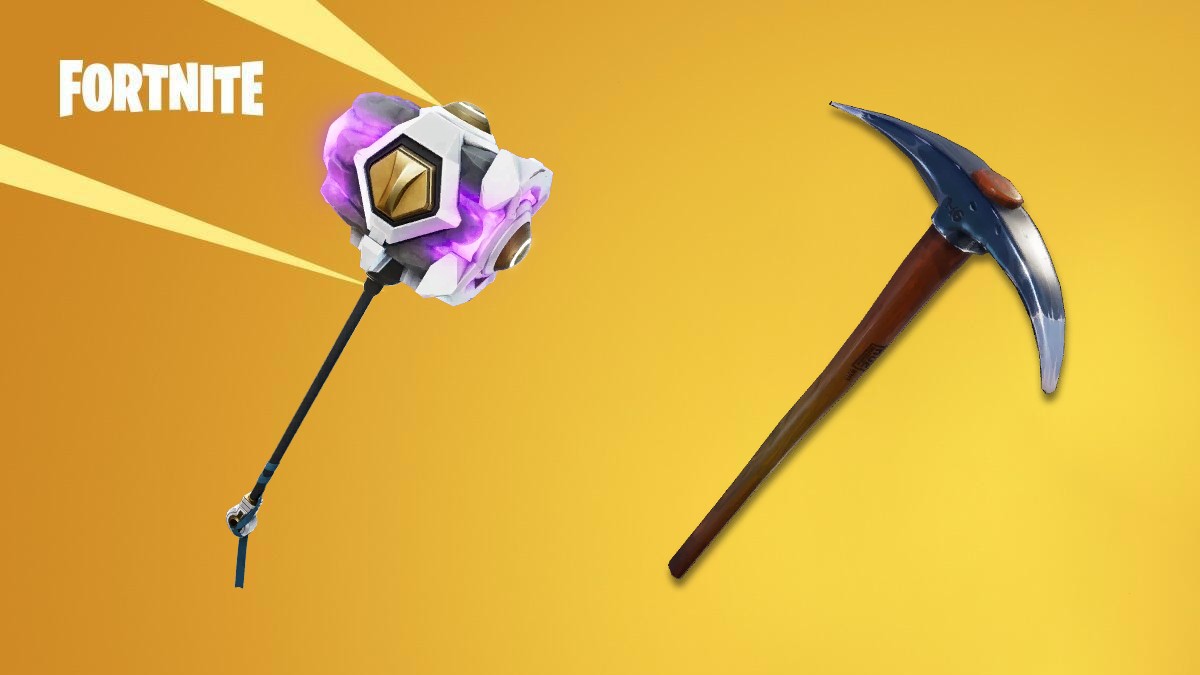
From a functional standpoint, the Pickaxe—the quintessential melee tool—serves a dual-purpose software function. It is both a mining utility and a combat implement. When interacting with an environment, the weapon triggers a destruction script that subtracts health points from structural meshes, granting the player raw materials. When directed at an opponent, the same script transitions into a damage-dealing mechanism. This dual-use logic is a hallmark of the game’s streamlined design, ensuring that every tool occupies a permanent, low-memory slot in the player’s hotbar.
Evolution of Melee Tools in the Fortnite Sandbox
As the game has expanded, developers have introduced specialized melee items that transcend the standard Pickaxe. These items function as “software upgrades” or modifiers to the standard player character attributes, changing the meta of close-range engagements.
Mythic and Specialty Melee Weapons
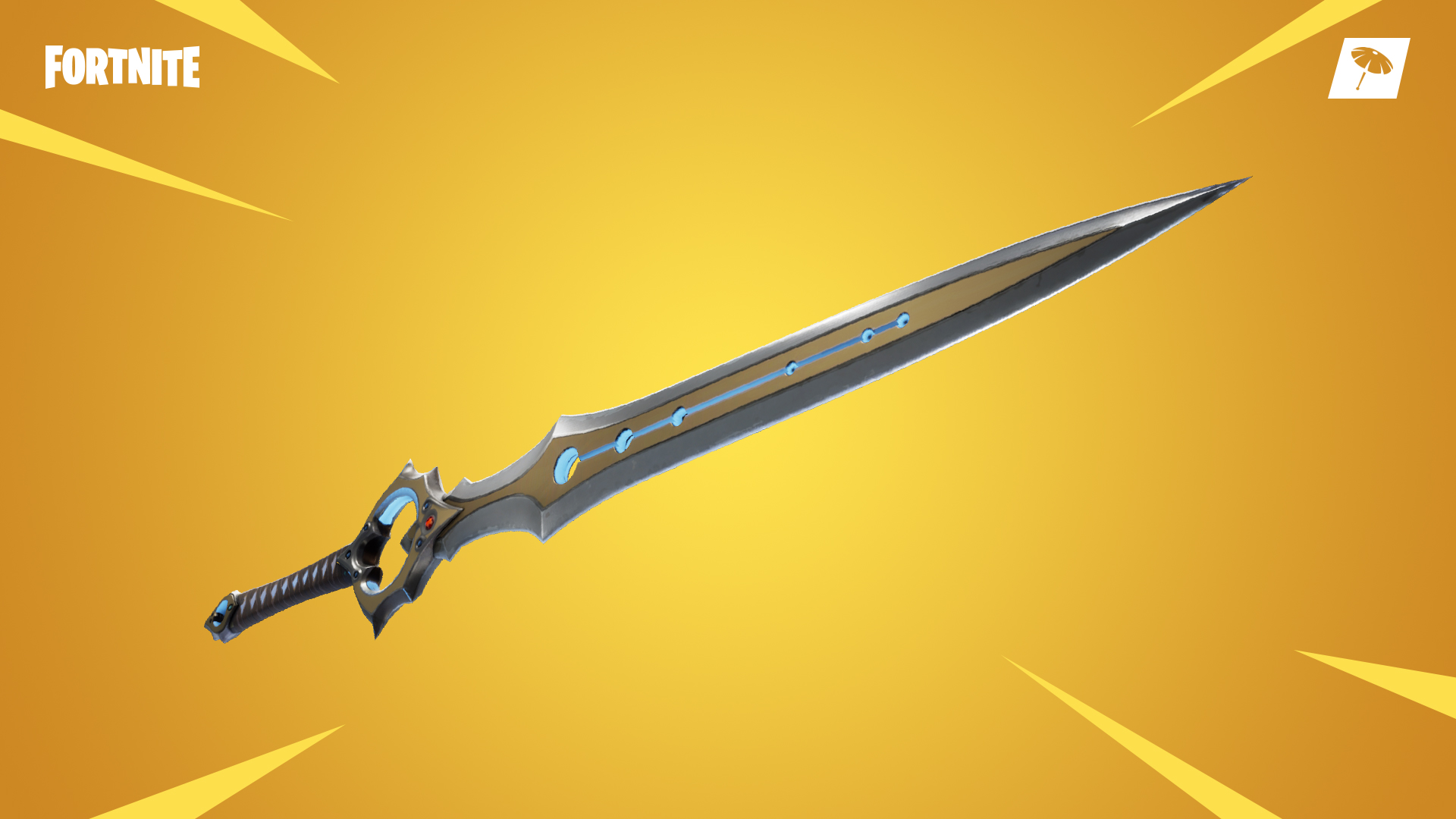
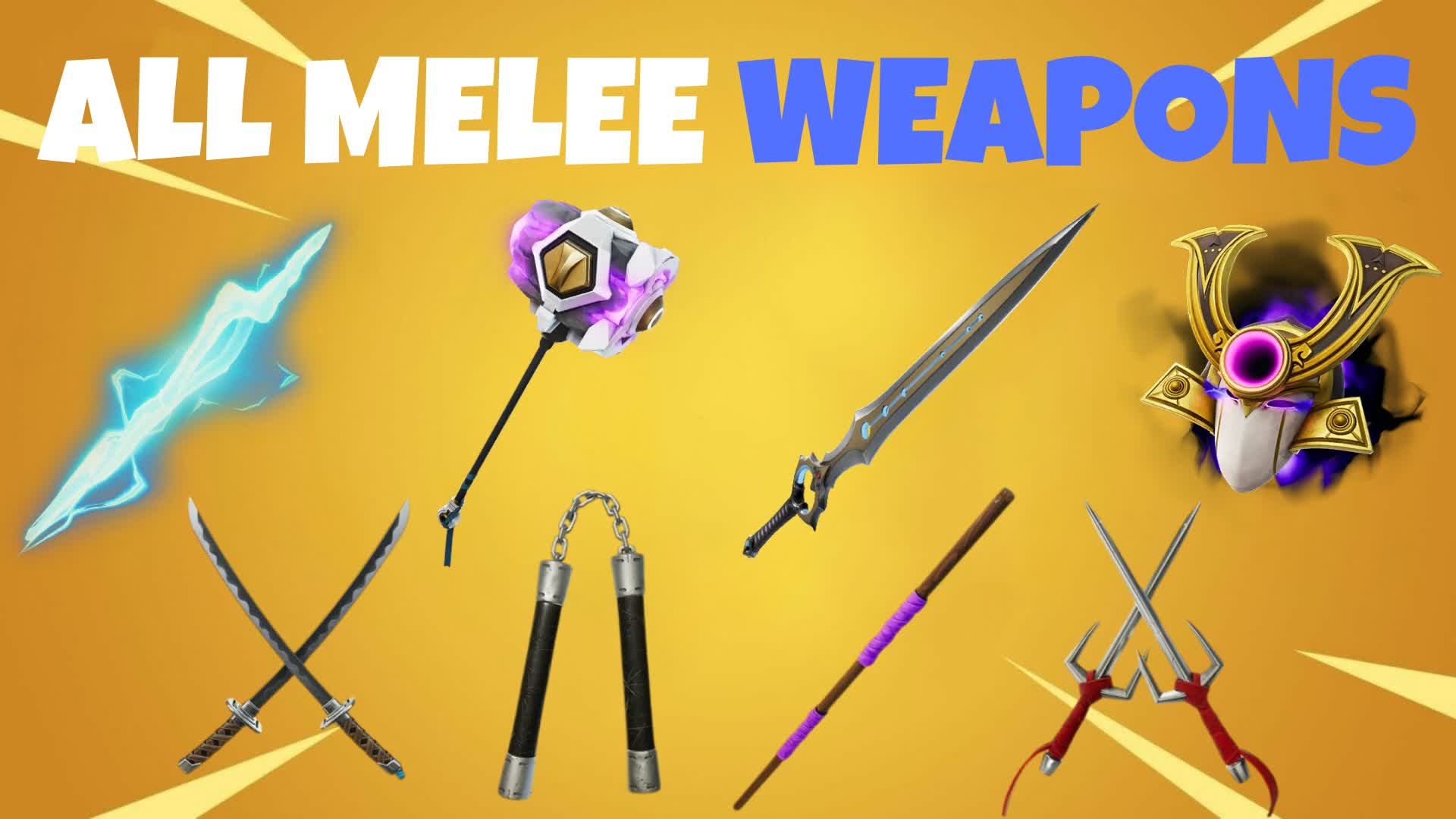
Throughout various seasons, Epic Games has deployed mythic melee weapons that behave differently than standard tools. These items often feature unique animations, area-of-effect (AoE) damage, and secondary movement abilities. From a development perspective, these are not merely skins; they are distinct sub-modules within the game’s combat system. They often include cooldown timers, stamina consumption variables, and unique physics impacts that push the game engine toward more complex interactions, such as knockback mechanics and directional mobility boosts.
Integrating Melee into Tactical Loadouts
The modern Fortnite meta requires a clear understanding of when to swap between ranged and melee inputs. Because swapping between weapons involves a brief “draw” animation—a software-side delay intended to balance weapon switching—high-level players optimize their loadouts to include melee-capable tools that offer secondary movement buffs. This integration forces a strategic decision: does the player occupy an inventory slot with a defensive melee tool, or a high-output ranged weapon? This choice is central to the software strategy of loadout management.
Technical Optimization for Melee Engagement
Mastering melee combat in a software-driven environment requires an understanding of how inputs affect in-game performance. Players who want to maximize their melee efficiency should focus on three technical pillars: input latency, frame rate stability, and animation canceling.
Input Latency and Refresh Rates
Because melee attacks are instantaneous, the time between a mouse click or a controller trigger pull and the action on screen is critical. High-refresh-rate monitors and low-latency peripherals are essential. In a software environment where combat happens in a fraction of a second, any delay in the input pipeline can result in a “ghost swing,” where the animation occurs but the server fails to register the contact because the target moved outside the hitbox before the backend verified the input.
Animation Canceling and Frame Timing
Skilled players utilize animation canceling to improve their harvesting speed and combat responsiveness. By observing the frames of a swing animation, players can time their inputs to execute back-to-back attacks more efficiently than the default automated interval allows. This is effectively “optimizing the software cycle.” By manually inputting the swing command at the exact frame the previous animation finishes, players bypass the system’s idle buffer, maximizing their damage output per second (DPS) against structures or opponents.
The Future of Melee Mechanics in Digital Arenas
Looking forward, the integration of more complex melee systems in Fortnite suggests a move toward deeper tactical variety. As the game engine improves, we may see more sophisticated hit-detection zones that allow for different types of melee impacts—such as limb-specific damage or shield-piercing effects.
Physics-Based Interaction
Current melee combat is largely uniform, but the implementation of more advanced physics-based interactions could redefine the role of the melee weapon. Imagine a future update where the impact of a melee weapon is governed by the momentum of the player’s movement, or where specific materials require different “haptic” feedback in the software’s damage calculation engine. Such updates would shift the melee weapon from a simple point-and-click tool to a skill-based component that rewards movement accuracy and positioning.
The Role of Procedural Generation
As the game expands its creative modes, the ability for creators to define custom melee behaviors via scripting interfaces is growing. This democratization of game design tools allows for the creation of unique melee weapons with custom hit-box sizes and range parameters. This evolution highlights the transition of Fortnite from a mere battle royale into a comprehensive platform where melee combat is a modular system that can be iterated upon by the community.
Understanding what a melee weapon is in Fortnite requires moving past the aesthetic of the pickaxe and into the logic of the code that drives it. Whether it is a fundamental harvesting tool or a specialized mythic item, these weapons remain the most direct way for a player to impact their digital environment. By focusing on the underlying mechanics of hitbox registration, animation cycles, and input optimization, players can turn these basic tools into the most potent instruments in their tactical arsenal. The melee weapon is not just a secondary item; it is an extension of the player’s input, bound by the rigid, yet infinitely deep, architecture of the Fortnite engine.
aViewFromTheCave is a participant in the Amazon Services LLC Associates Program, an affiliate advertising program designed to provide a means for sites to earn advertising fees by advertising and linking to Amazon.com. Amazon, the Amazon logo, AmazonSupply, and the AmazonSupply logo are trademarks of Amazon.com, Inc. or its affiliates. As an Amazon Associate we earn affiliate commissions from qualifying purchases.