
In an increasingly subscription-based economy, understanding the true cost and inherent value of services like Amazon Prime is paramount for astute personal finance management. Far beyond a simple delivery service, Amazon Prime has evolved into a comprehensive digital ecosystem, offering a plethora of benefits that can either be a shrewd financial investment or a hidden drain on one’s budget. For many, the question “how much does Amazon Prime cost a month?” is merely the gateway to a deeper financial interrogation: Is this subscription truly worth its price tag, and how does it integrate into a disciplined financial plan? This article delves into the granular details of Amazon Prime’s pricing, dissects its financial value proposition, and offers strategic insights for maximizing its benefits within a personal finance framework.
Decoding Amazon Prime’s Pricing Structure: A Financial Overview
Understanding the direct cost of Amazon Prime is the first step in a comprehensive financial assessment. Amazon offers several membership tiers and payment frequencies, each with distinct financial implications. For the budget-conscious consumer, selecting the most economically advantageous option requires a clear understanding of these choices.
Standard Membership Rates: Monthly vs. Annual Savings
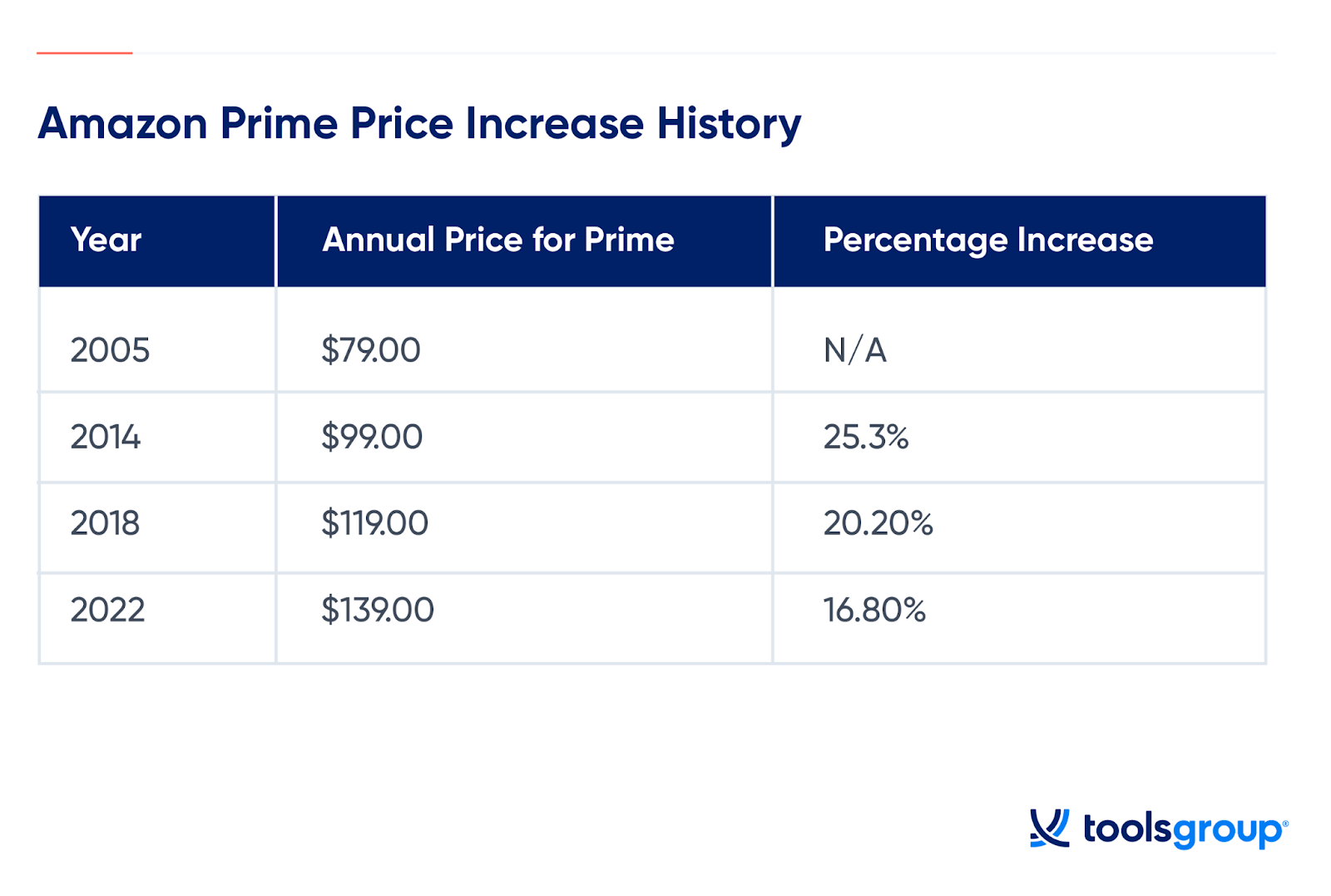
The most common decision for potential Prime members revolves around the payment frequency: monthly or annual. As of recent updates, the standard Amazon Prime membership typically costs:
- Monthly Membership: Approximately $14.99 per month.
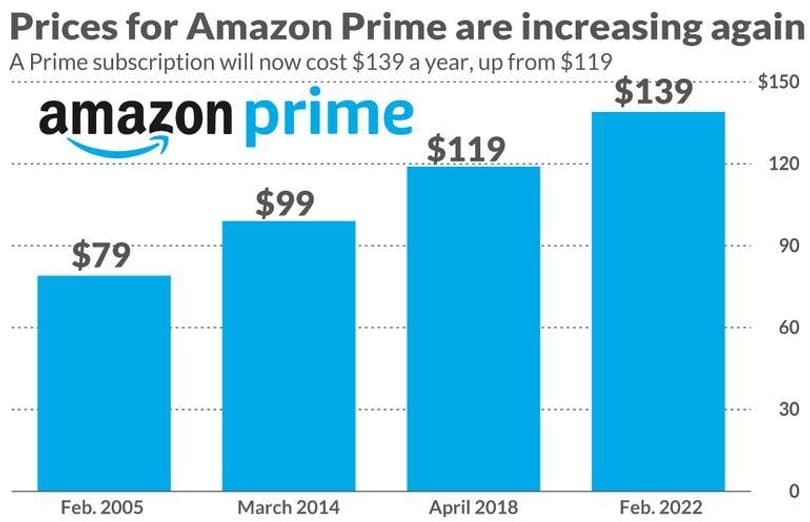
- Annual Membership: Approximately $139 per year.
A simple calculation reveals a significant financial incentive to opt for the annual plan. Paying monthly would amount to $14.99 * 12 = $179.88 per year. Comparing this to the annual fee of $139, an individual saves approximately $40.88 annually by committing to the yearly subscription. This nearly $41 saving is a crucial detail for anyone looking to optimize their recurring expenditures. From a personal finance perspective, committing to the annual plan is a direct strategy to reduce the overall cost of the service, assuming consistent usage throughout the year. It represents a small, yet impactful, decision in managing discretionary spending.
Discounted Prime Memberships: Optimizing Your Spend
Amazon also extends a lifeline to specific demographics, offering reduced-price Prime memberships. These discounted options are not just a convenience; they represent significant financial relief for eligible individuals, making the service more accessible and financially sustainable.
- EBT and Medicaid Recipients: Eligible individuals can subscribe to Prime for approximately $6.99 per month. This constitutes a substantial discount of $8 per month or roughly $96 per year compared to the standard monthly rate. For households managing tight budgets, this reduction can make the difference between accessing Prime’s benefits or foregoing them entirely. It’s a powerful example of how understanding eligibility can lead to significant savings.
- Student Prime: College students enrolled in two- or four-year colleges receive a generous six-month free trial, followed by a discounted rate of approximately $7.49 per month or $69 per year. This offers an even more compelling financial argument for students, providing access to essential services (like expedited shipping for textbooks or supplies) at a fraction of the cost. The annual student rate, in particular, represents a savings of $70 compared to the standard annual fee, underscoring Amazon’s understanding of the financial constraints often faced by students. Leveraging this discount is a key financial strategy for students looking to minimize expenses while still benefiting from convenience and entertainment.
These discounted tiers highlight Amazon’s tiered pricing strategy, which, from a financial planning perspective, allows a broader range of consumers to engage with the service without breaking their budget. It’s incumbent upon consumers to verify their eligibility and actively pursue these savings.
Understanding Prime Video and Other Standalone Options
While the full Amazon Prime membership bundles a wide array of services, Amazon also offers standalone subscriptions for certain components, most notably Prime Video. A standalone Prime Video subscription typically costs around $8.99 per month.
From a financial analysis standpoint, opting for the full Prime membership versus a standalone Prime Video subscription becomes a question of value and usage patterns. If a consumer’s primary interest is video streaming and they rarely use other Prime benefits like free shipping, music, or reading, then the standalone Prime Video might appear more financially prudent at $8.99 compared to $14.99 for full Prime. However, if even occasional use of other Prime benefits is anticipated, the additional cost for the full Prime package quickly becomes justifiable. The $6 monthly difference ($14.99 – $8.99) effectively covers the cost of expedited shipping and a host of other features, making the full Prime subscription a more financially robust option for most multi-faceted users. This comparison underscores the importance of a detailed cost-benefit analysis before committing to any digital subscription.
The Financial Value Proposition: Is Amazon Prime Worth the Investment?
Beyond the direct costs, the true financial assessment of Amazon Prime lies in its value proposition. Is the investment justified by the financial benefits and savings it delivers? This requires a deep dive into the tangible and intangible financial advantages offered by the membership.
Calculating the Tangible Savings: Shipping and Exclusive Deals
The most immediate and quantifiable financial benefit of Amazon Prime is often the free two-day shipping (and often same-day or one-day delivery in eligible areas) on millions of items. For frequent online shoppers, this benefit alone can quickly offset the membership cost. Consider an individual who places just two orders a month that would typically incur a standard shipping fee of $5-7 each. Over a year, this could amount to $120-$168 in shipping costs. In this scenario, the free shipping alone nearly covers, or entirely covers, the annual Prime membership fee of $139.
Furthermore, Prime members gain exclusive access to deals, particularly during events like Prime Day and other members-only sales. These discounts, often substantial, apply to a wide range of products. Savvy shoppers who leverage these deals for planned purchases (e.g., electronics, household goods, holiday gifts) can realize significant savings that far exceed the annual membership fee. For instance, purchasing a high-value item with a Prime-exclusive 15-20% discount could easily save $20-$100 or more on a single transaction, directly contributing to the financial justification of the membership.
Another often-overlooked tangible saving comes from Prime Pantry or Amazon Fresh (where available), offering discounted groceries and household essentials with free delivery over a certain threshold for Prime members. For families that frequently purchase groceries online, the delivery fee savings and access to member-exclusive pricing can translate into hundreds of dollars saved annually, positioning Prime as a legitimate tool for household budget management.
Intangible Benefits with Financial Implications: Streaming, Music, and Reading
While not direct cash savings, the inclusion of Prime Video, Amazon Music Prime, and Prime Reading within the subscription carries significant financial implications by replacing or reducing the need for other paid services.
- Prime Video: Access to a vast library of movies and TV shows, including Amazon Originals. If this replaces a separate streaming subscription (e.g., a basic Netflix plan or Hulu), it effectively saves $7-$15 per month, adding $84-$180 annually back into the consumer’s budget. For many, Prime Video alone offers enough entertainment to preclude the need for additional streaming services, making the bundled Prime membership a financially intelligent choice for media consumption.
- Amazon Music Prime: Offers ad-free access to millions of songs and thousands of stations and playlists. While not as extensive as Amazon Music Unlimited or Spotify Premium, it often suffices for casual listeners. If this prevents the need for a $10-$15 monthly music streaming subscription, that’s another $120-$180 in annual savings.
- Prime Reading and Amazon First Reads: Provides access to a rotating selection of free ebooks, magazines, and comics. For avid readers, this can reduce spending on individual book purchases, particularly for bestsellers or new releases offered through First Reads. Although hard to quantify precisely, avoiding just a few book purchases a year can easily save $20-$50.
These “soft” financial benefits aggregate quickly, demonstrating that the full Prime package acts as a multi-service bundle that can prevent separate expenditures across various entertainment and content categories. From a financial planning perspective, consolidating these services under one umbrella can simplify budgeting and potentially lead to overall savings.
Beyond Shopping: Exploring Prime’s Full Ecosystem for Financial Advantage
The financial benefits of Prime extend even further into various niche services and benefits that, when utilized, can significantly enhance its value:
- Whole Foods Market Discounts: Prime members receive exclusive discounts and 5% back on select purchases at Whole Foods Market, alongside free 2-hour grocery delivery in many cities. For those who shop at Whole Foods, these savings can be considerable. A household spending $200 a month at Whole Foods could save $10 monthly from the 5% back alone, totaling $120 annually – nearly covering the Prime membership on its own.
- Amazon Photos: Offers unlimited full-resolution photo storage, a valuable perk that can negate the need for paid cloud storage services like Google One, iCloud, or Dropbox, which can cost $2-$10 per month depending on storage needs.
- Twitch Prime Gaming: Provides free games, in-game content, and a free channel subscription on Twitch each month. For gamers, this can represent additional entertainment value and savings on gaming-related purchases.
- Prime Wardrobe: Allows members to try on clothes at home before buying, potentially reducing returns and the associated hassle, while also preventing impulsive purchases that might otherwise be kept due to return fees or inconvenience.
Considering the cumulative financial impact of all these benefits, the $139 annual fee often presents an undeniable value proposition for households that actively leverage even a fraction of what Prime offers. The challenge lies in proactive engagement with these benefits to truly realize their financial potential.
Strategic Financial Management of Your Prime Membership
Simply having an Amazon Prime membership does not automatically guarantee financial gain. Strategic management and conscious utilization are key to transforming it into a financially advantageous tool rather than a forgotten expense.
Maximizing Your Membership: Getting the Most Financial Value
To ensure your Prime membership is a sound financial investment, active engagement with its features is crucial.
- Audit Your Usage: Regularly review how often you use Prime’s shipping benefits, streaming services, and other perks. If you’re consistently ordering items and using Prime Video to replace other entertainment, you’re likely getting good value.
- Consolidate Subscriptions: Use Prime Video and Amazon Music Prime as primary entertainment hubs to avoid paying for redundant streaming or music services. This consolidation is a direct financial saving.
- Leverage Deals: Plan major purchases around Prime Day or other Prime-exclusive sales events. This requires foresight and strategic timing but can result in significant discounts on high-value items, directly reducing your overall expenditure.
- Explore All Benefits: Don’t just focus on shipping. Dive into Prime Reading, Amazon Photos, and Whole Foods discounts. Each utilized benefit adds incremental financial value to your subscription. For example, using Amazon Photos might save you $24 annually on another cloud storage service.
The Cost of Underutilization: When Prime Becomes a Financial Drain
Conversely, Prime can quickly become a financial liability if its benefits are not adequately utilized. If you only order a few items a year and rarely stream content, the annual fee of $139 is essentially $11.58 per month for minimal benefit.
- Infrequent Shoppers: If you rarely use the free shipping or rarely make purchases that would incur significant shipping fees, the cost of Prime might outweigh the sporadic savings.
- Multiple Streaming Services: If you already subscribe to several other streaming platforms and rarely watch Prime Video, then a core component of Prime’s value is being neglected.
- Forgotten Perks: If you’re paying for Prime but never use Amazon Music Prime, Prime Reading, or Amazon Photos, you’re missing out on benefits that could replace other paid services.
It’s essential to periodically conduct a personal financial audit of your Prime usage. If the calculation of benefits (shipping savings, avoided subscription costs, deal discounts) falls significantly short of the $139 annual fee, then the membership is likely a financial drain.
Smart Cancellation and Trial Strategies for Budget-Conscious Consumers
For those on the fence or looking to minimize costs, strategic use of trials and knowing how to manage cancellations can be invaluable.
- Free Trials: Amazon frequently offers 30-day free trials (or 6-month for students). These are excellent opportunities to fully explore the benefits and assess their financial value to your household without commitment. Be diligent about setting a calendar reminder to cancel before the trial ends if you decide it’s not worth the cost.
- Annual vs. Monthly Reassessment: If you’re unsure about committing for a full year, start with the monthly plan. After a few months, if you find yourself frequently using the services, then switch to the annual plan to realize the $40.88 annual saving. If usage is sparse, cancelling a monthly plan is less financially impactful than cancelling an annual one mid-term (though Amazon often offers prorated refunds for annual cancellations).
- Sharing Benefits: While direct account sharing is restricted, certain benefits like free shipping and Prime Video can be shared with another adult in your household via Amazon Household. This effectively allows two adults to benefit from one subscription fee, doubling the value for the same cost and significantly improving the financial return.
Amazon Prime in the Broader Personal Finance Landscape
Integrating Amazon Prime into your overall financial strategy requires a holistic view, considering it alongside all other recurring expenses and financial goals.
Budgeting for Subscriptions: Fitting Prime into Your Monthly Outgoings
In today’s subscription economy, managing recurring payments is a significant part of personal finance. Prime’s annual cost, or monthly cost, needs to be factored into your budget.
- Categorize: Treat Prime as an “Entertainment” or “Shopping Convenience” expense within your budget.
- Prioritize: Compare Prime’s value against other subscriptions (Netflix, Spotify, gym memberships, etc.). If budget cuts are necessary, assess which services provide the most financial and personal value.
- Annual Budgeting: If you opt for the annual plan, remember to set aside approximately $11.58 per month ($139/12) into a dedicated savings fund so the annual payment isn’t a sudden financial shock. This “sinking fund” approach for annual expenses is a cornerstone of sound budgeting.
Comparing Prime’s Financial Footprint to Other Digital Services
Amazon Prime is not alone in offering a bundled service model. Comparing its financial footprint to competitors is vital. Services like Walmart+ offer similar shipping and grocery benefits, often at a slightly lower annual cost ($98/year), though typically with fewer streaming or digital content perks. Evaluating these alternatives based on your specific shopping habits, grocery preferences, and entertainment needs allows for a truly optimized financial decision. The “best” option from a financial perspective is highly individualized.

Long-Term Financial Planning: Reassessing Your Prime Investment Annually
Just as you review your investment portfolio or insurance policies, your Amazon Prime membership should be reassessed annually.
- Usage Changes: Has your shopping frequency changed? Are you streaming more or less?
- Benefit Evolution: Has Amazon added or removed benefits that impact your usage?
- Personal Financial Goals: Are you trying to cut down on discretionary spending? Could the $139 be better allocated to debt repayment, savings, or investments?
This annual financial review ensures that Amazon Prime remains a deliberate and valuable expenditure, aligning with your current financial situation and long-term goals. It transforms the question “how much does Amazon Prime cost a month?” from a simple query into an ongoing exercise in smart personal financial management.
In conclusion, the cost of Amazon Prime extends beyond its explicit monthly or annual fee. It encompasses the potential for significant savings and financial convenience, juxtaposed against the risk of underutilization and wasted expenditure. By meticulously analyzing its diverse benefits through a financial lens, consumers can make informed decisions that align with their personal finance objectives, ensuring that their Prime membership remains a valuable asset rather than a silent drain on their budget.
aViewFromTheCave is a participant in the Amazon Services LLC Associates Program, an affiliate advertising program designed to provide a means for sites to earn advertising fees by advertising and linking to Amazon.com. Amazon, the Amazon logo, AmazonSupply, and the AmazonSupply logo are trademarks of Amazon.com, Inc. or its affiliates. As an Amazon Associate we earn affiliate commissions from qualifying purchases.