
Apple Inc. (AAPL) stands as a titan in the global economy, a company whose innovative products and services have fundamentally reshaped modern life. Beyond its iconic devices and pervasive digital ecosystem, Apple also represents one of the most significant and widely held investment opportunities in the history of public markets. The question, “How many Apple shareholders are there?” delves into a fascinating aspect of its financial dominance, revealing not just a number, but a complex tapestry of global capital, individual ambition, and shared belief in a corporate vision. While an exact, real-time figure is elusive due to the continuous trading of shares and the varied nature of ownership, it is unequivocally understood that Apple boasts millions of shareholders worldwide. This vast ownership base comprises a diverse array of investors, from gargantuan institutional funds managing trillions in assets to individual retail investors who might own just a handful of shares, often driven by personal affinity for the brand. This extensive distribution of ownership reflects Apple’s enduring appeal as a cornerstone investment, a company perceived as a bastion of stability, growth, and technological leadership in an ever-evolving market. Understanding the composition and motivations of this immense shareholder community provides profound insights into modern investing and the unique financial ecosystem surrounding one of the world’s most valuable companies.
The Global Reach of Apple’s Ownership: A Diverse Shareholder Base
The shareholder structure of Apple is a microcosm of the broader global investment landscape, illustrating how capital converges on companies demonstrating consistent performance and future potential. The sheer scale of Apple’s market capitalization—often fluctuating around the $2.5 to $3 trillion mark—necessitates an equally immense and diversified investor base to hold its outstanding shares. This diversity is not merely statistical; it reflects differing investment philosophies, financial goals, and levels of market engagement. From pension funds aiming for long-term stability to day traders seeking short-term gains, Apple’s stock serves as a critical component in countless portfolios.
Institutional Investors: The Titans of Capital
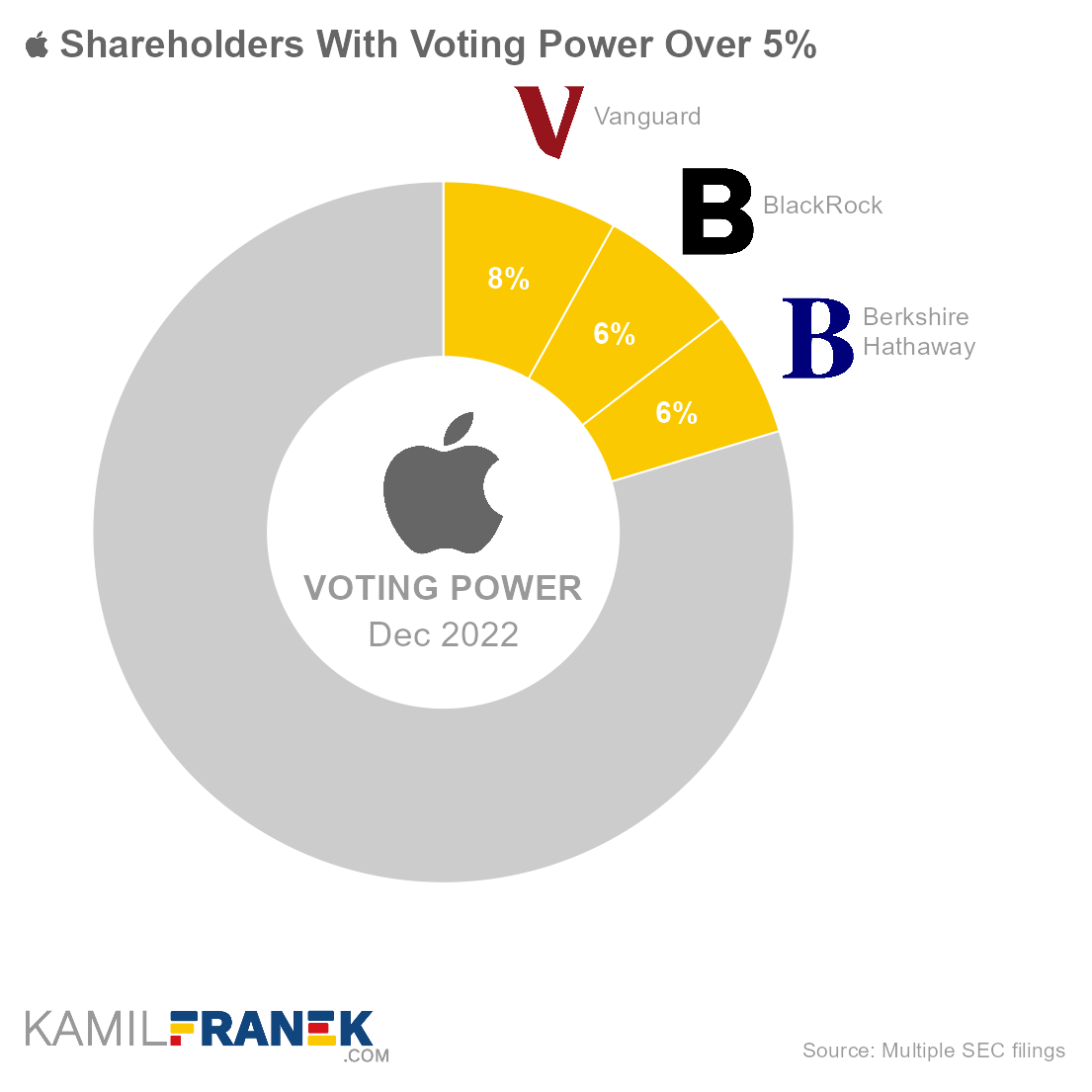
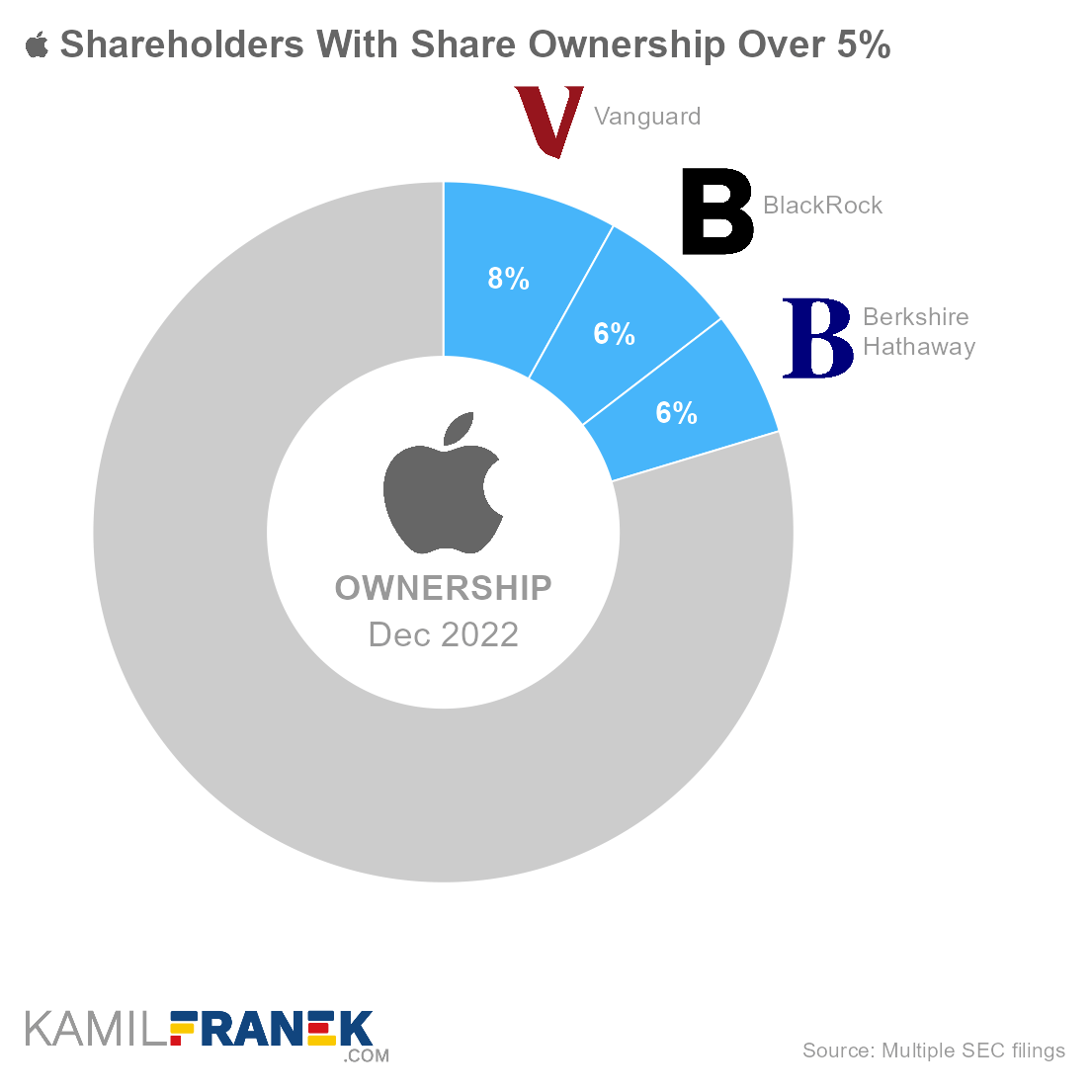
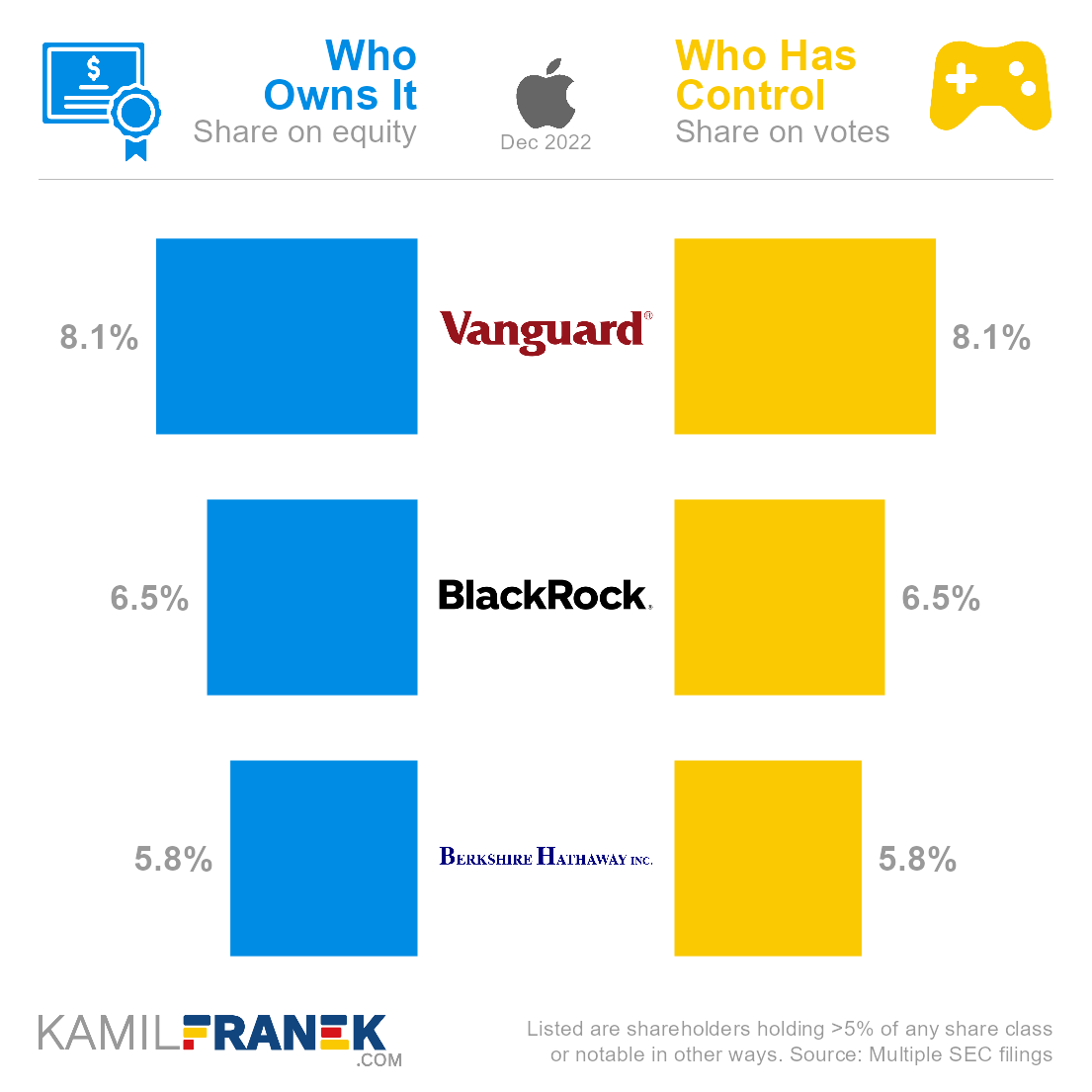
The backbone of Apple’s ownership lies with institutional investors. These are the colossal entities that manage vast pools of money on behalf of others, including mutual funds, exchange-traded funds (ETFs), pension funds, hedge funds, sovereign wealth funds, and university endowments. Collectively, these institutions typically hold the largest percentage of Apple’s outstanding shares, often accounting for 50-60% or more of the company. Firms like Vanguard, BlackRock, and State Street Global Advisors, through their various index funds and actively managed portfolios, are consistently among the top shareholders, holding hundreds of millions of Apple shares.
Their investment decisions are usually driven by rigorous fundamental analysis, macroeconomic trends, and portfolio diversification strategies. For many large-cap index funds, Apple’s inclusion is mandatory due to its significant weight in benchmark indices like the S&P 500 and the NASDAQ 100. For actively managed funds, Apple represents a core holding due to its consistent profitability, strong balance sheet, and market leadership. The sheer volume of shares held by these institutions means their trading activities can significantly influence Apple’s stock price, and their collective voice carries substantial weight in matters of corporate governance. Their long-term investment horizon often aligns with Apple’s strategic goals, prioritizing sustainable growth and shareholder value over transient market fluctuations.
Retail Investors: The Everyday Shareholder
Complementing the institutional giants are the millions of individual, or retail, investors. These are ordinary people who invest their personal savings in the stock market, either directly through brokerage accounts or indirectly via investment platforms and robo-advisors. The advent of commission-free trading and fractional share ownership has dramatically lowered barriers to entry, making it easier than ever for individuals to own a piece of companies like Apple. It’s estimated that hundreds of thousands, if not millions, of individuals directly own Apple shares. When considering indirect ownership through mutual funds and ETFs, virtually countless individuals are exposed to Apple’s performance.
Retail investors are often drawn to Apple for a multitude of reasons, including its iconic brand, the widespread use of its products, and its consistent financial performance. Many are also customers who believe in the company’s vision and products, translating their brand loyalty into investment conviction. While individual retail holdings are typically smaller than institutional blocks, their collective impact on market sentiment and trading volume is not insignificant. Furthermore, the accessibility of Apple’s stock means it often serves as a foundational investment for new investors building their first portfolios. Their diverse motivations, ranging from long-term wealth accumulation to dividend income, contribute to the broad and stable demand for AAPL shares.
Employee Stock Ownership: Investing from Within
A vital, albeit smaller, segment of Apple’s shareholder base consists of its own employees. Through various compensation programs, stock option grants, restricted stock units (RSUs), and employee stock purchase plans (ESPPs), Apple’s workforce becomes financially vested in the company’s success. This internal ownership structure not only serves as a powerful incentive for employees but also aligns their personal financial interests with the company’s performance.
Employees who hold Apple shares are often deeply familiar with the company’s operations, culture, and strategic direction, making them highly informed (though restricted by insider trading rules) and generally long-term shareholders. This form of ownership reinforces a culture of shared responsibility and collective ambition, where individual contributions directly correlate with personal financial gains through stock appreciation. While the number of employee-owned shares is a fraction compared to institutional holdings, it represents a significant commitment from those who are actively building Apple’s future.
Why Apple Attracts Millions: The Enduring Allure of AAPL
The magnetic appeal of Apple as an investment is multifaceted, extending far beyond the typical metrics that drive stock market decisions. While its financial performance is undeniably stellar, a confluence of brand power, innovation, and strategic financial management positions AAPL as a perpetual favorite among a wide spectrum of investors.
A Track Record of Innovation and Financial Performance
At the core of Apple’s investment allure is its unparalleled history of innovation. From the Macintosh to the iPod, iPhone, iPad, and Apple Watch, the company has consistently introduced category-defining products that have transformed industries and consumer behavior. This relentless pursuit of innovation has fueled consistent revenue growth and robust profitability, making Apple one of the most financially successful companies globally. Its vast ecosystem of hardware, software, and services creates significant customer lock-in and recurring revenue streams, demonstrating strong pricing power and high margins. Investors are drawn to this predictable growth trajectory, viewing Apple as a relatively safe haven that consistently delivers strong returns over the long term, even amidst broader market volatility. Its balance sheet strength, characterized by substantial cash reserves and efficient capital management, further reinforces its investment-grade status.
Brand Loyalty and Market Dominance
Apple’s brand is arguably its most potent asset. The company has cultivated an almost cult-like following, with consumers demonstrating fierce loyalty to its products and ecosystem. This brand strength translates directly into market dominance, allowing Apple to command premium pricing and maintain high customer retention rates. For investors, this loyalty represents a durable competitive advantage, creating a wide economic moat that protects its market share from competitors. The perceived quality, design, and user experience of Apple products foster an emotional connection that transcends mere utility, transforming customers into brand evangelists. This deep-seated brand equity provides a powerful psychological underpinning for investment, as shareholders often feel a personal connection to the company’s success.
Dividend Growth and Share Buybacks: Returning Value to Shareholders
Beyond capital appreciation, Apple has become a significant player in returning capital to shareholders through dividends and share buybacks. Since reinstating its dividend in 2012, Apple has consistently increased its payout, making it an attractive stock for income-focused investors. The company’s massive free cash flow enables it to fund these dividends sustainably, providing a tangible return on investment even during periods of slower stock price growth.
Even more impactful are its aggressive share buyback programs. Apple has executed some of the largest share repurchases in corporate history, reducing the number of outstanding shares. This strategy boosts earnings per share (EPS), often driving up the stock price and benefiting remaining shareholders. For investors, these capital allocation strategies signal a management team committed to enhancing shareholder value, transforming a growth stock into one that also provides steady income and structural price support.
Accessibility and Investment Platforms
The sheer accessibility of Apple stock has also contributed to its widespread ownership. Major brokerage platforms globally offer easy access to AAPL shares, often with low or zero commissions. The availability of fractional shares allows even small investors to participate, buying a fraction of a share for as little as a few dollars. This democratization of access means that owning a piece of one of the world’s most successful companies is no longer exclusive to institutional giants or wealthy individuals, but is within reach for almost anyone with an internet connection and a brokerage account. This ease of entry broadens the investor pool significantly, ensuring a constant stream of new capital flowing into the stock.
The Dynamics of Shareholder Influence and Value Creation
The vast and diverse shareholder base of Apple creates unique dynamics in terms of corporate governance, market behavior, and the ongoing pursuit of value creation. The interplay between institutional power and retail sentiment is critical in understanding how Apple navigates its strategic decisions and market perception.
The Role of Institutional Holdings in Corporate Governance
Institutional investors, by virtue of their substantial holdings, play a pivotal role in Apple’s corporate governance. They often engage directly with management on issues ranging from executive compensation and environmental, social, and governance (ESG) practices to strategic direction and capital allocation. Their votes in annual general meetings are crucial for passing resolutions and electing board members. Large institutional blocks can exert significant pressure on management to act in the best interests of shareholders, influencing decisions that have long-term implications for the company’s financial health and ethical standing. This active oversight ensures a level of accountability that is essential for maintaining investor confidence in a company of Apple’s magnitude.
Retail Investor Sentiment and Market Impact
While individual retail investors typically do not have the same direct governance influence as large institutions, their collective sentiment can significantly impact Apple’s stock price and overall market dynamics. A surge in retail interest can drive up demand and price, while widespread selling can exacerbate downturns. Social media and online forums have amplified the voice and coordination of retail investors, occasionally leading to phenomena where collective action can influence market movements, even for large-cap stocks. Furthermore, the sheer volume of buy and sell orders from millions of individual accounts contributes significantly to daily trading liquidity, making Apple’s stock highly tradable and responsive to news and events. Their passion for the brand often translates into a “buy and hold” strategy, contributing to the stock’s long-term stability.
Understanding Shareholder Structure and Valuation Metrics
Analyzing Apple’s shareholder structure is also fundamental to understanding its valuation. The distribution of shares among different investor types can influence how the market perceives the stock’s stability, growth potential, and risk profile. For instance, a high percentage of institutional ownership often signals professional confidence and a long-term investment horizon. Investors also scrutinize valuation metrics like Price-to-Earnings (P/E) ratios, Enterprise Value to EBITDA, and dividend yield, comparing them against industry peers and Apple’s historical averages. The company’s consistent growth in earnings per share, driven by revenue expansion and effective share buybacks, is a key metric that attracts and retains shareholders. The financial health of Apple, demonstrated through its robust cash flow generation and prudent financial management, underpins the market’s willingness to assign a premium valuation to its shares.
The Challenges and Opportunities of a Massive Shareholder Base
Managing the expectations and interests of millions of shareholders is a monumental task, presenting both unique challenges and significant opportunities for a company like Apple.
Managing Investor Expectations and Communication
With such a diverse investor base, Apple faces the continuous challenge of managing myriad expectations. Institutional investors may demand consistent quarterly growth and strict financial discipline, while retail investors might be more focused on new product announcements or dividend increases. Communicating effectively with this broad audience requires transparency, regular financial reporting, and clear strategic messaging. Apple’s investor relations team must skillfully balance the need for confidentiality in product development with the imperative to keep the market informed about financial performance and future outlook. Any perceived misstep in communication or a failure to meet analyst expectations can lead to significant stock price volatility, especially given the intense scrutiny Apple faces.
Navigating Market Volatility and Shareholder Activism
A large and liquid stock like Apple is inherently susceptible to broader market volatility, macroeconomic shifts, and geopolitical events. Its sheer size means it often serves as a barometer for the tech sector and the overall market. While Apple’s brand strength and financial stability provide some resilience, periods of market uncertainty can still trigger widespread selling across its shareholder base. Furthermore, the presence of activist investors, though less common for a company of Apple’s size and performance, remains a potential challenge. These investors might acquire a significant stake to push for specific changes in strategy, capital allocation, or corporate governance, which can create internal pressures and market disruption. Apple’s management must be prepared to defend its strategic decisions and articulate its long-term vision to all stakeholders.
Future Growth and Sustaining Investor Confidence
The primary opportunity arising from Apple’s massive shareholder base lies in its ability to tap into a vast pool of capital and sustained investor confidence. This widespread belief in Apple’s future allows the company to pursue ambitious strategic initiatives, whether it’s investing in new technologies like augmented reality, expanding its services ecosystem, or entering new geographical markets. Sustaining this confidence requires continuous innovation, disciplined financial management, and a clear vision for long-term value creation. As Apple matures, future growth drivers may shift from hardware innovation to services and new product categories. Communicating this evolution effectively to shareholders, demonstrating new avenues for revenue and profit, will be key to retaining its broad appeal and ensuring the continued flow of investment into AAPL.
Investing in Apple: More Than Just Owning a Stock
For many, investing in Apple transcends the mere act of purchasing shares; it’s an engagement with a global phenomenon, a belief in persistent innovation, and a strategic move within a diversified investment portfolio. Being an Apple shareholder means being part of a vast community that trusts in the company’s ability to shape the future and deliver robust financial returns.
Diversification and Portfolio Strategy
For countless investors, Apple serves as a cornerstone of their diversified portfolios. Its status as a mega-cap, blue-chip stock with a strong track record of growth and profitability makes it an attractive core holding. Financial advisors frequently recommend an allocation to companies like Apple for their stability and long-term appreciation potential, balancing out more volatile or emerging market investments. For individual investors, owning Apple often represents a strategic decision to hold a piece of a global leader, benefiting from its market resilience and consistent performance as part of a broader investment strategy focused on wealth accumulation and preservation.
Long-Term Growth vs. Short-Term Gains
While some traders attempt to profit from Apple’s short-term price fluctuations, the vast majority of its shareholders, particularly institutions and long-term retail investors, approach AAPL as a long-term growth investment. They buy into the narrative of Apple’s continuous evolution, anticipating future product cycles, service expansion, and global market penetration. This long-term perspective allows investors to ride out temporary market downturns and benefit from the compounding effect of stock appreciation and reinvested dividends. The focus is not on daily price movements but on the company’s sustained ability to innovate, generate free cash flow, and enhance shareholder value over years, if not decades.
The Future of Apple’s Investor Community
The future of Apple’s investor community is likely to remain dynamic, reflecting broader trends in financial markets and technology. The continued rise of passive investing through ETFs will ensure Apple remains a staple in index funds. The accessibility of investment platforms will likely continue to expand its retail investor base. As Apple explores new frontiers in AI, health tech, and potentially automotive, these developments will undoubtedly influence investor sentiment and attract new capital. Ultimately, the question of “how many Apple shareholders are there” will always point to an ever-growing, ever-evolving collective of individuals and institutions united by their investment in a company that continues to redefine the boundaries of innovation and financial success.
aViewFromTheCave is a participant in the Amazon Services LLC Associates Program, an affiliate advertising program designed to provide a means for sites to earn advertising fees by advertising and linking to Amazon.com. Amazon, the Amazon logo, AmazonSupply, and the AmazonSupply logo are trademarks of Amazon.com, Inc. or its affiliates. As an Amazon Associate we earn affiliate commissions from qualifying purchases.