
Determining an optimal temperature for a hot tub transcends mere personal preference; it is a complex interplay of advanced engineering, precise control systems, and intelligent energy management. From a technological perspective, a “good” temperature is one that can be accurately achieved, efficiently maintained, safely regulated, and intelligently optimized by the sophisticated systems embedded within modern hot tubs. While the universally accepted comfort range typically hovers between 100°F (38°C) and 104°F (40°C), the technological capabilities that enable this precision, safety, and efficiency are paramount to the contemporary hot tub experience.
The Technology Behind Temperature Precision and Control
The ability to maintain a consistent and accurate water temperature in a hot tub relies on a suite of integrated technologies, far removed from simple analog controls of the past. These innovations ensure both comfort and operational efficiency.
Advanced Heating Elements and Sensors
At the heart of a hot tub’s temperature system are its heating elements, typically made from titanium or incoloy for superior corrosion resistance and longevity. These elements are designed for rapid and efficient heat transfer. Crucially, their operation is governed by high-precision digital temperature sensors, such as thermistors or RTDs (Resistance Temperature Detectors), which constantly monitor the water temperature with remarkable accuracy. These sensors feed real-time data to a central control board, often featuring microprocessors that employ sophisticated PID (Proportional-Integral-Derivative) algorithms. This algorithmic control enables rapid adjustments to heater output, minimizing temperature fluctuations and ensuring the water remains within a tight variance of the user’s set point, thereby enhancing stability and comfort.
Digital Thermostats and User Interfaces
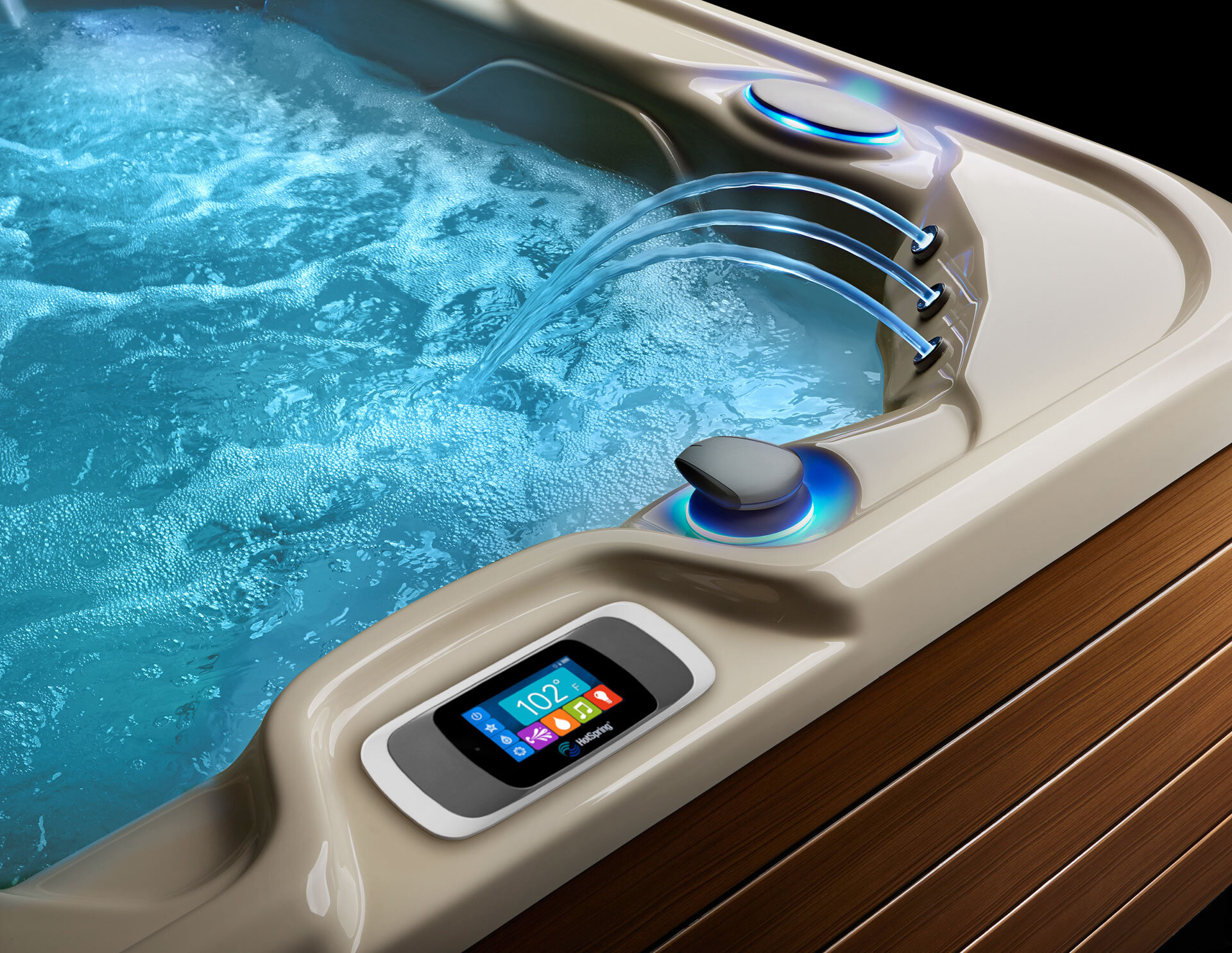
Modern hot tubs are equipped with intuitive digital thermostats and user interfaces that provide precise control over temperature settings. Gone are the days of imprecise mechanical dials; contemporary systems feature clear LCD or LED displays, often with capacitive touch controls, allowing users to set their desired temperature to the exact degree. These interfaces also provide critical feedback, displaying the current water temperature, operational status of the heater, and diagnostic codes. Advanced control panels can feature lockout functions to prevent accidental temperature changes, especially important for households with children, and offer programming capabilities for automated heating cycles, further integrating the hot tub into a technologically managed lifestyle.
Insulation Technology for Heat Retention
Maintaining a “good” temperature is as much about preventing heat loss as it is about generating heat. State-of-the-art hot tubs leverage sophisticated insulation technologies to ensure thermal efficiency. This includes full-foam insulation, where the cabinet cavity is completely filled with high-density polyurethane foam, minimizing convection and conduction heat loss. Multi-layer acrylic shells, reinforced with vinyl ester and fiberglass, also contribute to thermal retention by creating an effective barrier. Furthermore, custom-fitted, high-density thermal covers play a critical role, forming a seal over the spa to prevent evaporative heat loss, which is the most significant source of energy drain. These combined technologies drastically reduce the energy required to maintain the set temperature, making the hot tub more cost-effective and environmentally friendly.
Smart Hot Tubs: Intelligent Temperature Management
The advent of smart home technology has profoundly impacted hot tub design, transforming them into intelligent appliances capable of advanced temperature management. These innovations offer unprecedented convenience, efficiency, and integration.
Remote Monitoring and App Control
Many contemporary hot tubs are equipped with Wi-Fi modules, enabling connectivity to a dedicated smartphone or tablet application. This allows users to remotely monitor the water temperature from anywhere, adjust settings, and even activate jets or lighting systems before they arrive home. For those who travel or have unpredictable schedules, the ability to initiate heating cycles remotely ensures the hot tub is at the perfect “good” temperature precisely when desired, eliminating waiting times and optimizing energy use by preventing unnecessary continuous heating when not in use.
Predictive Heating and Energy Optimization
Beyond simple remote control, smart hot tubs are beginning to incorporate predictive analytics. These systems can learn user patterns, such as typical usage times and preferred temperatures. Coupled with external data like local weather forecasts and electricity tariff schedules, the hot tub’s control system can intelligently anticipate heating needs. For instance, it might initiate heating during off-peak energy hours to reach the desired temperature by a projected usage time, thereby leveraging cheaper electricity and reducing operational costs. Advanced algorithms can optimize heating cycles to minimize energy spikes and maintain thermal stability with the least amount of energy input.
Integration with Smart Home Ecosystems
The most advanced smart hot tubs are designed to integrate seamlessly with broader smart home ecosystems, such as Amazon Alexa, Google Home, or Apple HomeKit. This allows for voice-activated commands to adjust temperature settings or check the hot tub’s status. Integration can extend to automating routines, where the hot tub begins heating when other smart devices indicate an occupant is returning home. This level of connectivity not only enhances user convenience but also positions the hot tub as a sophisticated component within a fully interconnected and intelligent living environment.
Energy Efficiency and Operational Costs: A Tech Perspective
While initial purchase cost is financial, the ongoing operational costs, particularly energy consumption for heating, are directly managed and mitigated by specific technological advancements. Understanding these technologies is key to optimizing energy efficiency.
Variable Speed Pumps and Heater Efficiency
Traditional hot tubs often use single-speed pumps that run at full power, consuming significant energy. Modern designs increasingly feature variable speed pumps (VSPs) which can operate at multiple speeds, drastically reducing energy consumption, especially during filtration and heating cycles. A VSP can circulate water at a lower, more energy-efficient speed for longer durations, improving filtration and allowing the heater to operate more effectively without excessive energy draw. Furthermore, advancements in heater design, such as high-efficiency titanium elements and the emerging integration of hot tub-specific heat pump technology, significantly improve the conversion of electrical energy into thermal energy, lowering ongoing costs.
Data Analytics for Usage and Energy Consumption
Smart hot tub platforms provide users with invaluable data analytics regarding their usage patterns and corresponding energy consumption. Through companion apps, owners can access historical data on temperature settings, heating cycles, and kilowatt-hour (kWh) usage. This empirical data empowers users to make informed decisions about their hot tub operation. They can identify periods of high energy consumption, understand the impact of different temperature settings on their electricity bill, and fine-tune their usage habits to maximize efficiency without compromising on the desired “good” temperature experience. This transparency is a direct result of embedded sensors and cloud-based data processing.
Off-Peak Heating Strategies
One of the most effective technological strategies for managing operational costs related to temperature is the implementation of off-peak heating. Many utility providers offer tiered electricity rates, with lower costs during certain off-peak hours (e.g., late night or early morning). Smart hot tub controls can be programmed to prioritize heating during these cheaper periods. The system heats the water to the desired “good” temperature when electricity is less expensive, then leverages the hot tub’s superior insulation to maintain that temperature throughout peak demand hours, minimizing reliance on expensive electricity. This intelligent scheduling, facilitated by advanced control boards, directly translates into significant savings on energy bills.
Safety Protocols and Technological Safeguards
Beyond comfort and efficiency, technology plays a critical role in ensuring the safe operation of a hot tub, particularly concerning water temperature. Robust safety protocols are embedded within the control systems to prevent overheating and potential hazards.
Over-Temperature Protection Systems
Every modern hot tub incorporates multiple layers of over-temperature protection. This includes redundant temperature sensors that constantly cross-reference readings, ensuring accuracy. In the event of a primary sensor failure or an uncontrolled heating scenario, high-limit switches act as a fail-safe, automatically cutting power to the heating element if the water temperature exceeds a predetermined safe threshold (typically around 108°F or 42°C). These systems are hardwired to critical components and are independent of the main software, providing an essential physical safeguard against scalding temperatures and potential equipment damage.
Automated Shutdowns and Error Diagnostics
Advanced hot tub control systems are designed to monitor not only temperature but also other critical operational parameters. For instance, flow switches or pressure sensors detect insufficient water flow through the heater, which could lead to element burnout or localized overheating. Similarly, low water level sensors prevent heaters from operating when submersed, averting damage. If any of these conditions are met, the system will initiate an automated shutdown of the heater and often the entire spa, displaying specific error codes on the control panel. These diagnostics are invaluable for troubleshooting and preventing serious damage or unsafe conditions, demonstrating technology’s role in proactive safety management.
Water Quality Sensors Interacting with Temperature
While primarily focused on chemistry, some high-end hot tubs feature integrated water quality sensors (e.g., for pH, ORP/Redox). While not directly controlling temperature, these systems can interact with the main control board to ensure overall bather safety. For example, extreme temperatures can affect the efficacy of sanitizers or influence pH levels. In the future, or in very advanced systems, these sensors might trigger alerts or recommend adjustments (e.g., lower temperature if chemical levels are imbalanced) to maintain a safe bathing environment where temperature and chemistry are synergistically managed for optimal safety. Currently, they primarily ensure that the environment where temperature is maintained is chemically safe.
Future Trends in Hot Tub Temperature Management
The evolution of hot tub technology is ongoing, promising even more sophisticated approaches to temperature management that will further enhance user experience, efficiency, and sustainability.
AI-Driven Personalization
The next frontier in hot tub temperature control is likely to involve AI-driven personalization. Imagine a hot tub that learns not just your schedule, but also your personal physiological responses and preferences over time. AI algorithms could factor in external elements like the current air temperature, humidity, and even integrate with wearable health devices to adjust the water temperature to your absolute optimal comfort level before you even step in. This predictive and adaptive approach would move beyond simple user settings to truly personalized thermal experiences.
Advanced Materials for Thermal Efficiency
Ongoing research into advanced materials will continue to revolutionize thermal efficiency. This includes the development of thinner, more effective insulation materials, possibly incorporating aerogels or phase-change materials (PCMs) directly into the hot tub shell or plumbing. PCMs can store and release thermal energy as they change phase, effectively buffering temperature fluctuations and further reducing the energy demands of the heating system. These material innovations will contribute to even lower operational costs and better heat retention.

Sustainable Energy Integration
The future of hot tub temperature management will inevitably embrace more sustainable energy sources. Direct integration with rooftop solar thermal collectors for pre-heating water, or coupling with geothermal heat pump systems, will become more common. Furthermore, advancements in battery storage technology could allow hot tubs to store excess renewable energy generated during the day for heating needs at night, drastically reducing reliance on conventional grid electricity and moving towards a truly self-sufficient and environmentally friendly operation.
aViewFromTheCave is a participant in the Amazon Services LLC Associates Program, an affiliate advertising program designed to provide a means for sites to earn advertising fees by advertising and linking to Amazon.com. Amazon, the Amazon logo, AmazonSupply, and the AmazonSupply logo are trademarks of Amazon.com, Inc. or its affiliates. As an Amazon Associate we earn affiliate commissions from qualifying purchases.