
The decision to purchase a vehicle is often intertwined with securing a car loan, and one of the most critical aspects of that loan is its duration, or “term.” Far from being a mere number, the length of your car loan profoundly impacts your monthly budget, the total cost of the vehicle, and your overall financial well-being. In an era where vehicle prices continue to climb, understanding how loan terms work and how to choose the right one has become more important than ever for smart personal finance management. This comprehensive guide will delve into the intricacies of car loan lengths, exploring the financial trade-offs, the factors that influence your ideal term, and strategic approaches to managing this significant financial commitment.

Understanding Car Loan Terms: The Basics
Before we dissect the pros and cons, let’s establish a foundational understanding of what a car loan term entails and the common durations you’ll encounter in the market.
What is a Car Loan Term?
A car loan term refers to the period over which you agree to repay the borrowed amount, plus interest, to the lender. It is typically expressed in months. For example, a 60-month loan means you will make 60 equal monthly payments until the principal and interest are fully satisfied. The term is a crucial component of your loan agreement, directly influencing the size of your monthly payments and the total amount of interest you will pay over the life of the loan. It’s a balancing act: a shorter term usually means higher monthly payments but less interest overall, while a longer term offers lower monthly payments but accrues more interest over time.
Common Loan Durations in the Market
While car loan terms can vary, certain durations have become standard in the automotive financing landscape. Historically, 36-month (3-year) and 48-month (4-year) loans were very common. However, as vehicle prices have risen, lenders and consumers have increasingly opted for longer terms to make monthly payments more manageable.
Today, the most prevalent car loan terms include:
- 36 months (3 years): Often seen as an aggressive, financially disciplined choice.
- 48 months (4 years): A good middle ground for many.
- 60 months (5 years): Arguably the most common loan term, balancing affordability with reasonable interest costs.
- 72 months (6 years): Increasingly popular, especially for new vehicles, to reduce monthly payments.
- 84 months (7 years): Once rare, these extended terms are now offered by many lenders, primarily for new, expensive vehicles, to drastically lower the monthly outlay.
- 96 months (8 years): While less common, some lenders even offer terms up to 96 months, pushing the boundaries of traditional car financing.
The availability of these terms can depend on various factors, including the lender, your credit score, the age of the vehicle (new vs. used), and the amount being financed. Understanding these common durations is the first step in assessing what might be suitable for your financial situation.
The Financial Trade-Offs: Short vs. Long Loan Terms
The choice between a short and a long car loan term is a fundamental personal finance decision that carries significant implications for your budget, your wealth-building potential, and your long-term financial stability. Each option presents a distinct set of advantages and disadvantages that warrant careful consideration.
The Allure and Burden of Shorter Loan Terms
The Allure:
Shorter loan terms, typically 36 or 48 months, are often lauded by financial experts for their efficiency and cost-effectiveness. The primary benefit is a substantially lower total interest paid over the life of the loan. Because you are paying off the principal balance more quickly, there’s less time for interest to accrue, saving you hundreds or even thousands of dollars. Furthermore, a shorter term means you achieve car ownership faster, freeing up a significant portion of your monthly budget for other financial goals, such as saving, investing, or paying down other debts. You also build equity in your vehicle more rapidly, reducing the risk of being “upside down” or having negative equity, where you owe more than the car is worth. This accelerated equity build-up provides greater flexibility if you decide to sell or trade in your car before the loan is fully paid off.
The Burden:
The main drawback of a shorter loan term is the higher monthly payment. By compressing the repayment into a shorter period, each installment naturally becomes larger. This can strain your monthly budget, especially if your income is tight or unpredictable. For some, the higher payment might push them towards a less expensive vehicle than they initially desired, or it might simply be unaffordable, making shorter terms inaccessible to a segment of the population. It demands a stronger immediate financial commitment.
The Accessibility and Pitfalls of Longer Loan Terms
The Accessibility:
Longer loan terms, ranging from 72 to 84 months (and occasionally 96 months), have become increasingly popular due to their primary advantage: lower monthly payments. By spreading the repayment over an extended period, each individual payment is reduced, making more expensive vehicles seem more affordable and fitting comfortably within tighter budgets. This accessibility allows many individuals to purchase newer, safer, or more feature-rich vehicles that might otherwise be out of reach with a shorter loan term. It offers immediate budgetary relief and flexibility.
The Pitfalls:
The convenience of lower monthly payments comes at a significant cost in the long run. The most glaring pitfall is the substantially higher total interest paid. The longer your loan term, the more time interest has to accrue, meaning you could end up paying thousands more than the vehicle’s sticker price. For instance, a $30,000 loan at 6% interest over 60 months might cost you about $4,749 in interest, while the same loan over 84 months could cost over $6,700—a difference of nearly $2,000.
Another critical concern is the increased risk of negative equity. Cars depreciate rapidly, especially in the first few years. With a longer loan term, your principal balance decreases slowly, meaning the car’s value often depreciates faster than you pay off the loan. This can leave you owing more on the car than it’s worth, which becomes problematic if the car is totaled, stolen, or if you wish to sell or trade it in before the loan is complete. You might have to pay out of pocket to cover the difference or roll the negative equity into a new loan, perpetuating a cycle of debt. Furthermore, a longer loan term means you’ll be in debt for a longer period, potentially delaying other financial milestones like saving for a home, retirement, or educational expenses. It also increases the likelihood that you’ll need significant repairs on the vehicle while still making payments, especially as warranties expire.
The Impact of Interest Rates and APR
Beyond the loan term, the Annual Percentage Rate (APR) is the other critical variable. The APR encompasses the interest rate plus any other fees associated with the loan, representing the true annual cost of borrowing. A lower APR, even on a longer term, can sometimes result in less total interest paid than a shorter term with a significantly higher APR. However, this is rarely the case, as lenders typically offer better rates for shorter, less risky loans. Always compare the total cost of the loan (principal + total interest) across different term and APR combinations using an amortization schedule.
Factors Influencing Your Ideal Loan Length
Choosing the optimal car loan length isn’t a one-size-fits-all decision; it depends heavily on your individual financial circumstances, your financial goals, and the characteristics of the vehicle you intend to purchase.
Monthly Budget and Affordability

Your monthly budget is perhaps the most immediate and tangible factor. It dictates what you can realistically afford to pay each month without compromising other essential expenses or financial goals.
- Income Stability: A stable, predictable income might allow you to comfortably manage higher monthly payments associated with a shorter loan term.
- Other Debts: If you have significant existing debts (mortgage, student loans, credit card debt), a lower car payment from a longer term might be necessary to avoid overextending yourself.
- Financial Goals: Consider how the monthly payment impacts your ability to save for retirement, a down payment on a home, or other investments. A lower car payment might free up funds for these goals, but remember the increased total interest cost.
A general rule of thumb is that your total car-related expenses (payment, insurance, fuel, maintenance) should not exceed 10-15% of your net income.
Vehicle Depreciation and Negative Equity
Vehicle depreciation is the rate at which a car loses value over time. Most cars lose a significant portion of their value in the first few years.
- Risk of Negative Equity: As discussed, longer loan terms increase the likelihood of owing more than the car is worth, especially in the early years. This “upside-down” situation can create a financial trap, making it difficult to sell or trade in the car without incurring a loss or rolling negative equity into a new loan.
- Resale Value: If you plan to trade in or sell your car frequently (e.g., every 3-5 years), a shorter loan term aligns better with depreciation curves, helping you maintain positive equity and avoid financial penalties.
Your Credit Profile and Down Payment
These two factors significantly influence the interest rate you’ll be offered and, consequently, the total cost of your loan regardless of its length.
- Credit Score: A strong credit score (typically 700+) qualifies you for the lowest interest rates, making both short and long terms more affordable in terms of interest. A lower credit score will result in higher interest rates, magnifying the total interest paid on longer terms.
- Down Payment: A larger down payment reduces the principal amount you need to borrow. This not only lowers your monthly payments but also reduces the total interest paid and helps you build equity faster, mitigating the risk of negative equity, particularly valuable on longer terms. Aim for at least 10-20% down, if possible.
New vs. Used Vehicle Considerations
The type of vehicle you purchase also plays a role in loan term selection.
- New Cars: Tend to be more expensive and depreciate faster in the initial years. While longer terms might seem appealing for new cars due to lower monthly payments, they exacerbate the negative equity risk. Shorter terms, while having higher payments, help to outpace depreciation and build equity faster.
- Used Cars: Typically have lower price tags, which might make shorter loan terms more manageable. However, older used cars can sometimes come with higher interest rates and a greater risk of unexpected repairs, making the overall cost of ownership potentially higher even with a shorter term. Lenders might also impose stricter term limits on older used vehicles (e.g., an 8-year-old car might only qualify for a 36-month loan).
Strategic Approaches to Managing Your Car Loan
Once you’ve navigated the complexities of choosing a loan term, effective management strategies can further optimize your financial outcome and accelerate your path to debt freedom.
Leveraging Online Calculators for Informed Decisions
Before you even step into a dealership, utilizing online car loan calculators is an indispensable financial tool. These calculators allow you to:
- Compare different loan terms: Input various loan durations (e.g., 60, 72, 84 months) with a given principal and interest rate to see the corresponding monthly payments and total interest paid.
- Assess the impact of down payments: See how a larger down payment reduces your monthly payment and overall interest.
- Understand total cost: Focus not just on the monthly payment, but on the true total cost of the vehicle including all interest.
This preliminary research empowers you with data-driven insights, enabling you to negotiate more effectively and choose a loan that genuinely fits your financial plan, rather than being swayed by an attractive but ultimately costly low monthly payment.
The Power of Extra Payments and Refinancing
Even after securing your loan, you’re not locked into its original structure entirely.
- Making Extra Payments: If your financial situation improves, consider making additional payments towards your principal. Even small, consistent extra payments can significantly reduce the total interest paid and shorten the life of your loan. Check your loan agreement for any prepayment penalties, though these are rare in consumer car loans.
- Refinancing: If interest rates drop, your credit score improves, or your financial situation changes, refinancing your car loan can be a powerful strategy. Refinancing allows you to replace your existing loan with a new one, potentially with a lower interest rate, a shorter term (to save on interest), or even a longer term (to reduce monthly payments in a pinch). Be cautious with extending the term through refinancing, as it could increase your total interest paid, even with a lower APR.
When a Longer Term Might Be Justified (and When to Reconsider)
While generally advised against, there are specific, limited scenarios where a longer loan term might be justifiable:
- Temporary Cash Flow Issue: If you face a temporary, verifiable cash flow crunch but anticipate a significant income increase soon (e.g., a promotion or bonus), a longer term might provide necessary immediate relief. However, in such cases, it’s crucial to plan to refinance or make aggressive extra payments as soon as your finances stabilize.
- Opportunity Cost: If the money saved on lower monthly payments from a longer term is consistently and actively invested in assets that yield a significantly higher return than your car loan’s interest rate, it could theoretically be a net positive. This is an advanced financial strategy and not suitable for most individuals, as it requires strong financial discipline and market understanding.
When to Reconsider a Longer Term:
- No Plan for Accelerated Payment: If you choose a longer term solely for the lower payment without a concrete plan to pay it off faster, you are likely falling into the trap of paying excessive interest.
- High Interest Rate: A longer term combined with a high interest rate is a recipe for substantial financial loss due to interest accrual.
- Frequent Car Upgrades: If you tend to swap vehicles every few years, a long loan term almost guarantees negative equity when you go to trade in.
Making an Informed Decision for Your Financial Future
The length of your car loan is not just a logistical detail; it is a profound financial choice that echoes throughout your personal budget for years. Navigating this decision with foresight and financial acumen is paramount to ensuring your vehicle purchase aligns with your broader financial health.
Prioritizing Total Cost Over Monthly Payment
The most common mistake consumers make is focusing exclusively on the monthly payment. While affordability is critical, a seemingly low monthly payment can mask a much higher total cost due to extended interest accrual over a longer term. Always ask for the total interest paid and the overall cost of the vehicle under different loan term scenarios. A truly informed decision prioritizes minimizing the total cost of ownership while maintaining a manageable monthly outlay. Leverage the tools and strategies discussed to achieve this balance.
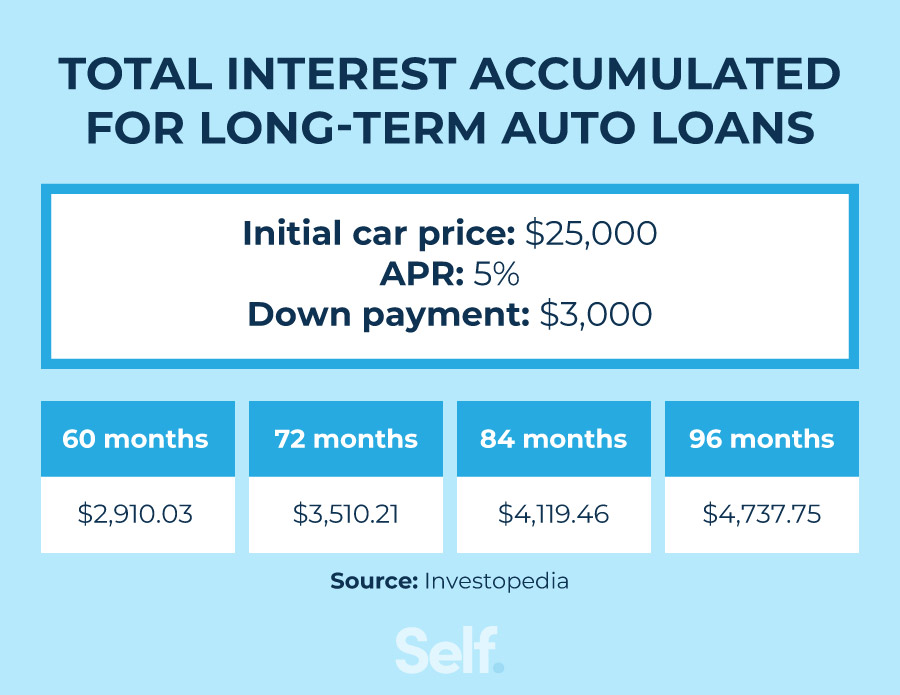
The Long-Term Financial Implications
Consider the long-term ripple effects of your decision. A shorter loan term, though demanding higher initial payments, frees up your cash flow sooner, allowing you to allocate those funds towards wealth-building activities like investing, saving for a down payment on a home, or accelerating other debt repayment. This ultimately contributes to a stronger financial foundation and earlier financial independence. Conversely, a prolonged car loan can hinder these aspirations, keeping you in debt longer and eroding your wealth through unnecessary interest payments.
Ultimately, the best car loan length for you is one that balances immediate affordability with long-term financial prudence. It’s a term that allows you to comfortably manage your monthly budget without sacrificing thousands of dollars in avoidable interest, thereby accelerating your journey towards financial freedom. By understanding the dynamics of loan terms, leveraging financial tools, and adopting strategic management approaches, you can transform the often-daunting process of car financing into a strategic step towards a more secure financial future.
aViewFromTheCave is a participant in the Amazon Services LLC Associates Program, an affiliate advertising program designed to provide a means for sites to earn advertising fees by advertising and linking to Amazon.com. Amazon, the Amazon logo, AmazonSupply, and the AmazonSupply logo are trademarks of Amazon.com, Inc. or its affiliates. As an Amazon Associate we earn affiliate commissions from qualifying purchases.