
In the vast and intricate ecosystem of competitive Pokémon battling, understanding type matchups is the fundamental cornerstone of victory. For trainers looking to optimize their team compositions and navigate the complex web of strengths and weaknesses, the Bug type presents a fascinating case study. Often misunderstood and frequently undervalued, the Bug type is a defensive minefield that requires precision and foresight to manage effectively. To master the game, one must first understand exactly where this typing falters.
The Tactical Fragility of Bug Types
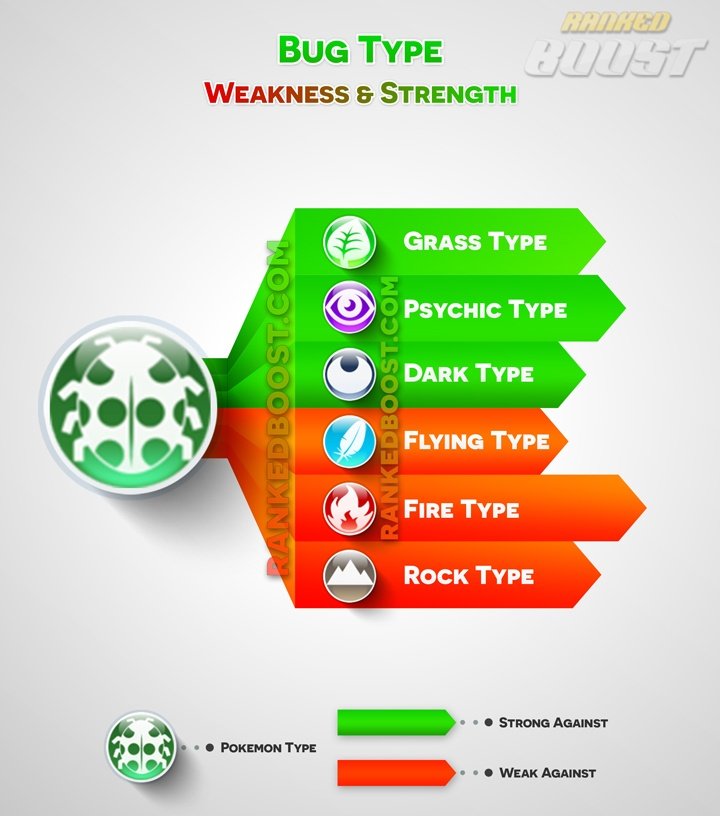
At its core, the Bug type is defined by a specific set of elemental vulnerabilities. While Bug-type Pokémon are often prized for their high Speed stats, early evolution curves, or unique ability pools, they suffer from a significant defensive deficit. Specifically, Bug-type Pokémon are weak to three distinct elemental categories: Fire, Flying, and Rock.
The Scorching Threat of Fire
Fire-type moves represent the most common and often the most devastating threat to Bug-type Pokémon. Because many Bug types dwell in forests or rely on organic, chitinous exteriors, the thematic logic of the game places them at an immediate disadvantage against flame-based attacks. In competitive play, a single Flamethrower or Fire Blast is frequently enough to secure a one-hit knockout (OHKO) against even the bulkiest Bug types. Trainers must be acutely aware of this, as Fire coverage is ubiquitous among non-Fire-type attackers, meaning that an opponent’s neutral Pokémon might still carry a hidden fire move designed to counter your Bug-type core.
The Aerial Advantage: Flying Types
Flying-type moves exploit the agility and stature of Bug types. The inherent “predator-prey” relationship modeled in the game mechanics dictates that aerial attackers dominate these ground-dwelling or crawling creatures. Moves like Hurricane, Brave Bird, or even the utility move Acrobatics pose severe risks. Because many Bug types are also dual-typed (such as Bug/Grass or Bug/Poison), they may occasionally pick up additional weaknesses, but the core Flying-type vulnerability remains constant.
The Sturdiness of Rock
Rock-type moves are perhaps the most punishing for Bug types. Attacks like Rock Slide or Stone Edge benefit from high base power and, crucially, a high critical hit ratio in many iterations of the game. Because Bug types rarely possess the defensive bulk to withstand a super-effective Rock hit, these moves often serve as the primary “sweeper” deterrent for Bug-type users. Unlike Fire, which is often a special attack, Rock-type threats are frequently physical, forcing Bug types to contend with their usually lower physical Defense stats.
Mitigating Vulnerabilities Through Team Synergy
Knowing that a Pokémon is weak to Fire, Flying, and Rock is only half the battle. A professional trainer looks at these weaknesses not as insurmountable hurdles, but as components of a balanced defensive core. If your team is heavily invested in Bug types, your primary objective becomes the construction of a “pivot” strategy.
Identifying Defensive Cores
To protect a Bug type, you must pair it with partners that resist the types that threaten it. For example, a Water-type Pokémon is an excellent partner for a Bug type because it resists both Fire and Rock-type moves. By keeping a Water type in your reserve, you can proactively switch out your Bug type when you anticipate an incoming Flamethrower or Stone Edge, effectively neutralizing the opponent’s momentum.

Utilizing Held Items and Abilities
Modern competitive formats allow for a variety of tools to patch up defensive holes. Items such as the Focus Sash are frequently given to Bug-type sweepers. The Focus Sash ensures that the Pokémon survives one hit that would have otherwise knocked it out, provided the Pokémon is at full health. This is vital for Bug types like Scizor, Volcarona, or Pinsir, which rely on setting up or landing a single, high-damage attack to shift the tide of battle. Furthermore, abilities like “Flash Fire” on a teammate or “Thick Fat” can act as indirect shields, creating a synergy that obscures your team’s inherent vulnerabilities.
The Role of Typing in Modern Meta-Game Trends
The utility of the Bug type has evolved significantly over the generations. While early iterations of the game relegated them to early-game fodder, modern meta-games have introduced Bug types with incredible versatility. However, with this power comes the necessity of knowing how to position them in a landscape dominated by diverse coverage moves.
The Danger of Coverage Moves
One of the most difficult aspects of navigating Bug-type weaknesses is the prevalence of “coverage.” A top-tier competitive player will rarely run a Pokémon with only moves of its own type. Instead, they run “coverage” moves—non-STAB (Same Type Attack Bonus) moves designed to hit specific counters. A trainer using a Fighting-type Pokémon will almost always pack a Rock-type move specifically to counter Flying and Bug types. Understanding that your opponent is likely carrying these “anti-Bug” tools is what separates an amateur from a professional. When you see a high-threat opponent on the field, assume they have the coverage to hit your Bug type super-effectively, even if their base typing does not suggest it.
Playing Around Stealth Rock
Perhaps the most overlooked factor in the “Bug type weakness” discussion is the presence of Entry Hazards, specifically Stealth Rock. Because many Bug-type Pokémon are also Flying-type (such as Butterfree, Scyther, or Yanmega), they take massive damage—often up to 50% of their total HP—the moment they switch into a field affected by Stealth Rock. This mechanical reality makes these Pokémon extremely high-risk. To run a Bug/Flying type effectively, a trainer is essentially forced to include a “Hazard Remover” like a Pokémon with Rapid Spin or Defog. Without this utility, the Bug-type’s weaknesses are amplified exponentially by the battlefield itself.
Strategic Outlook: When to Use the Bug Type
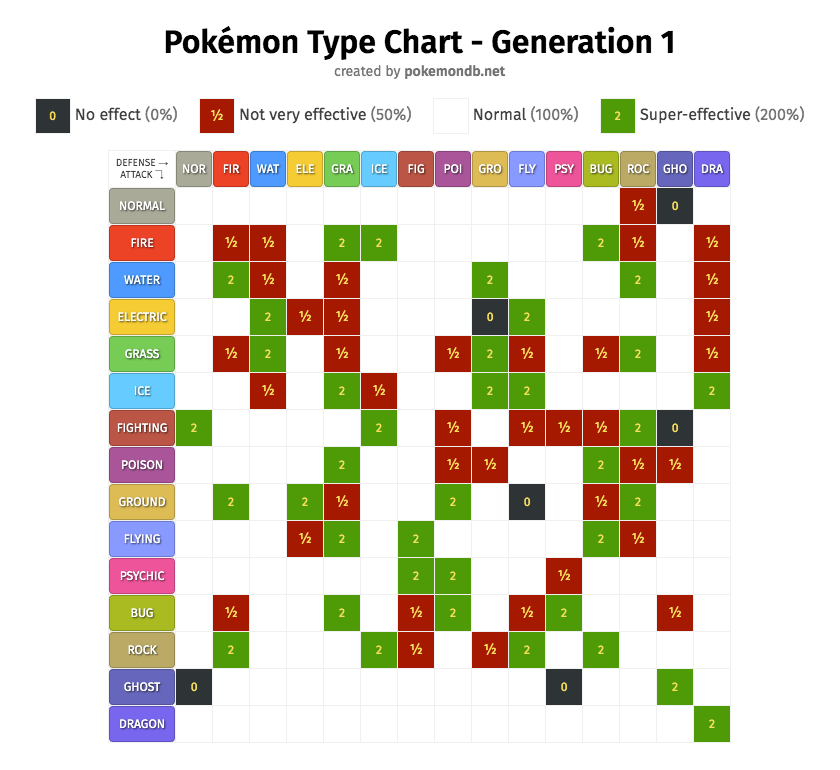
Despite their glaring weaknesses, Bug types possess unique offensive advantages that make them indispensable in specific roles. Bug-type moves are super-effective against Psychic, Dark, and Grass types. This offensive coverage is highly sought after, particularly against teams that rely on bulky Psychic or Dark-type defensive walls.
The Glass Cannon Archetype
Many Bug types function as “Glass Cannons.” They are designed to come in, land a massive hit, and potentially go down shortly after. In this playstyle, the weaknesses to Fire, Flying, and Rock are mitigated by the fact that the Pokémon is not intended to stay on the field for long. By focusing on Speed and Attack stats, these Bug types can eliminate key threats on the opposing team before the opponent has a chance to exploit their defensive fragility.
The Set-Up Sweeper
Pokémon like Volcarona represent the pinnacle of Bug-type potential. By utilizing moves like Quiver Dance, these Pokémon can boost their stats to levels that allow them to survive hits they would otherwise succumb to. When piloting such a high-stakes Pokémon, the player must be a master of timing. You must bait the opponent into using a move that your Bug type resists or is immune to, or ensure that the threats to your Bug type—the Fire, Flying, and Rock attackers—are removed from the field before bringing your sweeper into the fray.
In summary, the Bug type’s weaknesses are significant, but they are predictable. By respecting the danger posed by Fire, Flying, and Rock, and by building a team structure that accounts for these vulnerabilities through pivot mechanics, hazard removal, and clever item usage, a trainer can transform a “weak” typing into a formidable force. Victory in the world of Pokémon is rarely about having the Pokémon with the fewest weaknesses; it is about knowing exactly where those weaknesses lie and ensuring that your opponent never gets the opportunity to exploit them.
aViewFromTheCave is a participant in the Amazon Services LLC Associates Program, an affiliate advertising program designed to provide a means for sites to earn advertising fees by advertising and linking to Amazon.com. Amazon, the Amazon logo, AmazonSupply, and the AmazonSupply logo are trademarks of Amazon.com, Inc. or its affiliates. As an Amazon Associate we earn affiliate commissions from qualifying purchases.