
Embarking on an international adventure is an exciting prospect, but the journey often begins long before you pack your bags – it starts with the strategic purchase of your plane ticket. For many, the cost of airfare represents a significant portion of their travel budget, making the “when” of buying an international flight a critical financial decision. This isn’t just about finding a cheap ticket; it’s about making an intelligent investment in your travel experience, ensuring you get the best value for your hard-earned money.
The landscape of airline pricing is notoriously complex, influenced by a myriad of factors from global events and fuel costs to dynamic demand algorithms and airline marketing strategies. Navigating this labyrinth requires more than just luck; it demands a blend of insight, patience, and the application of proven financial strategies. Understanding the optimal timing to click “buy” can mean the difference between significant savings and overpaying for the exact same seat. This comprehensive guide will dissect the art and science of securing international airfare, empowering you with the knowledge to make financially astute booking decisions for your next global escapade.
The Golden Window: General Rules for International Flights
While there’s no single magic number that guarantees the lowest price every single time, extensive data analysis and industry insights reveal consistent patterns regarding the optimal booking window for international air travel. Adhering to these general rules of thumb can significantly increase your chances of securing a financially favorable deal.
The Sweet Spot for Savings
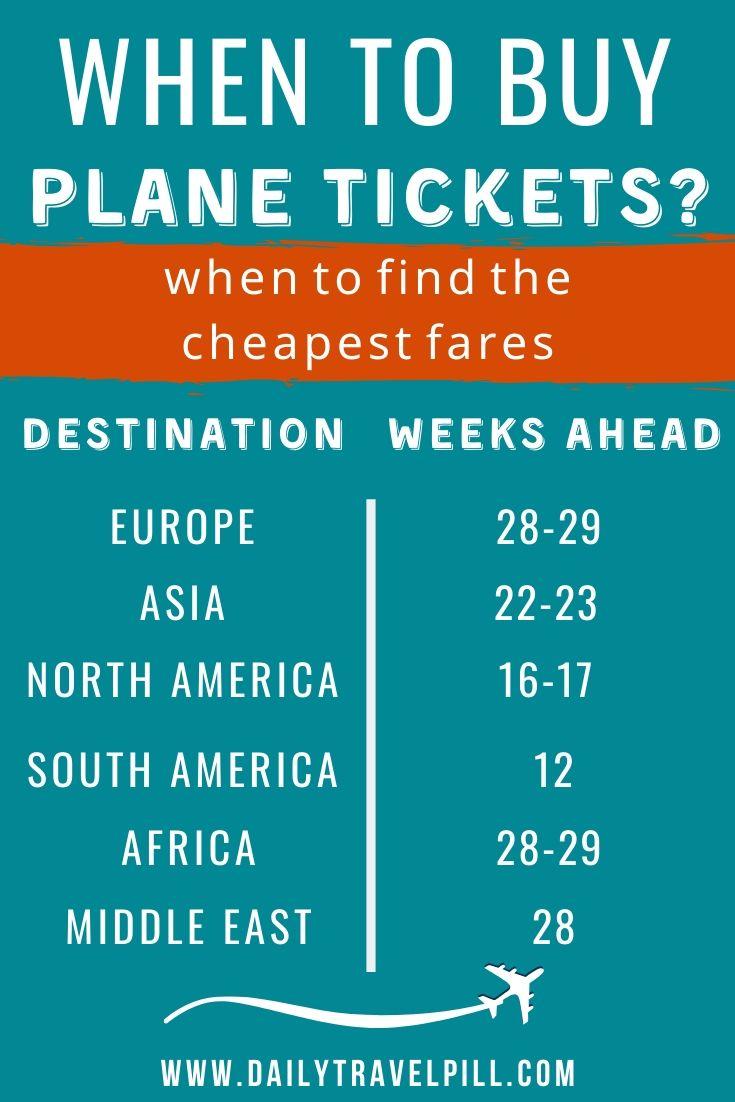
For international flights, the consensus among travel experts and financial analysts is that the sweet spot for booking typically falls between 2 to 8 months in advance of your departure date. This wide window allows you to capitalize on early bird fares before demand surges, but also gives airlines enough time to adjust prices based on initial booking trends and competitor actions. Within this period, you are likely to see a balance between availability and competitive pricing. Booking too early (e.g., a year out) might mean paying higher initial fares before airlines have solidified their pricing strategies and adjusted for market competition. Conversely, booking too late (e.g., within two months of departure) almost invariably leads to inflated prices as seats become scarcer and demand consolidates. The absolute peak for savings often hovers around 3 to 5 months out for many popular international routes, but this can fluctuate based on destination and season.
Why Timing is Crucial for Your Budget
Timing isn’t just about snatching a good deal; it’s about strategic budgeting. By understanding and leveraging the optimal booking window, you gain several financial advantages. Firstly, it allows you to allocate more of your budget towards experiences at your destination rather than on the journey itself. Secondly, purchasing tickets within this golden window offers peace of mind, eliminating the last-minute stress and the inevitable premium associated with it. From a financial planning perspective, knowing roughly when you’ll need to purchase your tickets allows you to save and budget effectively, integrating the travel expense into your overall financial roadmap without unexpected shocks. It transforms the ticket purchase from a reactive expense into a proactive, well-managed investment.
Myth vs. Reality: Debunking Common Beliefs
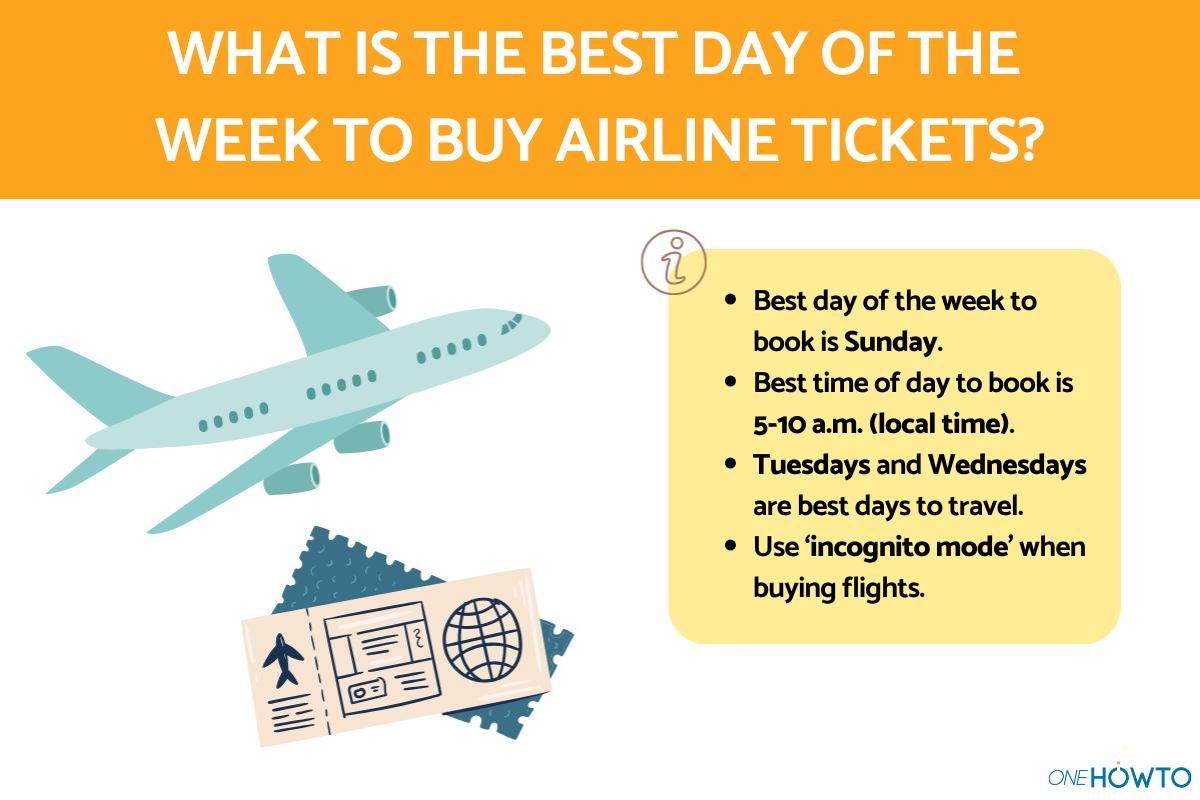
The internet is rife with myths about flight booking – from the “Tuesday booking myth” to the idea that last-minute deals are always the best. Let’s set the record straight from a financial perspective. While some minor fluctuations exist throughout the week, consistently significant savings by booking on a specific day are largely a myth for international travel. Airlines use sophisticated dynamic pricing models that respond to real-time demand, not just the day of the week. Similarly, the belief in abundant last-minute deals for international flights is largely unfounded. While some domestic routes might offer occasional last-minute discounts to fill seats, international flights rarely see this due to higher demand, visa requirements, and the logistics involved. For international travel, the financial reality is that flexibility and early planning almost always yield better financial results than hoping for a spontaneous bargain.
Factors Influencing International Ticket Prices
Beyond the general booking window, several intricate factors play a significant role in determining the final price of an international plane ticket. Understanding these influences is key to making informed financial decisions and predicting price movements.
Seasonality and Major Holidays
This is arguably the most impactful factor on international airfare. Traveling during peak season – such as summer in Europe, winter holidays, or major festivals (e.g., Chinese New Year, Diwali, Carnival) – will almost always result in significantly higher prices. This is a pure supply-and-demand economic principle: when everyone wants to travel, prices go up. Conversely, traveling during the “shoulder seasons” (just before or after peak) or the true off-season can lead to substantial savings. For instance, visiting Europe in April-May or September-October typically offers pleasant weather with lower airfares and fewer crowds compared to July-August. Strategic financial planning involves aligning your travel dates with these less expensive periods whenever possible.
Destination Specifics and Demand
The popularity and accessibility of your destination also heavily influence prices. High-demand routes to major global hubs or popular tourist destinations tend to maintain higher price floors, especially during peak travel times. Routes with less competition (fewer airlines flying direct) may also command higher prices. Conversely, destinations served by multiple airlines or those experiencing a dip in tourist interest might offer more competitive pricing. Geopolitical stability, major events (like the Olympics or World Cup), and even exchange rates can temporarily sway demand and, consequently, ticket prices for specific regions.
The Impact of Days of the Week and Time of Day
While the “Tuesday booking myth” is largely debunked for international flights, the actual travel day does have a significant impact on pricing. Flying on weekdays, particularly Tuesday, Wednesday, and Thursday, is often cheaper than flying on weekends (Friday, Saturday, Sunday) when business travelers and weekend leisure seekers drive up demand. Similarly, red-eye flights or flights with inconvenient departure/arrival times can sometimes be less expensive because they are less desirable. From a financial perspective, being flexible with your travel dates, even by a day or two, can unlock noticeable savings on your airfare.
Airline Strategies and Dynamic Pricing
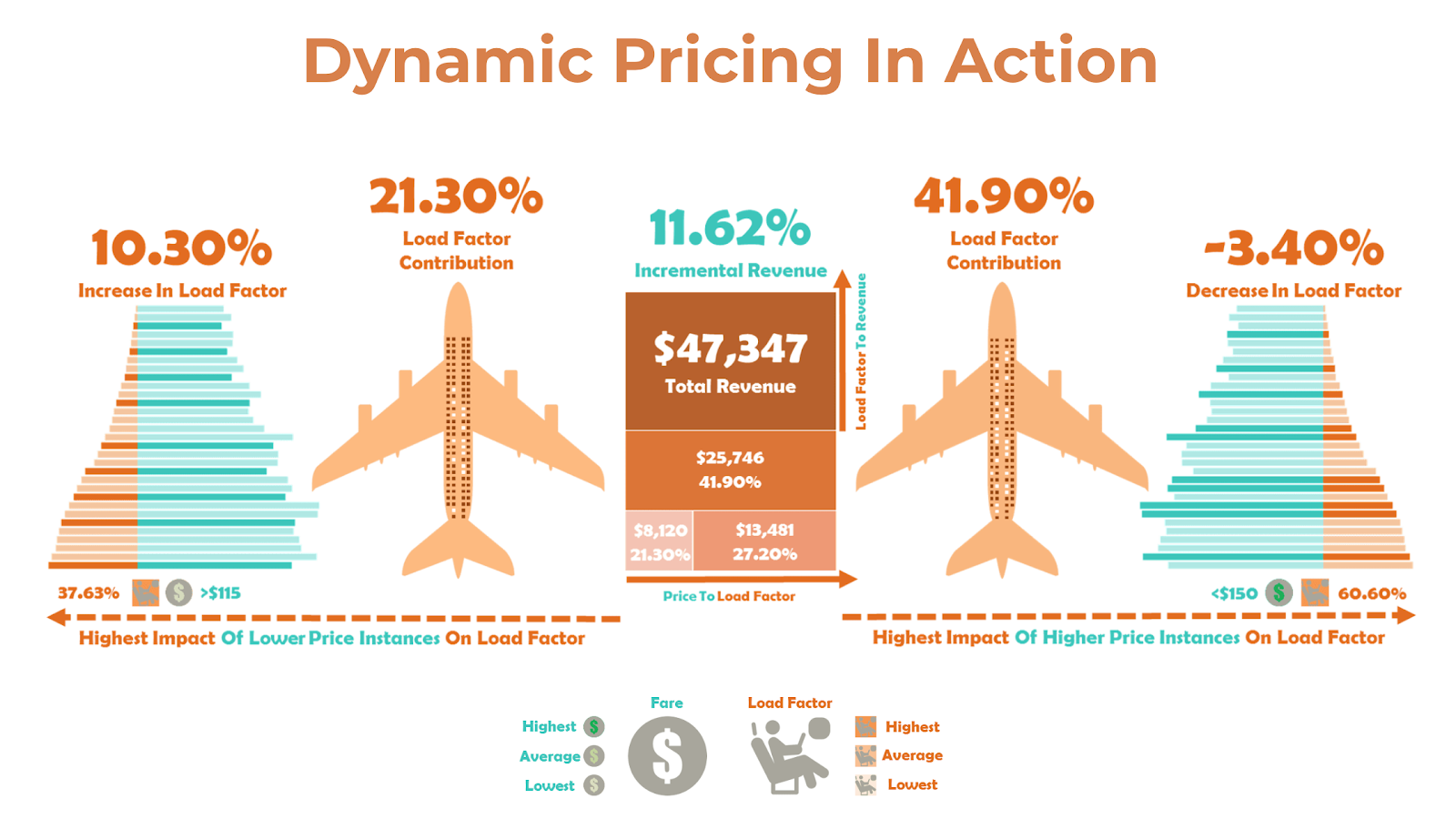
Airlines employ sophisticated dynamic pricing algorithms that adjust ticket prices constantly, sometimes multiple times a day. These algorithms consider a vast array of data points: historical booking trends, competitor pricing, remaining seat inventory in different fare classes, fuel costs, passenger demand, and even the time of day you are searching. They are designed to maximize revenue, meaning prices can fluctuate wildly based on real-time market conditions. This dynamic environment necessitates strategic monitoring and timely action from the financially savvy traveler. Waiting too long might mean missing out on a specific fare class, leading to a jump in price for the same seat.
Advanced Strategies for Savvy International Travelers
Beyond the basic timing and understanding of influencing factors, there are several advanced financial strategies and tools that can give you an edge in securing the best international flight deals.
Leveraging Price Alerts and Tracking Tools
One of the most effective ways to manage the dynamic pricing environment is to automate your search. Services like Google Flights, Skyscanner, Hopper, and Kayak offer price alert features. By setting up alerts for your desired route and dates, you receive notifications when prices drop or are predicted to rise. This eliminates the need for constant manual checking and ensures you’re informed of potential savings opportunities as they arise, allowing you to act quickly when a good deal appears. This is a crucial financial tool for monitoring volatile market conditions without dedicating excessive personal time.
The Power of Flexible Dates and Airports
Financial flexibility is a traveler’s best friend. If your schedule allows, using “flexible date” search functions (e.g., on Google Flights or Skyscanner) to view prices across an entire month can reveal significantly cheaper departure or return days. Sometimes, shifting your trip by just a few days can save hundreds of dollars. Similarly, considering alternative or secondary airports within a reasonable proximity of your origin or destination can unlock substantial savings. Flying into a smaller airport near a major city, or even flying to a different major city and taking a regional train or bus, can often be a more cost-effective strategy. Always calculate the total cost, including ground transportation, to ensure it’s truly a financial benefit.
Considering Budget Airlines and Stopovers
While major carriers offer convenience, budget airlines have expanded their international networks, especially for flights within continents like Europe or Asia, and increasingly across the Atlantic. These airlines often offer significantly lower base fares, though it’s crucial to factor in additional costs for baggage, seat selection, and meals when comparing total prices. Furthermore, opting for flights with one or more layovers instead of direct flights can often result in considerable savings. While it adds travel time, the financial benefit can be substantial, especially for long-haul international routes. This trade-off between time and money is a common calculation for financially prudent travelers.
Utilizing Incognito Mode and VPNs
There’s a persistent belief that airlines track your search history and raise prices for routes you’ve repeatedly viewed. While direct evidence of this “dynamic pricing based on personal browsing” is anecdotal and debated, clearing your browser’s cookies, using incognito/private browsing mode, or even using a VPN to search from a different geographical location can sometimes yield different prices. The theory is that prices might vary based on the perceived purchasing power or market conditions of different regions. While not a guaranteed saving, it’s a simple, free financial hack worth trying, especially for high-value purchases like international airfare.
Avoiding Common Pitfalls and Maximizing Your Savings
Even with the best strategies, certain missteps can lead to unnecessary expenses. Being aware of these pitfalls is crucial for safeguarding your travel budget.
Don’t Wait Until the Last Minute
As reiterated, the “last-minute deal” for international travel is largely a myth. Waiting until the final weeks or days before departure almost guarantees you’ll pay a premium. Airlines raise prices significantly as departure approaches and seats become scarce. This puts undue financial pressure on your travel budget and limits your options. Prioritizing early booking within the golden window is the cornerstone of financially savvy international travel.
Beware of Peak Season Surges
While attractive, traveling during peak season requires meticulous financial planning. If your dates are fixed to a popular holiday period, expect to pay significantly more. To mitigate this, book even earlier than the standard golden window – often 6-10 months in advance for exceptionally high-demand periods like Christmas or the summer Olympics. Alternatively, consider adjusting your travel by even a few days to just outside the absolute peak dates.
Understanding Refund and Change Policies
Before committing to a ticket, always scrutinize the airline’s refund and change policies. Basic economy fares, common on international routes, often come with strict no-change/no-refund clauses or prohibitively expensive change fees. While these fares might appear cheaper upfront, the lack of flexibility can become a significant financial liability if your plans unexpectedly change. Consider whether a slightly higher-priced fare with more flexibility offers better overall financial security. Travel insurance can also be a wise investment to protect against unforeseen circumstances.
Budgeting Beyond the Ticket Price
Remember that the plane ticket is just one component of your travel budget. Smart financial planning extends to considering baggage fees, seat selection charges, in-flight meals, visa costs, ground transportation to/from airports, and potential currency exchange fees. Factor these “hidden” costs into your overall budget to avoid financial surprises and ensure an accurate reflection of your total travel expenditure.
The Future of Flight Booking: What’s Next?
The travel industry, particularly airline pricing, is constantly evolving. Future trends driven by technological advancements and shifting consumer behavior will continue to influence when and how we book international plane tickets.
AI and Predictive Analytics
Artificial intelligence and advanced predictive analytics are becoming even more sophisticated. Expect even more precise price predictions and personalized recommendations based on your browsing history, travel patterns, and demographic data. While potentially leading to more tailored deals, it also means airlines will be even better at optimizing their revenue.
Subscription Models and Loyalty Programs
We might see an expansion of subscription-based models or enhanced loyalty programs offering guaranteed price freezes, exclusive discounts, or unlimited flights on specific routes for a recurring fee. For frequent international travelers, these could offer significant long-term financial benefits.
The Evolving Landscape of Airfare
As sustainability concerns grow, carbon taxes or new green surcharges might influence ticket prices. Furthermore, the rise of remote work could lead to more flexible travel patterns, potentially smoothing out some of the traditional peak season demand spikes and offering new booking opportunities.
Ultimately, the best time to buy an international plane ticket is a dynamic target, but by arming yourself with financial insight, understanding market dynamics, and leveraging available tools, you can confidently navigate the complexities and ensure your next global adventure begins with a financially smart purchase.
aViewFromTheCave is a participant in the Amazon Services LLC Associates Program, an affiliate advertising program designed to provide a means for sites to earn advertising fees by advertising and linking to Amazon.com. Amazon, the Amazon logo, AmazonSupply, and the AmazonSupply logo are trademarks of Amazon.com, Inc. or its affiliates. As an Amazon Associate we earn affiliate commissions from qualifying purchases.