
In an increasingly cashless society, the humble coin often finds itself overlooked, relegated to forgotten corners of dresser drawers, car cup holders, or overflowing piggy banks. Yet, these accumulating bits of metal represent real, spendable cash. For many, the question isn’t whether to convert this physical hoard, but where and how to do it most efficiently, without losing a significant chunk to fees or sacrificing too much time. This article delves into the various avenues available for cashing in your change, offering a comprehensive guide to maximizing its value and integrating these small sums back into your financial flow.
The Ubiquity of Change: Why Every Coin Counts
Loose change is an inescapable reality of daily transactions. From the exact amount needed for a vending machine to the handful returned from a cash purchase, coins steadily accumulate. While individually small, their collective power can be surprisingly significant, often adding up to hundreds of dollars over time. Recognizing this hidden potential is the first step toward better personal finance management.
The Hidden Treasure in Your Jar
Consider the average household: a jar of pennies, nickels, dimes, and quarters can easily hold anywhere from $20 to $100. Over a year, this could be significantly more. This isn’t just “found money”; it’s money that has already been earned and is simply awaiting its reintegration into your active funds. For some, this accumulated change might cover a small utility bill, a week’s worth of groceries, or contribute to a savings goal. The sheer volume often becomes a physical burden, prompting the need for conversion.
The Financial Imperative to Convert
Leaving large sums of money in coin form means it’s not working for you. It’s not earning interest, it’s not readily available for online purchases, and it’s not contributing to your investment portfolio. Furthermore, the longer it sits unused, the greater the opportunity cost. Converting change isn’t just about convenience; it’s about reclaiming liquidity and putting your entire earned income to work, whether for spending, saving, or investing. Understanding your options for conversion is therefore a key aspect of basic financial literacy.
Traditional Avenues for Coin Conversion
When contemplating where to cash in change, two primary options often come to mind: your local financial institution and automated coin-counting machines. Each presents a unique set of advantages and disadvantages, particularly concerning convenience and cost.
Your Bank or Credit Union: The Fee-Free Option
For many, the most straightforward and often most cost-effective method is to take your change directly to your bank or credit union. As a member, this service is typically offered free of charge, ensuring you retain 100% of your accumulated value.
Pros: No Fees, Full Value, and Security
The most significant advantage of using your bank or credit union is the complete absence of fees. Unlike third-party services, your financial institution is generally happy to facilitate the deposit of your change into your existing account or to exchange it for paper currency. This means every penny, nickel, dime, and quarter contributes its full face value to your bottom line. Moreover, interacting directly with your bank provides a secure and trusted environment for handling your money.
Cons: Requires Sorting/Rolling and Branch Hours
The main drawback of this method typically lies in the preparation required. Many banks, especially for larger quantities, prefer or even mandate that coins be sorted and rolled into paper wrappers. While these wrappers are usually available for free at the bank or for a nominal cost at office supply stores, the process of manually sorting and rolling hundreds or thousands of coins can be time-consuming and tedious. Some branches may have coin-counting machines for members, but this isn’t universally available, and even then, there might be limits or specific hours. Furthermore, you are restricted by the bank’s operating hours, which may not always align with your schedule. Policies can also vary significantly from one institution to another, so it’s always wise to call ahead and inquire about their specific requirements for coin deposits.
Automated Coin Counting Machines (e.g., Coinstar)
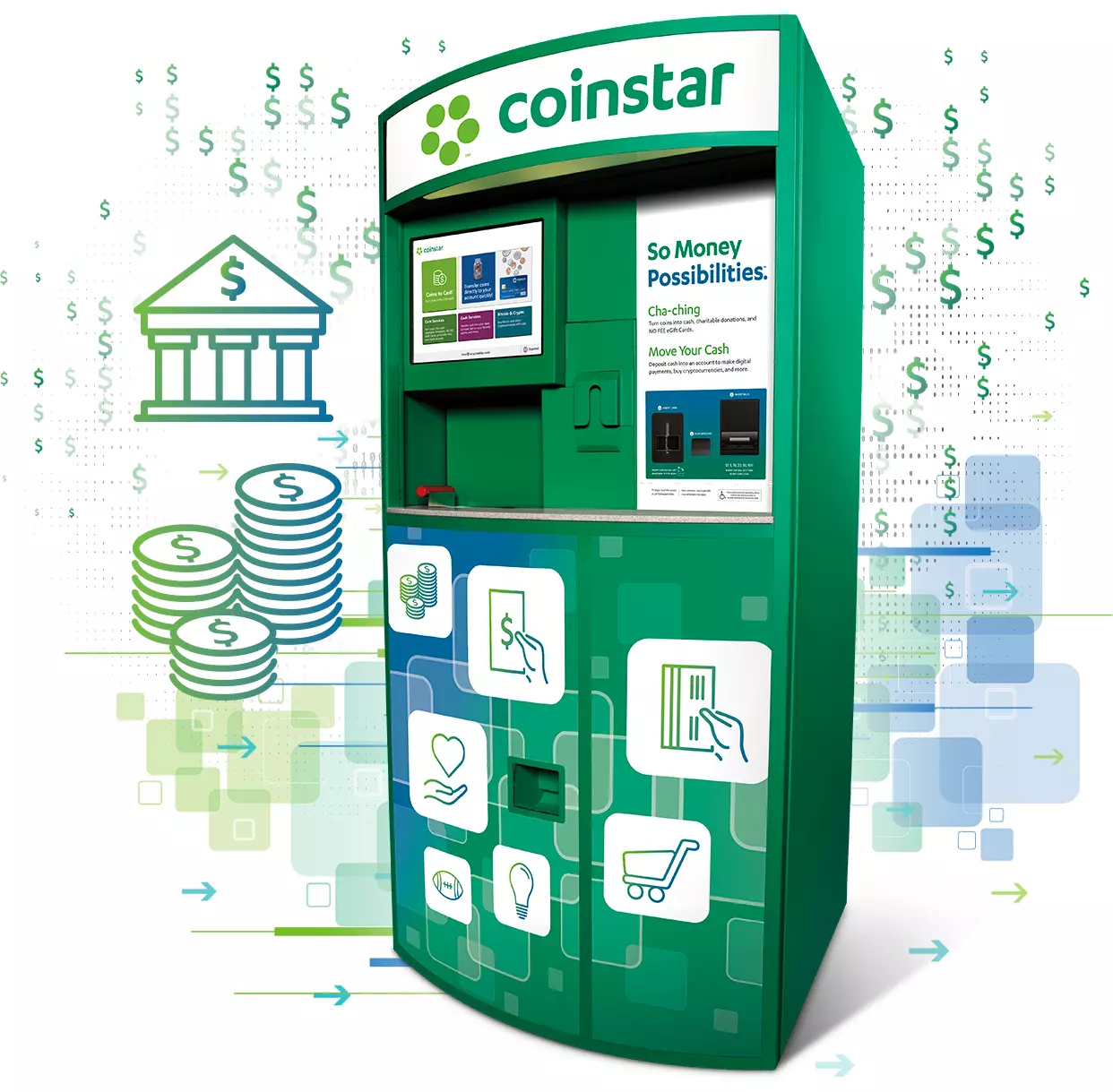
Coinstar kiosks are perhaps the most recognizable and widespread solution for quick coin conversion. Found in numerous grocery stores, pharmacies, and large retailers, these bright green machines offer unparalleled convenience for those looking to offload their change instantly.
Pros: Convenience, Speed, and Widespread Availability
The primary appeal of Coinstar and similar machines is their convenience. You simply dump your unsorted change into the machine’s tray, and it does all the work of counting and separating. The process is remarkably fast, often taking only a few minutes even for substantial amounts of change. Their ubiquity in easily accessible retail locations means you can usually find one nearby, integrating the task seamlessly into a regular shopping trip. For those who prioritize speed and minimal effort, these machines are a clear winner.
Cons: Transaction Fees and Gift Card Conversion Options
The convenience of automated coin counters comes at a price. Coinstar, for example, typically charges a service fee that can be anywhere from 10% to 12% of the total amount. This means that if you cash in $100 in change, you could lose $10 to $12 in fees, receiving only $88 to $90 back. While this might be acceptable for smaller amounts or for those who value convenience above all else, it’s a significant deduction.
However, Coinstar offers an alternative that bypasses the fee: converting your change directly into a gift card for various retailers (e.g., Amazon, Starbucks, iTunes). If you frequently shop at one of the participating stores, this can be an excellent way to get full value for your change, as the fee is waived. It’s essentially trading cash for store credit, which can be a savvy financial move if the gift card aligns with your planned spending.
Alternative and Modern Solutions for Your Loose Change
Beyond traditional banks and automated kiosks, several other methods exist for converting your change, ranging from direct spending to charitable giving. These options provide flexibility, catering to different priorities, whether it’s avoiding fees, immediate utility, or philanthropic impact.
Direct Payment at Retailers: A Practical Approach
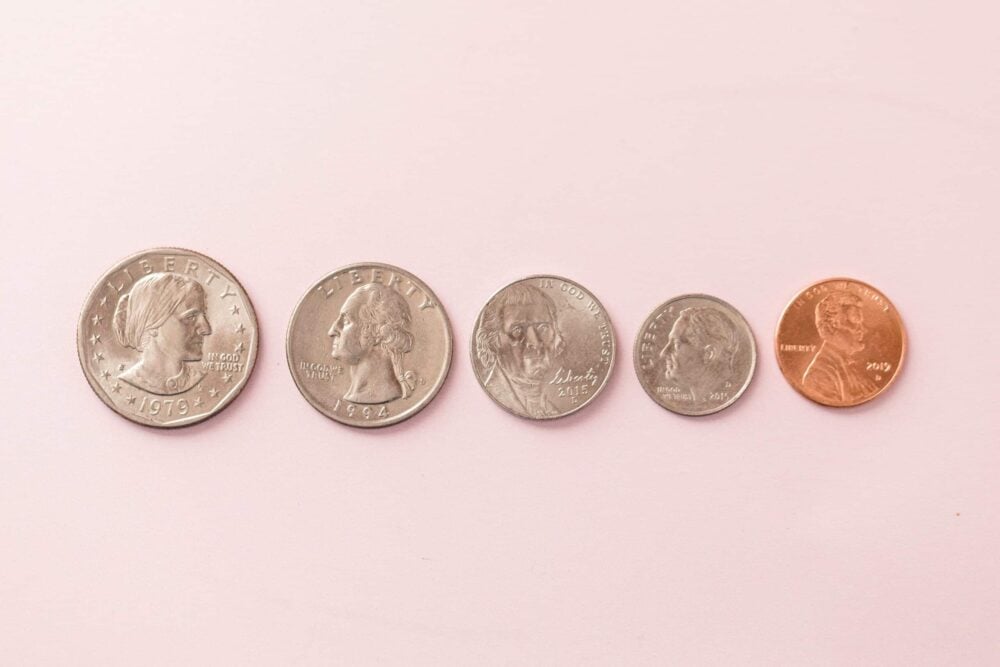
One of the simplest ways to “cash in” your change is to use it directly as payment for purchases. Many retailers, particularly grocery stores and superstores, are perfectly willing to accept coins, especially when using self-checkout machines.
Benefits: No Fees, Immediate Use of Funds
This method incurs no fees whatsoever, ensuring you retain the full value of your coins. It’s also incredibly direct: your change immediately reduces the total cost of your purchase. Using change for small everyday items like coffee, snacks, or part of a larger grocery bill is an effective way to gradually deplete your coin stash without extra effort or cost. Many self-checkout machines are designed to accept multiple coin types and amounts, making the process relatively quick and painless.
Drawbacks: Can Be Cumbersome for Large Amounts
While effective for smaller, regular amounts, attempting to pay for a large purchase with a gallon jug full of mixed change can be cumbersome and impractical, both for you and for the checkout line behind you. It’s generally best suited for emptying out smaller amounts periodically rather than for a massive coin conversion. Some smaller stores might also prefer not to handle excessive amounts of change due to limited till space or processing time.
Gifting and Giving: Cashing In for Charity
If your priority isn’t maximizing monetary return but rather making a positive impact, donating your change to charity is an excellent option. This isn’t just about philanthropy; it’s a way to “cash in” your change for a good cause, providing tangible benefits beyond your own wallet.
Benefits: Philanthropic Impact and Potential Tax Deductions
Many charities, both local and national, have collection boxes for loose change. Dropping your coins into these containers directly contributes to their mission. This method offers the satisfaction of knowing your otherwise dormant money is going to help others. For significant donations, and depending on your local tax laws, you might even be eligible for a tax deduction, making it a financially savvy form of giving. Hospitals, animal shelters, schools, and various non-profits often welcome coin donations.
Considerations: No Direct Monetary Return
The obvious drawback here is that you won’t receive cash or credit back for your personal use. However, for those who find the conversion process a hassle or whose coin amounts are relatively small, the benefit of contributing to a cause they care about often outweighs the desire for a direct monetary return. It transforms a nuisance into an act of generosity.
Maximizing Your Return: Tips and Considerations
Converting your change isn’t just about finding a location; it’s also about making smart choices to ensure you get the most value for your efforts. Understanding the subtle nuances of each method can significantly impact your final take-home amount.
Understanding Fees and Hidden Costs
The most critical factor in maximizing your return is minimizing fees. As discussed, automated kiosks charge a percentage fee unless you opt for a gift card. Banks generally offer a fee-free service for members, though non-members might face charges or outright refusal. Always be aware of the exact percentage or flat fee being charged before committing your change. A quick calculation can reveal if the convenience is truly worth the cost. For example, losing $10 on a $100 conversion means you’re effectively giving up 10% of your money. Over time, these small percentages can add up.
The Value of Preparation: Sorting and Rolling
While tedious, sorting and rolling your coins for a bank deposit is the most reliable way to avoid fees. You invest your time instead of your money. Consider it a small side hustle where you earn the full value of your change by doing a bit of manual labor. You can make this task more enjoyable by listening to music or a podcast. For very large amounts, you might break it up into several sessions or recruit family members to help. Many find the process of seeing the stacks grow to be quite satisfying, reinforcing the value of saving.
Weighing Convenience Against Cost
Ultimately, the best method for you will depend on your personal priorities.
- If cost is paramount: Your bank or credit union (with sorting/rolling) is the undisputed champion.
- If convenience is paramount: Automated coin counters like Coinstar offer unmatched ease, but come with a fee. Using change for direct payment is also highly convenient for smaller amounts.
- If purpose is paramount: Donating to charity allows your change to make a difference, with no direct monetary return but immense personal satisfaction.
Take a moment to assess the value of your time versus the potential fees. For $10 in change, a 10% fee is only $1; hardly worth the trip to the bank and the effort of rolling. For $200 in change, a $20 fee might make you reconsider.
Beyond Conversion: Strategic Approaches to Small Change
While the immediate goal is often to convert loose change into spendable currency, adopting a more strategic approach to how you handle small denominations can have broader positive impacts on your personal finance habits.
Saving and Investing Small Amounts
Instead of letting change accumulate haphazardly, consider purposefully saving it. Dedicated “change jars” can become mini-savings accounts for specific goals, like a vacation fund, an emergency buffer, or a down payment for a small purchase. Furthermore, with the advent of “round-up” apps offered by many fintech companies, the concept of investing small amounts has become mainstream. These apps link to your debit or credit card and automatically round up purchases to the nearest dollar, investing the difference. While not directly cashing in physical change, this demonstrates the power of consistently saving and investing small, seemingly insignificant amounts. Your loose change, if consistently saved, could be the foundation for an emergency fund or a small investment.
The Habit of Saving: Building Financial Discipline
Regularly gathering and cashing in your change can instill a valuable financial habit: paying attention to every dollar, no matter how small. It reinforces the idea that all money has value and that consistent, small actions can lead to significant results over time. This micro-level attention to detail can spill over into other areas of your financial life, encouraging better budgeting, more conscious spending, and a greater awareness of your overall financial health. Viewing your change not as an inconvenience but as a tangible asset waiting to be deployed is a subtle yet powerful shift in financial mindset.
In conclusion, turning your loose change into spendable currency is a straightforward task with multiple viable options. By understanding the costs, benefits, and practicalities of each method—from fee-free bank deposits to convenient automated kiosks, direct retail payments, or charitable donations—you can make an informed decision that aligns with your financial goals and personal preferences. Don’t let your coins gather dust; unlock their value and put them back to work for you.
aViewFromTheCave is a participant in the Amazon Services LLC Associates Program, an affiliate advertising program designed to provide a means for sites to earn advertising fees by advertising and linking to Amazon.com. Amazon, the Amazon logo, AmazonSupply, and the AmazonSupply logo are trademarks of Amazon.com, Inc. or its affiliates. As an Amazon Associate we earn affiliate commissions from qualifying purchases.