
Understanding the intricacies of fiduciary duty is paramount in the financial and business world. At its core, a fiduciary duty represents the highest standard of care imposed by law, obligating one party—the fiduciary—to act solely in the best interests of another party—the beneficiary or principal. When this sacred trust is violated, it constitutes a breach of fiduciary duty, carrying significant financial, legal, and reputational ramifications. This concept underpins much of how capital is managed, businesses are governed, and financial advice is dispensed, making its comprehension crucial for investors, business owners, and financial professionals alike.
Understanding the Foundation: What is a Fiduciary Duty?
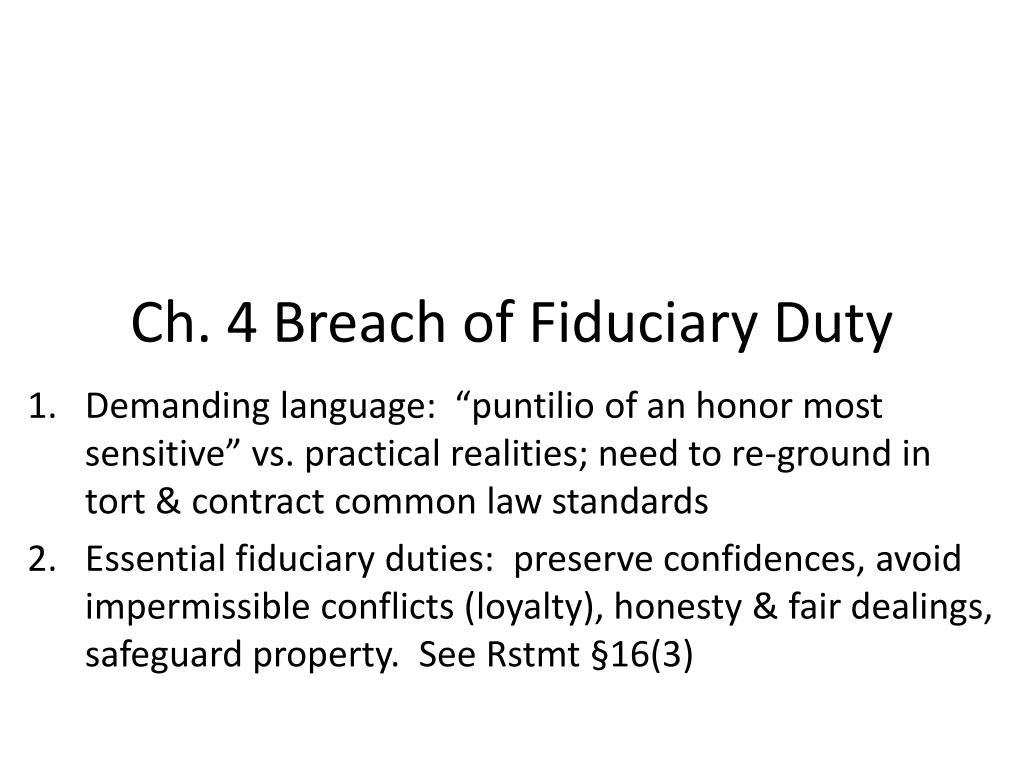
A fiduciary duty arises when one party places trust and confidence in another, and the latter accepts that trust, thereby undertaking to act primarily for the former’s benefit. This relationship is not merely contractual; it implies a moral and legal obligation that transcends standard commercial dealings. Fiduciaries are held to an elevated standard, requiring them to prioritize the interests of their beneficiaries above their own.
Key Characteristics of a Fiduciary Relationship
Several hallmarks define a fiduciary relationship. Firstly, there is often an imbalance of power or expertise, where the beneficiary relies on the fiduciary’s specialized knowledge or control over assets. Secondly, the fiduciary has discretionary authority or influence over the beneficiary’s affairs or assets. Thirdly, the fiduciary’s actions can significantly impact the beneficiary’s financial well-being. This creates an inherent vulnerability for the beneficiary, which the law seeks to protect through the imposition of stringent duties. The relationship demands utmost loyalty, honesty, and good faith.
Common Examples in Finance and Business
In the financial realm, fiduciary relationships are abundant. Investment advisors, for instance, owe a fiduciary duty to their clients, requiring them to recommend investments that are genuinely in the client’s best interest, not merely suitable, and to disclose all potential conflicts of interest. Similarly, trustees manage assets for beneficiaries, with a duty to preserve and grow the trust’s assets prudently. Corporate directors and officers owe a fiduciary duty to their shareholders, requiring them to make decisions that enhance shareholder value and ensure the company’s long-term health. Attorneys, executors of estates, and even partners in a business venture often find themselves in fiduciary roles, each with specific obligations tailored to their context. The thread uniting all these roles is the unwavering commitment to the principal’s welfare over self-interest.
Identifying a Breach: Types and Manifestations
A breach of fiduciary duty occurs when a fiduciary fails to uphold these elevated standards. While the specific manifestations can vary widely depending on the nature of the relationship, common themes emerge centered around disloyalty, negligence, and self-dealing. Identifying a breach often requires a careful examination of the fiduciary’s actions, motives, and the resulting impact on the beneficiary.
Duty of Loyalty Breaches
The duty of loyalty is perhaps the most fundamental aspect of fiduciary responsibility, mandating that the fiduciary act solely for the benefit of the beneficiary, free from self-interest or competing interests. A breach occurs when the fiduciary places their own interests, or those of a third party, above the beneficiary’s. Examples include an investment advisor recommending a fund because they receive a higher commission, rather than because it is the best fit for the client’s portfolio, or a corporate director approving a transaction that benefits a company they secretly own, to the detriment of the company they serve. This type of breach directly undermines the trust inherent in the relationship.
Duty of Care Breaches
The duty of care requires a fiduciary to act with the prudence, skill, and diligence that a reasonably prudent person would exercise in similar circumstances. A breach of this duty typically involves negligence or gross negligence. This could manifest as a trustee making reckless investment decisions with trust assets, failing to adequately monitor investments, or neglecting to perform due diligence on behalf of the beneficiaries. For corporate directors, it might involve failing to reasonably inform themselves before making significant business decisions, or ignoring obvious signs of corporate misconduct. Unlike loyalty breaches, which often involve intentional self-dealing, care breaches can stem from incompetence, inattention, or a lack of proper oversight.
Duty of Good Faith Breaches
While often intertwined with loyalty, the duty of good faith emphasizes honest intent and fair dealing. A breach here involves acting with malice, dishonesty, or a lack of sincerity in carrying out fiduciary responsibilities. This could involve deliberately misleading a beneficiary about the performance of investments, concealing vital information, or engaging in deceptive practices. It speaks to the ethical dimension of the fiduciary relationship, demanding transparency and forthrightness in all dealings.
Conflict of Interest Breaches
Conflicts of interest represent a significant area for potential breaches. A fiduciary is obligated to disclose any situation where their personal interests or those of an associated party could potentially conflict with the interests of the beneficiary. Failure to disclose such conflicts, or worse, acting on them to the detriment of the beneficiary, constitutes a breach. For example, a financial advisor selling their own proprietary products when better, cheaper alternatives exist for the client, without full disclosure and informed consent, would be a classic conflict of interest breach.
Misuse of Information or Assets
Fiduciaries often have access to confidential information or direct control over assets. Misusing this information for personal gain (e.g., insider trading), or misappropriating assets (e.g., embezzlement, unauthorized transfers), are clear and severe breaches. This category encompasses acts of theft, fraud, and abuse of position, representing the most egregious violations of trust. These actions not only cause direct financial harm but also erode public confidence in financial institutions and professionals.
Financial Implications and Consequences
The fallout from a breach of fiduciary duty can be extensive, affecting both the fiduciary and the beneficiary, and often extending to broader market confidence. The consequences are designed to compensate the wronged party and deter future misconduct.

For the Fiduciary
For the individual or entity acting as the fiduciary, a breach can lead to severe financial penalties. They may be required to pay damages to compensate the beneficiary for any losses incurred due to the breach, which can include lost profits or the restoration of misappropriated assets. Punitive damages might also be awarded in cases of egregious misconduct. Beyond civil liability, certain breaches, especially those involving fraud or theft, can lead to criminal charges. Furthermore, fiduciaries often face professional disciplinary action, including the loss of licenses (e.g., for financial advisors, brokers) and expulsion from professional organizations, effectively ending their careers in regulated industries. The reputational damage can be catastrophic, making it difficult to attract new clients or maintain existing business relationships.
For the Beneficiary/Principal
The primary impact on the beneficiary is often significant financial loss. This can range from diminished investment returns, devaluation of assets, or direct depletion of funds. Recovering these losses can be a lengthy and costly legal process, even if successful. Beyond the direct financial impact, beneficiaries may experience emotional distress, particularly when the breach involves a trusted advisor or family member. The erosion of trust can have lasting psychological effects, making it difficult for individuals to engage in future financial relationships with confidence.
Regulatory Scrutiny and Reputational Damage
Breaches of fiduciary duty, especially in regulated sectors like finance, inevitably attract the attention of regulatory bodies such as the SEC, FINRA, or state securities commissions. These bodies can impose fines, mandate cease-and-desist orders, and revoke licenses, not only for the individual fiduciary but also for the firm employing them. This regulatory scrutiny can lead to costly investigations and compliance overhauls for the entire organization. Moreover, news of a breach can severely damage a firm’s or individual’s reputation, leading to a loss of client trust, market share, and investor confidence. The negative publicity can be a long-term impediment to business growth and stability, demonstrating that the cost of a breach extends far beyond immediate legal judgments.
Preventing and Addressing Breaches in a Financial Context
Given the severe repercussions, both fiduciaries and beneficiaries have a vested interest in preventing breaches and addressing them effectively when they occur. Proactive measures and clear pathways for recourse are essential for maintaining integrity in financial relationships.
Due Diligence and Transparency
For fiduciaries, maintaining rigorous due diligence in all financial dealings is non-negotiable. This includes thoroughly researching investment options, understanding client risk profiles, and consistently monitoring portfolios. Transparency is equally vital; fiduciaries must fully disclose all fees, potential conflicts of interest, and any information relevant to the beneficiary’s decision-making process. For beneficiaries, performing due diligence on potential fiduciaries (checking credentials, references, and disciplinary histories) and demanding full transparency are crucial first steps in safeguarding their interests. A clear, comprehensive understanding of the relationship’s terms and conditions from the outset can prevent many misunderstandings.
Robust Governance and Oversight
Financial institutions and businesses where fiduciary duties are common must implement robust governance structures and oversight mechanisms. This includes clear policies and procedures for managing conflicts of interest, regular internal audits, mandatory ethics training, and strong whistleblower protections. Independent board members or compliance officers play a critical role in monitoring adherence to fiduciary standards. For smaller organizations or individual fiduciaries, establishing an advisory board or seeking external compliance reviews can provide similar safeguards. These structures create accountability and help identify potential issues before they escalate into full-blown breaches.
Seeking Professional Guidance
When a breach is suspected, beneficiaries should promptly seek legal counsel specializing in fiduciary law. An experienced attorney can assess the situation, gather evidence, and advise on the best course of action, which might include negotiation, mediation, or litigation. For fiduciaries, obtaining legal advice proactively regarding complex transactions or potential conflicts can help navigate challenging situations within legal bounds. Moreover, engaging independent financial advisors or consultants can provide an unbiased perspective, ensuring that decisions are made based on sound financial principles rather than conflicting interests. Early intervention and expert guidance are key to mitigating damages and pursuing appropriate remedies.
Specific Scenarios in Finance: Investment Advisors, Trustees, and Corporate Directors
The principles of fiduciary duty manifest uniquely across different financial roles, each with specific expectations and common breach points.
Investment Advisors and Client Portfolios
Investment advisors, particularly Registered Investment Advisors (RIAs), are held to a fiduciary standard. This means they must always act in their client’s best financial interest, which goes beyond simply recommending “suitable” investments (the lower standard often applied to brokers). Breaches often involve churning accounts to generate commissions, recommending proprietary products with higher fees when comparable lower-cost options exist, failing to diversify portfolios appropriately for a client’s risk tolerance, or misrepresenting investment risks and returns. The “best interest” standard requires comprehensive understanding of the client’s financial situation, goals, and risk capacity, and advice tailored precisely to those factors.
Trustees and Trust Administration
Trustees manage assets held in a trust for the benefit of beneficiaries, often across generations. Their duties include prudent investment of trust assets, accurate record-keeping, timely distribution of income and principal according to the trust instrument, and impartiality among beneficiaries. Common breaches include making speculative or unauthorized investments, commingling trust assets with personal funds, failing to account for trust expenditures, favoring one beneficiary over others without justification, or neglecting to administer the trust diligently. The trustee’s actions must strictly adhere to the terms of the trust document and applicable law, always with the beneficiaries’ long-term welfare in mind.
Corporate Directors and Shareholder Value
Corporate directors owe fiduciary duties to the corporation and its shareholders. These duties typically include the duty of loyalty and the duty of care. Loyalty breaches can arise when directors engage in self-dealing, exploit corporate opportunities for personal gain, or approve transactions that benefit them directly or indirectly at the company’s expense. Care breaches might involve failing to adequately oversee management, ignoring red flags of financial misconduct, or making major business decisions without proper deliberation and due diligence. While the “business judgment rule” often protects directors from liability for honest mistakes, it does not shield them from breaches stemming from disloyalty, bad faith, or gross negligence that undermine shareholder value. Their ultimate responsibility is to ensure the company’s long-term prosperity and integrity.
aViewFromTheCave is a participant in the Amazon Services LLC Associates Program, an affiliate advertising program designed to provide a means for sites to earn advertising fees by advertising and linking to Amazon.com. Amazon, the Amazon logo, AmazonSupply, and the AmazonSupply logo are trademarks of Amazon.com, Inc. or its affiliates. As an Amazon Associate we earn affiliate commissions from qualifying purchases.