
In an increasingly digitized world, the way we manage, spend, and save our money has undergone a profound transformation. Traditional banking models are now complemented, and sometimes even challenged, by innovative financial technologies designed to simplify everyday transactions. Among these, peer-to-peer payment applications have emerged as indispensable tools for personal finance, offering speed, convenience, and accessibility that traditional methods often cannot match. Cash App, developed by Block, Inc., stands out as a prominent player in this space, providing millions with a versatile platform for managing their money digitally.
However, the journey into digital finance often begins with a fundamental question: how do you bridge the gap between physical currency or existing bank funds and a digital wallet like Cash App? Understanding the various methods to “put cash on Cash App” is not just a technicality; it’s a foundational step towards harnessing the full potential of this financial tool for improved personal finance management, budgeting, and even investing. This guide aims to demystify the process, offering a comprehensive and insightful look into how you can fund your Cash App account, ensuring you can leverage its features for greater financial agility and control.
The Ecosystem of Digital Wallets and Cash App’s Role
Before diving into the mechanics of funding, it’s crucial to understand Cash App’s position within the broader landscape of digital financial tools. More than just a simple payment application, Cash App has evolved into a comprehensive platform that intertwines various aspects of personal finance, from basic transactions to more advanced financial endeavors.
Understanding Cash App as a Modern Financial Tool
Cash App functions as a hybrid digital wallet and banking service, offering functionalities that extend far beyond merely sending and receiving money. Users can directly deposit paychecks, invest in stocks and Bitcoin, and even apply for a Cash Card – a customizable debit card linked directly to their Cash App balance. This integrated approach makes it a powerful contender for managing a significant portion of one’s daily finances.
Its appeal lies in its simplicity and speed. For many, Cash App is not just an alternative to traditional banking but a preferred method for quick, everyday transactions. Whether splitting a dinner bill with friends, paying for services, or receiving payments, the ease of use makes it an attractive option. However, its effectiveness as a financial tool is directly tied to the user’s ability to consistently and conveniently fund their account, making the “how-to” of adding money a critical piece of the puzzle.
Benefits for Personal Finance and Financial Inclusion
The rise of apps like Cash App significantly contributes to financial inclusion, especially for individuals who might be unbanked or underbanked. By offering a digital avenue for transactions, budgeting, and even saving, these platforms democratize access to financial services. For the average user, Cash App provides:
- Instant Transactions: Money can be sent and received almost instantly, crucial for time-sensitive payments.
- Budgeting Insights: By consolidating many transactions within one app, users can gain a clearer picture of their spending habits.
- Access to Investments: Features like stock and Bitcoin investing open doors to wealth-building for a wider audience, often with low entry barriers.
- Convenience: Managing money from a smartphone eliminates the need for physical cash or frequent bank visits for many transactions.
These benefits underscore why understanding how to effectively put cash into your Cash App is more than just a procedural step; it’s about empowering individuals with greater control over their financial lives.
Direct Funding Methods: Linking Your Existing Financial Accounts
The most common and often the most convenient way to fund your Cash App account is by linking it to your existing bank accounts or debit cards. This method leverages your established financial infrastructure to seamlessly transfer funds into your digital wallet.
Linking a Debit Card for Instant Transfers
Linking a debit card is the primary method for adding funds to Cash App for most users. It allows for quick, on-demand transfers directly from your bank account to your Cash App balance.
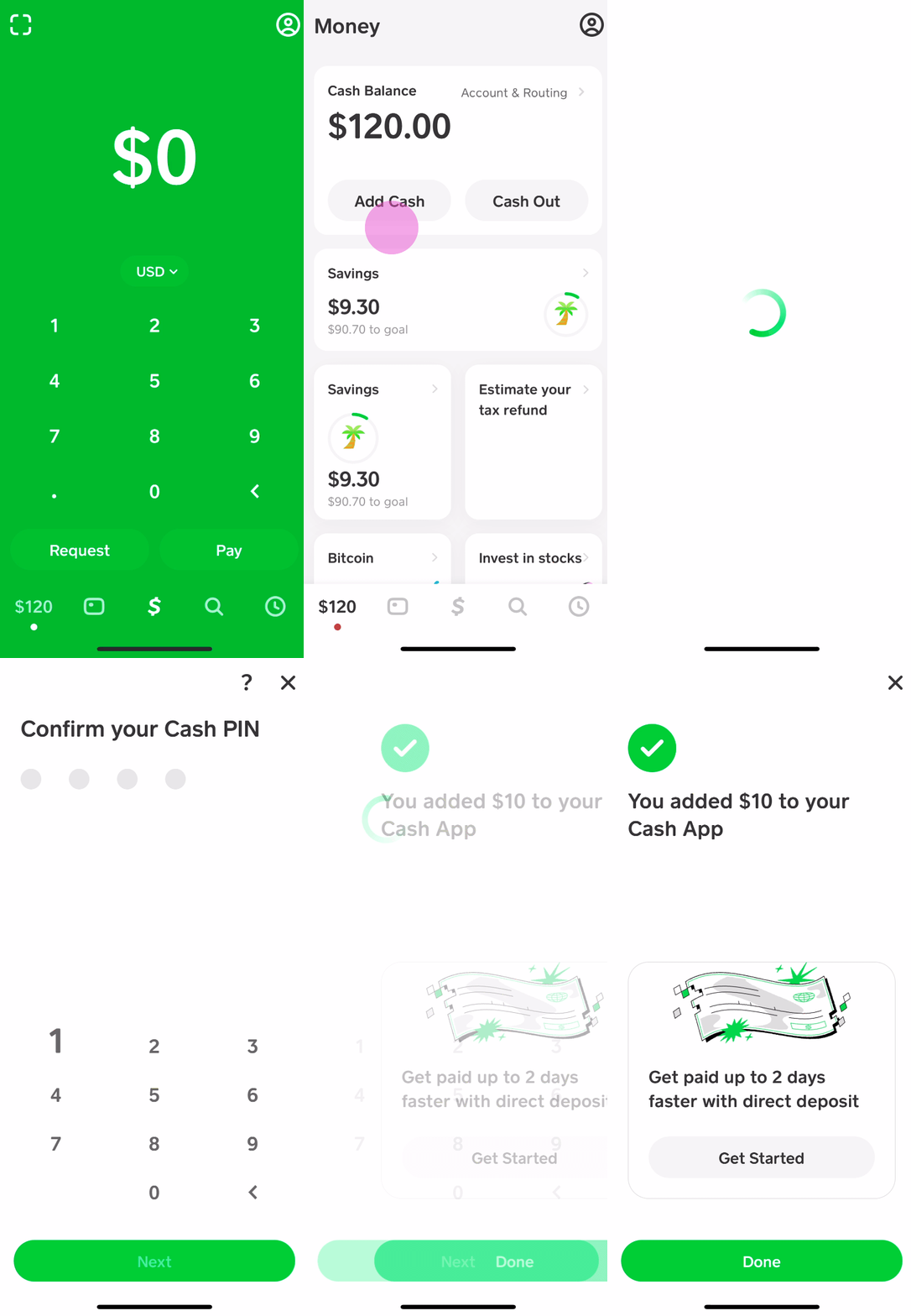
- Process: Navigate to the “Banking” or “Money” tab within the Cash App. Select “Add Cash.” You will be prompted to enter the desired amount. If you haven’t linked a debit card yet, the app will guide you through adding your card details (card number, expiration date, CVV, and zip code). Once linked, you can confirm the transfer, and the funds typically appear in your Cash App balance almost instantly.
- Limitations and Fees: While instant, debit card transfers may have daily or weekly limits imposed by Cash App or your bank. Standard transfers from a linked debit card to Cash App are usually free. However, if you opt for “Instant Deposit” from Cash App to your bank, a small fee (typically 0.5% – 1.75%) might apply. It’s crucial to distinguish between adding cash to Cash App (often free) and withdrawing cash from Cash App instantly (may incur a fee).
- Security Protocols: Cash App employs robust encryption and security measures to protect your card information. It’s still vital for users to practice good digital hygiene, such as using strong, unique passwords and enabling two-factor authentication (2FA).
Connecting a Bank Account for Larger Transactions and Direct Deposits
Beyond debit cards, linking your bank account directly offers another layer of financial integration, particularly useful for larger sums or recurring deposits.
- Process: Similar to linking a debit card, you can add a bank account by going to the “Banking” or “Money” tab and selecting “Link Bank.” You will typically be prompted to log into your online banking portal through a secure third-party service (like Plaid) to verify and link your account. This process avoids manual entry of account numbers and routing numbers, enhancing security and accuracy.
- Use Cases: Linking a bank account is essential for features like direct deposit of paychecks or government benefits directly into your Cash App. It also provides a fallback for transfers if your debit card has issues or for larger transfers where debit card limits might be restrictive.
- Benefits for Financial Planning: Setting up direct deposit turns Cash App into a more central hub for your finances, allowing you to allocate funds for specific purposes, pay bills, and manage spending directly from your primary income source. This can simplify budgeting and financial tracking significantly.
Security and Best Practices for Linked Accounts
Integrating financial accounts with any app requires vigilance. Users should:
- Regularly Monitor Transactions: Keep an eye on your Cash App activity and linked bank statements for any suspicious transactions.
- Update App Regularly: Ensure your Cash App is always updated to the latest version, which includes the newest security patches.
- Be Wary of Phishing Attempts: Never share your login credentials or personal financial information in response to unsolicited emails or messages claiming to be from Cash App. Cash App will never ask for your password, PIN, or Social Security Number via text or phone call.
Converting Physical Cash to Digital Funds
While linking digital accounts is convenient, there are times when you possess physical cash that you wish to convert into your Cash App balance. Cash App has facilitated this by partnering with various retail locations, offering a practical solution for turning tangible money into digital currency.
Cash App Paper Money Deposits at Retailers
Cash App allows users to deposit paper money directly into their accounts at participating retail stores. This feature is particularly beneficial for those who receive income in cash, prefer managing physical money, or simply need a way to move loose change into their digital wallet.

- Participating Retailers: Major retail chains such as Walmart, Walgreens, CVS, 7-Eleven, and Dollar General are often part of Cash App’s network for paper money deposits. Availability can vary by location and changes over time, so checking the Cash App map or website for current participating stores is recommended.
- How it Works: The process is straightforward:
- Open your Cash App and navigate to the “Banking” or “Money” tab.
- Tap on “Paper Money” or “Deposit Paper Money.”
- The app will show you a map of nearby participating stores. Select a store.
- At the cashier, inform them you want to add cash to your Cash App. The cashier will scan a barcode generated by your Cash App (or you might need to provide your unique Cashtag).
- Hand over the cash amount you wish to deposit. The cashier processes the transaction, and the funds are typically credited to your Cash App balance almost immediately.
- Verification: Some retailers might require a valid ID for larger cash deposits, aligning with anti-money laundering regulations.
Fees and Limits Associated with Cash Deposits
While a highly convenient feature, paper money deposits come with their own set of considerations regarding fees and limits.
- Deposit Fees: Retailers typically charge a small fee for processing paper money deposits. This fee can vary but is generally a flat rate per transaction, often around $1 to $2. It’s important to factor this into your financial planning, especially if you make frequent cash deposits.
- Deposit Limits: Cash App imposes limits on how much cash you can deposit in a single transaction, per day, and per week. These limits are in place for security and regulatory compliance. For instance, a common limit might be $500 per deposit, $1,000 per day, and $4,000 per week. These figures are illustrative and can change, so always check the latest limits within the app’s support section.
- Strategic Use: For individuals dealing with cash income (e.g., gig workers, tips), these retail deposit options provide a vital bridge to the digital economy, enabling them to leverage Cash App’s features like direct deposit, investment options, and seamless spending via the Cash Card.
Receiving Funds from Others and Other Inflows
Beyond actively depositing money, a significant portion of funds enter Cash App accounts passively through transfers from others or direct deposits from employers. These methods are integral to making Cash App a central hub for personal finance.
Peer-to-Peer Transfers
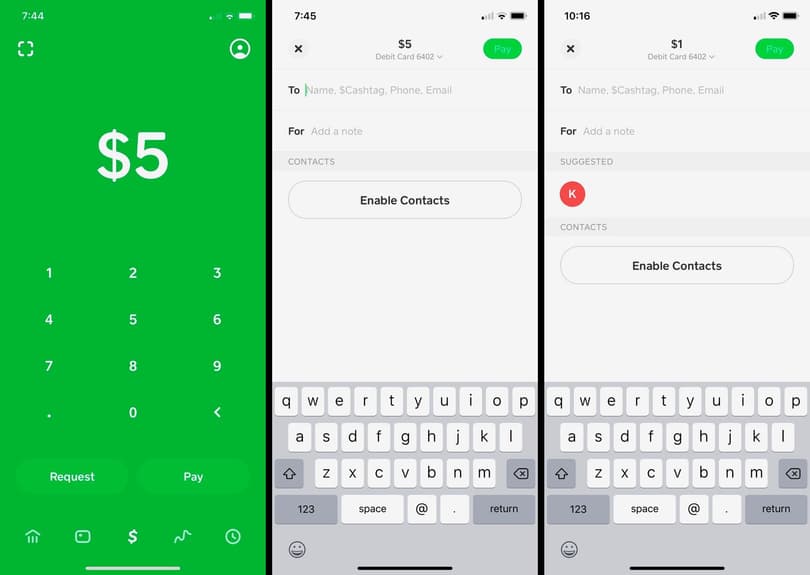
Cash App’s foundational utility lies in its peer-to-peer (P2P) payment capabilities. Users can send and receive money from friends, family, and even businesses using their unique Cashtag, phone number, or email address.
- Ease of Use: Receiving money is often as simple as someone sending it to your Cashtag. The funds typically appear in your Cash App balance instantly.
- Social Transactions: This method is ideal for splitting bills, repaying small debts, or sending gifts, integrating seamlessly into social interactions.
- Financial Utility: For those who frequently exchange money with a circle of contacts, P2P transfers reduce the reliance on physical cash or slow bank transfers, streamlining personal financial interactions.
Direct Deposit for Paychecks and Benefits
A key feature elevating Cash App beyond a simple P2P app is its ability to accept direct deposits. This allows users to receive paychecks, tax refunds, and government benefits directly into their Cash App balance, effectively using it as a primary bank account.
- How to Set Up: Users can find their unique account and routing numbers within the “Banking” or “Money” tab of Cash App. These numbers can then be provided to employers or benefit providers, just like traditional bank account details, to set up direct deposit.
- Early Access to Funds: A notable benefit for many users is the potential for early access to their paychecks. Cash App often makes funds available up to two days earlier than many traditional banks, providing greater financial flexibility.
- Centralizing Income: By directing income streams to Cash App, users can consolidate their financial activities, making it easier to track income against expenses, manage budgets, and make quick decisions about spending or investing. This can be a powerful tool for improving overall financial wellness, particularly for those who prefer to manage their money entirely from their smartphone.
Maximizing Your Cash App Experience for Financial Wellness
Effectively putting cash on Cash App is merely the first step. To truly harness its power for personal financial wellness, users must integrate its funding capabilities with its other features for a holistic money management strategy.
Budgeting and Tracking with Cash App
Once your funds are within Cash App, the platform offers an opportunity for better financial visibility.
- Transaction History: Reviewing your transaction history regularly helps you understand where your money is going. Categorizing expenses mentally or using external budgeting apps that link to Cash App can provide deeper insights.
- Pre-Allocation: By funding your Cash App with specific amounts for certain spending categories (e.g., groceries, entertainment), you can create an informal budgeting system, preventing overspending from your primary bank account.
- Leveraging the Cash Card: Using the Cash Card for daily purchases automatically tracks your spending within the app, simplifying the process of monitoring expenditures and sticking to a budget.
Investing Features: Stocks and Bitcoin
For those looking to grow their money, Cash App has integrated accessible investment options.
- Fractional Shares: You can invest in stocks with as little as $1, allowing you to buy “fractional shares” of expensive companies. This lowers the barrier to entry for new investors and enables diversification even with limited funds.
- Bitcoin Purchases: Cash App also facilitates buying and selling Bitcoin, offering a simplified gateway into the cryptocurrency market. While volatile, it provides an avenue for those interested in digital assets.
- Strategic Allocation: By intentionally funding your Cash App, you can allocate a portion of your income specifically for these investment opportunities, turning regular deposits into contributions towards long-term financial goals. This makes investing a more integrated and less daunting part of your personal finance routine.
Strategic Use for Everyday Transactions and Emergency Funds
Cash App can also serve strategic roles in everyday money management and emergency planning.
- Emergency Fund Lite: While not a substitute for a dedicated savings account, a portion of your Cash App balance could function as an easily accessible “emergency fund lite” for immediate, unexpected expenses.
- Separate Spending Account: Some users fund their Cash App with a specific amount for discretionary spending, effectively separating “play money” from essential funds. This disciplined approach can prevent overspending and provide clear boundaries for different financial categories.
- Leveraging Boosts: The Cash Card offers “Boosts” – instant discounts at specific retailers or categories. Strategically funding and using your Cash App for purchases that qualify for Boosts can lead to tangible savings over time, enhancing your purchasing power.
Conclusion
Mastering how to put cash on Cash App is more than just learning a few steps; it’s about unlocking a powerful suite of digital financial tools that can significantly enhance your personal finance management. Whether you’re linking existing bank accounts for seamless digital transfers, converting physical cash at a local retailer, or leveraging direct deposits for your income, each method provides a pathway to greater financial flexibility and control.
In a rapidly evolving financial landscape, platforms like Cash App empower individuals to take a more active role in managing their money, from daily transactions to long-term investment goals. By understanding and strategically utilizing these funding methods, you can transform Cash App from a mere payment application into an indispensable component of your comprehensive financial strategy, paving the way for improved financial wellness and peace of mind in the digital age.
aViewFromTheCave is a participant in the Amazon Services LLC Associates Program, an affiliate advertising program designed to provide a means for sites to earn advertising fees by advertising and linking to Amazon.com. Amazon, the Amazon logo, AmazonSupply, and the AmazonSupply logo are trademarks of Amazon.com, Inc. or its affiliates. As an Amazon Associate we earn affiliate commissions from qualifying purchases.