
For anyone engaging with the financial world, from seasoned institutional investors to budding retail traders, a fundamental understanding of market operating hours is not merely a piece of trivia – it is a cornerstone of effective strategy. The question, “What time does the stock market close?” might seem simple, yet its implications are far-reaching, influencing everything from trade execution and risk management to the very rhythm of global finance. Beyond the standard bell-to-bell trading, the financial landscape now encompasses pre-market and after-hours sessions, each with its unique characteristics and challenges. Navigating these varied windows of opportunity requires insight, discipline, and a keen awareness of how time zones, holidays, and technological advancements shape the market’s pulse. This article delves into the intricacies of stock market trading hours, offering a professional, insightful, and engaging guide for optimizing your investment journey.
Understanding Standard Trading Hours Across Major Markets
The perception of “the stock market” often conjures images of Wall Street, but the global financial system is a mosaic of interconnected exchanges, each with its own operational schedule. While the principles of supply and demand remain universal, the specific times when these forces are officially allowed to interact via trading platforms vary significantly.
The New York Stock Exchange (NYSE) and NASDAQ: North American Benchmarks
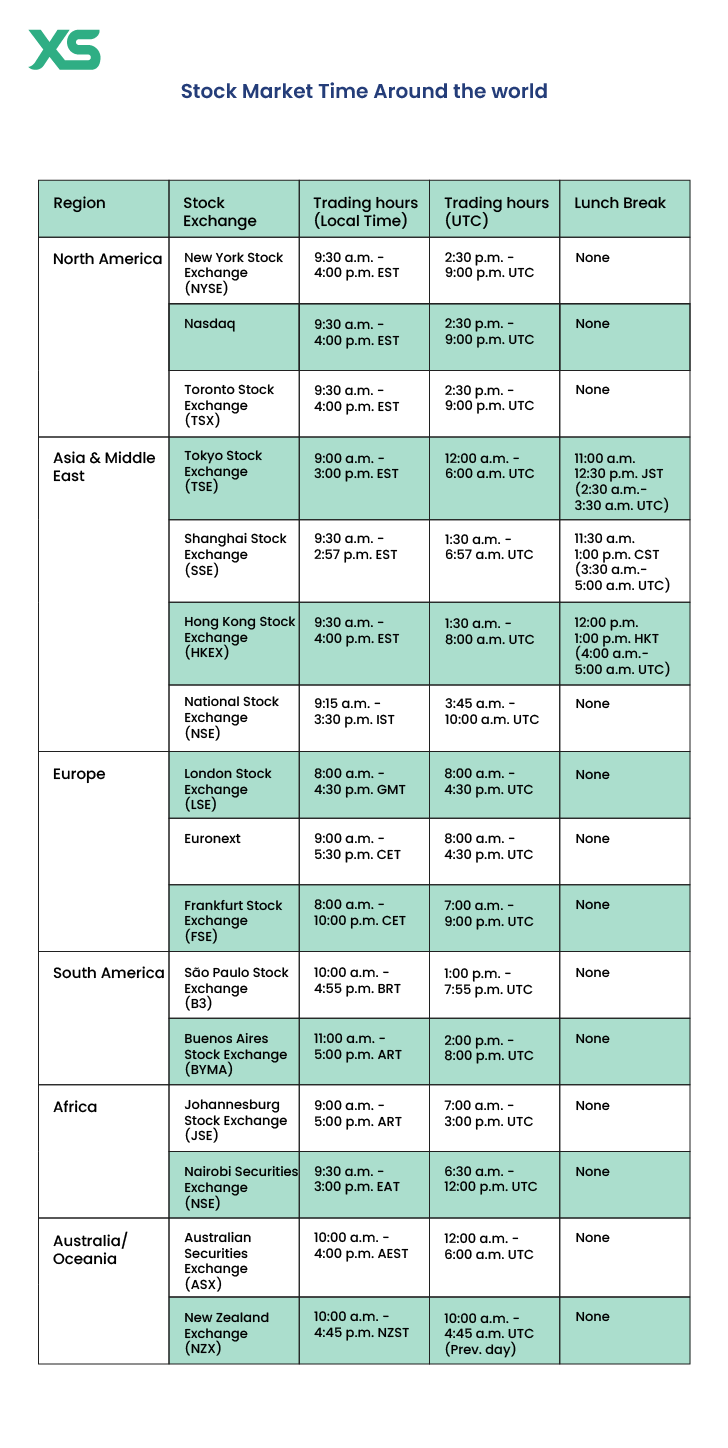
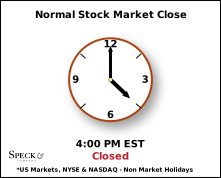
In the United States, the two most prominent stock exchanges, the New York Stock Exchange (NYSE) and the NASDAQ, operate on a synchronized schedule that sets the rhythm for North American trading. Standard trading hours for both exchanges are from 9:30 AM to 4:00 PM Eastern Time (ET), Monday through Friday. These hours represent the core trading session when the vast majority of volume occurs, and prices are generally most reflective of broad market sentiment due to high liquidity. This period is often referred to as “market open” to “market close” or “bell-to-bell” trading. It’s crucial to remember that these exchanges observe federal holidays, during which they remain closed. A quick check of the market holiday calendar is a routine practice for any serious investor.
European Exchanges: A Staggered Approach
Europe’s financial landscape is characterized by a multitude of major exchanges, each serving as a hub for its respective region, but all generally conforming to typical business hours. The London Stock Exchange (LSE), for instance, operates from 8:00 AM to 4:30 PM Greenwich Mean Time (GMT). The Euronext group, which encompasses exchanges in Paris, Amsterdam, Brussels, Lisbon, and Dublin, generally trades from 9:00 AM to 5:30 PM Central European Time (CET). Germany’s Deutsche Börse (Xetra) follows a similar pattern, trading from 9:00 AM to 5:30 PM CET. The staggered nature of these opening and closing times, coupled with distinct time zones, means that a significant portion of the global trading day sees at least one major European market active, allowing for continuous reaction to economic news and corporate announcements originating from the continent.
Asian Markets: Early Openings and Regional Differences
Asia’s financial markets are often the first to open each day, setting an early tone for global sentiment. The Tokyo Stock Exchange (TSE), a major player, typically operates from 9:00 AM to 3:00 PM Japan Standard Time (JST), with a lunch break from 11:30 AM to 12:30 PM. The Shanghai Stock Exchange (SSE) and the Hong Kong Stock Exchange (HKEX) also follow similar patterns, generally trading from 9:30 AM to 4:00 PM China Standard Time (CST), also with a lunch break. What’s unique about many Asian markets is their Saturday and Sunday closure, consistent with Western markets, but their early opening relative to Europe and North America means that significant overnight news from these regions can heavily influence the subsequent trading sessions elsewhere.
Beyond Standard Hours: The World of Pre-Market and After-Hours Trading
The concept of the “stock market day” has expanded far beyond the conventional opening and closing bells. Thanks to technological advancements and increasing globalization, investors now have access to trading opportunities before the official open and after the official close. These extended trading sessions, known as pre-market and after-hours trading, offer flexibility but also come with their own set of characteristics and risks.
Pre-Market Trading: Setting the Stage
Pre-market trading typically occurs between 4:00 AM and 9:30 AM ET for US exchanges, though specific times can vary slightly by brokerage. Its primary purpose is to allow investors to react to news that breaks overnight or before the market officially opens. This often includes earnings reports, economic data releases, mergers and acquisitions announcements, or significant geopolitical events. Large institutional investors, hedge funds, and professional traders are often the most active participants in this session, attempting to position themselves ahead of the day’s main trading.
After-Hours Trading: Reacting to News
Conversely, after-hours trading takes place after the official close, generally from 4:00 PM to 8:00 PM ET, though some platforms may extend this further. Similar to pre-market, after-hours sessions allow investors to respond to news released after the market closes, such as late earnings announcements or post-market analyst reports. It’s common for significant price movements to occur during these periods as traders react to unexpected developments. Electronic Communication Networks (ECNs) are the primary mechanism facilitating these trades, matching buy and sell orders directly between participants.
Key Differences and Considerations
While offering extended access, pre-market and after-hours trading sessions are fundamentally different from standard hours. The most significant difference is liquidity. With fewer participants, the volume of shares traded is substantially lower, which can lead to wider bid-ask spreads (the difference between the highest price a buyer is willing to pay and the lowest price a seller is willing to accept). This reduced liquidity can result in greater volatility, meaning prices can swing more dramatically on smaller trades. For retail investors, accessibility may also be limited by their brokerage’s offerings, and the risks of executing trades at unfavorable prices are heightened due to less transparent price discovery. Therefore, caution and a clear understanding of these dynamics are paramount when engaging in extended hours trading.
The Impact of Market Closures on Investment Strategies
The closing bell isn’t just a symbolic end to the trading day; it’s a critical moment that influences investment decisions and market behavior. Understanding the dynamics around market closures is essential for strategic planning and risk management.
End-of-Day Dynamics: The Closing Bell Effect
The period leading up to the market close is often characterized by a flurry of activity. Institutional investors and portfolio managers may execute large orders to adjust their positions, rebalance portfolios, or manage their exposure to specific assets. This “closing bell effect” can lead to increased volatility and trading volume in the final minutes of the session as traders attempt to get their orders filled before the market shuts down. Price discovery during this time can be particularly intense, with the closing price often used as a benchmark for daily performance and for calculating Net Asset Value (NAV) for mutual funds and ETFs.
Overnight Risks and Opportunities

When the market closes, investment positions are left exposed to “overnight risk.” During these hours, global news, geopolitical events, company announcements, or unforeseen macroeconomic data releases can occur, significantly impacting stock prices before the next opening bell. For example, a major tech company announcing disappointing earnings after the market closes could see its stock gap down significantly the next morning. Conversely, positive news could lead to a gap up. This exposure highlights the importance of staying informed and considering how global events and news flows might affect your holdings while markets are shut.
Planning Around Holidays and Weekends
Market holidays and weekends extend the period of overnight risk, sometimes to several days. While these breaks offer a respite from daily market movements, they can also accumulate pressure from global events. Investors must consult the market calendar to identify official exchange holidays, as these closures can disrupt trading plans and delay transactions. Furthermore, dividends are typically paid on ex-dividend dates, which are determined by market operating days, making calendar awareness crucial for income-focused investors. Planning around these non-trading days is vital for managing liquidity, setting appropriate stop-loss orders, and anticipating potential price adjustments upon reopening.
Practical Tips for Investors: Maximizing Your Trading Day
For investors seeking to optimize their results and mitigate risks, understanding when the market opens and closes is just the beginning. Integrating this knowledge into a comprehensive trading strategy requires ongoing effort and the smart application of available tools.
Stay Informed: Market Calendars and News Feeds
One of the most fundamental practices for any investor is to maintain an up-to-date market calendar. This includes knowing all federal and exchange-specific holidays, which can vary by country. Beyond holidays, being aware of significant economic data releases (e.g., CPI, jobs reports), central bank announcements, and individual company earnings reports – particularly their scheduled release times (often before market open or after market close) – is paramount. Subscribing to reliable financial news feeds and setting up alerts can ensure you’re aware of critical information as it breaks, allowing you to react promptly within appropriate trading windows.
Leverage Technology: Trading Platforms and Alerts
Modern trading platforms offer a wealth of features designed to help investors navigate market hours effectively. Utilize features like real-time price quotes, customizable watchlists, and price alerts. Many platforms allow you to set conditional orders that activate only at certain times or price points. For those who can’t constantly monitor the market, using “good ’til canceled” (GTC) orders or specific time-in-force instructions for limit orders can ensure your instructions are executed only when the market is open and conditions are met. Some brokerages also offer after-hours trading access directly through their platforms, though it’s essential to understand the terms and risks associated with these services.
Understanding Order Types: Market vs. Limit Orders at Open/Close
The type of order you place can have a significant impact, especially during volatile periods like market open or close. A market order instructs your broker to buy or sell immediately at the best available price. While ensuring execution, this can lead to an unfavorable price during periods of low liquidity or high volatility, such as the opening minutes or closing minutes of the day, or during extended hours. Conversely, a limit order specifies the maximum price you’re willing to pay (for a buy) or the minimum price you’re willing to accept (for a sell). Limit orders are generally preferred around market open and close, and especially during pre-market and after-hours trading, as they protect you from unexpected price swings, though they carry the risk of non-execution if your specified price isn’t met.
The Importance of a Trading Plan
Ultimately, understanding market hours must be integrated into a robust trading plan. This plan should define your entry and exit strategies, risk management parameters (e.g., stop-loss levels), and how you will react to news and market movements, particularly those occurring outside standard hours. Consider how overnight events might impact your open positions and whether you’ll adjust your strategy based on pre-market indicators. A well-defined plan helps maintain discipline, reduces emotional decision-making, and provides a structured approach to leveraging market hours for your financial objectives.
The Future of Market Hours: Towards 24/7 Trading?
The traditional confines of market operating hours are increasingly being challenged by technological advancements, global interconnectedness, and the continuous nature of digital assets. The question is no longer just “What time does the market close?”, but “Will it ever truly close?”
The Drive for Extended Access
Several forces are pushing towards an expansion of trading hours, potentially even to a 24/7 model. The rise of cryptocurrencies, which trade around the clock, has familiarized a new generation of investors with continuous market access. Furthermore, the globalization of finance means that significant economic and corporate events can happen at any time, anywhere in the world. Investors in one time zone often feel disadvantaged if they cannot react to news breaking in another. The desire for immediate responsiveness and the pursuit of arbitrage opportunities across different time zones are powerful drivers for extended access.
Potential Benefits and Drawbacks
A move towards 24/7 trading could offer numerous benefits: increased liquidity across all hours, greater accessibility for investors in diverse time zones, and faster price discovery in response to global events. It could also reduce the impact of “gap up” or “gap down” scenarios that occur overnight. However, the drawbacks are significant. Regulators would face immense challenges in oversight and market surveillance. The demands on human traders and analysts could lead to burnout and fatigue, potentially increasing errors. Moreover, the infrastructure required to support continuous trading for all asset classes, including the processing of corporate actions and settlements, would be immensely complex and costly.
The Role of AI and Automation
In a truly 24/7 market, Artificial Intelligence (AI) and automated algorithmic trading would play an even more dominant role. AI could continuously monitor news feeds, analyze market data, and execute trades based on pre-defined strategies without human intervention, theoretically overcoming the limitations of human operating hours. While this offers tantalizing possibilities for efficiency and responsiveness, it also raises questions about market stability, the potential for flash crashes, and the ethical implications of fully automated trading. The evolution of market hours will undoubtedly be intertwined with advancements in these technologies.
Conclusion
Understanding “what time the stock market closes,” along with its opening and extended hours, is far more than a simple scheduling detail; it’s a fundamental aspect of effective financial planning and investment strategy. From the synchronized daily rhythm of major exchanges to the nuanced risks and opportunities of pre-market and after-hours sessions, every investor must grasp these dynamics. By staying informed, leveraging technology, meticulously planning around holidays, and adapting to the evolving landscape of global finance, investors can navigate the complexities of market timing. As the financial world continues its march towards greater globalization and technological integration, the traditional boundaries of market hours may blur further, making a continuous, informed approach to investing more critical than ever.
aViewFromTheCave is a participant in the Amazon Services LLC Associates Program, an affiliate advertising program designed to provide a means for sites to earn advertising fees by advertising and linking to Amazon.com. Amazon, the Amazon logo, AmazonSupply, and the AmazonSupply logo are trademarks of Amazon.com, Inc. or its affiliates. As an Amazon Associate we earn affiliate commissions from qualifying purchases.