
The dream of homeownership, a cornerstone of financial stability for many, often hinges on the accessibility and affordability of mortgage financing. In recent times, however, a palpable shift has occurred, with mortgage rates embarking on an upward trajectory, leaving prospective buyers and existing homeowners alike grappling with increased costs and uncertainty. Understanding the intricate web of factors contributing to this ascent is crucial for anyone navigating the complex landscape of personal finance and real estate. This article delves into the primary economic forces and policy decisions that are collectively pushing mortgage rates higher, offering insights into their mechanisms and implications.
The Federal Reserve’s Role: Taming Inflation with Rate Hikes
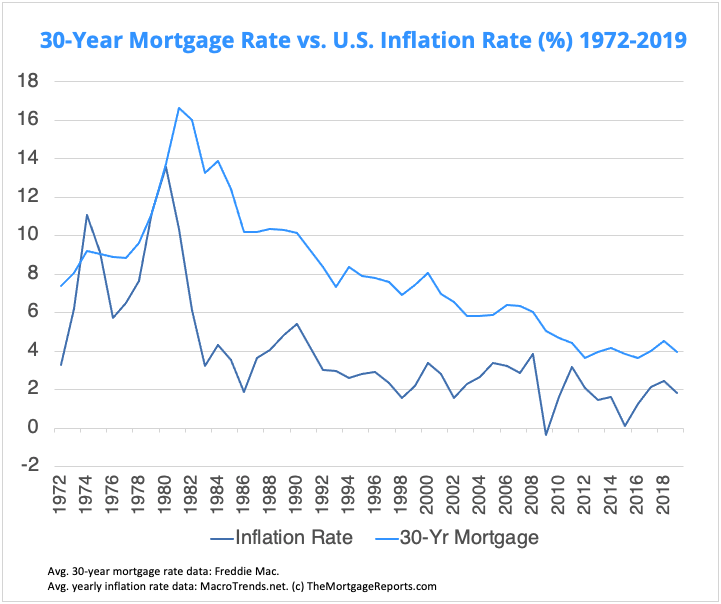
At the heart of the current mortgage rate surge lies the influential hand of the Federal Reserve (the Fed), the United States’ central bank. Its primary mandate includes maintaining maximum employment and stable prices – the latter often translated as keeping inflation in check. When inflation escalates, as it has in recent years, the Fed’s most potent tool to cool down the economy and bring prices under control is to raise interest rates.
Understanding the Federal Funds Rate
The Fed doesn’t directly set mortgage rates. Instead, it targets the federal funds rate, which is the interest rate at which commercial banks lend and borrow their excess reserves from each other overnight. By raising this benchmark rate, the Fed makes it more expensive for banks to borrow money, which in turn ripples through the entire financial system. This action is designed to slow down economic activity by discouraging borrowing and spending, thereby reducing demand and, consequently, inflation.
The Transmission Mechanism to Mortgage Rates
While the federal funds rate is an overnight rate, mortgage rates are largely influenced by longer-term Treasury yields, particularly the 10-year Treasury note. However, the Fed’s actions have a profound indirect impact. When the Fed signals or executes a rate hike, it indicates a tightening of monetary policy. This shift in policy generally leads to higher yields on government bonds because investors anticipate future inflation and demand a greater return on their long-term investments. Mortgage lenders, who often package mortgages into mortgage-backed securities (MBS) that are traded on bond markets, price their loans based on these prevailing bond yields, adding a margin for profit and risk. Thus, as Treasury yields climb in response to the Fed’s tightening, so too do the interest rates on mortgages. The expectation of future Fed actions also plays a significant role, with markets often pricing in anticipated rate hikes well in advance, creating a forward-looking dynamic.
The Battle Against Inflation
The current environment of rising mortgage rates is largely a direct consequence of the Fed’s aggressive campaign to combat persistent and elevated inflation. Following periods of expansive fiscal and monetary policies, supply chain disruptions, and strong consumer demand, inflation surged to multi-decade highs. The Fed’s commitment to bringing inflation back to its 2% target has necessitated a series of robust rate increases. While these hikes aim to restore price stability for the broader economy, they invariably make borrowing more expensive, impacting everything from credit card rates to auto loans and, most significantly for many, mortgage rates. The magnitude and speed of these rate increases are unprecedented in recent history, reflecting the severity of the inflationary challenge.
Inflation: The Silent Eroder of Purchasing Power
Beyond the Fed’s reaction to it, inflation itself is a fundamental driver of higher mortgage rates. Inflation, defined as the general increase in prices and the fall in the purchasing value of money, creates a challenging environment for lenders and investors alike.
How Inflation Impacts Lending Decisions
From a lender’s perspective, persistent inflation erodes the real value of future interest payments. If a lender issues a mortgage at a 3% interest rate and inflation is running at 5%, they are effectively losing money in real terms. To compensate for this loss of purchasing power over the life of a long-term loan (like a mortgage, which can span 15 to 30 years), lenders must demand a higher nominal interest rate. This higher rate ensures that when they receive repayments years down the line, the money still holds sufficient real value to cover their costs and provide an acceptable return. Essentially, lenders build an inflation premium into their rates to protect themselves against future price increases.
Consumer Price Index (CPI) and Its Significance
The Consumer Price Index (CPI) is a key metric used to measure inflation, tracking the average change over time in the prices paid by urban consumers for a market basket of consumer goods and services. When the CPI shows sustained and elevated increases, it sends a strong signal to the market that inflation is a present and continuing concern. This signal reinforces the expectation among investors and lenders that future returns need to be higher to maintain real purchasing power. Consequently, bond yields rise, and mortgage rates follow suit. The market pays close attention to CPI releases, and any signs of inflation cooling or accelerating can lead to immediate adjustments in interest rate expectations and, subsequently, actual rates.
Wage-Price Spiral Concerns
One of the more insidious aspects of persistent inflation is the risk of a “wage-price spiral.” This occurs when workers demand higher wages to compensate for rising prices, and businesses, facing higher labor costs, then raise their prices further to maintain profit margins. This cycle can become self-perpetuating and extremely difficult to break. Central banks are particularly wary of a wage-price spiral because it can entrench high inflation, making their job of restoring price stability even harder. The mere threat or early signs of such a spiral can prompt more aggressive monetary policy tightening, leading to further increases in mortgage rates as a preventative measure to break the cycle before it fully takes hold.
The Influence of the Bond Market: Treasury Yields and Mortgage Rates
While the Fed’s policy and inflation provide the macroeconomic backdrop, the immediate day-to-day fluctuations in mortgage rates are most directly tied to the performance of the bond market, specifically U.S. Treasury yields.
The 10-Year Treasury Yield as a Benchmark

The 10-year Treasury note yield is often considered the benchmark for long-term interest rates, including fixed-rate mortgages. This is because mortgage lenders typically sell the loans they originate to investors in the secondary market. These investors then bundle them into mortgage-backed securities (MBS). The yields on MBS tend to move in tandem with the 10-year Treasury yield because both are long-term, relatively safe investments that compete for investor capital. When the yield on the 10-year Treasury rises, investors demand a comparable or higher yield on MBS, which translates into higher interest rates for borrowers taking out new mortgages. Many factors influence the 10-year Treasury yield, including inflation expectations, economic growth forecasts, supply and demand for government bonds, and global capital flows.
Investor Demand and Bond Prices
The relationship between bond yields and bond prices is inverse: when bond prices fall, their yields rise, and vice versa. Several factors can reduce investor demand for existing bonds, thereby pushing their prices down and yields up. For instance, if investors anticipate higher future interest rates (due to Fed action or inflation), they will sell existing lower-yielding bonds to buy newer, higher-yielding ones. A large supply of new government bonds being issued to finance budget deficits can also depress bond prices if demand doesn’t keep pace. Furthermore, if the economic outlook improves significantly, investors might shift capital from safer government bonds into riskier, but potentially higher-returning, assets like stocks, leading to a decrease in bond demand and an increase in yields. All these dynamics funnel through the 10-year Treasury, directly impacting the cost of mortgage borrowing.
Market Expectations and Future Rate Movements
Financial markets are forward-looking. Bond traders and investors are constantly analyzing economic data, Fed speeches, geopolitical events, and global economic trends to anticipate future interest rate movements. Their collective expectations are quickly priced into bond yields. For example, if the market anticipates that the Fed will raise rates at its next meeting, bond yields may begin to climb even before the actual announcement. Conversely, if economic data suggests a slowdown or an easing of inflationary pressures, bond yields might fall in anticipation of a less aggressive Fed or even future rate cuts. This anticipatory nature means that mortgage rates can react swiftly to new information or even subtle shifts in market sentiment, making them inherently dynamic and often volatile.
Broader Economic and Global Dynamics
Beyond specific monetary policy and inflation figures, a broader array of economic and global forces also exert influence on the direction of mortgage rates. These factors reflect the interconnectedness of economies and financial markets worldwide.
Strong Economic Data and Market Reactions
Paradoxically, strong economic data can sometimes contribute to higher mortgage rates. If economic indicators such as GDP growth, employment figures, and consumer spending come in stronger than expected, it suggests a robust economy. While positive for overall prosperity, a strong economy can fuel inflationary pressures (due to increased demand) and give the Federal Reserve more leeway to continue tightening monetary policy without fear of triggering a recession. Both scenarios typically lead to higher bond yields and, consequently, higher mortgage rates. Conversely, weak economic data might suggest an impending slowdown or recession, potentially leading the Fed to pause or reverse its tightening, which could cause rates to stabilize or even fall.
Geopolitical Events and Investor Uncertainty
Geopolitical events – such as international conflicts, political instability in major economic regions, or trade disputes – can introduce significant uncertainty into global financial markets. In times of heightened uncertainty, investors often flee to the safety of U.S. Treasury bonds, considered one of the safest assets globally. This increased demand for Treasuries can temporarily drive up their prices and push down their yields. However, if geopolitical events lead to disruptions in energy supplies or global trade, they can also exacerbate inflationary pressures, prompting central banks to tighten monetary policy more aggressively, which would then push rates higher. The net effect on mortgage rates depends on whether the “flight to safety” effect or the “inflationary pressure” effect dominates.
Supply and Demand in the Housing Market
While not a direct driver of interest rates, the dynamics of the housing market itself can indirectly influence the overall cost and accessibility of mortgages. A strong housing market with high demand and limited supply can lead to rapidly appreciating home prices. Even if interest rates remain stable, the higher principal amount required for a mortgage means higher monthly payments, effectively making homeownership less affordable. If high home prices are combined with rising interest rates, the affordability crisis can deepen dramatically. Lenders also consider market risk; if they perceive the housing market to be overheated and prone to a correction, they might become more cautious, potentially adjusting their lending standards or pricing to reflect increased risk.
Navigating the High-Rate Environment: Strategies for Homeowners and Buyers
The current landscape of elevated mortgage rates presents challenges but also necessitates strategic planning for both prospective homebuyers and existing homeowners. Adaptability and informed decision-making are key.
For Prospective Homebuyers: Affordability and Budgeting
For those looking to enter the housing market, the primary challenge is affordability. Higher interest rates mean that for the same loan amount, monthly payments are significantly higher, reducing purchasing power.
- Re-evaluate Budgets: Thoroughly recalculate what you can truly afford, focusing on the total monthly housing cost (PITI: Principal, Interest, Taxes, Insurance) rather than just the home price.
- Consider Adjustable-Rate Mortgages (ARMs): While fixed rates offer stability, ARMs can offer lower initial rates, potentially making a home more affordable in the short term. However, they carry the risk of future rate increases, so understand the terms and your risk tolerance.
- Explore Down Payment Strategies: A larger down payment reduces the loan amount, which can help mitigate the impact of higher interest rates. Explore gift funds, down payment assistance programs, or saving more aggressively.
- Be Prepared to Be Patient: The market is dynamic. Staying pre-approved and monitoring rate trends can help you act quickly if rates temporarily dip. Focus on financial health, improving your credit score, and reducing debt to qualify for the best possible terms.
For Existing Homeowners: Refinancing Considerations and HELOCs
Existing homeowners with lower fixed rates may feel fortunate, but some might still be considering their options in this environment.
- Refinancing: For most with a low fixed rate, refinancing into a higher rate is unlikely. However, if you have an adjustable-rate mortgage (ARM) that is about to adjust higher, or a significantly higher original rate, it might be worth exploring. Always compare the new rate with your current one and factor in closing costs.
- Home Equity Lines of Credit (HELOCs) and Home Equity Loans: For those needing to tap into their home equity, HELOCs and home equity loans are alternatives to cash-out refinances. While rates on these products will also be higher, they can be useful for specific needs like home improvements or debt consolidation without disturbing a low primary mortgage rate. Be cautious, as interest rates on HELOCs are typically variable.
- Paying Down Principal: With higher rates, making extra principal payments on your existing mortgage can be a powerful strategy to reduce the total interest paid over the life of the loan, effectively accelerating your equity build-up.
The Importance of Financial Planning and Professional Advice
Regardless of your current housing situation, comprehensive financial planning is paramount. Consult with a qualified financial advisor and an experienced mortgage lender. They can provide personalized advice, help you understand the nuances of various loan products, and guide you through the implications of current and projected interest rate environments on your specific financial goals. Staying informed about economic indicators, central bank policies, and bond market movements will empower you to make more astute decisions in this evolving financial landscape.
In conclusion, the rise in mortgage rates is a multifaceted phenomenon, primarily driven by the Federal Reserve’s battle against inflation, the direct impact of inflation on lending economics, and the dynamic interplay within the bond market. While these forces reflect broader economic adjustments, understanding them is the first step toward effectively navigating the current housing and financing environment.
aViewFromTheCave is a participant in the Amazon Services LLC Associates Program, an affiliate advertising program designed to provide a means for sites to earn advertising fees by advertising and linking to Amazon.com. Amazon, the Amazon logo, AmazonSupply, and the AmazonSupply logo are trademarks of Amazon.com, Inc. or its affiliates. As an Amazon Associate we earn affiliate commissions from qualifying purchases.