
In an increasingly digital world, where transactions often happen with a few clicks or taps, the traditional bank check might seem like an anachronism. However, for significant financial transactions, the bank check — often known as a cashier’s check or certified check — remains an indispensable tool. It offers a level of security and assurance that personal checks or even some electronic transfers cannot match, making it a preferred, and often required, method of payment for large purchases like real estate, vehicles, or substantial deposits.
For account holders with Chase, one of the largest and most prominent financial institutions globally, understanding how to obtain a bank check is a fundamental aspect of managing personal finance effectively. This comprehensive guide will walk you through the process, demystifying the terminology, outlining the steps, and providing crucial insights to ensure a smooth and secure transaction. As a cornerstone of secure payment, mastering the acquisition of a Chase bank check empowers you with confidence in your most important financial dealings.
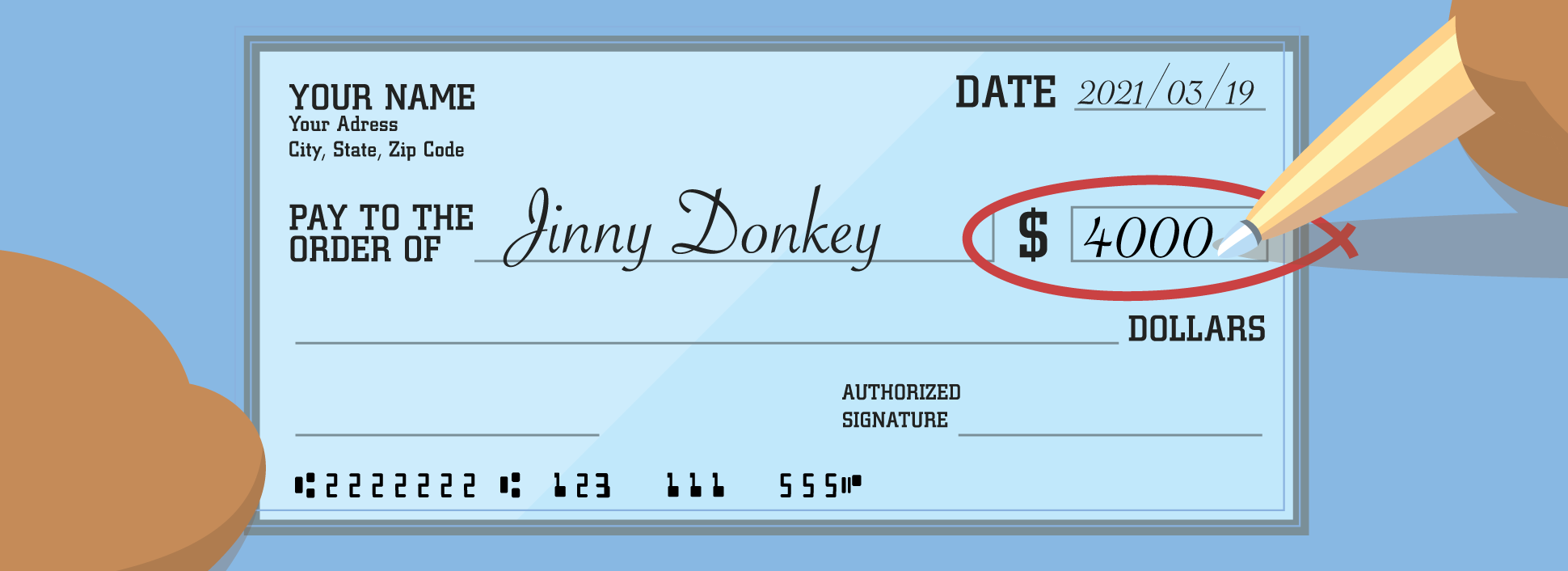
Understanding Bank Checks: Why They Matter in Modern Finance
Before delving into the “how-to,” it’s vital to grasp what a bank check is, why it holds such significance, and when its use is most appropriate. This foundational knowledge will contextualize the process and highlight its unique benefits.
What is a Bank Check? Distinguishing the Terms
The terms “bank check,” “cashier’s check,” and “certified check” are often used interchangeably, but it’s helpful to understand the nuances, particularly in how Chase and other banks might define them.
A Cashier’s Check is drawn directly on the bank’s own funds, not on your personal account. When you request a cashier’s check, the bank immediately withdraws the funds from your account (or you pay in cash) and issues a check guaranteed by the bank itself. This is the most common type of “bank check” used for large, secure payments, as the payee is assured that the funds are available and will clear. Chase primarily issues cashier’s checks for these purposes.
A Certified Check, on the other hand, is a personal check from your account that the bank has stamped and guaranteed. The bank verifies that sufficient funds are in your account at the time the check is certified and often holds those funds aside. While it still offers a guarantee, it’s drawn on your personal account rather than the bank’s, making cashier’s checks generally preferred for higher-stakes transactions due to the absolute guarantee from the bank itself.
For the purpose of this article, “bank check” will refer primarily to the cashier’s check issued by Chase, given its prevalence for secure, high-value payments.
When to Use a Bank Check: Key Scenarios
The unique security features of a bank check make it ideal for situations where trust and guaranteed funds are paramount. Some common scenarios include:
- Real Estate Transactions: Down payments, closing costs, or earnest money deposits for purchasing a home or property. Sellers and title companies often require cashier’s checks due to the large sums involved.
- Vehicle Purchases: Buying a car, boat, or RV from a private seller or even some dealerships. This ensures the seller receives guaranteed funds before handing over the title.
- Large-Scale Rent or Security Deposits: Landlords, especially for high-value properties, may request a cashier’s check for the first month’s rent or a security deposit.
- Legal Settlements: Payments related to court settlements, divorce decrees, or other legal obligations.
- International Transactions (Less Common, but Possible): Though wire transfers are more typical for international payments, some specific scenarios might require a cashier’s check, particularly if the recipient does not have a bank account capable of receiving wire transfers.
In these situations, a personal check might be rejected, or electronic transfers might not provide the same level of verifiable certainty for the recipient.
The Undeniable Benefits of Using a Bank Check
Opting for a bank check from Chase brings several significant advantages:
- Guaranteed Funds: The most critical benefit. Since the funds are drawn directly from the bank’s account or certified by the bank, the recipient is assured that the check will not bounce.
- Enhanced Security: Unlike cash, a bank check can often be traced, and if lost or stolen, it can potentially be canceled and reissued (though this process can be lengthy and involve fees). It also prevents the need to carry large sums of cash.
- Official Documentation: A bank check serves as a formal, verifiable record of payment, which is crucial for legal and financial documentation.
- Wide Acceptance: Because of the guaranteed funds, bank checks are widely accepted by businesses, individuals, and institutions for significant transactions.
Navigating the Process: Ways to Obtain a Chase Bank Check
For Chase account holders, the primary and most secure method for obtaining a bank check is through their extensive branch network. While other digital options exist for different types of transfers, the cashier’s check specifically relies on an in-person interaction for security and verification.
In-Person at a Chase Branch: The Standard Approach
Visiting a physical Chase branch is the most common and recommended way to acquire a cashier’s check. This method ensures direct assistance from a banking professional, allowing for immediate verification and addressing any questions you might have.
Steps to Take:
- Locate Your Nearest Chase Branch: Use the Chase mobile app or their website’s branch locator to find a convenient location.
- Gather Necessary Information and Documentation: Before heading to the branch, ensure you have:
- Your Chase Account Information: Know your account number (checking or savings) from which the funds will be drawn.
- Valid Photo Identification: A government-issued ID (driver’s license, passport, state ID) is mandatory for verification.
- Full Payee Name: The exact legal name of the individual or entity you are paying. Accuracy here is crucial, as errors can render the check invalid or cause significant delays.
- Exact Amount of the Check: Be precise with the dollar amount.
- Purpose of the Check (Optional but Helpful): While not always required, knowing the purpose can help in some record-keeping and sometimes in clarifying details with the teller.
- Speak with a Teller or Banking Specialist: Upon arrival, inform the teller or a personal banker that you wish to obtain a cashier’s check. They will guide you through the process.
- Authorize the Withdrawal: The teller will debit the required amount (plus any applicable fees) directly from your designated Chase account.
- Verify and Receive Your Check: Carefully review the cashier’s check before leaving the branch. Check the payee’s name, the amount, and the date for any discrepancies. Once confirmed, you will receive the check, ready for use.
Requesting Through Online Banking: Understanding Limitations
It’s important to clarify that Chase generally does not offer the direct ability to order a cashier’s check online for pickup or mail delivery. The inherent security requirements and the need for immediate fund verification make the in-person transaction the standard.
While Chase’s online banking and mobile app provide robust tools for managing accounts, initiating wire transfers, or ordering money orders (which are different from cashier’s checks and typically for smaller amounts), these platforms are not typically used for issuing cashier’s checks. If you need a guaranteed bank-issued check, a branch visit is almost always necessary. Always contact Chase directly or check their official website for the most current service offerings.
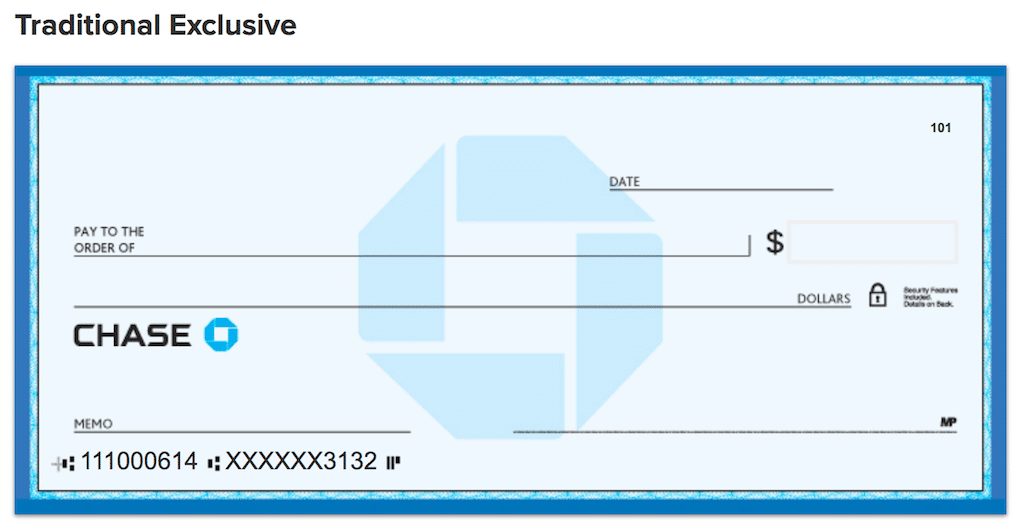
What You’ll Need to Bring: A Checklist for Success
To ensure a smooth and efficient visit to a Chase branch, double-check that you have these items:
- Government-Issued Photo ID: This is non-negotiable for identity verification.
- Chase Account Number: Or your debit card/ATM card associated with the account.
- Exact Payee Name: The full, correct legal name of the person or company.
- Precise Amount: The exact dollar value of the check.
- Payment for Fees: Be prepared for a small fee, typically around $5 to $10 for a cashier’s check, which will be debited from your account along with the check amount.
Essential Considerations Before You Get Your Check
Obtaining a bank check is more than just a transaction; it’s a critical step in a larger financial process. Being aware of potential pitfalls and key details can save you time, money, and stress.
Understanding Fees and Limits: Avoiding Surprises
Like most banking services, obtaining a cashier’s check from Chase usually incurs a fee. As mentioned, this typically ranges from $5 to $10 per check. If you have a premium Chase checking account, such as Chase Private Client, Sapphire Banking, or other higher-tier accounts, these fees might be waived as a benefit of your account. Always check with your teller or review your account’s fee schedule.
Additionally, while there isn’t a strict “limit” on the amount of a cashier’s check in the same way there might be for daily ATM withdrawals, extremely large amounts (e.g., several hundred thousand or millions of dollars) might require additional verification or advance notice to the branch to ensure they can process the transaction smoothly and comply with anti-money laundering regulations. For most common large purchases, standard procedures apply.
Verifying the Payee Information: Accuracy is Paramount
This cannot be stressed enough: double-check and triple-check the payee’s name. Once a cashier’s check is issued with an incorrect payee name, it can be extremely difficult and time-consuming to correct or cancel. If the payee’s name is misspelled or incorrect, the recipient’s bank may refuse to accept it, potentially leading to delays in your transaction and the hassle of requesting a new check. Ensure you have the exact legal name of the individual or company, as even slight variations can cause issues.
Security and Fraud Prevention: Protecting Your Funds
While bank checks offer superior security, vigilance is still necessary:
- Safeguard the Check: Treat a bank check like cash. Do not leave it unattended, and keep it in a secure place until you hand it to the payee.
- Verify the Recipient: Always be certain of who you are paying. Scammers sometimes request bank checks because they are guaranteed funds. Ensure the transaction is legitimate and with a trustworthy party.
- Keep Records: Make a copy of the cashier’s check for your records before giving it to the payee. This includes the check number, amount, date, and payee name. This can be invaluable if there are any disputes or if you need to trace the check.
- Lost or Stolen Checks: If your bank check is lost or stolen, contact Chase immediately. The process to stop payment or replace a cashier’s check can be complex, often requiring an indemnity bond (an insurance policy that protects the bank if the original check is cashed despite the stop payment) and can take several weeks or even months to resolve, especially if the check is outstanding for a long period.
Beyond the Basics: Advanced Tips and Alternatives
Understanding the standard process is crucial, but being aware of what happens in less common scenarios and knowing alternative payment methods can further empower your financial decisions.
What If You Need to Cancel or Replace It?
As noted, canceling a cashier’s check is not as straightforward as stopping payment on a personal check. Since the funds are guaranteed by the bank, they bear the risk if the check is improperly canceled and then cashed.
If you need to cancel a Chase cashier’s check (e.g., the transaction fell through, or the check was lost/stolen), you will need to:
- Contact Chase Immediately: Reach out to your branch or Chase customer service.
- Complete an Affidavit of Loss: You’ll typically need to sign a document stating the check was lost, stolen, or never received by the payee.
- Provide an Indemnity Bond: For larger amounts, Chase will likely require you to purchase an indemnity bond from an insurance company. This bond protects the bank in case the original check is eventually presented for payment, even after you’ve been refunded or issued a new check. The cost of this bond is usually a percentage of the check’s value.
- Wait for the Waiting Period: The bank might impose a waiting period (often 90 days or more) before reissuing funds or a new check, to allow ample time for the original check to clear or be definitively declared lost.
This process underscores the importance of accuracy and security when handling cashier’s checks.
Alternatives to Bank Checks: When Other Options Are Better
While bank checks are excellent for specific situations, they aren’t always the best or most convenient solution. Consider these alternatives offered by Chase and other financial providers:
- Wire Transfers: For time-sensitive or international transactions, a wire transfer moves funds directly from one bank account to another. They are generally irreversible once sent and incur higher fees but offer speed and global reach. Chase offers wire transfer services both in-branch and via online banking for eligible accounts.
- Certified Personal Checks: If a cashier’s check isn’t strictly required, and the amount isn’t astronomically high, a certified personal check might suffice. This is your personal check that Chase guarantees.
- Money Orders: Available at Chase branches, money orders are typically for smaller amounts (e.g., up to $1,000) and are often used for rent, utility bills, or small purchases where a personal check isn’t accepted.
- Electronic Payments (ACH/Zelle): For everyday transactions or sending money to trusted individuals, services like Zelle (integrated with Chase banking) or standard ACH transfers are fast, free (for Zelle), and convenient. However, they lack the same level of guaranteed funds for large, critical transactions.
Choosing the right payment method depends on the amount, urgency, recipient requirements, and security concerns of your specific transaction.
Conclusion
Obtaining a bank check from Chase is a straightforward process when you know what to expect and what to prepare. While the digital age offers a plethora of convenient payment options, the cashier’s check remains a steadfast, secure, and widely accepted instrument for significant financial transactions. By understanding its purpose, following the in-person acquisition steps, and being diligent with payee information and security, you can confidently navigate the process.
Chase, with its robust branch network and established procedures, makes it accessible for its account holders to secure these vital financial tools. Whether you’re making a down payment on a dream home, purchasing a new vehicle, or fulfilling a crucial financial obligation, a Chase bank check provides the assurance and peace of mind you need for your most important monetary exchanges. Always remember to prioritize accuracy, secure your check, and utilize Chase’s resources to ensure a seamless transaction every time.
aViewFromTheCave is a participant in the Amazon Services LLC Associates Program, an affiliate advertising program designed to provide a means for sites to earn advertising fees by advertising and linking to Amazon.com. Amazon, the Amazon logo, AmazonSupply, and the AmazonSupply logo are trademarks of Amazon.com, Inc. or its affiliates. As an Amazon Associate we earn affiliate commissions from qualifying purchases.