
The concept of “American” is far more than a simple geographical or political descriptor; it embodies a complex, multifaceted brand identity shaped by history, culture, values, and continuous evolution. Like any powerful brand, “American” conjures specific associations, evokes particular emotions, and commands a certain level of recognition on the global stage. Understanding “what American” means in the 21st century requires a strategic lens, dissecting the narrative, the perception, the internal consistency, and the ongoing challenges and opportunities that define this enduring national brand. From its foundational myths to its contemporary manifestations, the American brand is a dynamic entity, constantly being reforged by internal forces and external pressures. This article delves into the strategic components that constitute the “American” brand, exploring its core pillars, global resonance, internal complexities, and the path forward in an increasingly interconnected world.

The Core Pillars of the American Brand Narrative
At the heart of any compelling brand lies a foundational narrative, a story that encapsulates its essence and appeals to its audience. For the American brand, this narrative is built upon several enduring pillars that have, for centuries, defined its promise and aspiration. These are not static ideals but evolving concepts that continue to shape both internal self-perception and external imagery.
Innovation and Entrepreneurship: The Spirit of Progress
Perhaps the most potent and consistently recognized pillar of the American brand is its unwavering commitment to innovation and entrepreneurship. From the industrial revolution to the birth of Silicon Valley, America has positioned itself as a crucible of invention, a place where ideas can flourish into world-changing realities. This brand attribute is manifested in iconic American companies that have revolutionized industries, from Ford and Apple to Google and Amazon. It speaks to a culture that celebrates risk-taking, rewards ingenuity, and fosters an environment where disruption is not just tolerated but encouraged. The American dream, in many respects, is intertwined with this narrative: the belief that anyone, regardless of background, can achieve success through hard work and a brilliant idea. Globally, this image projects America as a leader in technological advancement, scientific discovery, and economic dynamism, making it an attractive destination for talent and investment.
Diversity and Inclusion: A Mosaic of Identities
Another fundamental pillar, increasingly central to the modern American brand, is its embrace of diversity and inclusion. Though often challenged and debated internally, the ideal of America as a melting pot – or more accurately, a vibrant mosaic – remains a powerful aspect of its national identity. The brand narrative champions the idea that strength is derived from difference, that disparate cultures, ethnicities, and perspectives can coexist and contribute to a richer whole. This aspect of the brand not only reflects the nation’s demographic reality but also serves as a potent message of openness and opportunity to a global audience. Companies often leverage this diversity in their branding, showcasing varied faces and voices to resonate with a broader consumer base. When effectively communicated, this pillar positions America as a beacon of freedom and acceptance, distinct from more homogeneous nations, even while acknowledging the continuous work required to live up to this ideal.
Freedom and Opportunity: The Enduring Promise
Underpinning these pillars is the foundational promise of freedom and opportunity. These are the aspirational values that first drew immigrants to its shores and continue to define the American experiment. The brand of “America” promises individual liberties, democratic governance, and the pursuit of happiness. While the practical application of these ideals has varied throughout history and across different groups, the enduring nature of this promise forms a powerful emotional core. Globally, this translates into an image of a land where possibilities are boundless, where self-determination is paramount, and where personal agency is highly valued. This pillar influences foreign policy, cultural exports, and the global perception of American values, serving as a significant component of its soft power and attracting those seeking refuge or a chance at a better life.
Global Perceptions and the American Brand’s Reputation
The American brand, like any global entity, is not solely defined by its internal narrative but significantly by how it is perceived and interpreted on the world stage. These global perceptions are fluid, influenced by current events, cultural exchanges, and geopolitical dynamics. Understanding this external mirroring is crucial for managing and enhancing the brand’s reputation.
Soft Power and Cultural Influence: Hollywood, Music, and Beyond
For decades, America’s cultural exports have been its most effective brand ambassadors. Hollywood films, popular music, television series, fashion trends, and fast-food chains have permeated nearly every corner of the globe, creating a powerful “soft power” that shapes perceptions and fosters cultural affinity. This cultural omnipresence has made American lifestyles, values, and aesthetics familiar, often aspirational, to billions. It represents a subtle yet pervasive form of branding, where entertainment and lifestyle choices inadvertently promote the American way of life. Even in regions where political relations might be strained, American cultural products often retain their appeal, demonstrating the enduring strength of this cultural branding component. The universal themes of heroism, romance, ambition, and freedom woven into these narratives resonate across borders, making the American brand feel accessible and relatable.
Navigating Geopolitical Challenges: Impacts on Brand Trust
While cultural influence remains strong, the American brand’s reputation is significantly impacted by its geopolitical actions and international relations. Wars, economic policies, environmental stances, and diplomatic engagements all contribute to how the brand is viewed. Instances of perceived unilateralism, human rights concerns, or economic protectionism can erode trust and generate negative sentiment, particularly among allies and developing nations. Conversely, leadership in humanitarian efforts, global health initiatives, or collaborative scientific endeavors can bolster the brand’s image. Maintaining a consistent and principled foreign policy is vital for sustaining brand trust, as inconsistencies can lead to skepticism and a weakening of its global standing. The challenge lies in balancing national interests with the broader global good to project an image of reliability and ethical leadership.
Economic Strength and Market Appeal: The Dollar’s Enduring Influence
The sheer economic might of the United States remains a cornerstone of its global brand. The stability of the U.S. dollar, the vastness of its consumer market, and the innovation of its corporations make America a central player in the global economy. This economic strength lends credibility to the American brand, signaling stability, opportunity, and a robust environment for business. For investors, entrepreneurs, and global corporations, “American” often signifies access to capital, advanced technology, and a dynamic marketplace. Even amidst economic downturns or challenges from rising economies, the resilience and adaptability of the American economic model continue to command respect. This economic prowess is a powerful attractor, drawing in talent, investment, and trade, thereby reinforcing the brand’s global relevance and appeal.
Internal Dynamics: Branding America to Americans
The American brand isn’t just an external projection; it’s also an internal construct, constantly being shaped and reinforced for its own citizens. This internal branding fosters national identity, cohesion, and shared purpose, even amidst diverse opinions and regional differences.
Patriotism and National Pride: Rallying the Domestic Audience
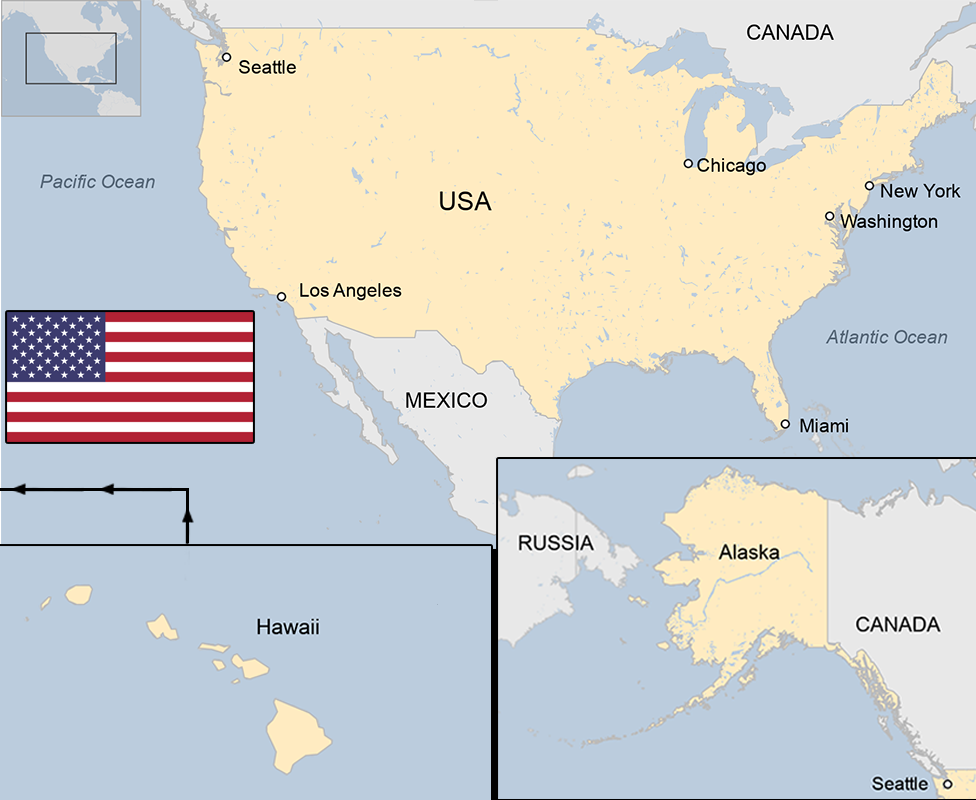
Central to internal branding is the cultivation of patriotism and national pride. Symbols like the flag, national anthems, historical monuments, and holidays serve as powerful brand touchpoints, evoking a sense of shared heritage and collective identity. These elements are not merely decorative; they are strategic tools that reinforce core values and unite a diverse population under a common banner. From school curricula to public ceremonies, efforts are made to instill a sense of belonging and commitment to the American ideal. While the expression of patriotism can vary greatly, the underlying intent is to create a cohesive national identity that transcends regional or ethnic differences, reminding citizens of their shared stake in the “American project.” This internal alignment is crucial for the brand’s resilience, especially during times of crisis.
Regional Identities and Their Contribution to the Whole
Despite the overarching national brand, America is a tapestry of distinct regional identities, each contributing its unique flavor to the national whole. The rugged individualism of the West, the traditional values of the South, the intellectualism of the Northeast, and the innovative spirit of California all represent distinct sub-brands that collectively form the larger American identity. These regional differences are not weaknesses but rather enrich the overall brand, offering variety and depth. They provide distinct narratives and cultural expressions that can be both celebrated internally and appreciated externally. Understanding how these regional “sub-brands” interact and contribute to the national narrative is essential for a holistic view of “what American” truly means, allowing for a more nuanced and resilient brand strategy.
The Role of Media and Digital Narratives in Shaping Self-Perception
In the digital age, media and online narratives play an unprecedented role in shaping how Americans perceive themselves and their nation. News cycles, social media trends, documentaries, and even user-generated content constantly construct and deconstruct the American identity. These platforms can amplify positive stories of innovation and community, but also highlight divisions, injustices, and challenges, directly impacting public morale and internal cohesion. For the American brand, managing these digital narratives is crucial. It requires active engagement, fostering responsible journalism, promoting constructive dialogue, and strategically communicating core values to counter misinformation and negative stereotypes. The battle for the American narrative is increasingly fought online, making digital literacy and strategic communication paramount for brand management.
Challenges and Opportunities in Modern American Branding
The 21st century presents both formidable challenges and unique opportunities for the American brand. Navigating a rapidly changing global landscape, addressing internal divisions, and adapting to new communication paradigms are critical for its continued relevance and positive perception.
Bridging Divides: Crafting a Cohesive Narrative
One of the most significant challenges for the American brand today is internal polarization. Deep ideological, political, and cultural divides threaten to fragment the national narrative, making it difficult to present a cohesive image both domestically and internationally. Crafting a unified and inspiring narrative that acknowledges legitimate differences while emphasizing shared values and aspirations is essential. This involves seeking common ground, fostering empathy, and highlighting stories of collaboration and resilience that transcend partisan lines. The opportunity lies in demonstrating that diversity can coexist with unity, showcasing a mature democracy capable of self-correction and collective progress. A stronger, more unified internal narrative will naturally project a more robust and confident brand externally.
Authenticity and Transparency: The Demand for Genuine Representation
In an era of instant information and skepticism towards traditional institutions, authenticity and transparency have become non-negotiable for brand success. The American brand is increasingly held to a higher standard, with global audiences and its own citizens demanding genuine representation, not just aspirational rhetoric. This means acknowledging past mistakes, addressing present challenges forthrightly, and demonstrating a commitment to its stated values. Simply projecting an image of freedom and opportunity is insufficient; there must be demonstrable evidence that these ideals are actively pursued and protected. The opportunity here is to build deeper trust by fostering open dialogue, being accountable for actions, and showing vulnerability where appropriate, thereby creating a more relatable and credible brand.
Adapting to a Multipolar World: Redefining Global Leadership
The global landscape is shifting from a unipolar world dominated by the U.S. to a more multipolar environment with rising powers and complex interdependencies. For the American brand, this necessitates a re-evaluation of its role as a global leader. Instead of solely projecting power, the opportunity lies in redefining leadership through collaboration, partnership, and shared responsibility for global challenges like climate change, pandemics, and economic instability. This involves leveraging its strengths in innovation and economic power not just for its own benefit, but for collective progress. Adapting to this new reality means fostering a brand image that is less about unilateral dominance and more about collaborative influence, thereby building stronger alliances and ensuring sustained global relevance.
The Future of the American Brand: A Strategic Outlook
Looking ahead, the strategic management of the American brand will require foresight, adaptability, and a renewed commitment to its founding principles while embracing necessary evolution. The future success of “what American” means will hinge on how effectively it navigates complex challenges and leverages its inherent strengths.
Leveraging Technological Prowess for Brand Reinvention
America’s technological leadership presents a unique opportunity for brand reinvention. By continuing to drive innovation in areas like sustainable energy, AI, biotechnology, and space exploration, America can reinforce its image as a forward-thinking nation committed to solving humanity’s grand challenges. Beyond technological products, leveraging digital platforms for more effective public diplomacy, cultural exchange, and direct engagement with global citizens can humanize the brand, making it more accessible and responsive. This means not just creating technology, but using it strategically to tell compelling stories, build connections, and showcase its values to a global audience in real-time.
Emphasizing Shared Values in a Divided Landscape
Despite internal divisions, certain core values—such as justice, equality, self-improvement, and resilience—remain broadly resonant within American society and globally. The future of the American brand depends on emphasizing these shared values as foundational elements, even while acknowledging and working through disagreements on their application. By focusing on areas of consensus and common aspiration, the brand can present a more unified and purpose-driven image. This requires leaders and institutions to actively seek common ground, articulate a unifying vision, and celebrate the diverse ways in which these values are expressed across the nation, fostering a renewed sense of collective identity.

Cultivating Global Partnerships for Mutual Brand Enhancement
In an interconnected world, no brand thrives in isolation. The future of the American brand will increasingly rely on its ability to cultivate genuine global partnerships. By collaborating with other nations on critical issues, engaging in fair trade, and promoting multilateralism, America can enhance its own brand while simultaneously elevating the brands of its partners. This approach fosters mutual respect, builds trust, and positions America as a reliable and constructive force on the world stage. Strategic alliances, joint initiatives, and shared cultural exchanges will be instrumental in reinforcing a positive, collaborative, and enduring American brand identity for the decades to come.
In conclusion, “what American” signifies is a rich tapestry woven from innovation, diversity, freedom, and a dynamic spirit of entrepreneurship. While its brand narrative faces ongoing challenges from internal divisions and a shifting global power balance, the fundamental pillars remain potent. By strategically leveraging its technological prowess, emphasizing shared values, and fostering authentic global partnerships, the American brand has the opportunity to not only maintain its relevance but to evolve into an even more powerful, inclusive, and globally respected identity in the 21st century.
aViewFromTheCave is a participant in the Amazon Services LLC Associates Program, an affiliate advertising program designed to provide a means for sites to earn advertising fees by advertising and linking to Amazon.com. Amazon, the Amazon logo, AmazonSupply, and the AmazonSupply logo are trademarks of Amazon.com, Inc. or its affiliates. As an Amazon Associate we earn affiliate commissions from qualifying purchases.