
In an increasingly digital world, managing our finances has become more convenient than ever, with a vast array of online tools and platforms at our fingertips. From opening new accounts to transferring funds and paying bills, much of our banking can now be done without ever setting foot in a physical branch. This convenience extends, for many, to the process of closing an account. While the idea of shutting down a financial account might seem daunting, understanding “how to close a bank account online” is a crucial aspect of personal financial management. This guide will walk you through the why, what, and how of online account closure, ensuring a smooth and secure transition of your financial affairs.
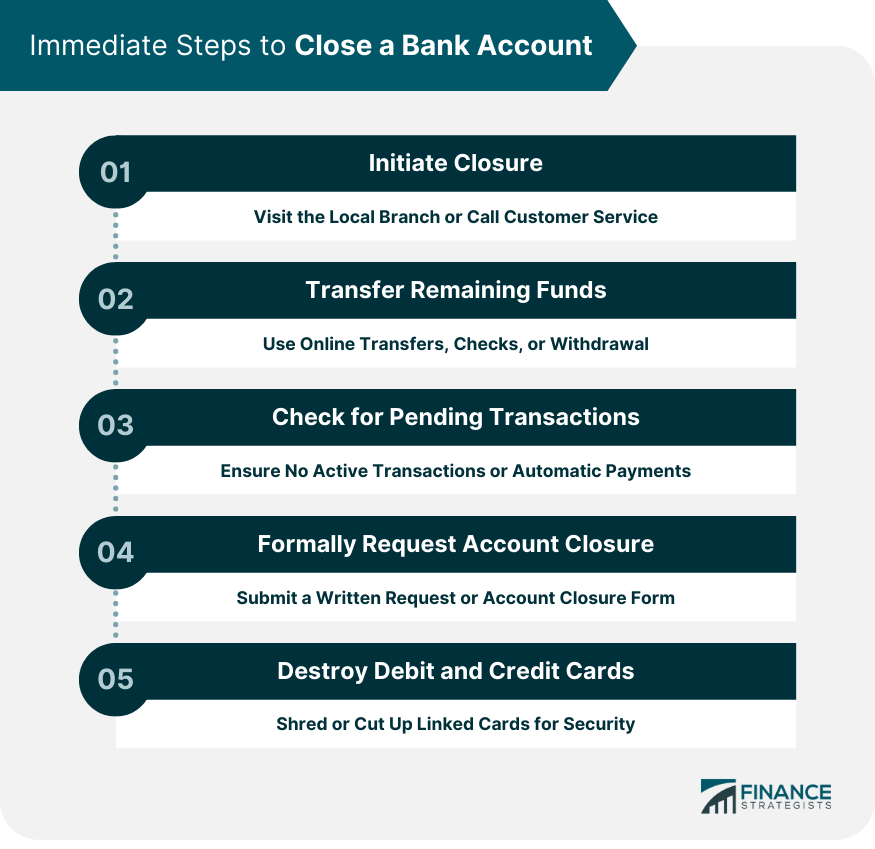
Closing a bank account isn’t merely about hitting a button; it’s a financial decision with implications for your direct deposits, automatic payments, credit score, and overall financial organization. Whether you’re consolidating your assets, switching to a bank with better terms, or simply decluttering your financial life, approaching the process systematically and informed is key. Embracing the digital avenues available can streamline this task, provided you follow the right steps and exercise due diligence.
Why Consider Closing a Bank Account Online?
The decision to close a bank account is often driven by a variety of personal financial circumstances and strategic considerations. Understanding these motivations can help you assess if closing an account is the right move for your current financial situation, emphasizing the importance of informed personal finance decisions.
Consolidating Finances
One of the most common reasons individuals choose to close bank accounts is to simplify and consolidate their financial holdings. Having multiple checking and savings accounts across different institutions can make tracking expenses, managing budgets, and monitoring overall financial health unnecessarily complex. By closing dormant or less-frequently used accounts, you can streamline your banking, making it easier to manage your money effectively and avoid potential oversight. This consolidation often leads to a clearer financial picture, reducing the likelihood of missed payments or overlooked fees.
Dissatisfaction with Services or Fees
Banks, like any service provider, vary widely in their offerings, customer service quality, and fee structures. If you’re consistently encountering high monthly maintenance fees, unfavorable interest rates, or a lack of desired features (such as robust online banking tools or competitive savings options), it might be time to seek greener pastures. Switching to a new financial institution that better aligns with your needs and offers more transparent or lower fees is a powerful incentive to close an existing account. This decision is purely a financial optimization strategy, ensuring your money works harder for you.
Moving or Relocating
Geographical relocation, especially across state lines or internationally, often necessitates a change in banking relationships. While many national banks offer widespread branch networks, a local credit union or a bank with a stronger presence in your new area might provide more localized services or better community engagement. Closing an account from a previous location and establishing a new one in your current residence is a practical step towards localizing your financial services and accessing convenient in-person support if needed. This also prevents the hassle of maintaining an account far from your current residence.
Avoiding Inactive Account Fees
Many banks levy “inactive account” fees on accounts that haven’t seen any activity for an extended period, typically 6 to 12 months. These fees can slowly erode your balance, especially on accounts you’ve forgotten about or stopped using. Proactively closing these accounts prevents unnecessary financial drain and ensures that all your funds are in active, productive accounts. It’s a critical aspect of efficient personal finance management to ensure every dollar is accounted for and working for you.
Security Concerns or Fraud
In unfortunate circumstances, an account might be compromised due to fraud or identity theft. While banks have robust security measures, if you suspect your account has been deeply infiltrated or you’ve experienced repeated security incidents, closing the account and opening a new one might be a necessary step to protect your financial assets. This measure, though extreme, can provide peace of mind and a fresh start with enhanced security protocols.
Essential Preparations Before Initiating Closure Online
Closing a bank account, especially online, requires a methodical approach to prevent financial disruptions. Before you even think about locating the “close account” button, there are several crucial financial preparations you must undertake. These steps ensure a smooth transition and safeguard your financial integrity.
Verifying Account Balance and Activity
The very first step is to check your current account balance and review recent transactions. Ensure all outstanding checks have cleared, and no pending debits or credits are expected. It’s advisable to leave a small buffer amount in the account (e.g., $10-$20) until you receive final confirmation of closure, just in case any lingering charges appear. Overdrawing an account during the closure process can complicate matters and incur additional fees. Reviewing activity also helps you identify any recurring transactions you might have forgotten about.
Updating Direct Deposits and Automatic Payments
This is perhaps the most critical preparation. All direct deposits (paychecks, government benefits, investment dividends) and automatic payments (utility bills, subscriptions, loan payments, mortgage) linked to the account you wish to close must be updated with your new banking information. Start this process well in advance, as some institutions might take a billing cycle or two to process changes. A common strategy is to keep both accounts active simultaneously for a month or two, allowing all automatic transfers to reroute successfully to your new account. Missing a payment due to an un-updated account can lead to late fees, service interruptions, and even damage your credit score.
Transferring Funds and Settling Outstanding Balances
Once all direct deposits and automatic payments are rerouted, transfer the bulk of your funds from the old account to your new one. This can often be done via an online transfer, wire transfer (though fees may apply), or by requesting a cashier’s check from the bank. If your account has any outstanding loans, credit card balances linked to it, or overdrafts, these must be settled in full before the bank will allow closure. Failure to do so can result in serious financial repercussions and impact your relationship with the institution.
Downloading and Retaining Account Statements
For tax purposes, record-keeping, and future reference, download and save at least the last 5-7 years of account statements. Most online banking platforms allow you to download statements as PDF files. Store these securely in a digital folder or print hard copies. These documents are vital for proving income, tax deductions, or resolving any financial disputes that may arise years down the line. Remember, once the account is closed, accessing these statements can become difficult or even impossible without incurring significant fees.
Confirming Alternative Banking Arrangements
Before closing your primary account, ensure you have a fully functional alternative in place. This means opening a new checking and/or savings account, receiving your new debit card and checkbook, and setting up online access. Having a financial safety net is crucial; never close an account without having a secure and accessible alternative ready to take over your financial transactions immediately.
Navigating the Online Account Closure Process

Once your preparations are complete, you can confidently proceed with the actual online closure. While the exact steps may vary slightly between financial institutions, the general process for how to close a bank account online follows a similar trajectory.
Locating the Closure Option within Online Banking Portals
Begin by logging into your bank’s online banking portal or mobile app. Look for sections typically labeled “Account Services,” “Manage Accounts,” “Help & Support,” or similar. Many banks will have a specific form or link for account closure requests. If you cannot find it, utilize the bank’s internal search function or navigate to their FAQ section, which often provides guidance on this process. Some banks might require you to send a secure message through their portal or even make a phone call, even if the initial request is online.
Required Information and Documentation
When initiating an online closure, you will likely be asked for specific information to verify your identity and intent. This typically includes your account number, routing number, full legal name, address, phone number, and potentially answers to security questions. In some cases, particularly for larger sums or dormant accounts, the bank might require a digitally signed form or a photo ID upload to ensure it’s truly you making the request. Have all your personal and account details readily available to expedite the process.
Understanding Closure Forms and Waivers
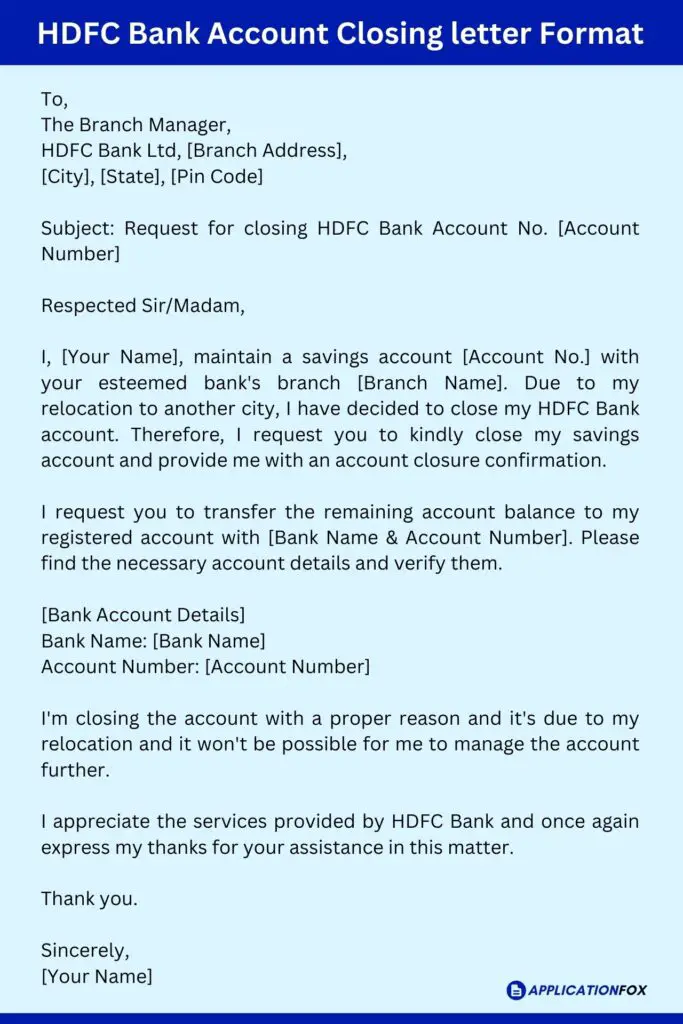
Some online closure processes involve filling out a digital form or acknowledging a waiver. This form might ask for your reason for closing the account (though typically optional), your desired method for receiving any remaining funds (e.g., direct deposit to another account, check by mail), and confirmation that all direct deposits and automatic payments have been redirected. Carefully read any terms or conditions presented, ensuring you understand if there are any final fees for closure (rare but possible) or outstanding obligations. Digitally sign or confirm your agreement as required.
Confirming Closure Through Digital Communication
After submitting your request, monitor your email and your online banking message center for a confirmation from the bank. This confirmation should acknowledge your request and provide an estimated timeline for completion. Once the account is officially closed, you should receive a final confirmation, often stating a zero balance and that the account is no longer active. Keep all these communications as proof of closure. If you don’t receive confirmation within the stated timeframe, follow up with the bank’s customer service via secure message or phone.
Common Pitfalls and Troubleshooting
A common pitfall is attempting to close an account with a negative balance or pending transactions. Ensure your balance is positive and clear. Another issue can be linked loans or credit cards; resolve these first. If you encounter difficulties finding the online closure option or completing the digital form, don’t hesitate to use the bank’s online chat support or call their customer service line. Be prepared to patiently explain your situation and provide all necessary verification. Sometimes, a specific type of account might not be eligible for full online closure and requires a physical visit or mailed documents.
Post-Closure Steps and Financial Vigilance
Closing a bank account is a significant financial action, and your responsibilities don’t end the moment you receive the closure confirmation. A period of vigilance and careful record-keeping is essential to ensure everything is truly wrapped up and your financial health remains secure.
Monitoring New Account Activity
For at least one to two billing cycles after closing the old account, meticulously monitor your new bank account for all expected direct deposits and automatic payments. Double-check that all recurring transactions have successfully transitioned. This proactive monitoring helps catch any missed updates early, allowing you to rectify them before they cause significant issues like late fees or service interruptions. This continuous financial oversight is a cornerstone of responsible money management.
Verifying Final Statements and Confirmations
Once your account is officially closed, your bank should send a final statement or closure confirmation letter. Review this document carefully. It should show a zero balance, confirm the date of closure, and typically state that there are no further obligations or outstanding funds. Reconcile this with your own records. If the final balance is anything other than zero, or if you spot discrepancies, contact the bank immediately for clarification and resolution. These documents are crucial for your financial archives.
Safeguarding Personal and Financial Information
After closing an account, it’s vital to properly dispose of any physical items like old debit cards, checkbooks, and paper statements associated with that account. Shred these documents and cut up your cards to prevent identity theft. Furthermore, update any online profiles or services where your old banking information might be stored (e.g., e-commerce sites, subscription services that might retain card details). Ensure all digital copies of statements are stored securely, preferably encrypted, and backed up.
Understanding Tax Implications (if any)
For most standard checking and savings accounts, closing an account typically has no direct tax implications. However, if the account held significant interest income, or if it was a specialized account like a money market account with capital gains, consult a financial advisor or tax professional. They can clarify any potential tax reporting requirements or implications for the tax year in which the account was closed, ensuring you remain compliant.
When to Seek Professional Financial Advice
While this guide covers the general process, individual financial situations can be complex. If you have multiple accounts, significant assets, outstanding debts, or unique financial arrangements, considering professional financial advice can be invaluable. A financial advisor can help you strategically plan your account closures, minimize risks, optimize transfers, and ensure all implications, including those for your credit score or investment portfolio, are properly addressed. Their expertise can provide peace of mind and prevent costly mistakes.
The Future of Digital Account Management
The ability to close a bank account online is a testament to the ongoing evolution of digital finance. As technology continues to advance, we can expect even more streamlined and secure processes for managing all aspects of our banking lives, further empowering individuals to take control of their financial destinies with unprecedented ease.
Enhancing User Experience
Banks are continually investing in their digital platforms to enhance user experience. This means more intuitive interfaces, clearer pathways for complex actions like account closure, and personalized support directly within the online banking environment. Expect AI-powered chatbots and virtual assistants to become even more sophisticated, guiding users through processes and answering questions instantly, making financial tasks less daunting and more accessible.
Security Features and Best Practices
As more financial activities move online, the emphasis on digital security will only grow. Multi-factor authentication, biometric logins, real-time fraud monitoring, and end-to-end encryption are standard today, and future innovations will further fortify these defenses. Users, too, must embrace best practices: using strong, unique passwords, being wary of phishing attempts, and regularly reviewing account activity are crucial for maintaining financial security in the digital age.
The Role of Financial Technology (FinTech)
FinTech innovations are driving much of this change. From challenger banks offering entirely digital services to integrated financial planning apps, FinTech solutions are pushing traditional banks to innovate faster. We’ll likely see more interoperability between financial platforms, making it even easier to transfer funds, manage investments, and switch services seamlessly. This competitive landscape ultimately benefits consumers, providing more choices and greater control over their financial lives.
In conclusion, knowing how to close a bank account online is an essential skill in modern personal finance. By understanding the reasons, preparing meticulously, navigating the process carefully, and remaining vigilant post-closure, you can execute this financial transition with confidence and ease. The digital revolution has empowered us with unprecedented control over our money; leveraging these tools wisely is key to achieving financial stability and peace of mind.
aViewFromTheCave is a participant in the Amazon Services LLC Associates Program, an affiliate advertising program designed to provide a means for sites to earn advertising fees by advertising and linking to Amazon.com. Amazon, the Amazon logo, AmazonSupply, and the AmazonSupply logo are trademarks of Amazon.com, Inc. or its affiliates. As an Amazon Associate we earn affiliate commissions from qualifying purchases.