
Navigating the world of car loans can feel like a complex journey, with one of the most significant factors being the interest rate. It’s a number that directly impacts the total cost of your vehicle and your monthly budget for years to come. Unlike a fixed price tag, car loan interest rates are dynamic, influenced by a myriad of economic forces, lender policies, and, crucially, your personal financial profile. There isn’t a single “current interest rate” that applies to everyone; instead, it’s a spectrum of possibilities determined by a careful assessment of various factors. Understanding these elements is key to securing the most favorable terms for your next vehicle purchase. This article will delve into the intricacies of car loan interest rates, outlining what drives them, how they impact you, and strategies to secure the best possible deal.
Understanding Car Loan Interest Rates: Key Factors at Play
The interest rate you’re offered on a car loan doesn’t materialize out of thin air. It’s a carefully calculated figure that reflects both broader economic conditions and specific characteristics of the loan and borrower. Dissecting these influencing factors is the first step toward demystifying the process.
Economic Indicators and Monetary Policy
At a macro level, the Federal Reserve’s monetary policy decisions play a monumental role in shaping all lending rates, including those for car loans. When the Federal Reserve raises or lowers the federal funds rate, it ripples through the financial system, affecting the prime rate and, subsequently, the interest rates that banks and other lenders charge consumers. High inflation, for instance, often prompts central banks to raise rates to cool the economy, making borrowing more expensive. Conversely, during periods of economic slowdown, rates may be lowered to stimulate spending and investment. The overall health of the economy, including employment figures and consumer confidence, also subtly influences lenders’ willingness to extend credit and at what cost. This means that the “current” interest rate is a moving target, constantly adjusting to the prevailing economic climate.
Lender Type and Competition
Not all lenders operate on the same playing field, and the type of institution you approach can significantly impact the interest rate you receive.
- Banks: Traditional banks often offer competitive rates, especially to their existing customers with strong credit histories. They provide a full suite of financial services, making them a convenient option.
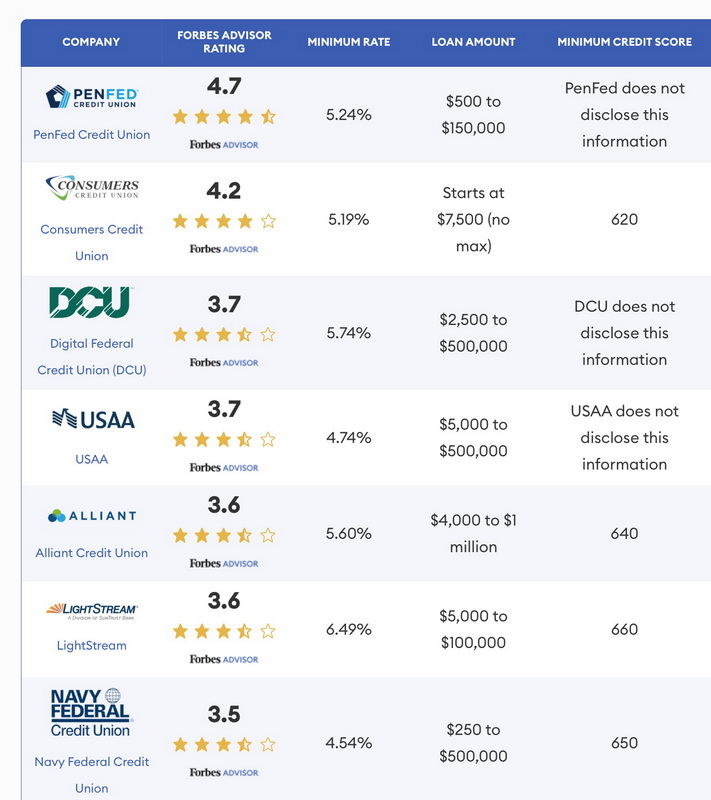
- Credit Unions: These member-owned financial cooperatives are renowned for often offering lower interest rates on loans, including car loans, because their primary goal isn’t profit maximization. Membership requirements typically apply but are often easy to meet.
- Captive Finance Companies: These are financing arms of car manufacturers (e.g., Toyota Financial Services, Ford Credit). They often offer highly attractive promotional rates, sometimes even 0% APR, particularly on new vehicles to incentivize sales. However, these deals are usually reserved for borrowers with excellent credit.
- Online Lenders: A growing segment, online lenders offer speed and convenience, often with competitive rates. They can be particularly useful for comparing offers quickly from various sources.
The competitive landscape among these lenders also pushes rates up or down. A robust market with many lenders vying for your business generally leads to more favorable rates for consumers.
Loan Term and Vehicle Type
The length of your loan and whether you’re buying a new or used vehicle are two other critical determinants of your interest rate.
- Loan Term: Generally, shorter loan terms (e.g., 36 or 48 months) tend to come with lower interest rates compared to longer terms (e.g., 60 or 72 months). While longer terms offer lower monthly payments, they expose the lender to more risk over time and typically result in paying more interest over the life of the loan.
- Vehicle Type (New vs. Used): New car loans typically carry lower interest rates than used car loans. This is because new cars usually have a higher resale value and are less likely to require immediate repairs, making them a less risky asset for lenders. Used cars, especially older models, present a higher risk due to potential depreciation and maintenance issues, which lenders offset with higher interest rates.
Factors Influencing Your Car Loan Rate
While macroeconomic conditions and lender types set the general framework, your individual financial profile is the most direct determinant of the specific interest rate you’ll be offered. Lenders assess your creditworthiness and ability to repay the loan to quantify the risk they’re taking on.
Your Credit Score
Undoubtedly, your credit score is the single most influential factor in securing a car loan interest rate. Lenders use scores like FICO and VantageScore to quickly gauge your credit risk. A higher credit score (generally 700+) indicates a history of responsible borrowing and timely payments, signaling to lenders that you are a low-risk borrower. This often translates into the lowest available interest rates. Conversely, a lower credit score (below 600) suggests a higher risk of default, prompting lenders to offer higher interest rates to compensate for that risk, or even to deny the loan outright. Even a difference of 50-100 points in your credit score can mean a significant difference in the interest rate, translating to hundreds or thousands of dollars in interest paid over the life of the loan.
Down Payment and Trade-in Value
Making a substantial down payment on your car purchase can significantly improve your interest rate. A larger down payment reduces the amount you need to borrow, which in turn lowers the lender’s risk. If you default on a loan with a significant down payment, the lender is more likely to recover their losses by repossessing and selling the vehicle. Similarly, trading in an existing vehicle with equity (meaning its value exceeds the amount you still owe on it) effectively acts as a down payment, achieving the same positive effect on your loan terms. A higher equity stake in the vehicle signals greater financial commitment from you, making you a more attractive borrower.
Debt-to-Income Ratio (DTI)
Your debt-to-income (DTI) ratio is a crucial metric lenders use to assess your capacity to take on additional debt. It’s calculated by dividing your total monthly debt payments (including housing, credit cards, student loans, etc.) by your gross monthly income. A lower DTI ratio indicates that you have ample income to cover your existing obligations plus the new car payment, making you a less risky borrower. Lenders typically look for a DTI ratio below 36%, though some may accept up to 43% depending on other factors. A high DTI suggests that adding another monthly payment might stretch your finances too thin, potentially leading to a higher interest rate or loan denial.
Loan-to-Value (LTV) Ratio
The loan-to-value (LTV) ratio compares the amount of money you are borrowing to the appraised value of the vehicle. If you’re borrowing the entire purchase price of a car, your LTV ratio would be 100% or higher (if you’re rolling in taxes and fees). A high LTV ratio means the lender has less collateral compared to the loan amount, presenting a higher risk. Conversely, a lower LTV, achieved through a larger down payment, indicates that you have more equity in the car from day one. This reduces the lender’s exposure to risk, especially in the event of default or if the vehicle depreciates quickly, often leading to a more favorable interest rate.
Average Car Loan Rates Today (and Where to Find Them)
While pinpointing a single “current” rate is impossible, understanding general market averages provides a useful benchmark. These averages fluctuate based on economic conditions and lender policies, but they offer a good starting point for your research.
General Market Averages
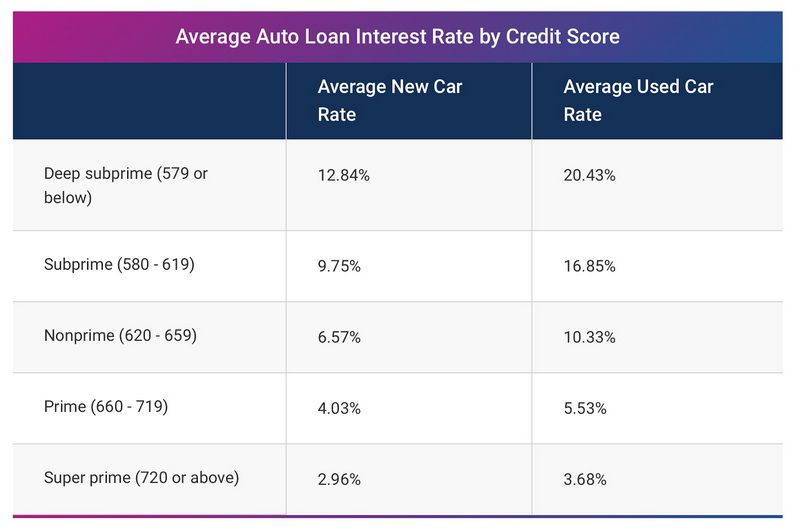
As of recent trends, typical car loan interest rates can vary widely:
- For New Cars: Borrowers with excellent credit (780+) might see rates in the range of 4.5% to 7.0% APR. Those with good credit (670-739) could expect rates from 7.0% to 10.0% APR. For fair credit (580-669), rates can jump to 11.0% to 15.0% APR or even higher.
- For Used Cars: Interest rates for used vehicles are generally higher due to the increased risk associated with older assets. Borrowers with excellent credit might get rates from 6.0% to 9.0% APR. Good credit holders could face rates between 9.0% to 12.0% APR. For fair credit, rates could easily be 15.0% to 20.0% APR or more.
It’s crucial to remember that these are illustrative ranges. Actual rates depend on the specific lender, loan term, current market conditions, and all the individual factors discussed previously. Promotional rates, especially for new cars through captive finance companies, can sometimes be significantly lower, even 0% APR for qualified buyers, but these are often limited-time offers for specific models.

How Rates are Quoted: Understanding APR
When comparing loan offers, pay close attention to the Annual Percentage Rate (APR), not just the nominal interest rate. The APR is the total cost of borrowing money for one year, expressed as a percentage. It includes the interest rate plus any additional fees, such as origination fees or points, that are rolled into the loan. This makes APR a more comprehensive and accurate measure for comparing the true cost of different loan offers. Always compare APRs to get a clear picture of which loan is genuinely cheaper.
Best Practices for Rate Shopping
The best way to find your specific “current interest rate” is to shop around.
- Get Pre-Approved: Apply for pre-approval with several different lenders (banks, credit unions, online lenders) within a short window (typically 14-45 days, depending on the credit scoring model). This allows multiple hard inquiries to count as a single inquiry on your credit report, minimizing impact. Pre-approvals give you a firm offer of what rate you qualify for before you even step foot in a dealership.
- Compare Offers Objectively: Don’t just look at the monthly payment. Focus on the APR, total interest paid, and any fees.
- Negotiate: With a pre-approval in hand, you have leverage. You can use a competitive offer from one lender to negotiate a better rate with another or with the dealership’s finance department.
Strategies to Secure a Lower Car Loan Interest Rate
Armed with an understanding of how rates are determined, you can actively work towards securing a more favorable interest rate. Proactive financial planning and strategic decision-making can save you a substantial amount over the life of your loan.
Improve Your Credit Score
Since your credit score is paramount, taking steps to boost it can yield significant returns.
- Review Your Credit Report: Obtain free copies of your credit report from AnnualCreditReport.com and dispute any errors or inaccuracies.
- Pay Bills on Time: Payment history is the biggest factor in your credit score. Make sure all your bills, especially credit card payments, are paid by their due dates.
- Reduce Existing Debt: Lowering your credit utilization ratio (the amount of credit you’re using compared to your total available credit) can quickly improve your score.
- Avoid New Credit Applications: Limit applying for new credit cards or loans in the months leading up to your car loan application, as new inquiries can temporarily ding your score.
Make a Larger Down Payment
As discussed, a larger down payment reduces the loan amount and the lender’s risk, often translating into a lower interest rate. Aim for at least 10-20% of the vehicle’s purchase price, if possible. Not only does this reduce your interest costs, but it also helps prevent you from being “upside down” on your loan (owing more than the car is worth) early in the ownership period.
Shorten Your Loan Term
While a longer loan term means lower monthly payments, it almost always results in a higher interest rate and significantly more total interest paid over time. If your budget allows, opt for the shortest loan term you can comfortably afford. For example, a 48-month loan will almost certainly have a lower APR than a 72-month loan, even with the same credit score. This trade-off between monthly payment affordability and total cost is a critical decision point.
Shop Around Extensively
This cannot be stressed enough. Never accept the first offer you receive, especially from a dealership’s finance department, without comparing it to others. Obtain pre-approvals from multiple types of lenders (banks, credit unions, online lenders) to see a wide range of rates. Having these offers in hand empowers you to negotiate the best possible deal.
Consider Refinancing
If you’ve already purchased a car and your financial situation has improved (e.g., your credit score has increased, or interest rates have generally fallen), you might be able to refinance your existing car loan. Refinancing replaces your current loan with a new one, potentially with a lower interest rate, which can reduce your monthly payments and/or the total interest you’ll pay over the remaining term. This is a particularly useful strategy if you initially secured a high-interest loan due to a less-than-perfect credit score that has since improved.
Beyond the Interest Rate: Other Loan Considerations
While the interest rate is undeniably crucial, it’s part of a larger financial picture. Understanding the complete cost of your loan and the terms of the agreement is vital for making an informed decision.
Total Cost of the Loan
Focusing solely on the monthly payment or even the APR can sometimes obscure the full financial commitment. Calculate the total interest paid over the entire loan term. A seemingly small difference in APR can translate into hundreds or even thousands of dollars in extra interest over a 5-6 year loan. Use online car loan calculators to compare the total cost of different loan scenarios, factoring in the principal, interest, and term.
Fees and Charges
Be vigilant about any additional fees that might be tacked onto your loan. These can include:
- Origination Fees: A fee charged by the lender for processing the loan.
- Documentation Fees: Charged by the dealership for preparing the paperwork.
- Prepayment Penalties: Some loans might charge a fee if you pay off the loan early. While less common with car loans today, it’s important to check.
- Application Fees: Less common but worth noting.
Always ask for a detailed breakdown of all fees and charges to ensure transparency and avoid hidden costs.
Understanding the Loan Agreement
Before signing any documents, read the entire loan agreement carefully. Pay close attention to:
- The APR: Confirm it matches what you were quoted.
- Loan Term: Ensure it’s the agreed-upon length.
- Monthly Payment: Verify the amount.
- Any Clauses Regarding Default: Understand what happens if you miss payments.
- Insurance Requirements: Lenders typically require full coverage insurance until the loan is paid off.
Don’t hesitate to ask questions if anything is unclear. It’s your right to understand every aspect of your financial obligation.
In conclusion, determining the “current interest rate on a car loan” is less about finding a universal number and more about understanding the complex interplay of economic forces, lender practices, and your individual financial standing. By improving your credit, making a strong down payment, and diligently shopping around for the best offers, you can significantly influence the rate you receive and save substantial money over the life of your car loan. Approach your car financing with diligence and an informed perspective to drive away with both the car you want and a loan you can comfortably manage.
aViewFromTheCave is a participant in the Amazon Services LLC Associates Program, an affiliate advertising program designed to provide a means for sites to earn advertising fees by advertising and linking to Amazon.com. Amazon, the Amazon logo, AmazonSupply, and the AmazonSupply logo are trademarks of Amazon.com, Inc. or its affiliates. As an Amazon Associate we earn affiliate commissions from qualifying purchases.