
The Financial Genesis of a Pop Culture Phenomenon
The trajectory of Rick Harrison, the co-owner of the Gold & Silver Pawn Shop in Las Vegas and the central figure of the hit reality television series Pawn Stars, is a compelling case study in leveraging a niche business into a multi-million dollar financial empire. Before the glare of television cameras transformed a local establishment into a global brand, the Gold & Silver Pawn Shop operated as a quintessential small business, deeply rooted in the principles of asset-backed lending and secondary market sales. Understanding Rick Harrison’s current financial standing and business activities requires an examination of this foundational period and how it laid the groundwork for unprecedented financial growth.

From Humble Beginnings to a Multi-Million Dollar Empire
Rick Harrison’s journey in the pawn industry began early, steeped in the practicalities of business management and customer relations. His father, Richard “Old Man” Harrison, established the Gold & Silver Pawn Shop in 1989. Rick, a natural entrepreneur with a keen eye for valuable artifacts and a sharp business acumen, quickly became instrumental in its operations. The pawn shop model itself is a testament to financial practicality: it offers short-term loans secured by personal property. If the loan is repaid with interest, the item is returned; if not, the item becomes the property of the pawn shop and is sold to recoup the loan amount and generate profit. This model, while often misunderstood, serves a critical financial need for individuals seeking immediate liquidity without traditional banking channels.
Under Rick’s influence, the Gold & Silver Pawn Shop cultivated a reputation for dealing in an extraordinary array of items, from historical artifacts and rare collectibles to everyday electronics. This diverse inventory, coupled with Rick’s developing expertise in appraisal and negotiation, set the stage for the shop’s eventual ascent. Long before Pawn Stars, the Harrisons focused on shrewd buying, accurate appraisals, and strategic pricing – fundamental tenets of sound business finance that would later scale dramatically.
The Business Model Before the Cameras
Prior to its television debut in 2009, the Gold & Silver Pawn Shop functioned as a financially sound, albeit local, enterprise. Its revenue streams primarily consisted of interest earned on pawned items, profits from selling unredeemed collateral, and income from direct purchases and sales of merchandise. The store’s financial health was a direct reflection of its inventory turnover, the accuracy of its appraisals (which directly impacted profitability on sales), and its ability to attract and retain a customer base. Rick Harrison’s role was pivotal in establishing rigorous financial controls, optimizing inventory management, and developing a reputation for fair dealing – all crucial for sustainable business growth in a high-volume, low-margin industry. This period solidified the business’s financial foundation, preparing it for the exponential growth and complex financial management that mass media exposure would inevitably bring.
The Unprecedented Financial Impact of Reality Television
The advent of Pawn Stars on History Channel irrevocably altered the financial landscape for Rick Harrison and the Gold & Silver Pawn Shop. What began as a pitch to document the fascinating, often quirky, daily operations of a pawn shop rapidly evolved into a global television phenomenon, translating into an enormous financial windfall far exceeding the shop’s traditional business operations. This exposure transformed the shop from a local business into a major tourist attraction and a potent brand, creating multiple new revenue streams and significantly enhancing Rick Harrison’s personal and corporate wealth.
Revenue Streams Beyond the Pawn Counter
The primary and most significant financial impact of Pawn Stars was the massive increase in revenue generated directly from the television show itself. Rick Harrison, as the face of the show and a key proprietor, benefited from substantial appearance fees, production royalties, and syndication deals. While specific figures are often confidential, it’s widely reported that the main cast members earned significant per-episode salaries, which, over hundreds of episodes and many seasons, amounted to millions of dollars.
Beyond direct television income, the show’s popularity drove an unparalleled surge in foot traffic to the physical Gold & Silver Pawn Shop. Tourists flocked to the location, not just to pawn or buy items, but to experience the show’s setting firsthand. This dramatic increase in visitors naturally led to higher sales volumes for merchandise sold in the store, encompassing both traditional pawn items and a new line of show-branded souvenirs. The shop’s ability to handle this influx, while maintaining its core business, was a testament to its operational scaling and strategic financial planning. The shift from a local pawn shop to a global landmark required significant investments in staffing, security, and inventory management to capitalize on this newfound fame without compromising service quality.
Valuing the “Pawn Stars” Brand: Merchandise and Media Deals
The “Pawn Stars” brand itself became a valuable asset. This extended beyond the physical shop, encompassing a broad range of merchandise, licensing agreements, and promotional opportunities. From branded apparel, collectibles, and novelty items sold both online and in-store, to video games and books, the brand’s financial reach expanded exponentially. Rick Harrison and the family effectively monetized their celebrity through various endorsement deals and public appearances, leveraging their recognizable personalities to generate additional income.
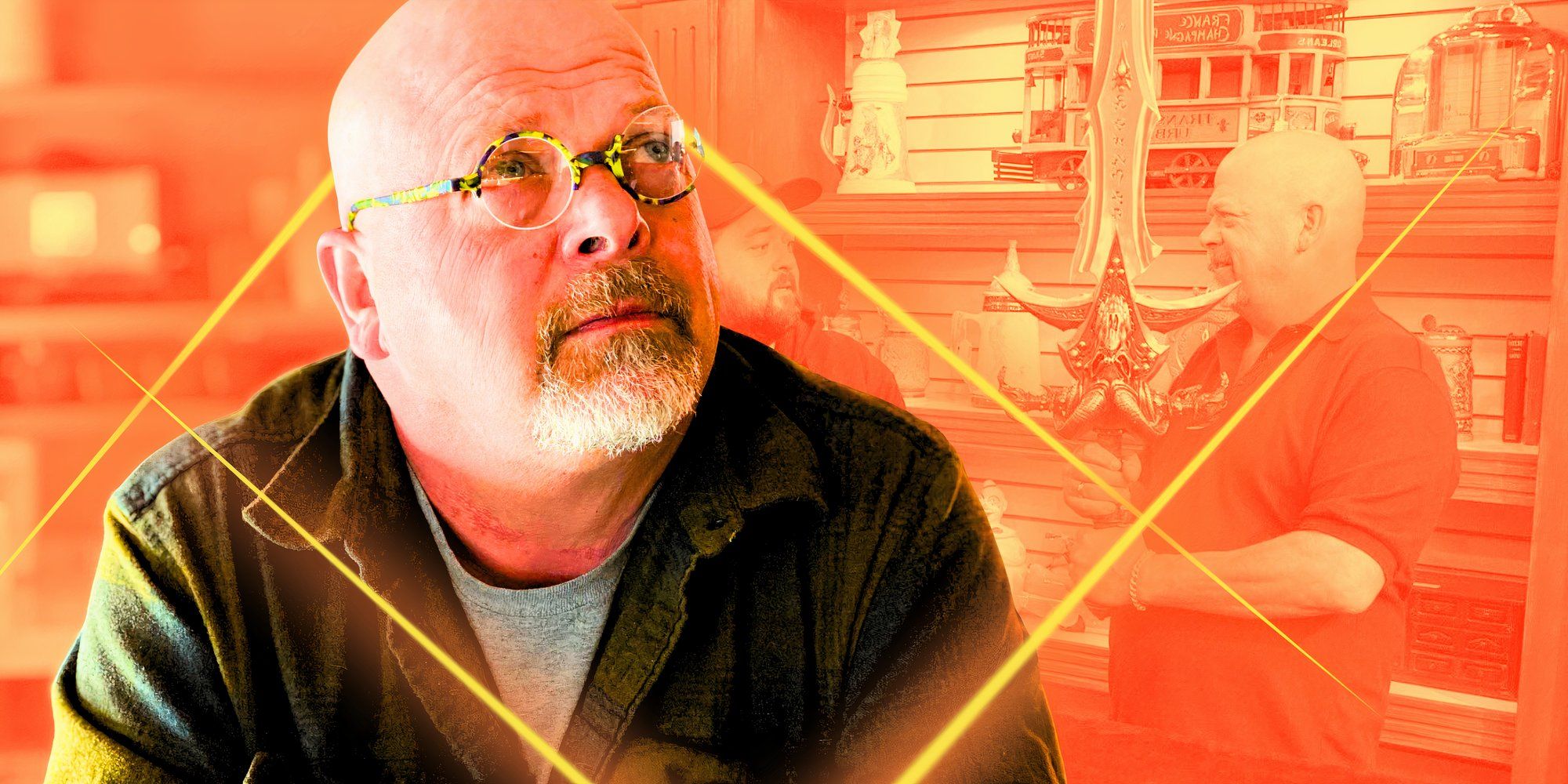
Furthermore, the show’s global syndication cemented its status as a major media property. Each international broadcast deal, streaming license, and ancillary media product contributed to the overall financial valuation of the “Pawn Stars” enterprise. This diversification of income streams, moving far beyond the traditional pawn business model, showcases a sophisticated understanding of brand monetization and intellectual property rights. The Gold & Silver Pawn Shop, under Rick’s guidance, transformed from merely selling valuable items into being a valuable media asset itself. This level of financial leverage is rare for small businesses and highlights the immense economic power of successful reality television.
Navigating the Business Landscape Post-Show Stardom
The sustained success of Pawn Stars presented Rick Harrison with a unique set of financial and operational challenges, as well as unprecedented opportunities. Maintaining the integrity of the original pawn business while capitalizing on its global fame required shrewd financial management, strategic diversification, and a long-term vision for wealth preservation and growth. Harrison’s approach demonstrates a clear understanding of transitioning from a localized operation to a diversified business portfolio.
Strategic Diversification and New Ventures
One of the key financial strategies employed by Rick Harrison post-stardom has been diversification. Recognizing the ephemeral nature of television fame, Harrison sought to invest in ventures that could sustain and grow his wealth beyond the show’s lifespan. While specifics are often kept private, public records and anecdotal evidence suggest investments in real estate, other business ventures, and strategic partnerships. For instance, the expansion of the “Pawn Stars” brand into related businesses, such as memorabilia authentication services or specialized collectible shops, represents a logical extension of their expertise.
These new ventures are not simply vanity projects; they are calculated financial moves designed to create multiple income streams and hedge against potential fluctuations in the television market or the core pawn business. By leveraging his brand equity and capital, Harrison has aimed to build a robust financial ecosystem, reducing reliance on any single source of income. This diversification is a hallmark of successful entrepreneurship, demonstrating an awareness of market dynamics and a commitment to long-term financial security.
Managing Wealth and Business Longevity
Managing the substantial wealth generated by Pawn Stars has been another critical aspect of Rick Harrison’s financial journey. This involves careful personal financial planning, tax strategy, and responsible investment. For the Gold & Silver Pawn Shop, ensuring its longevity meant adapting its operations to handle a global clientele while retaining its core function. This included modernizing its online presence, improving logistical capabilities for shipping items worldwide, and streamlining appraisal processes to handle a higher volume of diverse goods.
Maintaining the financial health of the original pawn shop, despite its celebrity status, has been paramount. The show undoubtedly inflated the value and public perception of many items, but the fundamental economics of buying, appraising, and selling remain constant. Rick Harrison has consistently emphasized the importance of sound business practices and fair valuations, which are critical for sustainable profitability and trust in the pawn industry. His business decisions reflect a balance between capitalizing on immediate opportunities and building a lasting financial legacy for his family and the business.
Rick Harrison’s Evolving Financial Legacy
Rick Harrison’s financial journey is more than just the story of a successful pawn shop owner; it’s a narrative of entrepreneurial evolution, wealth creation, and responsible stewardship. As Pawn Stars continues its run, Harrison remains a prominent figure, but his financial legacy extends beyond the show, encompassing philanthropy, community engagement, and strategic planning for the future.
Philanthropy and Community Investment
While often private about personal contributions, Rick Harrison has publicly supported various charitable causes, particularly those focused on education, veterans’ affairs, and local community initiatives in Las Vegas. From participating in fundraising events to leveraging his celebrity to draw attention to worthy causes, his financial influence extends into societal betterment. These philanthropic endeavors not only reflect personal values but also represent a form of social investment, contributing to the health and vitality of the community that played a significant role in his business success. Such investments, while not directly profit-driven, are an integral part of a comprehensive financial legacy, reflecting the broader impact of accumulated wealth.

Succession Planning and the Future of Gold & Silver Pawn
Looking ahead, a critical component of Rick Harrison’s evolving financial legacy involves succession planning for the Gold & Silver Pawn Shop. With his father’s passing and his son Corey increasingly taking on leadership roles, the groundwork for a multi-generational business continuum is being laid. This involves careful financial restructuring, training, and the delegation of responsibilities to ensure the business’s long-term viability and profitability. Effective succession planning is crucial for preserving wealth and maintaining the value of the Gold & Silver Pawn Shop brand, regardless of future television endeavors. It ensures that the financial stability and brand equity built over decades can continue to thrive, adapting to future market demands and technological advancements, securing Rick Harrison’s enduring financial impact.
aViewFromTheCave is a participant in the Amazon Services LLC Associates Program, an affiliate advertising program designed to provide a means for sites to earn advertising fees by advertising and linking to Amazon.com. Amazon, the Amazon logo, AmazonSupply, and the AmazonSupply logo are trademarks of Amazon.com, Inc. or its affiliates. As an Amazon Associate we earn affiliate commissions from qualifying purchases.