
In the modern financial landscape, the term “Airbnb” has transcended its origins as a simple startup name to become a verb, a noun, and, most importantly, a cornerstone of the modern “sharing economy.” For those looking at the platform through the lens of personal finance and investing, an Airbnb is not merely a place to stay; it is a sophisticated financial vehicle designed to monetize underutilized real estate assets.
At its core, Airbnb is a global marketplace that connects individuals who have space to spare with travelers seeking alternatives to traditional hospitality. However, from a money-centric perspective, it represents one of the most significant shifts in wealth generation of the 21st century. It has democratized real estate investing, allowing everyday homeowners to compete with multi-billion dollar hotel chains and transform their primary residences or investment properties into high-yield cash-flow machines.

Understanding Airbnb as a Financial Asset and Side Hustle
The fundamental appeal of Airbnb lies in its ability to turn a “liability”—a vacant room or an empty vacation home—into an “asset” that generates consistent monthly revenue. In traditional personal finance, a home is often considered a liability because it requires ongoing payments for mortgages, taxes, and maintenance without providing a direct cash return. Airbnb flips this script, enabling property owners to tap into the lucrative short-term rental (STR) market.
The Shift from Traditional Rentals to Short-Term Hosting
For decades, real estate investors relied on long-term leases (typically 12 months) to provide stability and predictable income. While safe, these leases often yield lower “cap rates” (capitalization rates) because the rent is capped by the local market’s monthly averages. Airbnb operates on a nightly or weekly rate structure, which allows hosts to capture “premium” pricing. By catering to travelers, business professionals, and digital nomads, a host can often earn two to three times the amount of a traditional monthly rent in just 10 to 15 days of occupancy. This increased velocity of money makes the STR model an attractive prospect for those looking to accelerate their path to financial independence.
Calculating Potential ROI: Income vs. Expenses
To view an Airbnb as a serious financial tool, one must master the art of the Return on Investment (ROI) calculation. Unlike a passive stock market investment, an Airbnb requires an initial capital outlay for “staging”—the process of furnishing and decorating a space to professional standards. High-performing hosts treat these costs as a business investment.
The financial formula for a successful Airbnb involves balancing the “Average Daily Rate” (ADR) and the “Occupancy Rate” against operational expenses such as cleaning fees, utilities, insurance, and platform commissions. A professional host doesn’t just look at the total revenue; they look at the “RevPAR” (Revenue Per Available Room). By maximizing this metric through strategic upgrades and guest experiences, an Airbnb becomes a high-margin business rather than just a hobby.
The Revenue Model: How Airbnb Generates Wealth for Hosts and the Company
Understanding the flow of money within the Airbnb ecosystem is vital for anyone looking to enter the market. The platform functions as a dual-sided marketplace, taking a percentage from both the guest and the host to facilitate trust, insurance, and payment processing. This fee structure is the engine that powers the platform’s multi-billion dollar valuation, but for the individual investor, the real magic happens through “Dynamic Pricing.”
Dynamic Pricing and Market Demand
In the world of finance, timing is everything. Airbnb’s software utilizes sophisticated algorithms that adjust nightly rates based on real-time market demand. During major events, such as the Super Bowl, music festivals, or graduation weekends, prices can skyrocket. For the savvy investor, this means the potential for “windfall profits” that are impossible to achieve in a fixed-rent scenario. By leveraging data analytics tools, hosts can automate their pricing to ensure they are always capturing the maximum possible value from the market, effectively running a micro-hotel with the efficiency of a high-frequency trading desk.
Service Fees and Net Profit Margins
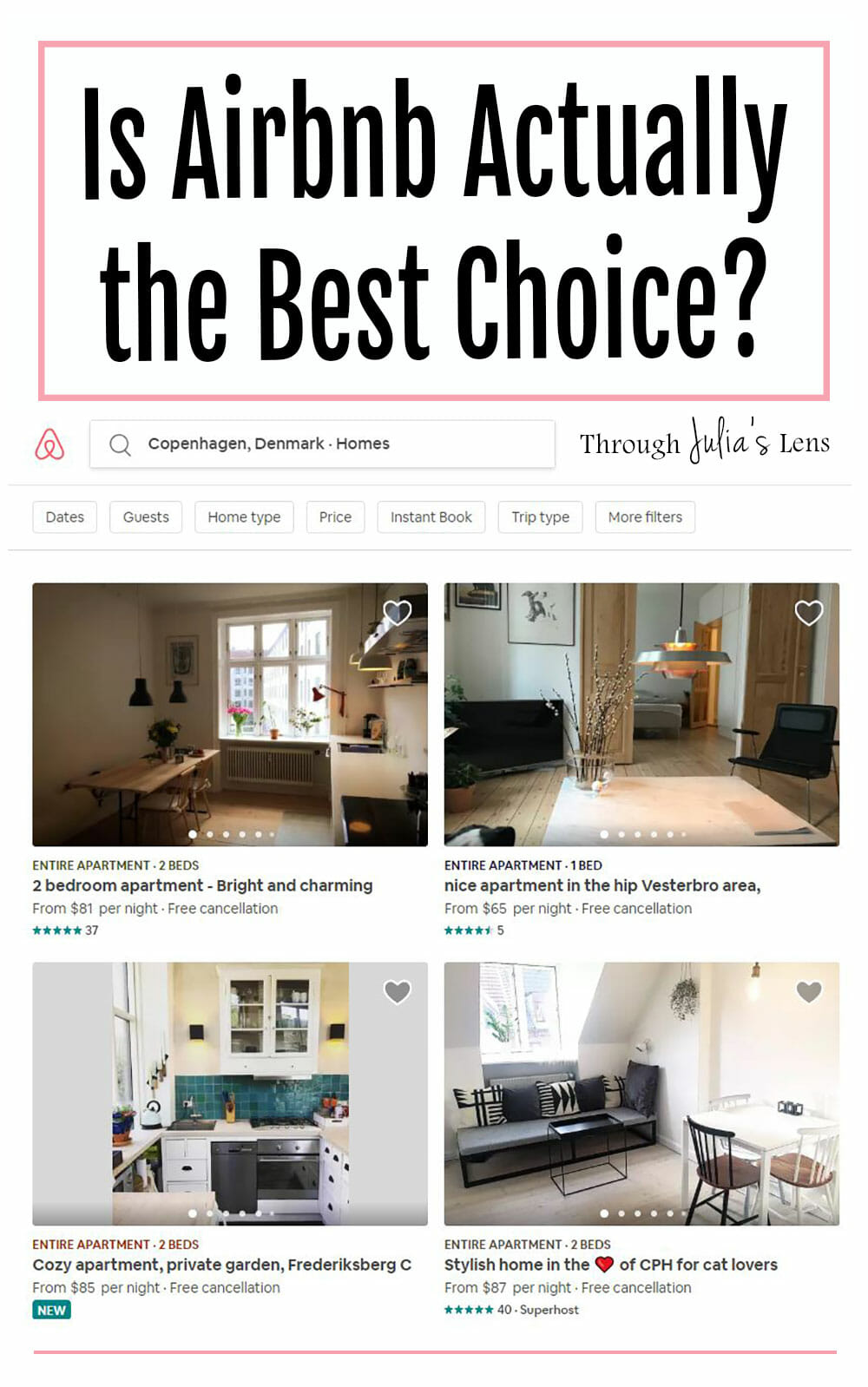
While the gross revenue of an Airbnb can be staggering, the net profit is what defines financial success. Airbnb typically charges hosts a flat service fee (usually around 3%), while guests pay a variable fee. From a business finance perspective, this low overhead for the host is remarkably efficient. There are no franchise fees or expensive marketing budgets required; Airbnb provides the global infrastructure and the “brand equity” that brings the customers to the door. This allows the host to maintain a leaner operation with higher net margins than almost any other sector in the hospitality or service industry.
Strategic Investing in the Airbnb Market
As the market for short-term rentals matures, the “Money” side of the equation has moved from casual hosting to professionalized property investment. Sophisticated investors are no longer just renting out their guest rooms; they are building diversified portfolios of properties specifically chosen for their performance on the Airbnb platform.
Identifying High-Yield Locations
Not all real estate is created equal when it comes to Airbnb. Successful investors use a data-driven approach to identify “pockets of opportunity.” This involves analyzing the price-to-rent ratio in specific zip codes and looking for areas where the tourism infrastructure is growing but the hotel supply remains constrained. Investing in a “destination” property—such as a cabin in the mountains or a condo near a major convention center—allows an investor to hedge against local economic downturns by tapping into a global pool of travelers. This geographical diversification is a key strategy for protecting one’s wealth.
Regulatory Risks and Financial Compliance
Every serious investor must account for risk, and in the Airbnb world, the primary risk is regulatory. Many cities have introduced “STR taxes” or zoning restrictions that can turn a profitable investment into a legal liability overnight. From a financial planning perspective, it is essential to have an “exit strategy.” This means ensuring that any property purchased for Airbnb can still “pencil out” (remain profitable or at least break even) as a long-term rental if local laws change. Managing this regulatory risk is the difference between a speculative gamble and a sound financial investment.
Diversifying Your Portfolio with Short-Term Rentals
Airbnb is increasingly being recognized by financial advisors as a legitimate alternative asset class. Including real estate in a portfolio provides a hedge against inflation, as property values and rental rates typically rise along with the Consumer Price Index (CPI). Airbnb takes this a step further by offering higher liquidity and more frequent cash distributions than traditional real estate syndications.
Scaling from a Spare Room to a Property Portfolio
The beauty of the Airbnb model is its scalability. Many of today’s most successful real estate moguls started with a single “Rental Arbitrage” deal. Rental Arbitrage is a business finance strategy where an individual signs a long-term lease on a property (with the landlord’s permission) and then re-rents it on Airbnb. This requires significantly less upfront capital than purchasing property, allowing for rapid scaling. By reinvesting the cash flow from the first unit into the deposits for a second and third, an entrepreneur can build a six-figure income stream in a remarkably short period.
The Role of Property Management Software in Maximizing Profit
To treat Airbnb as a passive income stream rather than a full-time job, investors utilize “PropTech” (Property Technology). Automated messaging, smart locks, and professional turnover services allow a host to manage multiple properties with minimal time investment. In financial terms, this is known as “decoupling time from money.” By automating the operational side of the business, the investor can focus on “high-value tasks” like searching for new acquisitions and optimizing the financial performance of their existing holdings.

Conclusion: The Future of Short-Term Rental Investing
When asking “What is an Airbnb?”, the answer is found in the intersection of real estate, technology, and personal finance. It is a powerful engine for wealth creation that has fundamentally changed how we think about the value of space. Whether you are a homeowner looking for a side hustle to pay off your mortgage faster, or a seasoned investor looking for double-digit yields, Airbnb offers a flexible and scalable path to financial growth.
However, as the market becomes more crowded, the “easy money” phase is transitioning into a “professional phase.” Success now requires a deep understanding of market trends, meticulous financial management, and a commitment to providing a high-quality product. By viewing Airbnb as a business rather than a side project, individuals can leverage the platform to build lasting wealth, achieve geographic freedom, and participate in the most significant economic shift of the digital age. In the final analysis, an Airbnb is whatever you make of it: a tool for debt reduction, a source of retirement income, or the foundation of a real estate empire.
aViewFromTheCave is a participant in the Amazon Services LLC Associates Program, an affiliate advertising program designed to provide a means for sites to earn advertising fees by advertising and linking to Amazon.com. Amazon, the Amazon logo, AmazonSupply, and the AmazonSupply logo are trademarks of Amazon.com, Inc. or its affiliates. As an Amazon Associate we earn affiliate commissions from qualifying purchases.