
For investors ranging from the casual retail trader to the high-frequency institutional firm, the clock is just as important as the ticker symbol. The New York Stock Exchange (NYSE), located at the iconic 11 Wall Street in Lower Manhattan, is the world’s largest stock exchange by market capitalization. Understanding when the NYSE opens and closes is not merely about knowing when to click “buy” or “sell”; it is about understanding the mechanics of global liquidity, price discovery, and the strategic windows that define the financial world.
Understanding the Standard Trading Schedule of the New York Stock Exchange
The NYSE operates on a strictly regulated schedule that facilitates trillions of dollars in transactions daily. For the vast majority of investors, the “Core Trading Session” is where the bulk of the action happens.
Regular Trading Hours
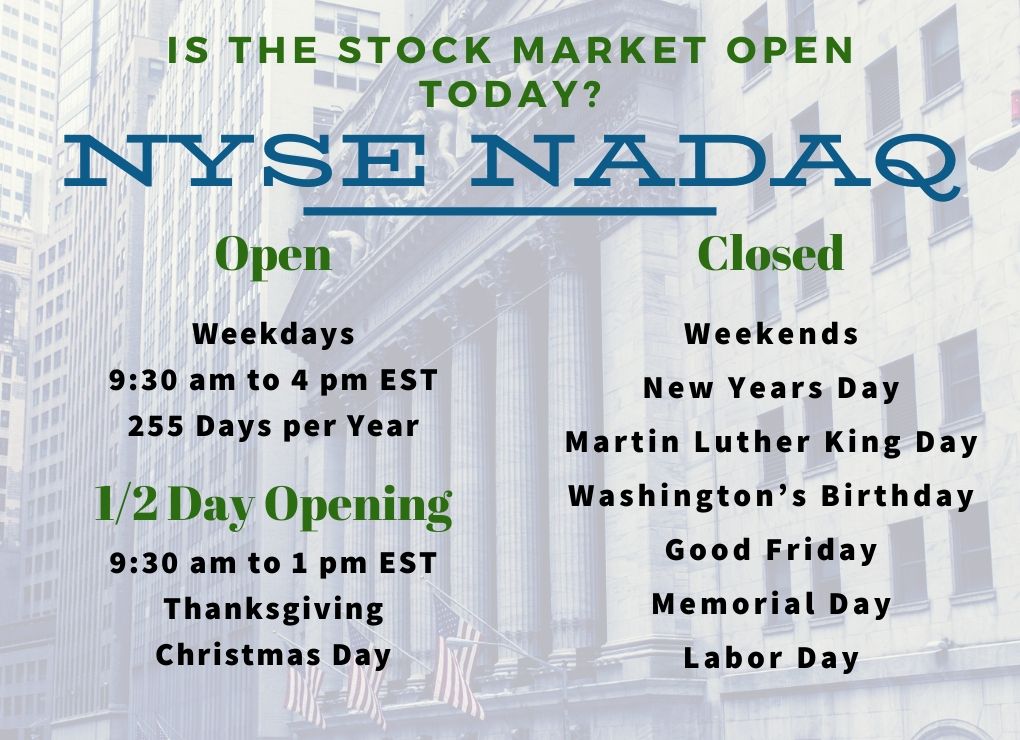
The NYSE is open for regular trading from Monday through Friday, 9:30 AM to 4:00 PM Eastern Time (ET). These hours have remained consistent for decades, providing a reliable window for price discovery. Unlike some international markets that take a midday break for lunch, the NYSE trades continuously through the noon hour, ensuring that capital remains fluid throughout the business day.
The Significance of the Opening and Closing Bells
The “Opening Bell” at 9:30 AM and the “Closing Bell” at 4:00 PM are more than just ceremonial traditions; they represent critical pivot points in the market’s liquidity. The opening bell signals the start of the “Opening Auction,” a process where the exchange matches buy and sell orders accumulated overnight to determine a fair starting price for each security. Similarly, the closing bell initiates the “Closing Auction,” which is often the period of highest volume in the entire trading day as fund managers rebalance portfolios to match closing prices.
Beyond the Bell: Pre-Market and After-Hours Trading
In the modern digital era, the market never truly sleeps. While the floor of the NYSE might be quiet outside of core hours, electronic trading continues through extended-hours sessions. These sessions are crucial for investors who need to react to news that breaks outside of the standard 9:30 AM to 4:00 PM window.
How Extended Hours Work
The NYSE offers “Pre-Market” and “After-Hours” trading sessions through its electronic growth platforms, such as NYSE Arca.
- Pre-Market Trading: Typically runs from 4:00 AM to 9:30 AM ET.
- After-Hours Trading: Typically runs from 4:00 PM to 8:00 PM ET.
These sessions allow investors to trade in response to early morning economic data (like the Jobs Report) or late-afternoon corporate earnings announcements. However, it is important to note that not all brokerage firms provide access to the full duration of these sessions for retail clients.
Risks and Rewards of Trading Outside Regular Hours
While the ability to trade at 5:00 AM might seem like an advantage, it comes with significant caveats. The primary risk is lower liquidity. During regular hours, thousands of participants ensure that the “spread” (the difference between the bid and ask price) remains narrow. In extended hours, there are fewer participants, which can lead to “wide spreads” and extreme price volatility. A stock might swing 5% on a relatively small order because there aren’t enough buyers or sellers to stabilize the price. For the savvy investor, these sessions are best used for tactical entries or exits based on major news, rather than routine trading.
Trading Holidays and Special Schedules
The NYSE does not operate 365 days a year. It observes several federal and market-specific holidays where the exchange is closed entirely. Furthermore, there are specific days when the market closes early, usually to allow participants to observe holidays with their families.
The NYSE Holiday Calendar
The exchange is generally closed on the following holidays (or the observed weekday if the holiday falls on a weekend):
- New Year’s Day
- Martin Luther King, Jr. Day
- Presidents’ Day
- Good Friday
- Memorial Day
- Juneteenth National Independence Day
- Independence Day (July 4th)
- Labor Day
- Thanksgiving Day
- Christmas Day

Knowing these dates is essential for financial planning. For instance, if a major economic event is scheduled for a Friday that happens to be Good Friday, the market reaction won’t occur until the following Monday, often leading to a “gap” in stock prices.
Early Closures and Modified Hours
There are specific instances where the NYSE closes early, typically at 1:00 PM ET. This usually occurs on the day after Thanksgiving (Black Friday) and sometimes on Christmas Eve or July 3rd, depending on how those dates fall in the calendar week. During these shortened sessions, trading volume is often light, but volatility can spike toward the early close as traders rush to square their positions before the long weekend.
Why Timing Matters: Market Volatility and Liquidity
For an investor, when you trade can be just as important as what you trade. The behavior of the market changes drastically depending on the time of day.
The “Opening Cross” and Initial Price Discovery
The first 30 to 60 minutes after the 9:30 AM open are often characterized by high volatility. This is when the market “prices in” all the news, earnings, and global events that happened since the previous day’s close. Institutional investors often use this time to execute large blocks of shares, and retail sentiment is at its peak. Many professional traders advise against placing “market orders” during the first 15 minutes because the lack of price stability can lead to poor execution prices.
Mid-day Lulls and the Power Hour
From approximately 11:30 AM to 2:00 PM ET, the market often enters a “mid-day lull.” Volume tends to drop as traders in New York take lunch breaks and the European markets close for the day. This period is often characterized by “sideways” movement.
However, everything changes during the “Power Hour” (3:00 PM to 4:00 PM ET). This is the final hour of trading, where institutional “smart money” often makes its moves. Program trading, index rebalancing, and options expirations all converge in this hour, leading to a surge in volume and significant price shifts that set the tone for the next day’s open.
Global Considerations for the Modern Investor
While the NYSE is physically located in New York, it is the heartbeat of the global financial system. Its opening hours are synchronized with and influenced by markets across the globe.
Time Zone Conversions for International Traders
For investors located outside the Eastern Time Zone, keeping track of the NYSE open is a matter of mathematical diligence.
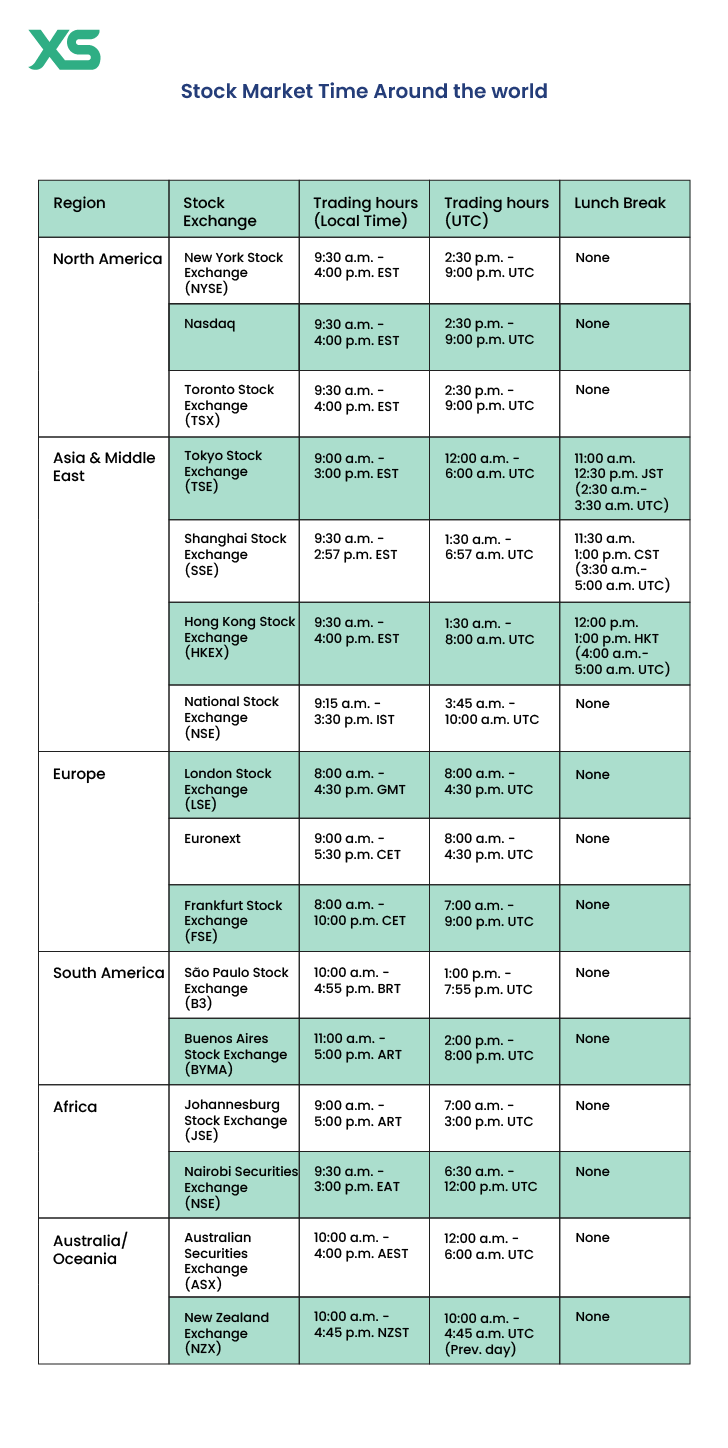
- Pacific Time (PT): Markets open at 6:30 AM and close at 1:00 PM.
- London (GMT/BST): Markets open at 2:30 PM and close at 9:00 PM.
- Tokyo (JST): Markets open at 10:30 PM and close at 5:00 AM the following day.
It is also crucial to account for Daylight Savings Time changes. The U.S. observes “Spring Forward” and “Fall Back” on different dates than Europe and other regions, which can temporarily shift the opening time for international investors by one hour.
How the NYSE Correlates with Global Markets
The NYSE open often acts as a catalyst for the rest of the world. By the time the NYSE opens at 9:30 AM ET, the Asian markets have already closed, and the European markets are in their final hours of trading. Often, the “direction” of the NYSE open is influenced by how London and Frankfurt performed earlier that morning. Conversely, a strong opening rally in New York can lift the spirits of Asian markets (like the Nikkei or Hang Seng) when they open later that evening. Understanding this global chain of liquidity allows investors to see the “big picture” of capital flow.
Conclusion: Mastering the Clock for Financial Success
In the world of personal finance and professional investing, time is a finite resource and a powerful tool. Knowing that the NYSE opens at 9:30 AM ET is the baseline, but understanding the nuances of the opening auction, the risks of pre-market trading, and the impact of the closing power hour is what separates a novice from a seasoned investor.
By aligning your investment strategy with the NYSE’s schedule, you can ensure that you are trading when liquidity is highest and spreads are narrowest. Whether you are managing a long-term retirement portfolio or engaging in active swing trading, respecting the “Opening Bell” ensures you are operating within the most robust and transparent financial framework in the world. Always keep a market calendar handy, stay aware of time zone shifts, and remember: in the markets, timing isn’t everything, but it’s a very large piece of the puzzle.
aViewFromTheCave is a participant in the Amazon Services LLC Associates Program, an affiliate advertising program designed to provide a means for sites to earn advertising fees by advertising and linking to Amazon.com. Amazon, the Amazon logo, AmazonSupply, and the AmazonSupply logo are trademarks of Amazon.com, Inc. or its affiliates. As an Amazon Associate we earn affiliate commissions from qualifying purchases.