
Navigating the world of car rentals is often more complex than simply picking a vehicle and signing a contract. For the financially conscious traveler or business professional, the question “How much is a car rental?” does not have a single answer. Instead, it is a variable equation influenced by market volatility, geographical location, insurance structures, and hidden surcharges. To master the economics of car rentals, one must look beyond the advertised daily rate and understand the total cost of mobility.
In this comprehensive guide, we will analyze the financial intricacies of renting a vehicle, providing you with the tools to optimize your travel budget, avoid predatory fees, and leverage financial instruments to secure the best possible value.
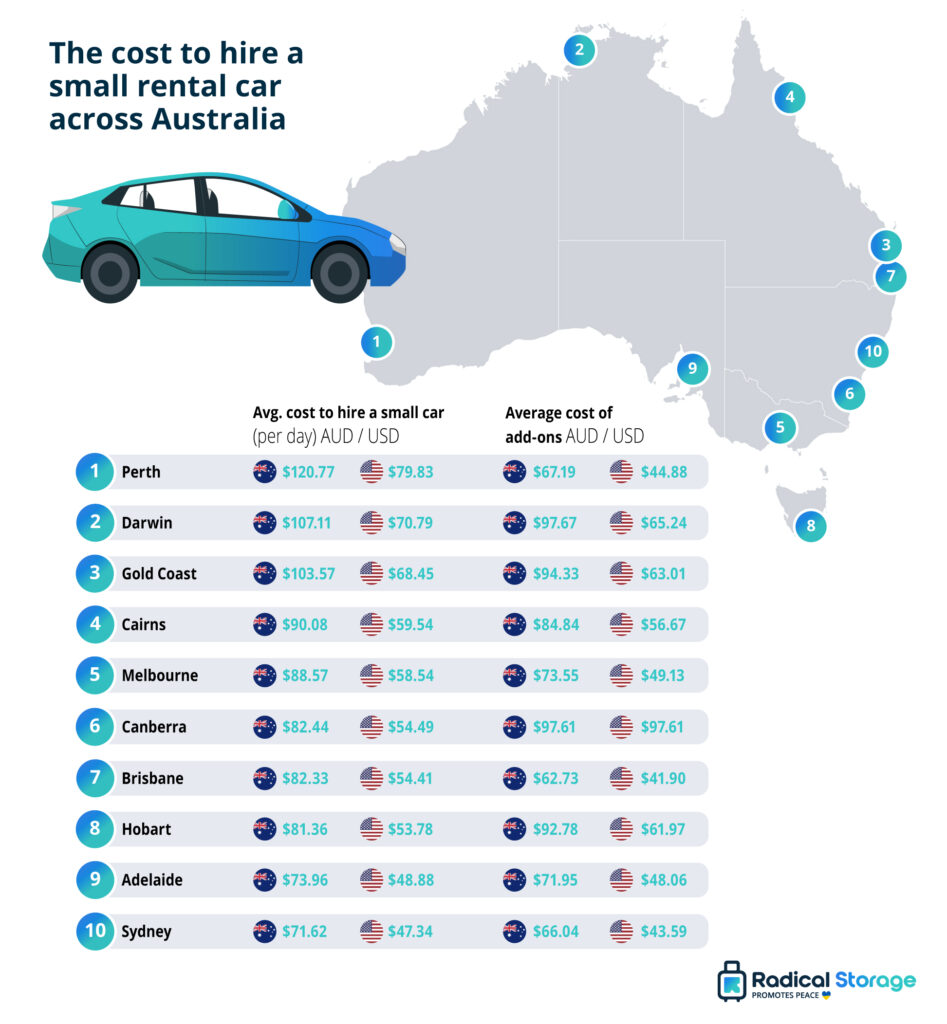
The Core Components of Car Rental Pricing
The sticker price you see on a booking engine is rarely the amount that leaves your bank account. To understand the true cost, we must deconstruct the primary factors that drive the base price.
Daily Rates vs. Long-Term Financial Incentives
Car rental agencies utilize sophisticated dynamic pricing algorithms, much like airlines. These algorithms factor in fleet availability and historical demand. Generally, the “daily rate” is highest for single-day rentals. From a financial planning perspective, renting for five or six days often costs nearly the same as renting for a full week due to “weekly rate” discounts. If your trip is on the cusp of these durations, it is often more cost-effective to book the full week, even if the car sits idle for a day, to trigger the lower average daily rate.
Geographic Variability and the “Airport Tax”
Where you pick up the vehicle is perhaps the most significant determinant of price. Airport locations are notorious for “premium location charges,” which can add 15% to 30% to the total bill. These fees are often passed down from the airport authorities to the rental company and finally to the consumer. For the budget-conscious, taking a short rideshare to an off-site rental location in a downtown area can result in substantial savings, often outweighing the cost of the commute.
Seasonality and Market Volatility
Car rental prices are highly sensitive to the laws of supply and demand. During peak holiday seasons or major regional events (like the Super Bowl or international tech conferences), prices can quadruple. Conversely, in the “shoulder season,” agencies may slash prices to keep their depreciating assets moving. Financial foresight involves booking months in advance for peak periods, as most rental contracts allow for cancellation without penalty, allowing you to re-book if a lower rate appears later.
Navigating the “Hidden” Financial Layers
The profitability of car rental companies often hinges on “ancillary revenue”—the add-ons and fees that many consumers overlook during the booking process. To protect your personal finances, you must recognize and evaluate these costs individually.
Insurance: Collision Damage Waiver (CDW) vs. Personal Coverage
The most aggressive upsell at the rental counter is insurance. A Collision Damage Waiver (CDW) or Loss Damage Waiver (LDW) can add $20 to $50 per day to your cost. From a money-management perspective, this is often redundant. Most personal auto insurance policies in the United States extend coverage to rentals. Furthermore, many premium credit cards provide secondary or even primary rental insurance as a standard benefit. By verifying your existing coverage beforehand, you can avoid paying for duplicate protection that offers no additional financial utility.
Fuel Policies and Prepayment Traps
Rental companies offer several fueling options: prepaying for a full tank, having the agency refill it upon return, or returning it full yourself. Prepaying for fuel is rarely a sound financial decision; you are essentially paying for a full tank regardless of how much you use. Having the agency refill the car is even worse, as they often charge double or triple the local market rate per gallon. The only financially sound path is the “full-to-full” policy, where you refill the tank at a local station immediately before returning the vehicle.
Young Driver Surcharges and Additional Operator Fees
For those under the age of 25, the financial burden of renting a car increases significantly. “Young driver fees” can range from $25 to $75 per day, reflecting the actuarial risk associated with younger drivers. Similarly, adding a spouse or a colleague as an additional driver often incurs a daily fee. However, some professional organizations (like the AAA or AARP) or corporate discount codes waive these fees, representing a significant area for potential savings.
Strategic Cost-Benefit Analysis: Renting vs. Owning
For many, the question isn’t just about the cost of a specific rental, but whether renting serves as a viable financial alternative to vehicle ownership or long-term leasing.

Total Cost of Ownership (TCO) Comparison
When you own a car, you are responsible for depreciation, insurance, maintenance, registration, and financing interest. For urban dwellers who only need a vehicle for weekend excursions or occasional business trips, the “Rent-on-Demand” model is often superior. If the annual cost of rentals, including insurance and fuel, is less than the annual depreciation and insurance of a sub-compact car (typically $5,000–$7,000), then renting is the mathematically correct choice. This shift from a fixed-cost model (ownership) to a variable-cost model (renting) can free up significant monthly cash flow for investments.
The “Turo” Effect: Peer-to-Peer Economics
The rise of peer-to-peer (P2P) marketplaces like Turo has disrupted traditional rental pricing. In many cases, renting a privately owned vehicle can be 20% to 40% cheaper than a traditional agency, especially for specialty or luxury vehicles. From a financial standpoint, P2P platforms offer a more transparent pricing model with fewer “hidden” corporate fees, though users must be diligent about reviewing the specific insurance terms of the platform.
Depreciation Hedging
One often overlooked financial benefit of renting is the avoidance of mileage-based depreciation on your primary vehicle. If you are planning a 2,000-mile road trip, the wear and tear on your personal car could decrease its resale value by hundreds of dollars. Renting a car for such trips allows you to “outsource” that depreciation to the rental agency, keeping your personal asset in better financial standing.
Maximizing ROI: Leveraging Credit Cards and Loyalty Programs
In the world of personal finance, the goal is to maximize the value of every dollar spent. Car rentals offer a unique opportunity to “stack” benefits.
Credit Card Benefits and Secondary Insurance
As mentioned previously, the right credit card is a powerful financial tool at the rental counter. Cards like the Chase Sapphire Reserve or the American Express Platinum offer primary rental insurance, which means if an accident occurs, you don’t even have to involve your personal insurance company. This prevents your personal premiums from rising, saving you thousands of dollars over the long term. Additionally, these cards often offer 3x or 5x points on travel, effectively providing a 5% to 10% “rebate” on the rental cost in the form of travel rewards.
Corporate Discounts and Membership Perks
Many employers have negotiated rates with major rental brands that include insurance and waived fees. Even if you are traveling for leisure, many companies allow employees to use these codes. Furthermore, memberships in organizations like Costco Travel provide some of the most competitive rates in the industry, often including a free second driver. Always check these portals before booking directly with a brand, as the “member price” is almost always the floor for market pricing.
Loyalty Programs: The Path to Free Rentals
Rental loyalty programs (such as Hertz Gold Plus Rewards or National Emerald Club) are free to join and offer a direct return on investment. Beyond the convenience of skipping the counter, these programs allow you to earn points that can be redeemed for free rental days. For a frequent business traveler, earning one free rental day for every ten days booked represents a 10% discount on total annual transportation spend.
Future Trends: The Shift Towards Subscription Models
The financial landscape of car rentals is moving toward “Car-as-a-Service” (CaaS). Companies are now experimenting with monthly subscription models that include insurance, maintenance, and the ability to swap vehicles.
For a fixed monthly fee—often ranging from $600 to $1,500—users get the benefits of a rental with the consistency of a lease. From a budgeting perspective, this provides “fixed-cost” certainty, eliminating the volatility of daily rental rates and the unpredictability of car repairs. While currently more expensive than traditional ownership for the average driver, for high-income professionals or those in transitional living situations, the flexibility and consolidated billing offer a different kind of value: time and simplicity.

Final Financial Considerations
To answer “how much is a car rental,” one must look at the total “all-in” cost. A $30-a-day rental that requires a $40-a-day insurance add-on and $15 in airport fees is actually an $85-a-day liability.
To optimize your finances:
- Audit your current coverage: Know what your credit card and personal insurance provide before you reach the counter.
- Compare locations: Check off-airport prices to avoid local tax surcharges.
- Use financial tools: Book through portals like Costco or use high-yield travel credit cards to earn rewards.
- Watch the clock: Rental periods are 24-hour cycles. Returning a car at 11:00 AM when you picked it up at 9:00 AM can trigger a full extra day’s charge.
By approaching car rentals as a strategic financial decision rather than a simple travel necessity, you can significantly reduce your expenditures and ensure that your capital is being deployed efficiently. In the modern economy, mobility is a service—and like any service, the savvy consumer is the one who understands the math behind the curtain.
aViewFromTheCave is a participant in the Amazon Services LLC Associates Program, an affiliate advertising program designed to provide a means for sites to earn advertising fees by advertising and linking to Amazon.com. Amazon, the Amazon logo, AmazonSupply, and the AmazonSupply logo are trademarks of Amazon.com, Inc. or its affiliates. As an Amazon Associate we earn affiliate commissions from qualifying purchases.