
In the history of global finance, few innovations have sparked as much debate, excitement, and transformation as Bitcoin. Since its inception in 2009, Bitcoin has evolved from an experimental digital niche into a trillion-dollar asset class that challenges our fundamental understanding of money. To the modern investor, Bitcoin represents more than just a digital currency; it is a “hard money” alternative to traditional fiat systems and a cornerstone of the burgeoning digital economy. Understanding Bitcoin is no longer optional for those looking to navigate the complexities of personal finance in the 21st century.
Understanding Bitcoin as a New Asset Class
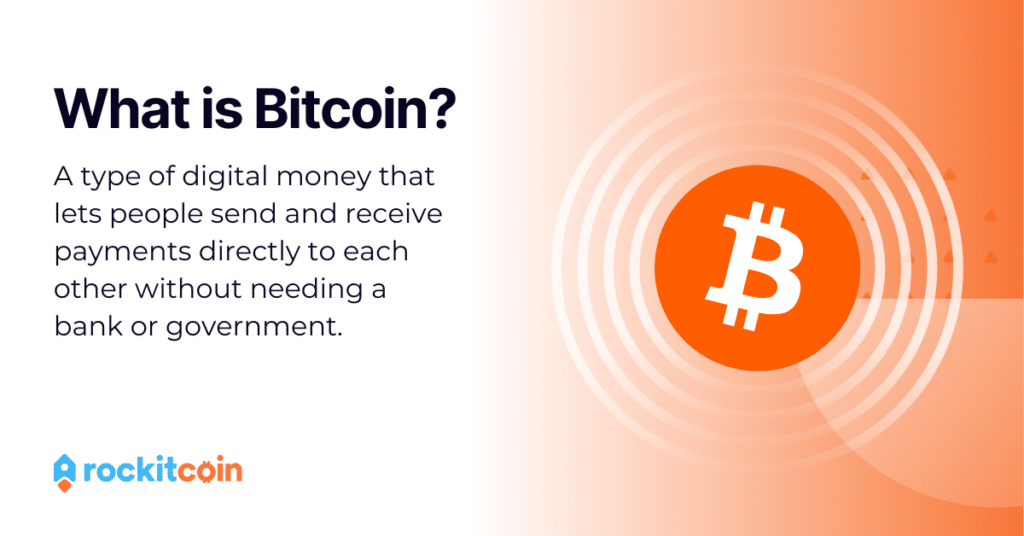
To grasp what Bitcoin is, one must first look at it through the lens of economic history. Bitcoin is the world’s first decentralized, peer-to-peer digital cash system, but for investors, its primary identity has shifted toward being a unique asset class. Unlike stocks, which represent equity in a company, or bonds, which are debt instruments, Bitcoin is a digital commodity.
The Digital Gold Narrative: Store of Value
The most common comparison for Bitcoin is “Digital Gold.” This moniker arises from the shared characteristics between the two: both are scarce, durable, divisible, and difficult to produce. However, Bitcoin improves upon gold’s physical limitations. It is easily transportable across borders via the internet and can be verified instantly without the need for expensive chemical assays. As a store of value, Bitcoin serves as a vehicle for preserving purchasing power over long horizons, particularly in an era characterized by aggressive monetary expansion.
Scarcity and the 21 Million Cap
At the heart of Bitcoin’s financial appeal is its “hard” monetary policy. Unlike fiat currencies (like the US Dollar or Euro), which can be printed in unlimited quantities by central banks, Bitcoin has a hard-coded supply cap of 21 million coins. This absolute scarcity is enforced by the network’s protocol. Every four years, an event known as “the halving” reduces the rate at which new Bitcoins are created, effectively tightening the supply. For the personal finance enthusiast, this programmed scarcity offers a hedge against the “hidden tax” of inflation.
Decoupling from Traditional Banking Systems
Bitcoin operates on a decentralized ledger known as the blockchain. From a financial perspective, this means it does not require a bank or a government to validate transactions. This “trustless” nature allows individuals to act as their own bank. In a world where traditional financial institutions can freeze assets or collapse due to mismanagement, Bitcoin offers a parallel system where the individual maintains total sovereign control over their wealth.
How Bitcoin Fits Into a Modern Investment Portfolio
Incorporating Bitcoin into a financial plan requires a shift in traditional risk-assessment models. While it is known for its price swings, its role as an “uncorrelated asset”—one that does not always move in tandem with the stock or bond markets—makes it an attractive tool for portfolio diversification.
Risk Management and Volatility
It is impossible to discuss Bitcoin as money without addressing its volatility. For the short-term speculator, this volatility is a risk; for the long-term investor, it is the price of admission for an asset in its early stages of adoption. When integrating Bitcoin into a personal finance strategy, risk management is paramount. This often involves “Position Sizing”—investing only a small percentage of one’s total net worth (often 1% to 5%) to ensure that while the upside potential is significant, the downside does not compromise one’s financial stability.
Diversification Strategies for Retail Investors
Modern Portfolio Theory suggests that adding a volatile but high-performing asset to a diversified basket of stocks and bonds can actually improve the overall risk-adjusted returns (the Sharpe Ratio) of a portfolio. Bitcoin provides a different type of exposure than traditional equities. While tech stocks are bets on a company’s cash flow, Bitcoin is a bet on the failure of centralized monetary policy and the success of a new global monetary standard.
Long-term Holding (HODLing) vs. Active Trading
In the Bitcoin community, the term “HODL” (a misspelling of “hold”) has become a financial philosophy. It refers to the strategy of ignoring short-term price fluctuations and holding the asset for years or decades. Statistically, investors who have held Bitcoin for more than a four-year cycle have historically seen significant gains. Active trading, by contrast, requires high levels of technical expertise and often results in losses for retail investors due to the market’s 24/7 nature and extreme unpredictability.

The Role of Bitcoin in the Global Financial Ecosystem
Beyond individual portfolios, Bitcoin is reshaping the macro-financial landscape. Its influence is being felt by institutional investors, corporations, and even nation-states, further cementing its status as a legitimate financial tool.
Hedging Against Inflation and Currency Devaluation
In many parts of the world, Bitcoin is not a speculative luxury but a financial lifeline. In countries experiencing hyperinflation, such as Argentina or Turkey, Bitcoin serves as a way for citizens to opt out of a collapsing local currency. Because Bitcoin is global and liquid, it provides a “flight to safety” for capital that would otherwise be eroded by poor domestic monetary policy. This makes it a critical tool for global wealth preservation.
Institutional Adoption and Spot ETFs
The financial landscape changed significantly with the approval of Bitcoin Spot ETFs (Exchange-Traded Funds) in major markets like the United States. This development allowed institutional giants—pension funds, insurance companies, and family offices—to gain exposure to Bitcoin through traditional brokerage accounts. This “institutionalization” of Bitcoin brings massive liquidity and professional oversight to the market, reducing the “wild west” stigma and integrating Bitcoin into the plumbing of Wall Street.
Bitcoin as a Tool for Financial Inclusion
Traditional banking often excludes the “unbanked”—billions of people who lack access to credit or savings accounts due to geographical or economic barriers. Bitcoin requires only a smartphone and an internet connection. By providing a global, permissionless financial network, Bitcoin empowers individuals in developing economies to participate in global trade, receive remittances without high fees, and build personal wealth outside of restrictive local systems.
Practical Steps for the Individual Investor
If Bitcoin is the future of money, the practical question for any reader is how to interact with it safely and effectively. Navigating the tools and security protocols of the digital finance world is essential for protecting one’s investment.
Choosing Secure Exchanges and Financial Tools
For most people, the journey begins on a cryptocurrency exchange. However, not all platforms are created equal. A professional approach to Bitcoin investing involves choosing reputable, regulated exchanges that prioritize security and transparency. These platforms act as the gateway between fiat currency and the digital asset world. Investors should look for platforms with a long track record, robust insurance policies, and compliance with local financial regulations.
Self-Custody: The Importance of Private Keys
A cornerstone of Bitcoin’s “Money” philosophy is the concept: “Not your keys, not your coins.” When you leave Bitcoin on an exchange, you technically hold a claim to that Bitcoin, not the asset itself. To truly own the asset, many investors move their holdings to “cold storage” or hardware wallets. These devices keep the “private keys” (the digital signatures required to move the Bitcoin) offline, protecting them from hackers. Understanding the transition from exchange-based holding to self-custody is a vital step in financial self-sovereignty.
Tax Implications and Regulatory Compliance
As Bitcoin becomes a more significant part of the financial system, governments have increased their focus on taxation. In most jurisdictions, Bitcoin is treated as property, meaning capital gains taxes apply when you sell or trade it for a profit. For the disciplined investor, keeping meticulous records of purchase prices (cost basis) and sale dates is crucial. Utilizing specialized crypto tax software has become a standard practice for maintaining a professional and compliant financial profile.

Conclusion: The New Standard of Value
Bitcoin represents a fundamental shift in the architecture of money. It is the first time in history that we have a monetary system that is global, digital, and entirely independent of a central authority. For the individual, it offers a way to save in a currency that cannot be debited or devalued by decree. For the investor, it provides a high-growth asset that serves as a hedge against the traditional system’s vulnerabilities.
As we move further into a digital-first era, Bitcoin’s role as “hard money” will likely continue to expand. While it carries the risks inherent in any transformative technology, its track record of resilience and its ironclad economic principles make it an essential subject for anyone serious about the future of their personal finances. Whether viewed as digital gold, a portfolio diversifier, or a tool for global inclusion, Bitcoin is no longer an experiment—it is a cornerstone of the modern financial world.
aViewFromTheCave is a participant in the Amazon Services LLC Associates Program, an affiliate advertising program designed to provide a means for sites to earn advertising fees by advertising and linking to Amazon.com. Amazon, the Amazon logo, AmazonSupply, and the AmazonSupply logo are trademarks of Amazon.com, Inc. or its affiliates. As an Amazon Associate we earn affiliate commissions from qualifying purchases.