
For decades, the American Express logo has served as more than just a payment method; it is a global symbol of financial health, premium service, and strategic wealth management. Unlike many standard banking institutions, American Express (Amex) operates as a closed-loop network, meaning they are often both the card issuer and the payment processor. This unique position allows them to offer high-tier rewards and specialized financial tools that are highly sought after by professionals, entrepreneurs, and high-net-worth individuals.
However, obtaining an American Express card requires more than a simple application. It requires a strategic understanding of your own financial profile and a clear vision of how the card fits into your broader money management strategy. This guide explores the essential steps to securing an Amex card and how to leverage their ecosystem to enhance your personal finance journey.

Understanding the American Express Ecosystem
Before hitting the “Apply” button, it is crucial to understand that American Express offers a diverse suite of products that cater to different financial behaviors. Unlike a traditional bank that might offer a single type of credit card, Amex differentiates its products primarily between “Charge Cards” and “Credit Cards.”
Charge Cards vs. Credit Cards
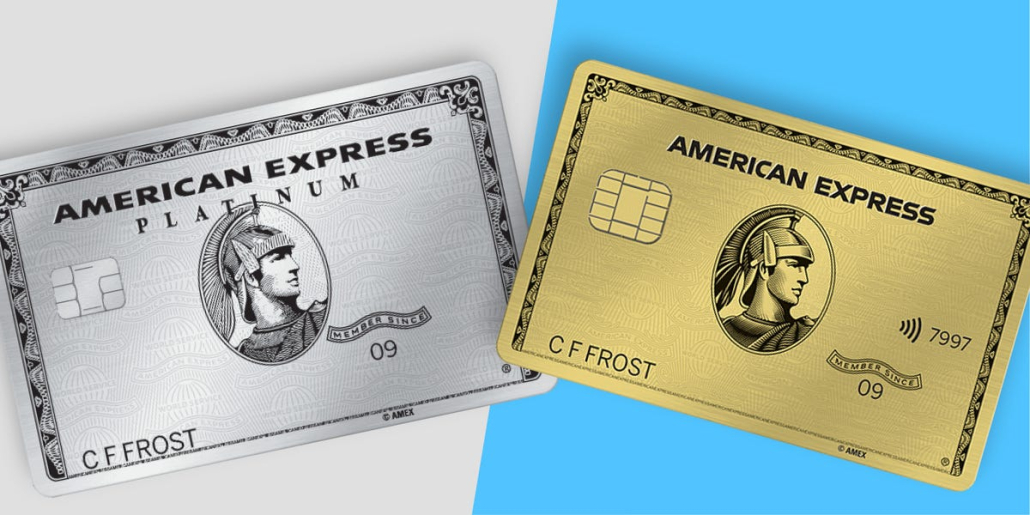
The cornerstone of the American Express brand is its legacy of charge cards, such as the Platinum Card® and the American Express® Gold Card. Historically, charge cards required the balance to be paid in full every month. While Amex has introduced “Pay Over Time” features for these cards, their primary function remains a tool for high-spending individuals who prioritize liquidity and rewards over long-term debt.
In contrast, their credit cards, like the Blue Cash Everyday® or the Magnet® Card, operate like traditional revolving lines of credit with a pre-set spending limit and the option to carry a balance with interest. Understanding which structure suits your cash flow is the first step in the selection process.
The Membership Rewards Ecosystem
One of the primary reasons financial enthusiasts seek out American Express is the Membership Rewards (MR) program. MR points are considered one of the most valuable “flexible currencies” in the world of personal finance. Unlike fixed-value cash back, MR points can be transferred to various airline and hotel partners, often yielding a value far higher than one cent per point. When applying for a card, you must decide if you want a card that earns these high-value points or a straightforward cash-back card to simplify your monthly budgeting.
Preparing Your Financial Profile for Approval
American Express is known for its selective approval process. While they have expanded their reach to include entry-level products, their premium “Metal” cards require a robust financial foundation. To increase your chances of approval, you must audit your financial standing through the lens of a premium lender.
The Significance of Your Credit Score
While there is no “official” minimum score, most successful American Express applicants possess a FICO score in the “Good” to “Excellent” range—typically 670 to 850. For premium cards like the Platinum or Gold, a score above 700 is generally recommended.
Amex primarily pulls data from Experian, though this can vary by state. It is vital to ensure your credit report is free of recent late payments, collections, or excessive “hard inquiries.” If your score is currently in the mid-600s, it may be financially prudent to spend six months optimizing your utilization and ensuring on-time payments before applying.
Managing Your Debt-to-Income Ratio
Your credit score is only one piece of the puzzle. American Express also scrutinizes your Debt-to-Income (DTI) ratio. This is a measure of your monthly debt obligations compared to your gross monthly income. Even with a perfect credit score, a high DTI ratio suggests to a lender that you may be overextended.
When you apply, you will be asked to provide your annual income. It is important to include all legal sources of income, which—depending on regulations—may include salary, bonuses, interest, dividends, and even shared household income if you have reasonable access to it. A higher reported income relative to your debt increases your “internal” credit limit with the brand.

The Role of Existing Financial Relationships
American Express values loyalty and long-term relationships. If you already hold one Amex card and have managed it responsibly for several years, the barrier to obtaining a second or third card is significantly lower. In many cases, once you are “in” the Amex ecosystem, they may perform a “soft pull” on your credit for subsequent applications, meaning your credit score won’t take a hit from a hard inquiry. This makes the brand an excellent choice for individuals looking to build a multi-card strategy over time.
Navigating the Application Process
Once your finances are in order, the application process itself should be handled with precision. American Express has modernized its application technology to be one of the most transparent in the industry, but there are still strategic steps to take.
Choosing the Right Card for Your Lifestyle
Financial efficiency is about matching your tools to your spending habits.
- For the Traveler: The Platinum Card® offers unmatched airport lounge access and 5x points on flights, but comes with a high annual fee.
- For the Foodie: The Gold Card® offers 4x points at restaurants and U.S. supermarkets, making it a “daily driver” for many households.
- For the Practical Saver: The Blue Cash Preferred® offers high cash-back percentages on groceries and streaming services, ideal for those who prefer straightforward dollar savings.
Utilizing the “Check for Offers” Tool
Before submitting a formal application, use the “Check for Pre-qualified Offers” tool on the American Express website. This uses a soft credit pull to show you which cards you are likely to be approved for. Using this tool protects your credit score from unnecessary hard inquiries if you are not yet a match for their current lending criteria.
Understanding the “Apply with Confidence” Feature
In a revolutionary move for the industry, American Express introduced the “Apply with Confidence” feature for many of its personal cards. This allows applicants to find out if they are approved with a 100% certainty before a hard credit pull is conducted. If you are approved and choose to accept the card, only then will a hard inquiry be placed on your credit report. This significantly lowers the risk for those who are unsure of their standing.
Maximizing the Value of Your New Card
Getting the card is only the beginning. To truly master this financial tool, you must understand how to navigate the first few months of card ownership to ensure the math works in your favor.
Meeting the Welcome Offer Requirements
American Express is famous for its “Welcome Offers”—hefty bonuses of points or cash back for spending a certain amount within the first few months. From a personal finance perspective, you should never spend money you don’t have just to get a bonus. Instead, time your application around large, planned purchases (like a home renovation, a vacation, or annual insurance premiums) to meet the spending requirement organically.
Strategic Spending and Category Bonuses
To maximize the “Return on Spend,” you must use the right card for the right category. A common mistake is using a single card for every purchase. For example, using a Platinum card for a grocery run only earns 1x points, whereas a Gold card would earn 4x. Mastering your Amex cards involves memorizing these multipliers to ensure every dollar spent is working toward your next financial goal, whether that is a subsidized vacation or a statement credit.
Leveraging Premium Lifestyle Benefits
Many Amex cards carry annual fees, which can be a deterrent for the fiscally conservative. However, these cards often come with “credits” that can offset the fee entirely. These may include credits for digital entertainment (Disney+, Hulu), Uber, Saks Fifth Avenue, or airline incidentals. To get the most out of your card, you must treat these credits like a coupon book—actively tracking and using them to ensure the “net cost” of your card is as low as possible.
Final Thoughts on Amex as a Financial Tool
Acquiring an American Express card is a milestone for many in their personal finance journey. It signals a transition from merely “using credit” to “managing a portfolio.” By maintaining a high credit score, choosing the card that aligns with your specific spending categories, and utilizing the brand’s transparent application tools, you can secure a powerful financial instrument that offers both prestige and practical value.
Remember, the goal of getting an Amex card is not just to have a premium piece of metal in your wallet, but to use its rewards, protections, and tools to build a more efficient and rewarding financial life. Treat the relationship with the institution as a long-term partnership, and the benefits will compound for years to come.
aViewFromTheCave is a participant in the Amazon Services LLC Associates Program, an affiliate advertising program designed to provide a means for sites to earn advertising fees by advertising and linking to Amazon.com. Amazon, the Amazon logo, AmazonSupply, and the AmazonSupply logo are trademarks of Amazon.com, Inc. or its affiliates. As an Amazon Associate we earn affiliate commissions from qualifying purchases.