
In the intricate world of personal and business finance, the tools we use to manage debt and capital are often as diverse as the investments they facilitate. Among these, the promissory note stands as one of the most fundamental yet powerful documents. Whether you are a startup founder seeking seed capital, a real estate investor structuring a private deal, or an individual managing a significant personal loan, understanding the mechanics of a promissory note is essential. At its core, a promissory note is a legal bridge between a “promise to pay” and a legally enforceable obligation. In this guide, we will explore the nuances of this instrument, its various forms, and how it serves as a cornerstone of modern financial strategy.
1. Defining the Promissory Note: More Than a Simple Handshake
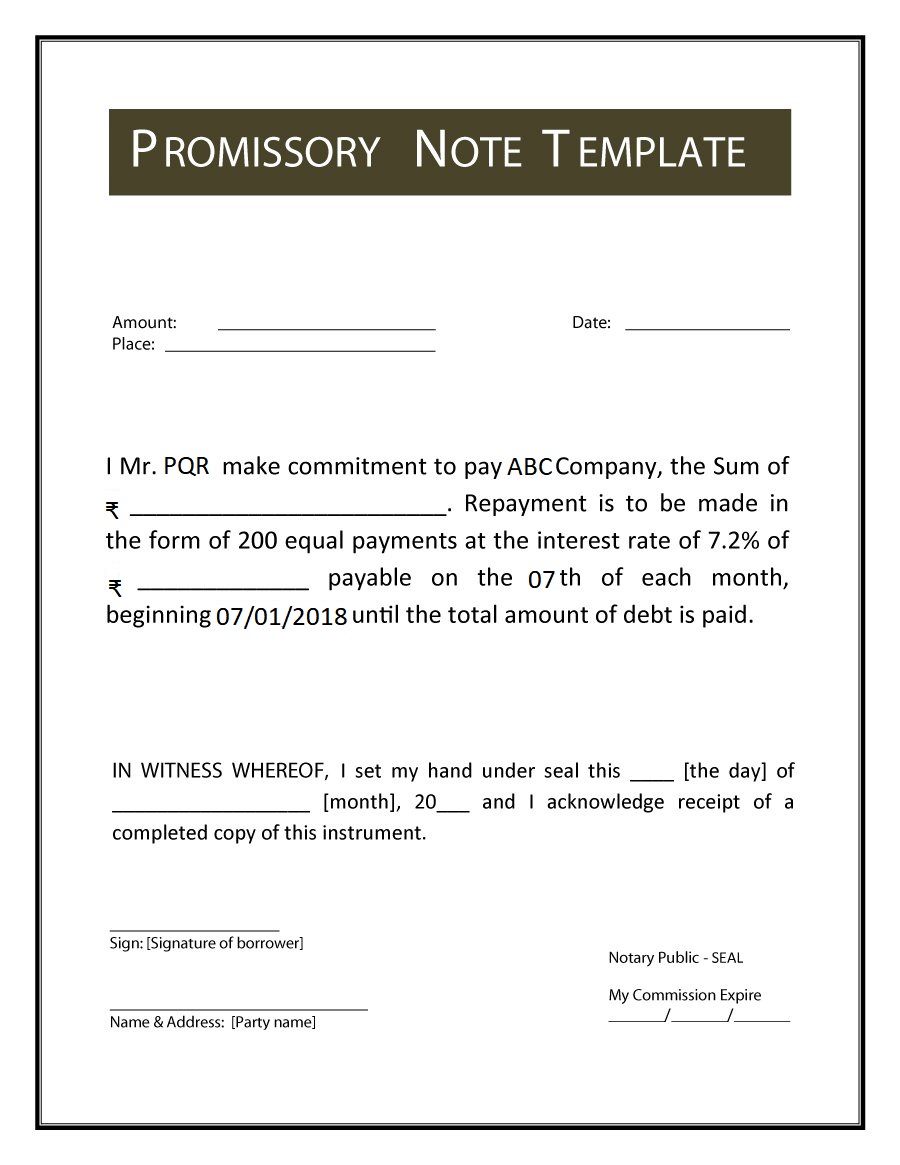
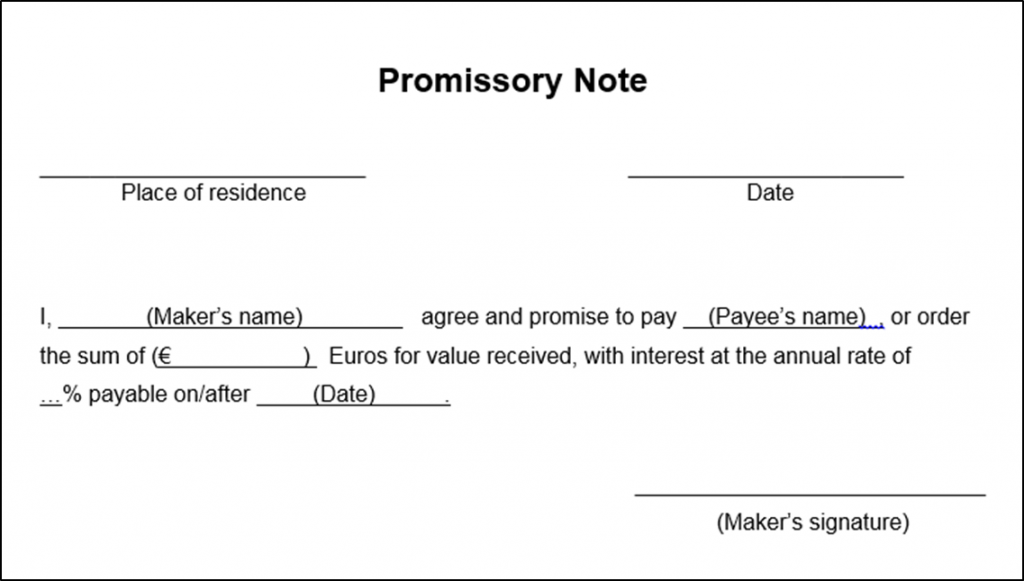
A promissory note is a written, unconditional promise made by one party (the issuer or maker) to pay a specific sum of money to another party (the payee) either on demand or at a specified future date. While it might sound similar to an informal IOU, a promissory note carries significant legal weight and specific structural requirements that distinguish it from a casual agreement.
The Essential Components of a Valid Note
To be legally enforceable and financially sound, a promissory note must contain several key elements. These include the principal amount (the total sum borrowed), the interest rate (the cost of borrowing), and the maturity date (when the final payment is due). Furthermore, it must clearly identify the parties involved: the maker, who owes the money, and the payee, who is entitled to receive it. Without these specifics, the document may be viewed as an incomplete contract, leaving both parties vulnerable in a court of law.
Promissory Notes vs. Loan Agreements
In the “Money” niche, it is common to confuse promissory notes with comprehensive loan agreements. While both documents outline debt, a promissory note is typically less complex. A loan agreement often includes extensive covenants, representations, and warranties, usually required by institutional lenders like banks. In contrast, a promissory note focuses primarily on the repayment terms. However, in many sophisticated business transactions, a promissory note is actually a part of a larger loan agreement, acting as the specific evidence of the debt within a broader contractual framework.
The Legal Status of Negotiability
One of the most powerful features of certain promissory notes is their status as “negotiable instruments.” This means the payee has the right to sell or transfer the note to a third party. For example, if a business owner holds a promissory note from a client, they might sell that note to a third-party investor at a discount to receive immediate cash flow. This liquidity makes promissory notes a vital tool in the secondary financial markets.
2. Diverse Types of Promissory Notes in Modern Finance
Promissory notes are not one-size-fits-all. Their structure varies depending on the context of the transaction, the relationship between the parties, and the level of risk involved. Understanding these variations is crucial for anyone looking to use them as part of an investment or financing strategy.
Personal and Informal Notes
Personal promissory notes are often used for loans between family members or friends. While these are frequently less formal than commercial notes, documenting the loan is a best practice for personal financial health. It prevents misunderstandings, sets clear expectations for repayment, and provides a paper trail for tax purposes (such as proving that a large sum of money was a loan rather than a taxable gift).
Commercial and Corporate Notes
In the business world, commercial promissory notes are a standard method for raising short-term capital. Companies often issue “Commercial Paper”—a type of unsecured, short-term promissory note—to fund payroll, inventory, or other immediate operating expenses. Because these notes are typically unsecured, they are generally only issued by corporations with high credit ratings. For investors, these notes offer a way to earn interest on relatively safe, short-term debt instruments.
Real Estate and Mortgage Notes
Perhaps the most common encounter a person has with a promissory note is during a home purchase. When you take out a mortgage, you sign two primary documents: the mortgage (or deed of trust), which puts the property up as collateral, and the promissory note, which is your personal promise to repay the loan. In “Seller Financing” scenarios, where the seller of a home acts as the bank, the promissory note becomes the central document governing the buyer’s monthly payments to the seller.
Investment-Grade Promissory Notes
Private placement promissory notes are frequently used by small businesses and startups to raise funds from private investors. For an investor, purchasing a promissory note from a company can be a way to generate fixed income. However, these are often “unregistered securities” and carry higher risks. Investors must perform rigorous due diligence on the company’s cash flow and creditworthiness before committing capital.

3. Strategic Uses: Raising Capital and Generating Passive Income
Beyond simply documenting a debt, promissory notes are strategic instruments used to optimize financial outcomes. From the perspective of a business owner or an investor, they offer unique advantages over traditional banking or equity-based financing.
Alternative Funding for Startups and Side Hustles
For entrepreneurs, traditional bank loans can be difficult to secure, especially in the early stages of a business. Promissory notes offer an alternative. By issuing notes to “angel” investors or even family and friends, a business owner can secure the necessary capital without immediately giving up equity (ownership) in the company. This allows the founder to retain control while providing the investor with a structured repayment plan and interest.
Private Lending as a Fixed-Income Strategy
For individuals focused on wealth building, acting as the “lender” via promissory notes can be a lucrative side hustle or investment strategy. By lending capital to real estate flippers or small business owners, an investor can often earn interest rates significantly higher than those offered by savings accounts or government bonds. This is known as “private money lending.” While the risk is higher, the use of a “secured” promissory note—where the loan is backed by an asset like real estate—can mitigate those risks.
Managing Cash Flow Through Bill Discounting
In business finance, promissory notes are often used to bridge the gap between delivering a service and receiving payment. If a company holds a promissory note from a reputable client that is due in 90 days, but needs cash today to pay suppliers, they can sell that note to a “factor” or a bank at a discount. This process, known as discounting, provides immediate liquidity, allowing the business to continue operations without waiting for the note to mature.
4. Risk Management and Best Practices for Lenders and Borrowers
Every financial instrument carries risk, and promissory notes are no exception. Whether you are the one signing the note or the one collecting the payments, understanding the legal and financial pitfalls is essential for protecting your net worth.
Secured vs. Unsecured Notes
The primary risk for a lender is “default”—the borrower’s failure to pay. To mitigate this, a note can be “secured” by collateral. In a secured promissory note, the lender has a legal claim to a specific asset (like a car, equipment, or property) if the borrower defaults. Unsecured notes, which are backed only by the borrower’s creditworthiness, carry much higher risk and should generally command higher interest rates to compensate the lender for that risk.
Navigating Usury Laws and Interest Rates
When drafting a promissory note, it is vital to be aware of usury laws. Most jurisdictions have a maximum interest rate that a lender can legally charge. Exceeding this rate can render the note unenforceable or lead to legal penalties. For the “Money”-conscious individual, ensuring that the interest rate is both competitive (to outpace inflation) and legal (to ensure enforceability) is a delicate balancing act.
The Importance of Default and Acceleration Clauses
A well-drafted promissory note should include an “acceleration clause.” This provision states that if the borrower misses a payment, the entire balance of the note becomes due immediately. Without this clause, a lender might be forced to sue for each individual payment as it falls due, which is a costly and inefficient process. For the borrower, understanding these clauses is critical, as a single financial hiccup could lead to a sudden demand for the full repayment of the debt.
Tax Implications of Interest Income
Finally, one must consider the tax consequences. For the lender, the interest earned on a promissory note is typically treated as taxable income. For the borrower, if the loan is used for business or certain investment purposes, the interest paid might be tax-deductible. Consulting with a tax professional ensures that the use of promissory notes integrates seamlessly into a broader financial and tax-planning strategy.
Conclusion: The Promissory Note as a Financial Catalyst
In the landscape of modern finance, the promissory note remains a vital tool for its simplicity, flexibility, and legal clarity. For the individual looking to manage personal debts, the entrepreneur seeking to fuel growth, or the investor hunting for higher yields, this instrument provides a structured path toward achieving financial goals. By understanding the different types of notes, the strategic advantages they offer, and the risks they entail, you can utilize promissory notes to build a more robust and versatile financial portfolio. Whether it is a simple note between colleagues or a complex commercial instrument, the power of a written promise to pay continues to drive the engine of economic exchange.
aViewFromTheCave is a participant in the Amazon Services LLC Associates Program, an affiliate advertising program designed to provide a means for sites to earn advertising fees by advertising and linking to Amazon.com. Amazon, the Amazon logo, AmazonSupply, and the AmazonSupply logo are trademarks of Amazon.com, Inc. or its affiliates. As an Amazon Associate we earn affiliate commissions from qualifying purchases.