
The Home Depot, Inc. stands as a titan of the retail world, a ubiquitous presence in the suburban landscape and a primary destination for both DIY enthusiasts and professional contractors. As the world’s largest home improvement retailer, its financial footprint is massive, with annual revenues exceeding $150 billion. However, for many investors and curious consumers, a central question remains: who actually owns Home Depot? Unlike a private family business or a company controlled by a single visionary founder, Home Depot is a publicly traded entity with a complex ownership structure dominated by global financial institutions.

In the world of high-stakes finance, Home Depot (ticker symbol: HD) is considered a “blue-chip” stock—a reliable, large-cap company that forms a cornerstone of many retirement portfolios and mutual funds. Understanding its ownership requires a look into the mechanics of the New York Stock Exchange (NYSE) and the role of institutional asset managers who hold the keys to the company’s governance and strategic direction.
The Publicly Traded Powerhouse: Understanding Ownership at Scale
To understand who owns Home Depot, one must first understand the nature of a publicly traded corporation. Since its initial public offering (IPO) in 1981, Home Depot has not been “owned” by an individual in the traditional sense. Instead, its ownership is divided into millions of shares of common stock, which are bought and sold daily on the open market.
The Transition from Private Founders to Public Markets
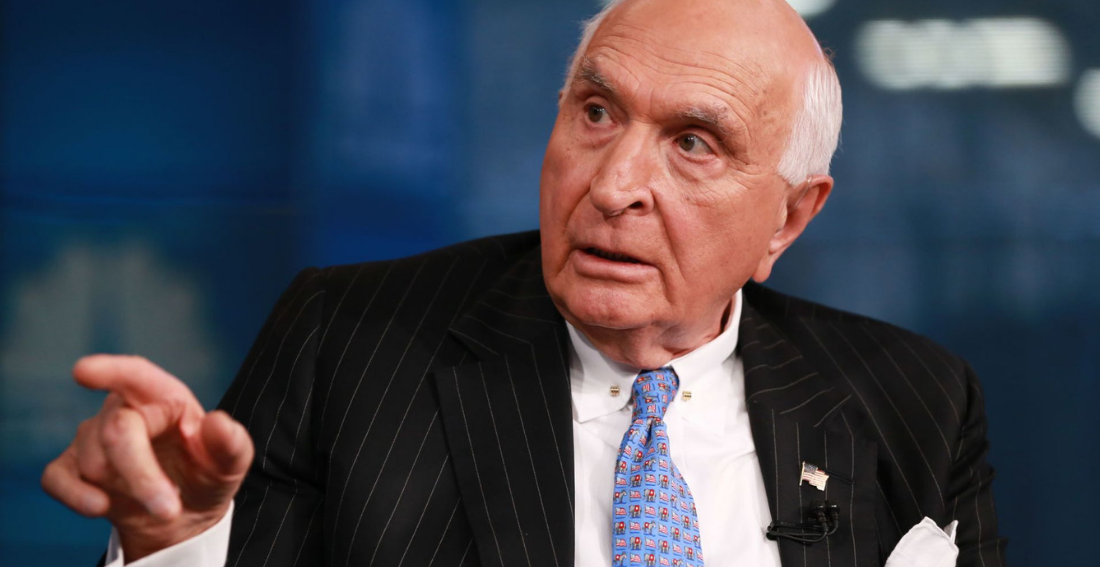
Home Depot was founded in 1978 by Bernard Marcus, Arthur Blank, Ron Brill, and Pat Farrah. In its early days, these founders and their initial venture capital backers held the majority of the equity. However, as the company sought to scale nationwide, it required massive infusions of capital. By going public on the NASDAQ in 1981 and later moving to the NYSE, the founders intentionally diluted their ownership to fuel growth. Today, the founders have largely retired from the board and sold the vast majority of their holdings, transitioning the company into a truly public entity.
How the Stock Market Distributes Ownership
When a company is public, its “owners” are its shareholders. These range from individual retail investors holding ten shares in a brokerage account to massive sovereign wealth funds holding millions. Because Home Depot is a component of the Dow Jones Industrial Average and the S&P 500, it is a mandatory holding for many index funds. This means that if you own an S&P 500 index fund, you are, in a small way, a part-owner of Home Depot. This democratization of ownership is a hallmark of modern American capitalism, ensuring that the company’s successes (and failures) are distributed across a broad spectrum of the global economy.
The Institutional Giants: Who Holds the Largest Stakes?
While millions of people own Home Depot stock, the vast majority of the company is controlled by a handful of institutional investment firms. These organizations manage money on behalf of pension funds, endowments, and individual investors through mutual funds and Exchange-Traded Funds (ETFs).
Vanguard and BlackRock: The Passive Investing Influence
As of recent filings, the two largest shareholders of Home Depot are almost always The Vanguard Group and BlackRock, Inc. These firms typically own between 7% and 9% of the company each. It is important to note that Vanguard and BlackRock do not “own” Home Depot in the sense that they dictate daily operations to serve their own corporate interests. Rather, they hold these shares on behalf of their clients.
The rise of passive investing has made these firms incredibly powerful. Because Home Depot is a staple of the “Total Stock Market” and “S&P 500” funds, Vanguard and BlackRock must buy more shares whenever investors put money into those funds. This provides a level of price stability but also concentrates voting power in the hands of these institutional giants during annual shareholder meetings.
The Role of Mutual Funds and State Street
Following the “Big Two” is usually State Street Corporation, another massive asset manager. Together with other firms like Capital Research & Management and Fidelity, these institutional investors own roughly 70% to 80% of Home Depot’s outstanding shares. This high level of institutional ownership is a signal of the market’s confidence in the company’s business model. Large institutions prefer companies with “moats”—competitive advantages that protect profits—and Home Depot’s massive supply chain and dominant market share provide exactly that.

Individual and Insider Ownership: From Founders to Executives
While institutions dominate the ledger, the human element of ownership remains relevant through “insider” holdings. Insiders include members of the Board of Directors and the senior executive leadership team.
The Legacy of Arthur Blank and Bernard Marcus
While no longer running the day-to-day operations, the founders’ names are still synonymous with the brand. Arthur Blank (who also owns the Atlanta Falcons) and Bernie Marcus were instrumental in creating the “orange-apron” culture. Over the decades, they have diversified their wealth, donating billions to philanthropy and investing in other ventures. While they may still hold significant personal blocks of shares compared to an average person, their percentage of the total company is now relatively small. Their “ownership” today is more spiritual and historical than a matter of corporate control.
Executive Compensation and Stock-Based Ownership
Modern corporate governance often dictates that the CEO and other top executives should have “skin in the game.” Home Depot’s executive compensation packages are heavily weighted toward stock options and restricted stock units (RSUs). This ensures that the leadership team’s financial interests are aligned with those of the shareholders. If the stock price rises, the executives’ personal net worth increases. Current leadership, including the CEO and CFO, hold hundreds of thousands of shares, making them significant individual owners, though still dwarfed by the multi-billion dollar stakes held by institutional funds.
The Financial Impact of Ownership Structure on the Retail Sector
The way a company is owned directly influences its corporate strategy and financial health. Because Home Depot is owned primarily by institutions seeking steady returns, the company focuses heavily on shareholder value.
Dividend Policy and Its Appeal to Value Investors
One of the primary reasons large institutions hold Home Depot is its consistent dividend policy. Home Depot has a long history of paying and increasing dividends, making it a favorite for “income” and “value” investors. For the owners, the goal isn’t just a rising stock price; it’s the quarterly cash flow generated by the company’s profits. The board of directors, acting on behalf of the owners, prioritizes returning capital to shareholders, often allocating billions of dollars annually to both dividends and share buybacks.
How Institutional Pressure Shapes Corporate Strategy
When 70% of your company is owned by sophisticated financial entities, there is immense pressure to maintain high margins and efficient operations. This ownership structure discourages reckless expansion and encourages “capital discipline.” For instance, Home Depot’s recent focus on “One Home Depot”—a strategy to integrate digital and physical shopping—was largely driven by the need to prove to institutional owners that the company could defend its market share against Amazon and other e-commerce competitors. The owners demand a clear roadmap for growth, and the executive team must deliver or risk a “shareholder revolt” where institutional blocks vote for new board members.
Investing in Home Depot: What Potential Owners Need to Know
For the individual investor looking to join the ranks of Home Depot owners, the decision involves more than just liking the store. It requires an analysis of the company as a financial asset.
Analyzing Market Cap and Stock Performance
Home Depot is a “mega-cap” stock, meaning it has a market capitalization in the hundreds of billions of dollars. For an owner, this means the stock is generally less volatile than a small startup. However, it also means that explosive growth is harder to achieve because the company is already so large. Potential owners look at the Price-to-Earnings (P/E) ratio to determine if the stock is “expensive” or “cheap” relative to its earnings. Traditionally, Home Depot trades at a premium compared to the broader retail sector because of its operational excellence.
Long-term Outlook for Shareholders in a Volatile Economy
Ownership in Home Depot is often seen as a bet on the American housing market. When home prices rise, homeowners feel wealthier and spend more on renovations. When interest rates rise, as they have in recent years, the “owner” must consider how a slowdown in home sales might impact the company’s bottom line. However, Home Depot’s dual-focus on the DIYer and the Professional (Pro) customer provides a hedge; even if homeowners stop doing big projects, the “Pro” side of the business often remains steady as essential repairs and maintenance continue.
In conclusion, “who owns Home Depot” is a question with a multi-layered answer. In the most literal sense, it is owned by the thousands of institutions and millions of individuals who hold its stock. But in a broader financial sense, Home Depot is owned by the global market—a reflection of the collective confidence of investors in the enduring value of home improvement. Whether through a 401k, a pension fund, or a direct brokerage account, the ownership of this retail giant is a vital component of the modern financial ecosystem.
aViewFromTheCave is a participant in the Amazon Services LLC Associates Program, an affiliate advertising program designed to provide a means for sites to earn advertising fees by advertising and linking to Amazon.com. Amazon, the Amazon logo, AmazonSupply, and the AmazonSupply logo are trademarks of Amazon.com, Inc. or its affiliates. As an Amazon Associate we earn affiliate commissions from qualifying purchases.