
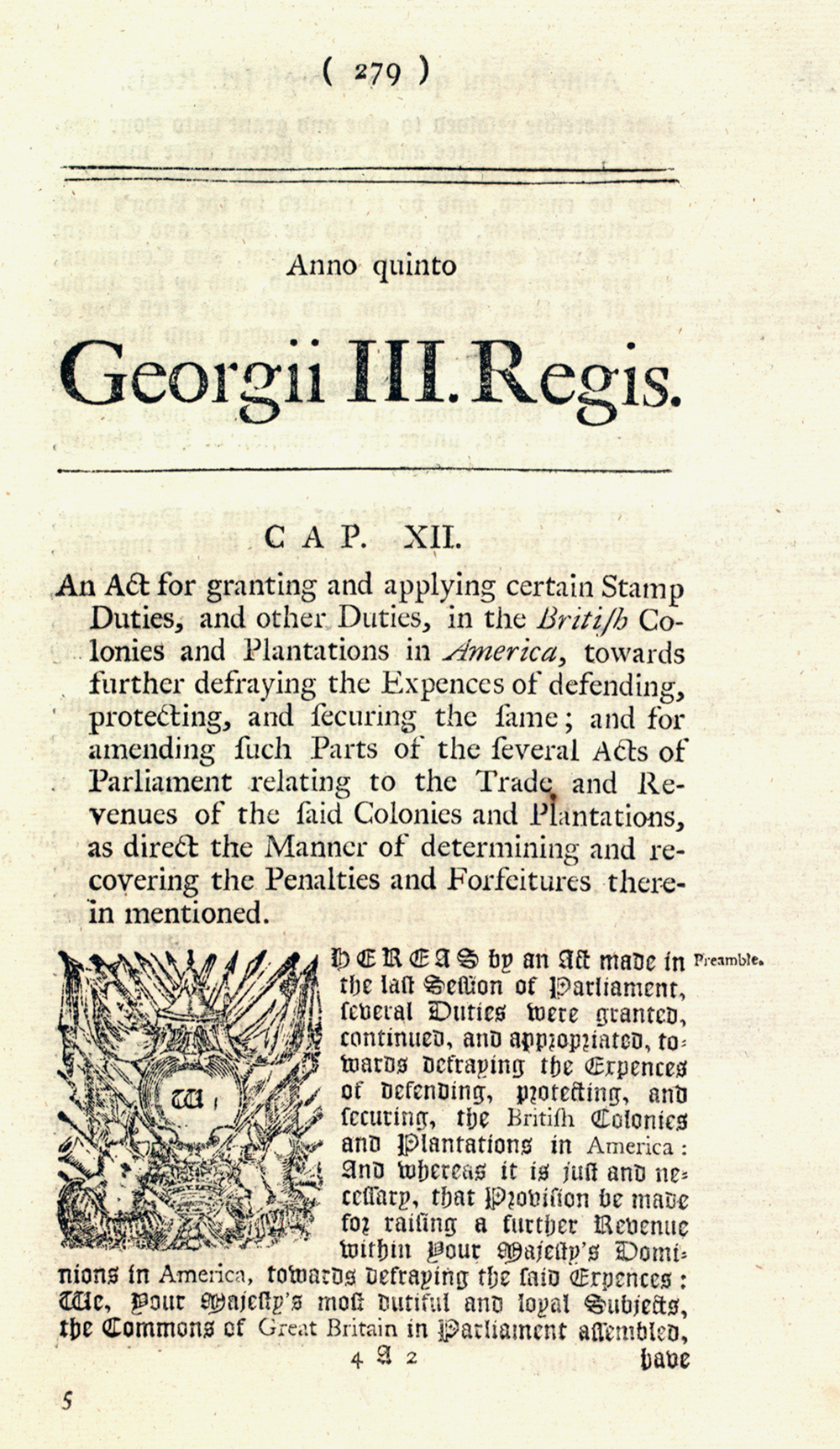
The Stamp Act of 1765 stands as one of the most significant fiscal interventions in modern history, serving as a primary catalyst for the American Revolution. While often discussed in the context of political rebellion, the Stamp Act was, at its core, a sophisticated financial instrument designed to extract capital from a growing market to service sovereign debt. To understand the impact of this act, one must look beyond the “taxation without representation” slogan and analyze the specific assets, commodities, and transactions that were targeted. This financial analysis explores the architecture of the Stamp Act, the specific items it taxed, and the broader economic implications for colonial business finance.

The Financial Architecture of the 1765 Stamp Act
The Stamp Act was not a tax on the stamps themselves; rather, it was a requirement that certain paper products and legal documents be printed on embossed paper manufactured in London, which bore a revenue stamp. From a financial perspective, this was a brilliant, albeit heavy-handed, method of ensuring compliance. It moved the point of taxation from the consumer to the producer and the legal processor, making it nearly impossible to avoid if one wished to conduct legitimate business.
The Scope of Taxable Assets: Paper as a Proxy for Value
In the 18th century, paper was the primary medium for the transfer of information, the execution of legal contracts, and the recording of wealth. By taxing paper, the British Crown effectively placed a tariff on the movement of capital and the documentation of property rights. The act listed over 50 separate items that required a stamp, ranging from common newspapers to high-value land grants. By targeting paper, the government was essentially taxing the “operating system” of colonial commerce.
The Mechanics of the “Stamp” as a Fiscal Tool
The stamp functioned as a primitive form of a digital signature or a blockchain verification. Without the stamp, a document was not legally binding in a court of law. This created a massive financial risk for merchants and landowners. If a contract for the sale of goods or a deed for a piece of property lacked the required revenue stamp, the transaction could be voided. This forced participation in the tax system by tying the legality of financial assets to the payment of the levy.
The Macroeconomic Objectives: Why the Tax was Levied
To understand what was taxed, we must understand the “why” from a treasury perspective. The British Empire was emerging from the Seven Years’ War (known in America as the French and Indian War) with a staggering national debt. The debt had ballooned to approximately £133 million by 1763. Interest payments alone were consuming nearly half of the national budget. The Stamp Act was a strategic attempt to diversify the tax base and shift the burden of colonial defense directly onto the colonies.
Retiring Seven Years’ War Debt
The primary objective of the Stamp Act was to generate revenue to maintain the British troops stationed in North America. From a business finance standpoint, the Crown viewed this as a “fee for service.” The British military provided security for colonial trade routes and frontiers; therefore, the Crown argued that the colonies should contribute to the “overhead” costs of that security. However, the colonies viewed this not as a service fee, but as an infringement on their internal economic autonomy.
The Shift from Indirect to Direct Taxation
Prior to 1765, most colonial taxes were indirect—customs duties paid at ports by a small number of merchants. The Stamp Act represented a pivot to direct taxation. This was a significant shift in fiscal policy. Direct taxes are highly visible and impact a much broader demographic. By taxing everyday legal and commercial documents, the Crown was reaching directly into the pockets of lawyers, printers, merchants, and even sailors, creating a widespread economic grievance that unified disparate social classes.
The Targeted Commodities: What Exactly Was Taxed?
The breadth of the Stamp Act was its most controversial feature. It didn’t just target luxury goods; it targeted the essential tools of trade and communication. If you were a professional in 1765, the Stamp Act was an unavoidable line item in your profit and loss statement.
Legal Documents and Property Transfers
Perhaps the most lucrative part of the Stamp Act was the tax on legal documents. This included:
- Deeds and Land Grants: Every time property changed hands, a tax was due. In a developing colonial economy where land was the primary source of wealth, this was a significant drag on real estate investment.
- Wills and Probates: Even the transfer of wealth after death was taxed, impacting long-term family wealth management.
- Contracts and Bonds: Routine business agreements required stamps, increasing the transaction costs for every commercial venture.
The Media and Information Industry
The tax on the “press” was seen as an attack on the flow of information, but it was also a heavy burden on a high-growth industry.
- Newspapers and Almanacs: Every sheet of a newspaper was taxed, which forced many printers to consider raising subscription prices or face bankruptcy.
- Advertisements: Even the ads within newspapers were taxed, directly impacting the marketing capabilities of colonial businesses.
- Playing Cards and Dice: In an interesting move to tax “vice” and entertainment, the act placed a heavy tax on playing cards and dice. This was one of the few areas where the tax targeted consumer discretionary spending rather than business infrastructure.
Higher Education and Professional Certifications
The Stamp Act even extended its reach into the development of human capital. Diplomas and certificates of graduation from colleges were taxed. This meant that the next generation of leadership—lawyers, clergy, and doctors—faced a financial barrier to entry before they even began their careers. This alienated the intellectual elite of the colonies, many of whom would become the most vocal leaders of the resistance.
Economic Repercussions: Business Finance in the Colonial Era
The introduction of the Stamp Act caused an immediate contraction in colonial economic activity. Merchants, facing higher costs and legal uncertainty, began to organize. The financial response was just as significant as the political one, leading to the first major boycotts of British goods.
The Impact on the Printing and Legal Industries
Printers and lawyers were the “fintech” and “legal-tech” professionals of their day. They were the most affected by the act and also the most capable of organized resistance. Many printers chose to cease publication or print “tombstone” editions to protest the tax’s impact on their margins. Lawyers, meanwhile, faced a dilemma: pay the tax and lose clients to higher fees, or refuse the tax and operate outside the law. This created a massive disruption in the “service sector” of the 18th-century economy.
The “No Taxation Without Representation” Financial Argument
While we often view this phrase as a political cry, it had deep roots in business logic. The colonists argued that if they had no say in the tax rates, the Crown could arbitrarily increase the cost of doing business until colonial profits were entirely liquidated. Without representation, there was no “fiscal transparency” or “accountability.” From a modern investment perspective, this is equivalent to an investor refusing to put capital into a market where the rules of the game can be changed without notice or recourse.
Lessons for Modern Fiscal Policy and Taxation
The failure of the Stamp Act provides timeless lessons for modern tax authorities and financial planners. It demonstrates that the method of collection is often just as important as the rate of the tax itself.
Compliance vs. Consent in Financial Regulations
The Stamp Act failed because it lacked “taxpayer morale”—a term used by modern economists to describe the willingness of a population to comply with tax laws. When a tax is perceived as fundamentally unfair or destructive to the underlying economy, the costs of enforcement eventually outweigh the revenue collected. For modern businesses, this highlights the importance of participating in the legislative process to ensure that financial regulations are sustainable and equitable.

The Danger of Regressive Tax Structures
By taxing essential documents and cards, the Stamp Act was inherently regressive, hitting small-scale entrepreneurs and everyday citizens harder than the landed gentry. Modern tax policy often seeks to avoid this by implementing progressive scales or exempting essential services. The Stamp Act serves as a cautionary tale: when you tax the mechanisms of commerce (paper, contracts, and information), you risk stifling the very economic growth that generates tax revenue in the first place.
In conclusion, the Stamp Act was much more than a historical footnote; it was a comprehensive attempt to monetize the legal and commercial infrastructure of the American colonies. By understanding exactly what was taxed—from the deeds to the land to the very newspapers that reported the news—we gain a clearer picture of the financial pressures that led to the birth of a new nation. For the modern professional, it remains a stark reminder of how fiscal policy can shape the destiny of markets and nations alike.
aViewFromTheCave is a participant in the Amazon Services LLC Associates Program, an affiliate advertising program designed to provide a means for sites to earn advertising fees by advertising and linking to Amazon.com. Amazon, the Amazon logo, AmazonSupply, and the AmazonSupply logo are trademarks of Amazon.com, Inc. or its affiliates. As an Amazon Associate we earn affiliate commissions from qualifying purchases.