
The allure of a monogram is undeniable. It’s a personal touch, a mark of distinction, and a timeless symbol of identity. But beyond its aesthetic appeal, what exactly does it mean to have something monogrammed? In the realm of branding and personal identity, a monogram is far more than just an embellishment; it’s a powerful tool for recognition, differentiation, and establishing a unique brand presence. This article delves into the essence of what it means to be monogrammed, exploring its historical roots, its evolution as a branding element, and its enduring significance in today’s diverse marketplace.

The Genesis of the Monogram: A Legacy of Identity
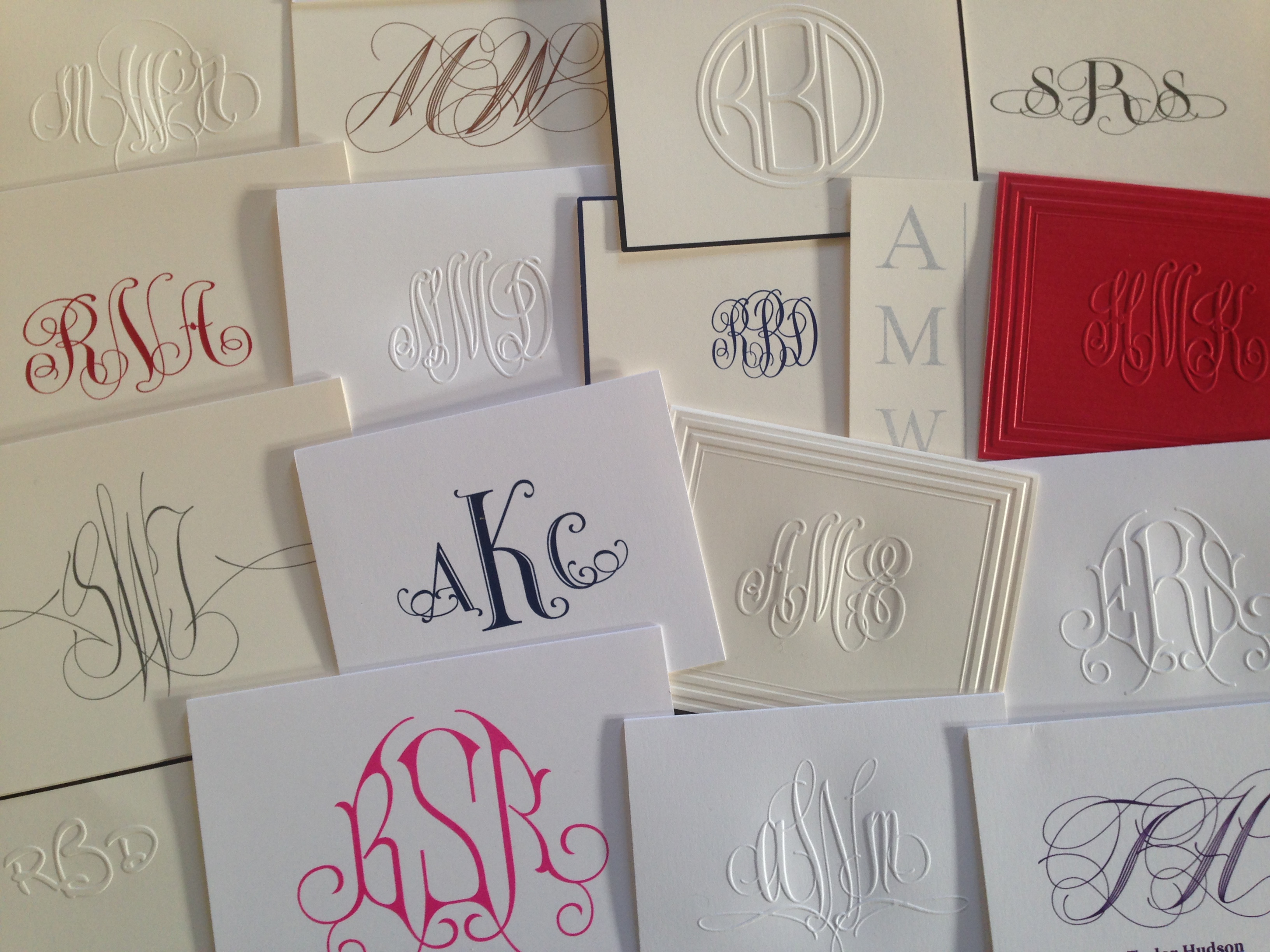
The concept of a monogram—a motif formed by overlapping or combining two or more letters, often representing a person or company—dates back centuries. Its origins are deeply intertwined with the need for clear identification and ownership.
Ancient Roots and Heraldic Significance
The earliest forms of monograms can be traced back to ancient civilizations, where rulers and prominent individuals used distinctive symbols to mark their property, authenticate documents, and signify their authority. These early emblems served a functional purpose, much like a signature today, but with an added layer of symbolic weight.
In the Middle Ages, monograms gained significant traction within the context of heraldry and the aristocracy. Noble families and royalty utilized elaborate crests and coats of arms, which often incorporated stylized initials or significant symbols representing their lineage. These heraldic monograms were not merely decorative; they were potent visual signifiers of status, power, and inherited identity. They communicated lineage, alliances, and claims to land and titles. Craftsmen also began using monograms to sign their work, providing a personal mark of craftsmanship and accountability. This practice helped establish the reputation of individual artisans and guilds, laying early groundwork for brand recognition through a personal signature.
The Rise of Personalization and Ownership
As societies evolved, the desire for personalized possessions and clear ownership expanded beyond the elite. The ability to mark personal belongings with a unique symbol became a way for individuals to express their identity and distinguish their items from those of others. This desire for personalization, evident even in ancient times, foreshadowed the modern concept of brand individuality. The act of monogramming, whether through intricate embroidery, engraved metalwork, or later, printed designs, allowed individuals to imbue their belongings with a sense of ownership and personal style. This was particularly prevalent in the Victorian era, where the personalization of household linens, stationery, and personal accessories became a popular expression of wealth and refined taste. The monogram on a handkerchief, a piece of luggage, or a set of stationery was a subtle yet powerful declaration of one’s identity and social standing.
Monogramming as a Branding Strategy: From Personal Mark to Corporate Symbol
The historical significance of monograms as personal identifiers has seamlessly transitioned into the corporate world, where they serve as powerful branding tools. In essence, a monogramed brand is one that has adopted a stylized mark representing its identity, often by combining initials or creating a unique symbol.
The Power of Visual Recognition and Memorability
In the crowded marketplace, visual recognition is paramount. A well-designed monogram acts as a concise and memorable emblem for a brand. Unlike lengthy company names or complex logos, a well-executed monogram can be instantly recognizable, even at small sizes or when used in abstract applications. Think of the iconic interlocking “G” of Gucci, the distinctive “LV” of Louis Vuitton, or the elegant “C” of Chanel. These monograms have transcended their literal meaning to become synonymous with luxury, quality, and a specific lifestyle.

The effectiveness of a monogram in branding lies in its simplicity and its ability to evoke a feeling or association. When a consumer sees a familiar monogram, they are not just seeing letters; they are recalling a host of associations—quality, style, prestige, a particular product or service. This instant recall bypasses the need for lengthy explanations and builds an immediate emotional connection with the brand. The human brain is wired to recognize patterns and symbols, and a strong monogram leverages this innate capacity for efficient and impactful communication. It’s a visual shorthand that communicates a wealth of information about the brand’s identity and its perceived value.
Establishing Corporate Identity and Differentiation
A monogram is a fundamental element in establishing a strong corporate identity. It’s the visual anchor that ties together all aspects of a brand’s presentation, from its products and packaging to its advertising and digital presence. By consistently applying a distinct monogram, a company creates a cohesive and recognizable brand image, fostering trust and loyalty among consumers.
In a competitive landscape, differentiation is key to survival and growth. A unique monogram helps a brand stand out from its rivals. It offers a distinct visual signature that sets it apart and communicates its unique value proposition. For instance, a simple, elegant monogram might communicate sophistication and tradition, while a bolder, more dynamic monogram could signify innovation and modernity. The choice of typeface, the arrangement of the letters, and the overall aesthetic of the monogram all contribute to the brand’s personality and the message it conveys. This is particularly crucial in industries where product differentiation can be challenging. The monogram becomes a powerful signal of authenticity and individuality, helping consumers make informed choices and forging a deeper connection with brands that resonate with their personal values and aspirations.
The Evolution of Monogramming in the Digital Age
While monograms have a rich history, their relevance has not diminished in the digital era. In fact, the principles behind monogramming have found new and innovative applications in the context of online branding and digital personalization.
Digital Applications and Social Media Presence
In the digital realm, monograms continue to be vital components of brand identity. They are frequently used as profile pictures, favicons, and as distinctive watermarks on digital content. Social media platforms, in particular, rely heavily on concise visual cues for brand recognition, making monograms an ideal choice for profile images. A well-crafted monogram can be instantly recognized in a feed filled with countless other visual elements, ensuring that a brand remains visible and memorable.
Furthermore, the concept of monogramming has expanded to encompass digital personalization. Many online services and platforms allow users to create personalized avatars or customize their digital profiles with initials, effectively creating a digital monogram for their personal online identity. This echoes the historical trend of individuals marking their belongings for personal identification, now translated into the virtual space. This digital evolution also encompasses the creation of unique logos for online businesses and personal brands, where a stylized monogram often serves as the primary visual identifier. The ease with which monograms can be rendered and scaled across various digital platforms—from websites and apps to social media banners and email signatures—ensures their continued utility and importance.
The Enduring Appeal of Personalization and Luxury
Even as digital technologies advance, the fundamental human desire for personalization and the association of monograms with luxury and exclusivity remain strong. In an age of mass production, a monogrammed item—whether physical or digital—offers a tangible sense of individuality and craftsmanship. This is particularly evident in the luxury goods market, where bespoke monogramming services are highly sought after, adding a layer of personal significance and perceived value to high-end products.
This enduring appeal speaks to the psychological impact of personalization. When an item bears a person’s initials, it transforms from a generic object into something uniquely theirs. This sentiment is deeply ingrained in our desire for self-expression and recognition. For brands, leveraging this desire through monogramming opportunities allows them to forge deeper connections with their customers, fostering a sense of ownership and loyalty. The act of monogramming, therefore, becomes a gesture of care and consideration from the brand, elevating the customer experience and reinforcing the perception of quality and exclusivity. It’s a powerful testament to the fact that while trends may change, the innate human desire for personal connection and distinction remains a constant.
Conclusion: The Timeless Power of the Monogram
From its ancient origins as a mark of authority and ownership to its modern-day role as a sophisticated branding tool, the monogram has proven to be a remarkably enduring symbol. Its ability to convey identity, evoke emotion, and foster recognition makes it an invaluable asset in the strategic development of both personal and corporate brands. In a world increasingly saturated with visual information, the concise elegance and inherent memorability of a well-executed monogram continue to offer a powerful and timeless way to make a lasting impression. Whether etched onto fine stationery, woven into the fabric of a luxury garment, or displayed as a digital emblem, the monogram remains a testament to the enduring power of a personal mark and a distinct identity. Its ability to translate across centuries and mediums solidifies its place as a foundational element in the art of visual communication and brand building.
aViewFromTheCave is a participant in the Amazon Services LLC Associates Program, an affiliate advertising program designed to provide a means for sites to earn advertising fees by advertising and linking to Amazon.com. Amazon, the Amazon logo, AmazonSupply, and the AmazonSupply logo are trademarks of Amazon.com, Inc. or its affiliates. As an Amazon Associate we earn affiliate commissions from qualifying purchases.