
The esteemed profession of a jeweller often conjures images of delicate hands crafting intricate designs or presenting sparkling gems in velvet-lined cases. While artistry and meticulous craftsmanship are undoubtedly at its core, a deeper look reveals that the life and business of a jeweller are intrinsically woven with financial acumen, strategic investment, and astute market understanding. Far from being solely an artistic pursuit, operating as a jeweller is a demanding financial enterprise, requiring a sophisticated grasp of asset management, income generation, and risk mitigation within a high-value sector. Understanding what a jeweller truly does means comprehending their multifaceted role as a designer, artisan, merchant, and financial steward.
The Core Business of Jewellery: Creation, Curation, and Commerce
At its heart, the jeweller’s work is a convergence of creation and commerce, transforming raw, often volatile, materials into finished goods of significant monetary and emotional value. This process demands rigorous financial management from inception to sale.
From Raw Materials to High-Value Assets: The Cost of Creation
The journey of a piece of jewellery begins long before it adorns a customer. It starts with the careful and often costly acquisition of materials, which represent a substantial capital investment.
- Sourcing Precious Metals and Gemstones: Market Fluctuations, Ethical Considerations, Investment: A jeweller must be an astute market watcher. The prices of gold, silver, platinum, and palladium fluctuate daily on global exchanges, impacting the cost of goods sold. Beyond mere price, the jeweller often invests in understanding the provenance and ethical sourcing of these materials. Conflict-free diamonds and responsibly mined gold are not just ethical choices; they are investments in brand reputation and compliance, appealing to a growing segment of financially conscious consumers willing to pay a premium for transparency. The initial outlay for these materials is a significant portion of the jeweller’s working capital, subject to market risks.
- Labor Costs: Skilled Craftsmanship as an Investment in Quality: The transformation of raw materials into a finished piece is labor-intensive, requiring years of specialized training and experience. The cost of a jeweller’s time – whether their own or that of skilled employees – is a premium. This labor is an investment in quality, precision, and the unique artistic vision that elevates a piece beyond its material worth. Paying for skilled labor ensures superior craftsmanship, which commands higher prices and contributes to the perceived long-term value of the jewellery.
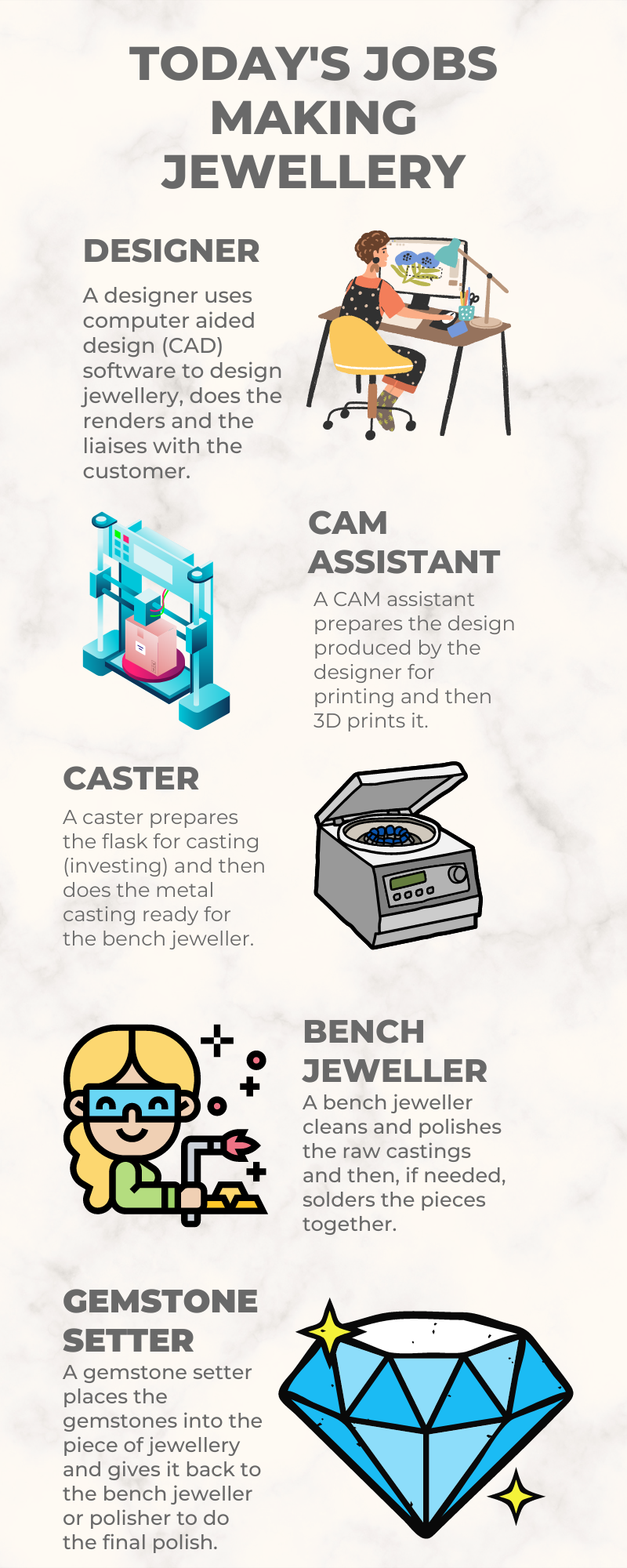
- Design and Manufacturing Overhead: Tools, Technology, Workshop Maintenance: Modern jewellery making is a blend of traditional techniques and cutting-edge technology. Investments in tools range from traditional benches and hand tools to advanced CAD/CAM software, 3D printers, laser welders, and sophisticated polishing equipment. Each piece of equipment represents a capital expenditure with ongoing maintenance costs. Rent for workshop space, utilities, insurance against theft and damage, and security systems all contribute to the significant overhead that must be factored into every piece’s final price to ensure profitability.
Retail and Resale: The Jeweller as a Merchant
Once created, a jeweller shifts roles from artisan to merchant, navigating the complex world of pricing, inventory, and sales to ensure financial viability.
- Pricing Strategies: Markup, Perceived Value, Competitive Analysis: Setting the right price for a piece is a critical financial decision. Jewellers employ various pricing strategies, factoring in material costs, labor, overheads, desired profit margins (markup), and the perceived value of their brand and craftsmanship. They must also conduct competitive analysis, understanding what similar pieces sell for in the market, both locally and online, to position their offerings effectively. Undervaluing can lead to financial losses, while overvaluing can deter sales.
- Inventory Management: Capital Tied Up in Stock, Insurance, Security: A jeweller’s inventory is effectively capital tied up in physical assets. Managing this inventory efficiently is paramount. Too much stock can lead to liquidity issues, while too little can mean missed sales opportunities. High-value items require robust insurance policies and advanced security measures, adding to operational costs. Detailed tracking of stock movement, from acquisition to sale, is crucial for accurate financial reporting and loss prevention.
- Sales Channels: Brick-and-Mortar, E-commerce, Consignment – Comparing Profitability: Jewellers today often leverage multiple sales channels, each with its own financial implications. A physical storefront entails rent, staff salaries, and higher security costs but offers a direct, personalized customer experience. E-commerce platforms open up a global market but come with website development costs, digital marketing expenses, shipping logistics, and payment processing fees. Consignment arrangements, while offering exposure without upfront inventory costs, typically involve revenue sharing. A successful jeweller understands the profitability and cost structure of each channel and optimizes their strategy accordingly.
Financial Acumen for the Modern Jeweller: Beyond the Bench
Beyond the immediate creation and sale of jewellery, a successful jeweller demonstrates a keen financial mind, identifying diverse income streams and capitalizing on their specialized expertise.
Business Models and Income Streams
A jeweller’s financial stability often stems from diversifying their offerings beyond just selling finished pieces.
- Bespoke Commissions: High Margin, Project-Based Income: Custom-made jewellery offers some of the highest profit margins. Clients are often willing to pay a premium for unique designs tailored to their specifications. This project-based income, while fulfilling creatively, requires strong project management, clear contractual agreements, and upfront deposits to manage cash flow effectively.
- Ready-to-Wear Collections: Scalability, Market Appeal, Stock Management: Creating collections allows for economies of scale in production and broader market appeal. While individual pieces may have lower margins than bespoke work, the potential for higher volume sales and repeat business can lead to significant overall revenue. This model, however, necessitates careful stock management to avoid overproduction or inventory obsolescence.
- Repairs and Appraisals: Stable Service Revenue, Customer Retention: Offering repair services, resizing, cleaning, and valuations provides a stable, recurring income stream. These services often have lower material costs but higher labor margins and are excellent for building customer loyalty and foot traffic, which can lead to new jewellery sales. Appraisals, in particular, require specialized knowledge and can be a lucrative, low-overhead service.
- Online Sales and Digital Marketing: Reaching Wider Markets, Managing Online Transactions: E-commerce has transformed the jewellery industry. An online presence allows jewellers to transcend geographical limitations, reaching national and international customers. However, this requires investment in professional photography, secure payment gateways, digital marketing campaigns (SEO, social media advertising), and efficient, insured shipping logistics, all of which have financial implications.
Capitalizing on Jewellery Expertise: Side Hustles and Specializations
A jeweller’s deep knowledge of materials, markets, and craftsmanship can be monetized in various ways, creating additional income opportunities.
- Gemstone Buying/Brokering: Leveraging Market Knowledge: With their expertise in gem identification and valuation, some jewellers act as independent gemstone brokers. They leverage their network and market insights to buy and sell stones, earning commissions or margins on transactions without the overhead of creating finished pieces.
- Valuation and Appraisal Services: Independent Income, Legal Expertise: Providing certified appraisals for insurance, estate purposes, or liquidation requires extensive knowledge and often specific qualifications. This service generates independent income and establishes the jeweller as an authority, often leading to other business opportunities.
- Consulting for Jewellery Businesses: Sharing Financial Insights: Experienced jewellers can consult for new or struggling jewellery businesses, offering guidance on everything from workshop setup and design processes to pricing strategies, marketing, and financial management. This is a high-value service leveraging their years of practical and financial experience.
- Teaching/Workshops: Monetizing Skills and Knowledge: Sharing their craft through workshops or formal instruction allows jewellers to generate income from their skills. This not only provides direct revenue but also builds community and potentially nurtures future talent, creating a positive feedback loop for the industry.
Investment in Materials and Skills: The Jeweller’s Asset Portfolio
The success of a jeweller is not just about daily transactions but also about long-term investments in tangible and intangible assets.

Precious Metals and Gemstones: Volatile Assets
The very materials a jeweller works with are significant financial assets, subject to market dynamics.
- Understanding Market Trends: Gold, Silver, Platinum Price Fluctuations: A jeweller effectively acts as an investor in precious metals. They must constantly monitor global economic indicators, geopolitical events, and currency fluctuations that impact metal prices. Buying at the right time can significantly improve profit margins, while poor timing can lead to substantial losses.
- Gemstone Grading and Valuation: The “4 Cs” and Their Financial Impact: For diamonds, the “4 Cs” (carat, cut, color, clarity) are universally recognized determinants of value. A jeweller’s ability to accurately grade and value gemstones is crucial for both purchasing and selling, directly impacting financial outcomes. Investing in knowledge and tools for gemological assessment is a non-negotiable financial commitment.
- Ethical Sourcing as an Investment: Brand Reputation and Market Demand: Beyond direct material costs, investing in ethically sourced materials, while sometimes more expensive upfront, builds a strong brand reputation. This is an investment in consumer trust and market differentiation, allowing a jeweller to command premium pricing and attract a clientele that values social responsibility.
The Human Capital: Investing in Craftsmanship and Business Savvy
The most valuable assets of a jeweller are often their own skills and knowledge, and those of their team.
- Apprenticeships and Continuous Learning: Skill Development as a Long-Term Investment: Becoming a master jeweller requires years of dedication and ongoing learning. Investments in apprenticeships, specialized courses, and continuous professional development directly enhance a jeweller’s ability to create high-value pieces, expand their service offerings, and operate more efficiently, all contributing to increased earning potential.
- Business Education: Financial Management, Marketing, Sales: Many talented artisans struggle financially due to a lack of business acumen. Investing in education covering financial management, accounting, marketing, sales techniques, and customer service is critical. This knowledge enables jewellers to manage their finances effectively, attract customers, close sales, and grow their businesses sustainably.
- Networking within the Industry: Partnerships, Market Intelligence: Building a robust network of suppliers, other jewellers, gemologists, and industry experts is an invaluable investment. It provides access to better material pricing, collaborative opportunities, mentorship, and crucial market intelligence that can inform financial decisions and open new avenues for revenue.
Managing Risks and Maximizing Profitability in Jewellery
The jewellery business, while potentially lucrative, is fraught with unique financial risks that necessitate careful management to ensure sustained profitability.
Financial Risks Unique to the Jewellery Trade
Due to the high value and desirability of its products, the jewellery sector faces distinct challenges.
- Security Concerns: Theft, Insurance Costs: High-value inventory makes jewellery businesses prime targets for theft. Investing in robust security systems (alarms, cameras, safes), comprehensive insurance policies, and security personnel are significant, ongoing costs that directly impact profitability but are essential for risk mitigation.
- Market Volatility: Shifts in Demand, Economic Downturns Affecting Luxury Goods: Jewellery, especially high-end pieces, is often considered a luxury item. Economic downturns or shifts in consumer spending habits can significantly impact demand, leading to decreased sales and inventory write-downs. A jeweller must be financially resilient and able to adapt to changing market conditions.
- Counterfeit Goods and Ethical Compliance: Legal and Reputational Risks: The market is flooded with counterfeit goods, which can erode consumer trust and devalue legitimate products. Jewellers must invest in authentication expertise and ensure strict compliance with ethical sourcing regulations to avoid legal repercussions and reputational damage, both of which carry significant financial costs.
Strategies for Sustainable Financial Success
To thrive, jewellers employ various strategies focused on financial stability and growth.
- Diversification of Income: Balancing Creation with Services: As highlighted earlier, relying solely on new jewellery sales is risky. Diversifying into repairs, appraisals, custom work, and even teaching helps stabilize income, smoothing out fluctuations in demand for new pieces.
- Cost Control and Efficiency: Optimizing Overheads: Regularly reviewing operational costs, negotiating with suppliers, and investing in efficiency-boosting technology (e.g., energy-efficient equipment, optimized production processes) can significantly improve profit margins without necessarily increasing sales volume.
- Building a Strong Brand: Increasing Perceived Value and Pricing Power: While brand strategy is a topic in itself, its financial impact is undeniable. A strong brand, built on reputation for quality, unique design, and excellent service, allows a jeweller to command higher prices, attract affluent clientele, and reduce reliance on price-based competition. This is an investment in intangible assets that yield significant financial returns.
- Financial Planning and Forecasting: Budgeting for Growth and Stability: Diligent financial planning, including budgeting, cash flow forecasting, and scenario analysis, is critical. This enables jewellers to anticipate financial needs, plan for investments, manage debt, and navigate economic uncertainties, ensuring long-term stability and controlled growth.
The Jeweller as a Financial Facilitator: Empowering Customer Investments
Finally, a jeweller’s role extends to guiding customers through what are often significant financial decisions, helping them understand the value and investment potential of their purchases.
Guiding Clients Through Significant Purchases
For many, buying fine jewellery is a major financial outlay, and a jeweller acts as a trusted advisor.
- Educating on Value: Helping Customers Understand the Investment in Quality and Longevity: A responsible jeweller educates clients about the intrinsic value of materials, the artistry of craftsmanship, and the durability that ensures longevity. This helps clients view their purchase not just as an expense, but as a lasting asset, an investment in quality, and often a future heirloom.
- Financing Options: Layaway, Credit, Payment Plans: To facilitate sales of high-value items, jewellers often offer various financing options. Managing layaway programs, partnering with credit providers, or setting up installment plans requires careful financial management and clear communication with customers about terms and interest rates, ensuring both customer satisfaction and business solvency.
- Appraisals for Insurance and Resale: Protecting Customer Assets: Providing post-purchase appraisals is a crucial service. It enables customers to insure their valuable items against loss or damage, protecting their financial investment. Furthermore, a detailed appraisal can be essential should they ever wish to resell the piece, establishing its current market value.
Jewellery as an Investment and Heirloom
Jewellery often holds a unique dual nature as both an emotional keepsake and a financial asset.
- Understanding the Long-Term Value of Fine Jewellery: While not all jewellery appreciates in value like stocks or real estate, well-crafted pieces made with quality materials can retain or even increase their value over time, especially antique or rare items. A jeweller understands and can articulate this long-term financial perspective to clients.
- Emotional vs. Monetary Investment: The Dual Nature of Jewellery Value: Jewellers often sell pieces that are significant life investments – engagement rings, anniversary gifts, family heirlooms. They understand that while the monetary value is important, the emotional value often far surpasses it. Balancing these two aspects in sales and service requires sensitivity and financial transparency.
- Estate Planning and Valuation: Managing Generational Wealth in Jewellery: For many families, jewellery represents a significant portion of their generational wealth. Jewellers are often called upon to value collections for estate planning, inheritance distribution, or charitable donations, playing a vital role in the financial management and transfer of these tangible assets.
In conclusion, “what does a jeweller do?” encompasses a vast array of financially driven activities. From the intricate calculations of material sourcing and pricing to strategic business planning, risk management, and client financial advisement, the successful jeweller is as much a shrewd financier and entrepreneur as they are a gifted artisan. Their profession is a testament to the enduring interplay between human creativity and the rigorous demands of the marketplace, where every sparkle holds a story of investment, value, and financial savvy.
aViewFromTheCave is a participant in the Amazon Services LLC Associates Program, an affiliate advertising program designed to provide a means for sites to earn advertising fees by advertising and linking to Amazon.com. Amazon, the Amazon logo, AmazonSupply, and the AmazonSupply logo are trademarks of Amazon.com, Inc. or its affiliates. As an Amazon Associate we earn affiliate commissions from qualifying purchases.