
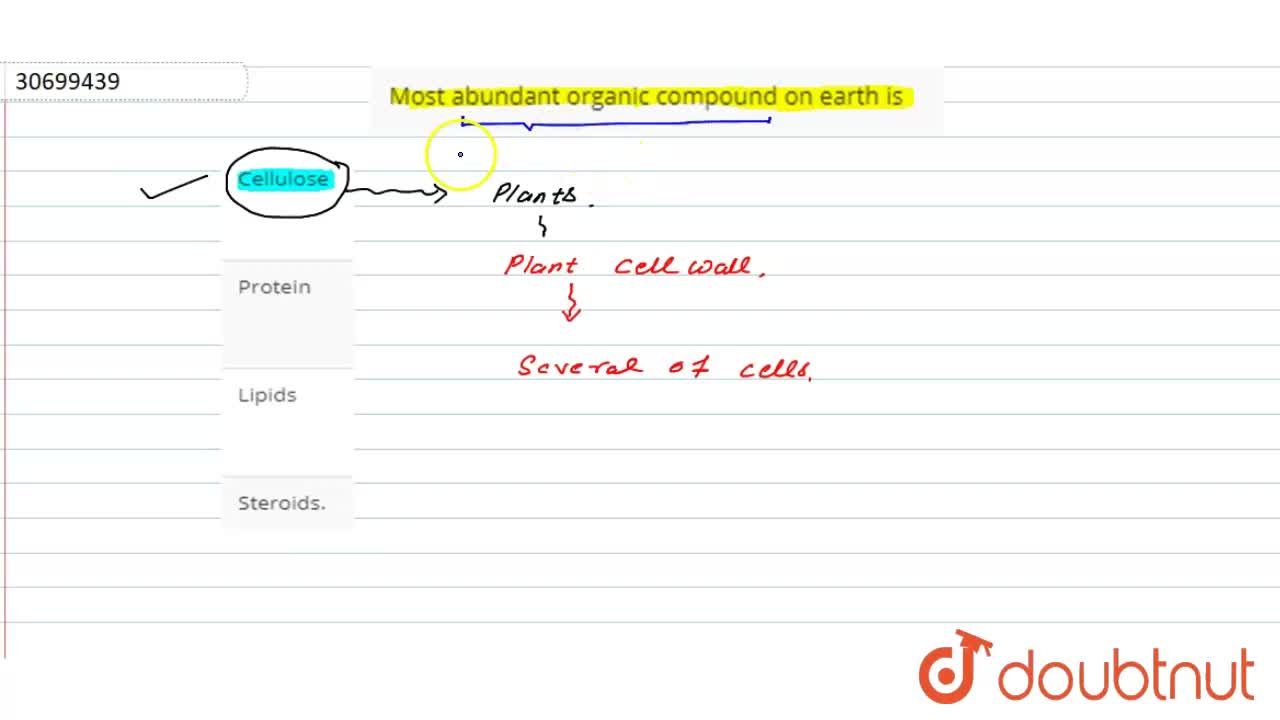
For decades, the technology sector has been defined by silicon, rare earth metals, and petroleum-based plastics. These materials built the hardware of the digital revolution, from the earliest mainframes to the sleek smartphones in our pockets. However, as the tech industry faces a dual crisis of resource scarcity and environmental impact, engineers are turning back to nature to find the next great material. The answer lies in the most abundant organic compound on Earth: cellulose.
While often associated with paper and wood, cellulose is undergoing a high-tech transformation. Through nanotechnology and advanced chemical engineering, this ubiquitous polymer is being reimagined as a high-performance material for everything from flexible displays to biodegradable semiconductors. This article explores how cellulose is bridging the gap between biology and technology, positioning itself as the cornerstone of the next industrial era.
The Biological Architecture: Understanding the World’s Most Abundant Tech Asset
To understand why cellulose is a technological marvel, one must first understand its molecular structure. Cellulose is a complex carbohydrate, or polysaccharide, consisting of a linear chain of several hundred to many thousands of linked glucose units. It is the primary structural component of the cell walls of green plants, providing them with the rigidity and strength required to grow tall against gravity.
The Molecular Foundation of Cellulose
From a technical perspective, cellulose is a high-molecular-weight polymer. Its strength comes from the hydrogen bonds that form between the chains, creating microfibrils with high tensile strength. In the world of materials science, these fibers are comparable to Kevlar in terms of their strength-to-weight ratio. Unlike synthetic polymers derived from fossil fuels, cellulose is renewable, biodegradable, and carbon-neutral. For tech developers, this offers a unique “programmable” material that can be manipulated at the molecular level to exhibit specific physical properties, such as transparency, conductivity, or heat resistance.
From Ancient Plants to Modern Data
The transition of cellulose from a structural plant component to a tech-grade material involves a process called “nanofibrillation.” By breaking down wood pulp or agricultural waste into nano-sized fibers—often referred to as Nanocellulose (NC)—scientists have created a substance that is stronger than steel but incredibly lightweight. This isn’t just a discovery for biology; it is a breakthrough for hardware engineering. As we move toward a “circular tech economy,” the abundance of cellulose ensures a virtually limitless supply chain for high-performance components.
Nanocellulose: The New Frontier in Hardware and Gadgetry
The most exciting applications of the world’s most abundant organic compound are found in the realm of Nanocellulose. This material comes in several forms, including Cellulose Nanofibers (CNF) and Cellulose Nanocrystals (CNC). In the tech industry, these materials are being used to solve some of the most persistent problems in hardware design: weight, durability, and thermal management.
Superior Strength-to-Weight Ratios in Gadget Design
Weight is a critical factor in the design of portable electronics, drones, and wearable tech. Nanocellulose-reinforced composites are being developed to replace heavy plastics and metals in device casings. These composites offer incredible impact resistance while significantly reducing the overall weight of the device. Furthermore, because cellulose has a low coefficient of thermal expansion, it remains stable under the high heat generated by modern processors, preventing the warping and internal stress that can shorten the lifespan of high-end gadgets.
The Rise of Flexible Electronics and Biodegradable Sensors
The next generation of tech is flexible. Foldable smartphones, “electronic skin” for health monitoring, and smart textiles require substrates that are both pliable and durable. Cellulose-based “nanopaper” is emerging as the ideal substrate for these applications. Unlike traditional plastic films, nanocellulose paper is highly transparent and can be infused with conductive inks to create flexible circuit boards.
Perhaps more importantly, this allows for the creation of “transient electronics”—sensors and devices designed to function for a specific period and then harmlessly biodegrade. This has massive implications for the Internet of Things (IoT) in agriculture and environmental monitoring, where thousands of sensors can be deployed without the fear of contributing to the growing global crisis of electronic waste (e-waste).
Revolutionizing Digital Infrastructure through Bio-Computing
While the physical casing and screens of our devices are important, the internal components are where the real tech revolution is happening. The semiconductor industry is currently looking for ways to make manufacturing more sustainable, and cellulose is playing a starring role in the evolution of the “green chip.”
Cellulose-Based Data Storage and Circuitry
Current Printed Circuit Boards (PCBs) are a nightmare for recyclers. They are made of glass fibers and epoxy resins that are difficult to separate and often contain toxic flame retardants. Researchers have successfully demonstrated the use of cellulose-derived substrates for PCBs that can be easily dissolved in water at the end of their life cycle, allowing for the easy recovery of precious metals like gold and copper.
Beyond the boards themselves, nanocellulose is being studied for its potential in data storage. Scientists have experimented with using cellulose films as a medium for high-density optical storage. By manipulating the way the fibers reflect light, data can be encoded at a microscopic level, offering a potential alternative to traditional magnetic or silicon-based storage solutions that require energy-intensive cooling.
Sustainable Servers and Cooling Systems
The massive data centers that power our AI and cloud services consume enormous amounts of energy, much of it dedicated to cooling. Cellulose aerogels—ultra-lightweight solids derived from the compound—are some of the best thermal insulators ever discovered. By integrating these aerogels into the architecture of server farms, the tech industry can significantly reduce the energy required to maintain optimal operating temperatures. Furthermore, because cellulose is hydrophilic, it can be used in advanced evaporative cooling systems that are more efficient than traditional air-conditioning units.
The Green Tech Ecosystem: Scaling Sustainable Manufacturing
The shift toward cellulose isn’t just about the material’s properties; it’s about the entire tech ecosystem’s move toward sustainability. As global regulations on plastic use and e-waste tighten, companies that integrate the world’s most abundant organic compound into their manufacturing processes will have a significant competitive advantage.
3D Printing with Bio-Polymers
Additive manufacturing, or 3D printing, is a cornerstone of modern tech prototyping and specialized production. However, most 3D printers rely on petroleum-based filaments like PLA or ABS. The development of cellulose-based inks and filaments is a game-changer. These materials allow for the “printing” of complex, high-strength parts that are entirely bio-sourced. This enables “local manufacturing,” where tech components are printed on-demand using locally sourced agricultural waste, drastically reducing the carbon footprint associated with global shipping and logistics.
Reducing the Carbon Footprint of the Tech Supply Chain
Tech giants are under increasing pressure to reach “Net Zero” carbon goals. Incorporating cellulose into the supply chain is one of the most effective ways to achieve this. Since plants sequester carbon as they grow, the cellulose extracted from them acts as a carbon sink. When a smartphone manufacturer uses cellulose-based components instead of plastic, they are essentially locking carbon into a high-tech product rather than releasing it into the atmosphere through fossil fuel extraction.
The Future of the Bio-Digital Interface
As we look toward the future, the boundary between technology and biology will continue to blur. Cellulose is more than just a replacement for plastic; it is a platform for a new kind of “living technology.” We are already seeing the emergence of bio-hybrid systems where cellulose provides the scaffolding for lab-grown tissues or biosensors that can communicate directly with digital networks.
The “abundance” of cellulose is its greatest tech feature. In a world of finite resources and complex geopolitical struggles over rare earth minerals, a material that grows in every forest and field offers a path toward a decentralized, democratic, and sustainable technological future. The most abundant organic compound on Earth is no longer just a subject for biology textbooks—it is the raw material of the digital age. By leveraging the unique molecular properties of cellulose, the tech industry can finally build a world that is as smart as it is sustainable, ensuring that the gadgets of tomorrow do not come at the expense of the planet today.
aViewFromTheCave is a participant in the Amazon Services LLC Associates Program, an affiliate advertising program designed to provide a means for sites to earn advertising fees by advertising and linking to Amazon.com. Amazon, the Amazon logo, AmazonSupply, and the AmazonSupply logo are trademarks of Amazon.com, Inc. or its affiliates. As an Amazon Associate we earn affiliate commissions from qualifying purchases.