
In the ecosystem of automotive technology, we often focus on the high-profile components: the turbocharged engines, the sophisticated Electronic Control Units (ECUs), and the complex sensor arrays that power autonomous driving features. However, the integrity of these advanced systems often relies on a surprisingly analog piece of hardware: the radiator cap. While it may appear to be a simple metal lid, the radiator cap is a precision-engineered pressure-regulating valve. In the world of thermal management technology, a failure in this small component can lead to a catastrophic system-wide shutdown.
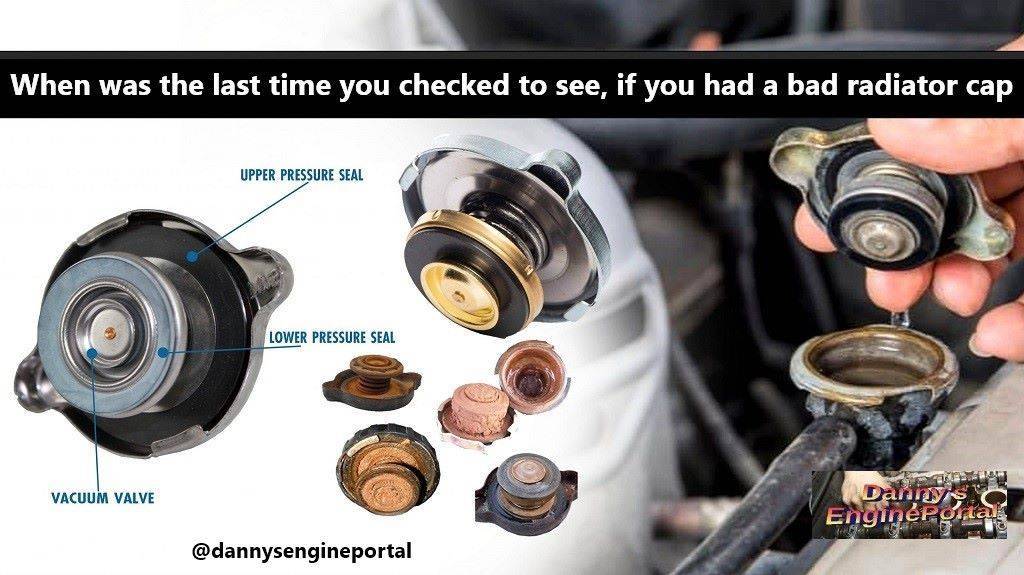
Understanding what a bad radiator cap looks like is essential for anyone maintaining high-performance hardware. This guide explores the physical indicators of failure, the engineering principles behind the component, and the diagnostic technology used to ensure your vehicle’s thermal management system remains optimal.
The Engineering Behind the Radiator Cap: More Than Just a Lid
To identify a “bad” radiator cap, one must first understand the technical specifications of a “good” one. In modern automotive engineering, the cooling system is a pressurized environment. By increasing the pressure of the coolant, the boiling point is raised, allowing the engine to operate at higher, more efficient temperatures without the coolant turning into steam.
Pressure Regulation Mechanics
The radiator cap acts as a two-way relief valve. Most modern caps are rated between 13 and 16 PSI (pounds per square inch). When the engine reaches operating temperature, the coolant expands. If the pressure exceeds the cap’s rated limit, a spring-loaded valve opens, allowing excess coolant to flow into the expansion tank. A “bad” cap often loses the ability to maintain this specific tension, leading to either premature venting or a dangerous buildup of pressure.
The Vacuum Valve and Coolant Recovery
The second technical function of the cap occurs during the cooling phase. As the engine shuts down and the coolant temperature drops, a vacuum is created within the system. A secondary vacuum valve within the cap must open to allow coolant to be sucked back from the reservoir into the radiator. Failure of this microscopic hardware component—often due to debris or material fatigue—results in collapsed radiator hoses, a primary visual symptom of a faulty cap.
Visual Diagnostics: Identifying Physical Failure in the Hardware
Identifying a bad radiator cap requires a keen eye for material degradation. Because these components are exposed to extreme thermal cycles and chemical cooling agents, the hardware eventually reaches its “End of Life” (EOL).
Degraded Seals and Gasket Erosion
The most common visual indicator of a bad radiator cap is the deterioration of its rubber seals. Modern caps use EPDM (Ethylene Propylene Diene Monomer) or silicone gaskets designed to withstand high heat. Over time, these seals can become brittle, cracked, or “swollen” due to chemical reactions with contaminated coolant.
When inspecting the cap, look for:
- Cracking: Small fissures in the rubber rings mean the cap can no longer hold a vacuum or pressure.
- Flattening: A seal that has lost its “loft” or elasticity will fail to create an airtight interface with the radiator neck.
- Sludge Accumulation: The presence of a “milky” or “gritty” substance on the underside of the cap indicates a breakdown in the cooling system’s chemistry, which often leads to the physical jamming of the cap’s spring mechanism.
Structural Integrity and Spring Tension
The main spring is the “processor” of the radiator cap; it calculates when to release pressure based on physical resistance. If you notice rust or corrosion on the spring, the hardware is compromised. A “weak” spring may not look broken, but if it offers little resistance when compressed by hand, it will fail to hold the required PSI. Furthermore, if the metal housing of the cap shows signs of warping or “crowning,” it indicates that the system has been exposed to pressures far exceeding the cap’s design parameters.

The Digital and Mechanical Diagnostic Approach: Using Tech to Identify Failure
In a professional tech environment, visual inspection is only the first step. To truly verify if a radiator cap is “bad,” technicians use specialized diagnostic gadgets that provide quantitative data.
Pressure Testing Tools
The most reliable way to identify a bad cap is through a cooling system pressure tester. This gadget consists of a hand pump and a specialized adapter that mimics the radiator neck. By attaching the cap to the tester and pumping it to its rated PSI, a technician can observe the gauge. If the needle drops, the internal valve is leaking. This technical validation moves beyond guesswork, providing a binary (pass/fail) result on the hardware’s viability.
OBD-II Telemetry and Overheating Alerts
Modern vehicle technology allows us to diagnose a bad radiator cap through data logs. By using an OBD-II (On-Board Diagnostics) scanner paired with software like Torque Pro or BlueDriver, a user can monitor the “Engine Coolant Temperature” (ECT) in real-time.
A failing cap often manifests in the data as “temperature spiking.” If the cap fails to hold pressure, the boiling point drops, and the ECU will register rapid fluctuations in temperature as air pockets (steam) pass by the sensor. Analyzing these data graphs can help identify a faulty cap long before the “Check Engine” light or the dashboard temperature gauge reaches the red zone.
Preventive Tech: Modern Solutions for Cooling System Longevity
As we look toward the future of automotive hardware, the humble radiator cap is undergoing its own technological evolution. New materials and designs are being implemented to extend the lifecycle of thermal management systems.
Smart Radiator Caps and Integrated Sensors
Some aftermarket tech companies have introduced “Smart Caps” that feature integrated digital or analog thermometers. These gadgets allow the user to see the exact temperature of the coolant at the highest point of the system without relying on the vehicle’s internal sensors. High-performance racing tech has also introduced “High-Pressure” caps (20+ PSI) made from billet aluminum, which offer superior durability and heat dissipation compared to standard OEM stamped-steel versions.
The Role of Coolant Chemistry in Hardware Protection
The “look” of a bad radiator cap is often a reflection of the fluid running through it. Modern “Long-Life” coolants use Organic Acid Technology (OAT) or Hybrid Organic Acid Technology (HOAT). These chemical formulations are designed to protect the metal and rubber components of the radiator cap from electrolysis—a process where electrical currents in the cooling system literally eat away at the hardware. Maintaining the correct chemical balance of the coolant is a form of “software update” for your hardware, ensuring that the physical components do not succumb to premature oxidation.
Conclusion: The Critical Role of Small Hardware
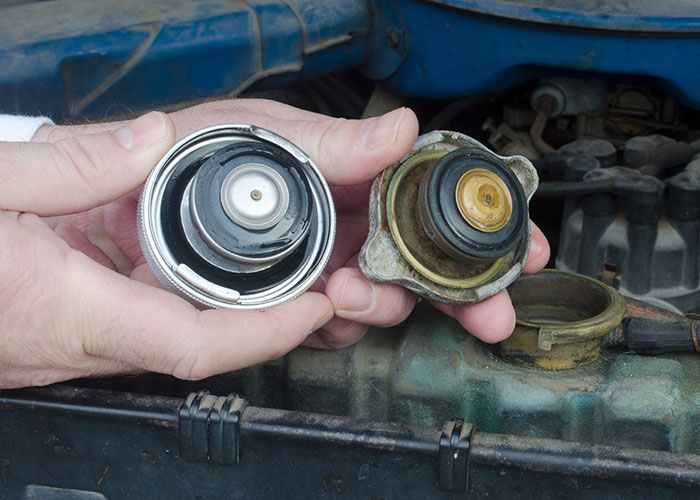
What does a bad radiator cap look like? It looks like a cracked seal, a rusted spring, or a collapsed hose. But more importantly, in the context of modern technology, it looks like a single point of failure that can compromise a high-value system.
In the tech world, we often emphasize the importance of redundancy and maintenance. The radiator cap is a prime example of a “low-tech” component that performs a “high-stakes” role. By performing regular visual inspections for seal degradation and utilizing diagnostic tools like pressure testers and OBD-II scanners, you can ensure that this critical piece of hardware continues to regulate the thermal environment of your machine.
Treat your vehicle’s cooling system with the same rigor you would apply to a server room’s HVAC or a high-end PC’s liquid cooling loop. Replace the radiator cap at the first sign of physical wear—it is the cheapest “insurance policy” you can buy for the sophisticated technology living under your hood.
aViewFromTheCave is a participant in the Amazon Services LLC Associates Program, an affiliate advertising program designed to provide a means for sites to earn advertising fees by advertising and linking to Amazon.com. Amazon, the Amazon logo, AmazonSupply, and the AmazonSupply logo are trademarks of Amazon.com, Inc. or its affiliates. As an Amazon Associate we earn affiliate commissions from qualifying purchases.