
The blank space inside a wedding card is often the most intimidating four square inches of paper a guest will ever encounter. For decades, the struggle to find the “perfect” words—those that balance sentiment, humor, and sincerity—has led to countless hours of writer’s block. However, as we move further into the digital age, the question of “what can I write in a wedding card” is no longer just a matter of creative intuition. It has become an exercise in leveraging modern technology to enhance human connection.
From generative artificial intelligence to sophisticated digital calligraphy tools, the intersection of tradition and technology offers a suite of solutions for the modern wedding guest. This article explores the technological landscape of sentiment, providing a professional guide on how to use current tools to move past clichés and deliver a message that resonates.
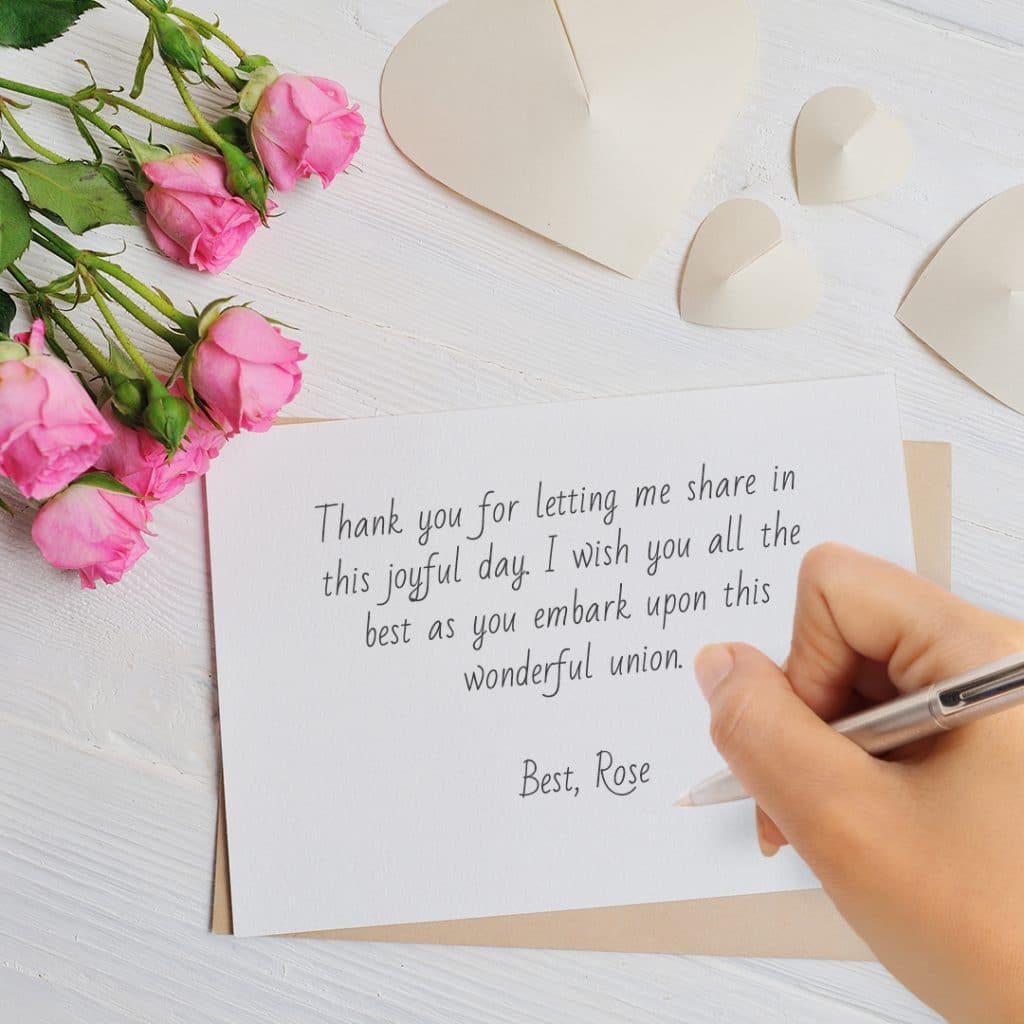
The Evolution of Expression: How AI is Redefining Wedding Etiquette
The advent of Large Language Models (LLMs) like GPT-4, Claude, and Gemini has fundamentally changed how we approach personal correspondence. What was once a solitary struggle is now a collaborative process between human intent and machine intelligence.
From Cliché to Custom: Using Generative AI for Personalization
The primary limitation of traditional “wedding card inspiration” websites is their static nature. They offer a list of twenty generic quotes that thousands of other guests are likely using. Generative AI breaks this mold by allowing for hyper-personalization.
By inputting specific parameters—such as how you met the couple, a shared inside joke, or a specific wish for their future—AI can synthesize a unique message that feels organic. The technology doesn’t just provide a template; it acts as a linguistic architect, structuring thoughts in a way that maintains the appropriate emotional weight. For instance, a guest can prompt an AI to “write a wedding message that is 50 words long, uses a professional yet warm tone, and mentions our shared time at university.”
The Ethics of Automation: Is an AI-Generated Message Sincere?
A common concern in the tech space is whether using a tool to write a personal message diminishes its sincerity. However, the professional perspective suggests that technology is a catalyst for, rather than a replacement of, emotion. Using AI to find the right words is similar to using a dictionary or a book of poetry; it is a resource to help express a feeling that already exists.
The most effective use of tech in this space is the “Human-in-the-Loop” (HITL) model. This involves using AI to generate a first draft, which the guest then edits and handwrites. This ensures the message benefits from the structural integrity of AI while retaining the irreplaceable “human touch” of personal handwriting.
Digital Tools and Platforms for Sophisticated Sentiment
Beyond the text itself, the ecosystem of digital tools available to wedding guests has expanded to include platforms that assist with grammar, tone, and even the physical presentation of the message.
Creative Writing Software and Prompt Engineering for Guests
For those who want to write the message themselves but need a structural “nudge,” specialized writing software can be invaluable. Tools like Grammarly or Hemingway Editor are no longer just for the office; they are essential for ensuring a wedding message is concise and impactful.
Furthermore, “prompt engineering” has become a necessary skill for the modern guest. Instead of asking a tool for “a wedding message,” savvy users are learning to provide context: “Compose a message for a childhood friend’s wedding that focuses on the theme of long-term loyalty and new beginnings, keeping the reading level accessible yet sophisticated.” This level of tech-literacy allows the guest to control the narrative output precisely.
Digital Calligraphy and Tablet-to-Paper Technologies
One of the most exciting developments in the “wedding card tech” space is the bridge between digital design and physical paper. Many guests now use tablets and styluses (such as the iPad Pro and Apple Pencil) paired with software like Procreate to draft their messages.
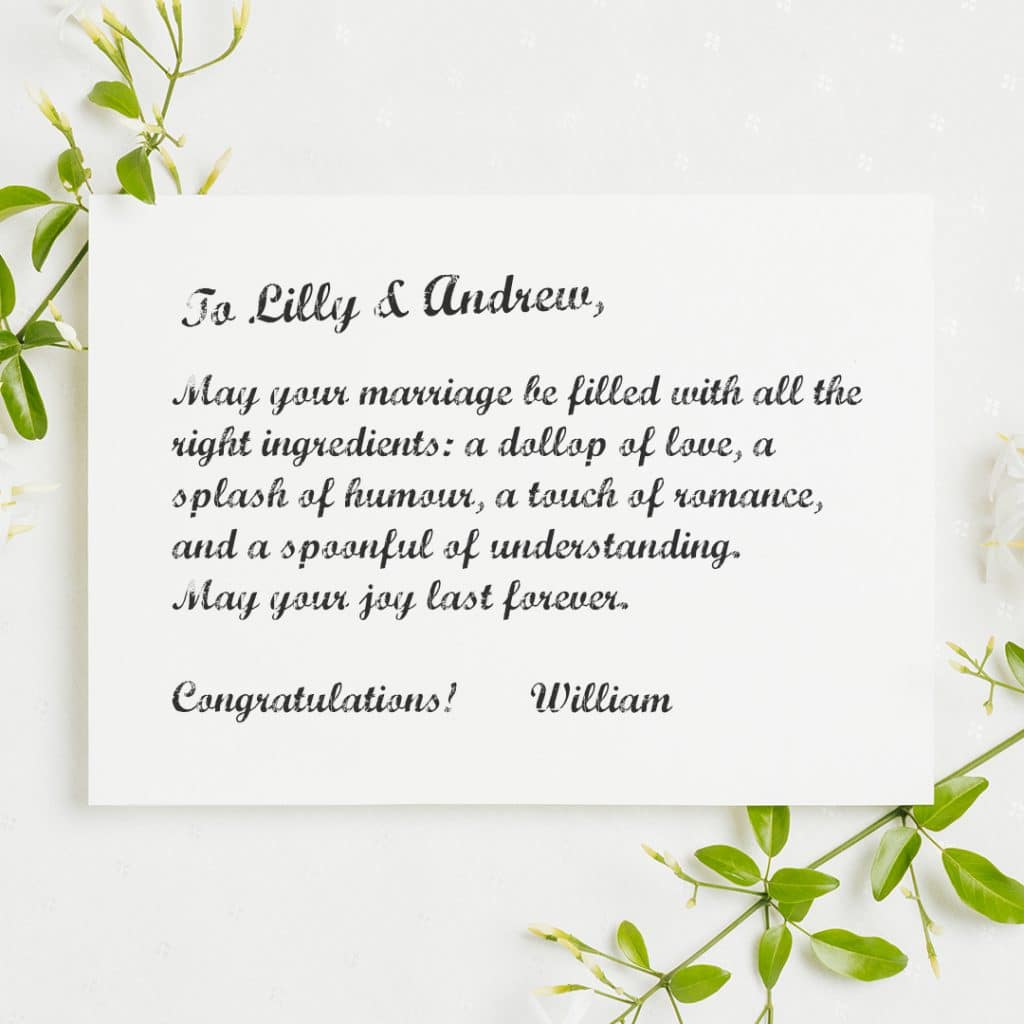
Digital calligraphy allows for infinite “undos,” meaning the guest can perfect their handwriting digitally before transferring it to the card. Some advanced users even use plotting machines (like Cricut or Silhouette) to “hand-write” their digitally perfected messages onto physical cards using real pens, merging the perfection of digital design with the tactile quality of ink on paper.
Security, Sovereignty, and the Future of Digital Correspondence
As weddings become more integrated with the digital world, the way we deliver and store messages is also evolving. We are moving toward a future where a wedding card might be more than just a piece of cardstock.
QR Codes and the Future of Digital Guestbooks
A growing trend in the tech-savvy wedding circuit is the inclusion of a custom QR code inside the physical card. This code can link to a variety of digital assets: a personalized video message, a curated playlist for the couple, or even a digital photo album of memories shared between the guest and the couple.
This hybrid approach solves the “space problem” of the physical card. While the written message provides the immediate sentiment, the QR code acts as a portal to a richer, multimedia experience. From a technical standpoint, this requires guests to understand basic cloud hosting or the use of dedicated “living guestbook” platforms that ensure these links remain active for years to come.
Blockchain and NFTs: Tokenizing the Gift of Words
While still in its niche stages, the concept of “on-chain” wedding wishes is emerging. By minting a wedding message as an NFT (Non-Fungible Token) on a blockchain, the message becomes a permanent, immutable part of a digital ledger.
This provides a level of digital sovereignty and permanence that paper cards cannot match. A paper card can be lost in a fire or a move, but a message stored on a decentralized network exists as long as the network does. For the high-tech couple, receiving a “digital heirloom” alongside a physical card represents the ultimate fusion of modern technology and traditional sentiment.
Practical Tutorials: Prompts and Plugins for the Modern Guest
To effectively answer “what can I write in a wedding card,” one must know how to interact with the current software effectively. Here is a brief guide on the technical application of these tools.
Mastering the LLM Prompt for Different Relationship Dynamics
To get the best results from an AI writing assistant, the prompt must be specific. Here are three templates based on relationship tech-profiles:
- For a Professional Colleague: “Generate a 3-sentence wedding card message for a co-worker. The tone should be professional, wishing them success in their new partnership and expressing appreciation for their presence in the office.”
- For a Close Friend (The ‘Data-Dump’ Method): “I am writing to my best friend. Here are five facts: We met in 2010, we love hiking, they are marrying [Partner Name], they always supported me during my career change. Synthesize these into a heartfelt, slightly humorous 4-line wedding card message.”
- The Poetic Prompt: “Using the style of [Specific Poet], write a short blessing for a couple focused on the theme of ‘constant growth.'”
Mobile Apps that Bridge the Gap Between Digital and Physical
Several apps now allow you to type a message on your phone, which is then printed in a font that mimics human handwriting and mailed as a physical card. Services like Felt or Inkbolt use proprietary tech to ensure the “handwritten” look is indistinguishable from the real thing. For the busy professional or the guest living overseas, these apps represent a significant technological leap in maintaining social etiquette through digital convenience.
Conclusion: The Synergy of Tech and Tradition
The question “what can I write in a wedding card” has shifted from a creative burden to a technological opportunity. By utilizing AI as a brainstorming partner, digital design tools as a calligraphic aid, and emerging technologies like QR codes to expand the medium, guests can create messages that are more thoughtful and personalized than ever before.
In the end, technology does not replace the sentiment behind a wedding card; it provides a more robust vessel for it. Whether you are using a sophisticated LLM to find the perfect metaphor or a digital stylus to perfect your script, the goal remains the same: to celebrate a union with clarity, beauty, and permanence. In the modern era, the most “traditional” thing a guest can do is use every tool at their disposal to ensure their message is as meaningful as possible.
aViewFromTheCave is a participant in the Amazon Services LLC Associates Program, an affiliate advertising program designed to provide a means for sites to earn advertising fees by advertising and linking to Amazon.com. Amazon, the Amazon logo, AmazonSupply, and the AmazonSupply logo are trademarks of Amazon.com, Inc. or its affiliates. As an Amazon Associate we earn affiliate commissions from qualifying purchases.