
In the history of global economics, the traditional banking system has often been compared to the Roman Empire. At its height, the Roman administrative machine was a marvel of centralization, standardization, and territorial expansion. Similarly, the modern financial system—led by central banks, the SWIFT network, and massive institutional conglomerates—has sought to “conquer” every corner of the globe, bringing them under the umbrella of fiat currency and regulated credit.
However, just as the Roman legions were halted at the borders of Germania, the highlands of Caledonia, and the vast expanses of the Parthian Empire, there are specific “areas” in the modern financial landscape that remain unconquered by the “Roman Empire” of traditional finance. These are the frontiers of wealth, the decentralized protocols, and the untapped markets that operate outside the reach of conventional monetary hegemony. For the modern investor, understanding these unconquered territories is not just a historical curiosity; it is a strategic necessity for wealth preservation and growth in an increasingly volatile world.

The Decentralized Frontier: Why the Blockchain Remains a Financial Germania
The most prominent territory that has successfully resisted the expansion of traditional banking is the realm of Decentralized Finance (DeFi). In this digital Germania, there are no central governors, no administrative tax collectors, and no singular points of failure. While traditional banks operate on a “permissioned” basis—much like a Roman province requiring the Emperor’s favor—DeFi operates on a protocol-first basis.
The Rise of Trustless Architecture
The primary reason traditional finance cannot “conquer” the blockchain is the shift from human-managed trust to code-based trust. In a conventional banking setup, your assets are subject to the whims of institutional policy, geopolitical sanctions, and inflationary measures. DeFi protocols like Uniswap or Aave function as autonomous entities. They are “unconquered” because they do not require a central clearinghouse to function. This creates a financial ecosystem that is resilient to the “conquest” of censorship and seizure, providing a sanctuary for capital that seeks independence from centralized oversight.
Peer-to-Peer Lending and the Erosion of the Middleman
For centuries, banks have acted as the “Roman tax farmers” of the financial world, taking a cut of every transaction and interest spread. The unconquered area of peer-to-peer (P2P) lending via smart contracts removes this intermediary. By allowing a lender in Tokyo to provide liquidity to a borrower in Lagos without a central bank in the middle, the “empire” loses its ability to dictate terms. This democratization of credit is perhaps the most significant border the traditional financial system has yet to cross.
The Challenge of Regulatory Capture
While governments attempt to build “forts” around the edges of the crypto-economy through regulation, the core technology remains elusive. Much like the tribes beyond the Rhine who used the terrain to their advantage, digital assets use encryption and decentralization to stay one step ahead of total capture. As long as the private key remains in the hands of the individual, the territory remains sovereign.
Frontier Markets: The Geographies Resistant to Western Financial Hegemony
Beyond the digital realm, there are physical “areas” on the map that have remained unconquered by the standardized Roman-style banking model of the West. These are known as Frontier Markets—regions where traditional credit cards, high-street banks, and Western insurance models have failed to achieve a foothold.
Sub-Saharan Africa and the Mobile Money Revolution
Large swaths of Sub-Saharan Africa represent a financial territory that bypassed the “Roman” stage of banking entirely. Instead of building massive brick-and-mortar institutions (the villas of the financial empire), these regions have embraced mobile money systems like M-Pesa. These systems are unconquered by traditional banks because they operate on telecommunications infrastructure rather than traditional ledger systems. For an investor, this represents an “unconquered” growth opportunity where the rules of engagement are fundamentally different from the saturated markets of the West.
The Persistence of Informal Economies in Southeast Asia
In many parts of Southeast Asia, the informal economy—driven by cash, community-based lending (tontines), and gold—continues to dwarf the formal banking sector. These areas remain unconquered because they rely on social capital rather than institutional credit scores. Traditional banks struggle to enter these markets because their risk-assessment models cannot quantify the trust-based networks that have existed for generations. This “unconquered” liquidity is a massive, untapped pool of economic activity that operates parallel to the global financial system.
The Isolationists: Markets Under Sanction or Autarky
There are also political “barbarians” at the gate—nations that, by choice or by force, operate outside the Roman-style SWIFT system. While this isolation often leads to economic hardship, it also fosters the development of alternative financial rails. These regions are creating “unconquered” payment systems and trade blocks that do not rely on the US Dollar or the Euro, signaling a potential shift toward a multi-polar financial world where no single “empire” holds total sway.
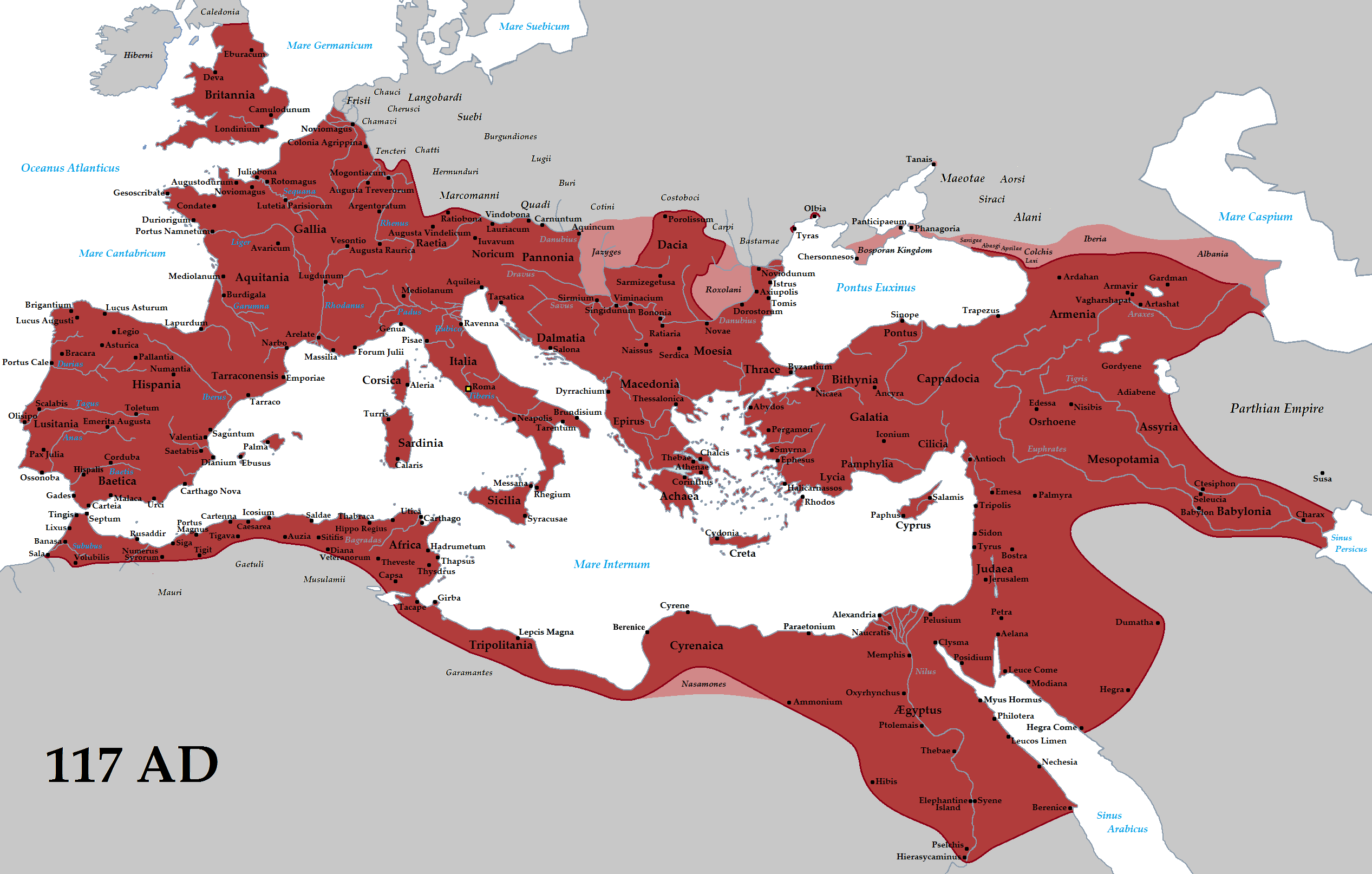
Hard Assets: The “Caledonia” of the Investment Portfolio
In the context of personal finance and wealth management, “unconquered areas” also refer to asset classes that cannot be devalued or manipulated by the central authorities. If fiat currency is the standardized coinage of the Empire, hard assets are the untamed territories of the North—difficult to govern, but inherently valuable.
Precious Metals as a Sovereign Reserve
Gold and silver have survived the rise and fall of every financial empire in history. They remain “unconquered” because they carry no counterparty risk. When a bank fails or a currency is devalued, the owner of physical bullion remains unaffected by the “imperial” decree. In a modern portfolio, these assets represent a territory that is immune to the “Roman” policy of quantitative easing. They are the ultimate “barbarian” resistance against the debasement of the currency.
Real Estate and Productive Land
While property is subject to taxation, the physical reality of land makes it an unconquered asset in terms of intrinsic utility. You cannot “print” more land in the way a central bank prints money. Investing in productive agricultural land or strategic real estate provides a hedge against the administrative failures of the financial system. It is a tangible “area” that retains value regardless of the digital or paper fluctuations in the capital cities of finance.
Intellectual Property and “Human Capital”
Perhaps the most unconquered territory of all is the human mind. Intellectual property, specialized skills, and personal branding are assets that cannot be confiscated by a bank or inflated away by a treasury. In the modern economy, your “unconquered” wealth lies in your ability to generate value independently of the system. This is the ultimate side hustle—building a fortress of skill that exists outside the reach of corporate or state conquest.
Strategic Mastery: How to Invest in the Unconquered Zones
Navigating the financial areas not conquered by the “Romans” requires a shift in mindset. It requires moving away from the safety of the “Pax Romana” (the perceived stability of traditional institutions) and toward the volatility—and opportunity—of the frontier.
Diversification Beyond the Imperial Borders
A professional investment strategy must include “unconquered” assets. If 100% of your wealth is held in a traditional savings account or a standard stock market index, you are entirely subject to the laws and failures of the Empire. By allocating a portion of capital to DeFi, frontier markets, and hard assets, you are effectively “hedging” against the collapse of the central system. This is the financial equivalent of keeping one foot in Rome and one foot in the frontier.
The Importance of Self-Custody
In the unconquered zones, the burden of security falls on the individual. In the Roman Empire, the legions provided security; in the frontier, you carry your own sword. This means embracing self-custody for digital assets, physical security for hard assets, and deep due diligence for frontier market investments. The higher rewards of these unconquered areas come with the requirement of higher personal responsibility.
Identifying the Next Unconquered Frontier
The “Roman Empire” of finance is always trying to expand. Today’s unconquered area may be tomorrow’s regulated province. The astute investor is always looking for the next territory: Is it AI-driven autonomous wealth funds? Is it the commercialization of space resources? Is it the rise of hyper-local circular economies? Identifying where the central system cannot go is the key to finding the next great “unconquered” investment opportunity.
Conclusion: The Value of the Unconquered
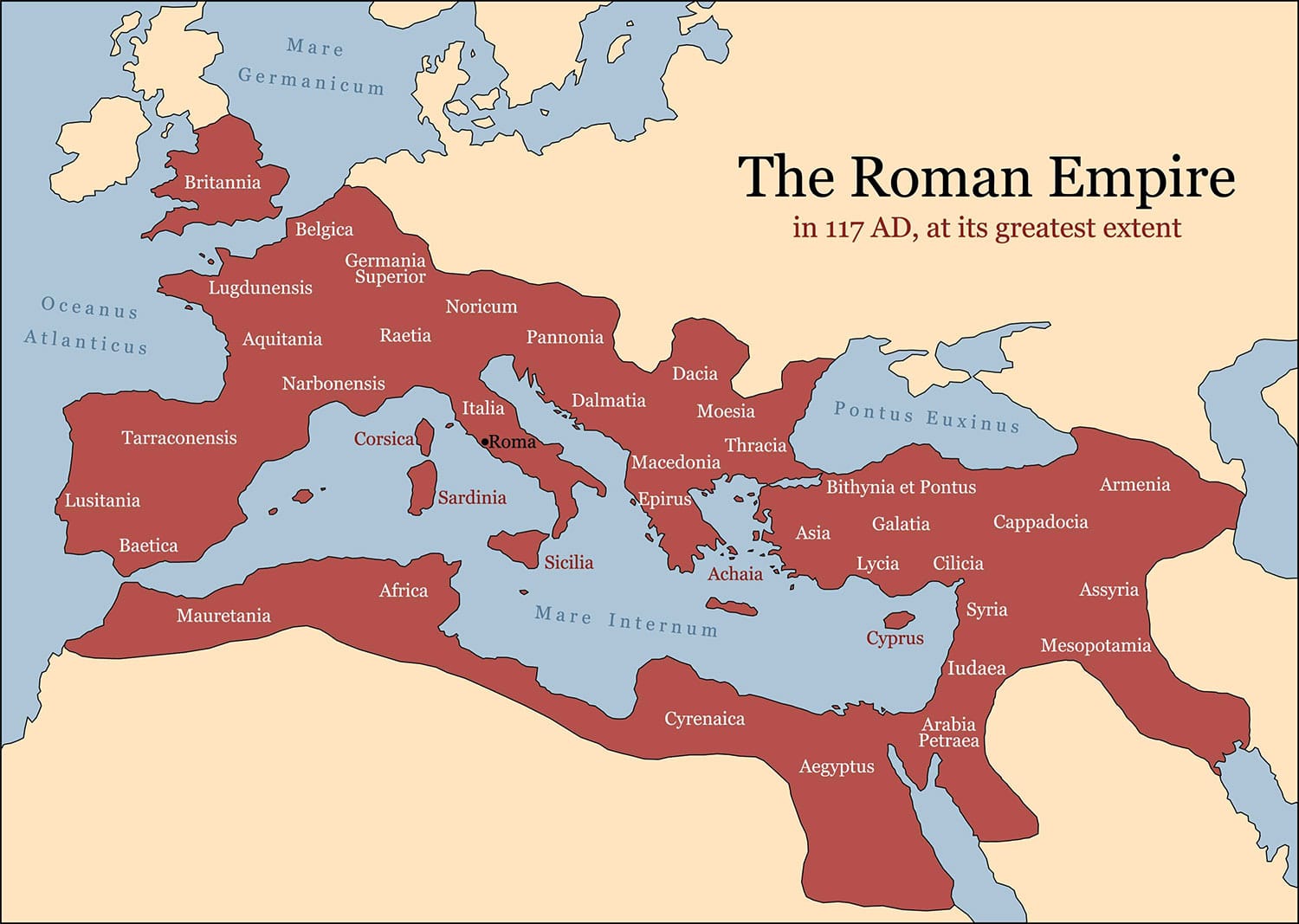
The Roman Empire eventually fell not because it lacked power, but because it became too centralized, too overextended, and too rigid to adapt to the realities of the frontier. Today’s traditional financial system faces similar pressures. The areas that remain “unconquered”—the decentralized protocols, the unbanked regions of the world, and the sovereign hard assets—are not just holes in the map. They are the vents through which the modern economy breathes.
For the individual looking to build lasting wealth, the lesson is clear: do not put all your faith in the “Roman” roads of traditional finance. By exploring and investing in the unconquered territories, you ensure that your financial future is not tied to the fate of a single empire, but is instead as vast and resilient as the unconquered world itself. In the gaps where the “Roman” influence ends, true financial sovereignty begins.
aViewFromTheCave is a participant in the Amazon Services LLC Associates Program, an affiliate advertising program designed to provide a means for sites to earn advertising fees by advertising and linking to Amazon.com. Amazon, the Amazon logo, AmazonSupply, and the AmazonSupply logo are trademarks of Amazon.com, Inc. or its affiliates. As an Amazon Associate we earn affiliate commissions from qualifying purchases.