
In the era of the “Quantified Self,” the traditional measurement of vital signs has migrated from the sterile confines of a doctor’s office to the wrists and pockets of billions of consumers. At the heart of this movement is a fundamental metric: blood pressure. While biologically it represents the force of circulating blood against the walls of the body’s arteries, in the realm of modern technology, blood pressure has become a sophisticated data point. It is a cornerstone of the burgeoning HealthTech industry, driving innovations in wearable sensors, artificial intelligence, and remote patient monitoring (RPM).
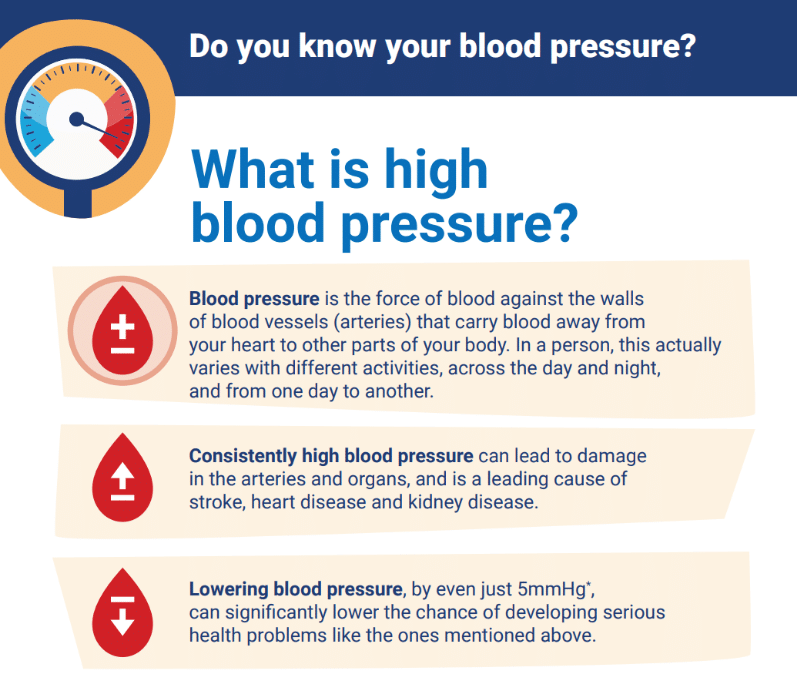
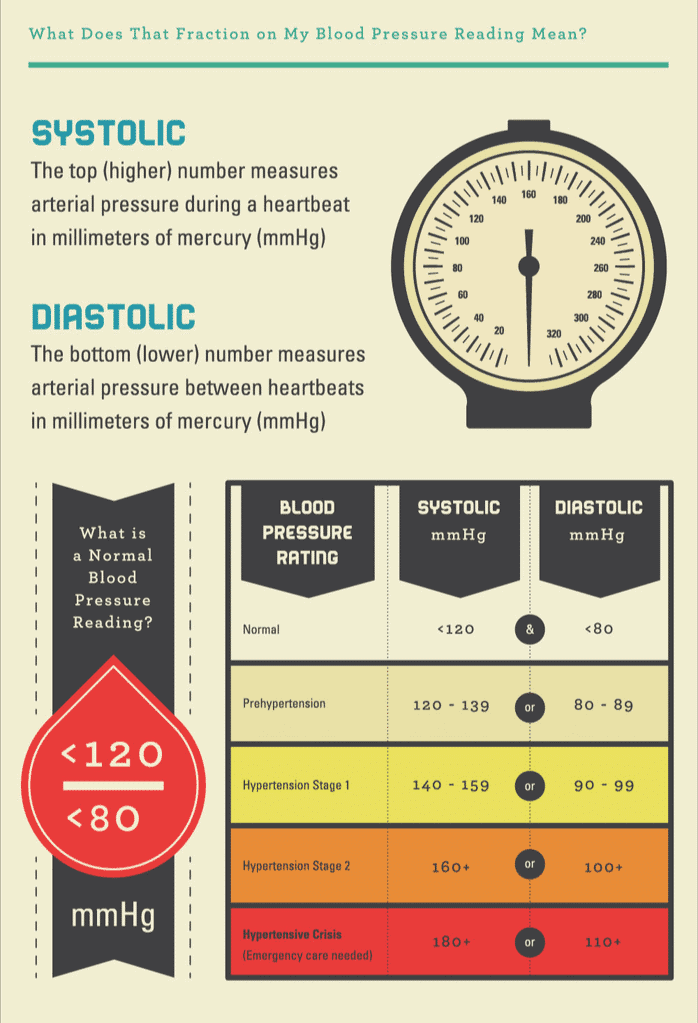
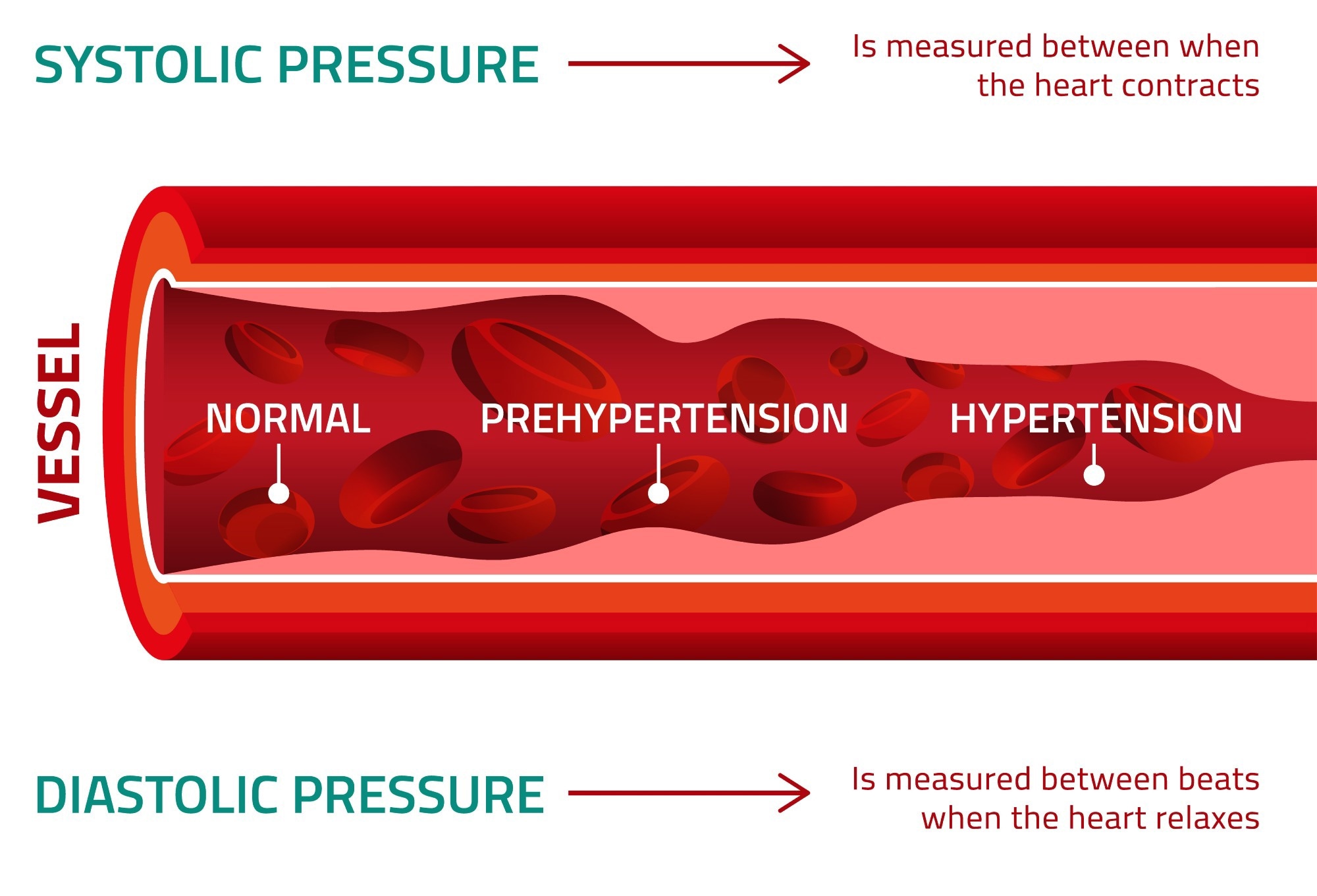
Understanding what blood pressure is through a technological lens requires looking beyond the numbers (systolic and diastolic) and exploring the complex hardware and software ecosystems that now capture, analyze, and protect this critical information.
The Engineering of Measurement: From Mercury to Oscillometric Sensors
For over a century, the gold standard for measuring blood pressure was the mercury sphygmomanometer, a mechanical device relying on manual auscultation (listening for Korotkoff sounds). However, the digital revolution has replaced manual observation with high-precision sensors and complex signal-processing algorithms.
The Shift to Oscillometric Technology
Most modern digital blood pressure monitors, whether used in clinics or at home, utilize oscillometric technology. Unlike the manual method, which listens for the sounds of blood flow, oscillometric devices measure the vibrations (oscillations) caused by the blood flowing through the brachial artery. As the cuff deflates, the device’s pressure sensor detects these minute vibrations.
The transition from manual to digital required significant advances in transducer technology. Modern piezoelectric sensors can detect pressure changes as small as a fraction of a millimeter of mercury (mmHg), converting mechanical stress into electrical signals with remarkable fidelity.
Signal Processing and Noise Reduction
One of the greatest challenges in digital blood pressure tech is “noise.” Patient movement, irregular heartbeats (arrhythmia), and even the mechanical hum of the device’s own pump can interfere with data accuracy. To combat this, tech developers employ advanced Digital Signal Processing (DSP). These algorithms filter out artifacts, ensuring that the final reading reflects the user’s true physiological state rather than external interference. This level of software sophistication is what allows consumer-grade gadgets to approach the accuracy levels of clinical-grade equipment.
The Wearable Revolution: Beyond the Inflatable Cuff
Perhaps the most significant trend in HealthTech is the miniaturization of blood pressure monitoring. For decades, the “inflatable cuff” was an unavoidable necessity. Today, technology is moving toward continuous, non-invasive, and cuffless monitoring integrated into gadgets like smartwatches and rings.
Photoplethysmography (PPG) and AI Integration
Most high-end wearables, such as those from Apple, Samsung, and Huawei, utilize Photoplethysmography (PPG) sensors. These sensors shine light (usually green or infrared) into the skin and measure the light scatter caused by blood flow. While PPG is primarily used for heart rate, tech companies are now using sophisticated AI models to derive blood pressure from these light signals.
By analyzing the “Pulse Wave Analysis” (PWA), software can estimate arterial stiffness and pressure. This represents a massive shift from reactive measurement to proactive, continuous monitoring, providing a “movie” of a user’s cardiovascular health rather than a “snapshot.”
Transdermal Optical Imaging
A cutting-edge frontier in this niche is Transdermal Optical Imaging. Using high-bitrate video sensors—sometimes even those found in standard smartphones—this technology detects sub-perceptible changes in facial blood flow. Software then processes these patterns to estimate blood pressure without the user needing to wear any device at all. This fusion of optical physics and machine learning is redefining the boundaries of how we define and capture biological data.
AI and Predictive Analytics: Turning Data into Insights
In the tech sector, data is only as valuable as the insights derived from it. Knowing that a user’s blood pressure is 140/90 mmHg is the start; understanding why it is at that level and when it will spike is where Artificial Intelligence (AI) takes center stage.
Machine Learning Models for Hypertension Prediction
Tech companies are leveraging “Big Data” to build predictive models. By correlating blood pressure readings with other data points—such as sleep quality, caloric intake, GPS-tracked activity levels, and even local weather patterns—AI can identify triggers for hypertension. These tools don’t just report blood pressure; they provide “Digital Biomarkers” that warn users of potential hypertensive crises days before they occur.
Integration with Electronic Health Records (EHR)
The true power of digital blood pressure monitoring lies in its connectivity. Modern apps serve as a bridge between the consumer and the healthcare provider. Through API integrations, blood pressure data can be automatically uploaded to Electronic Health Records (EHR). This creates a seamless “Telehealth” loop where software monitors the data in real-time and alerts a physician if the parameters exceed a certain threshold, effectively digitizing the management of chronic conditions.
The Cybersecurity of Health Data: Protecting Your Vitals
As blood pressure measurement moves into the cloud, it becomes a target for cyber threats. In the niche of digital security, health data is considered “High-Value Information” on the dark web, often fetching higher prices than credit card numbers.
Encryption and Medical IoT Security
The Internet of Medical Things (IoMT) must adhere to rigorous security standards. Modern blood pressure gadgets utilize End-to-End Encryption (E2EE) to ensure that data traveling from the cuff to the smartphone, and eventually to the cloud, remains unreadable to interceptors. Tech developers are increasingly adopting “Zero Trust” architectures, where every device and user must be continuously authenticated to access sensitive health metrics.
Privacy in the Era of Consumer Apps
There is a growing debate within the tech community regarding the privacy policies of third-party health apps. While reputable companies comply with regulations like HIPAA (in the US) or GDPR (in the EU), many “free” blood pressure tracking apps have been scrutinized for sharing anonymized data with advertisers. The technical challenge for the future is implementing “Differential Privacy”—a technique that allows developers to learn about population health trends without ever being able to identify the specific blood pressure data of an individual user.
The Future of Remote Patient Monitoring (RPM)
We are entering an era where “what is blood pressure” is answered not by a doctor’s visit, but by a background process in our digital lives. The future of this tech lies in frictionless integration.
Smart Mirrors and Ambient Sensing
The next wave of innovation involves “Ambient Sensing.” Imagine a smart mirror in your bathroom that uses facial scanning technology to measure your blood pressure while you brush your teeth. Or a steering wheel in a smart car that monitors arterial pressure through the palms of your hands. These technologies aim to eliminate “White Coat Hypertension” (the phenomenon where blood pressure rises due to the stress of being tested) by capturing data in natural, low-stress environments.
The Role of 5G and Edge Computing
The expansion of 5G networks and “Edge Computing” will allow these devices to process massive amounts of cardiovascular data locally on the device rather than sending it to a distant server. This reduces latency, which is critical for real-time monitoring, and enhances security by keeping the most sensitive data on the user’s hardware.
Conclusion
In the modern technological landscape, blood pressure is no longer just a medical statistic; it is a sophisticated stream of digital data. From the high-precision oscillometric sensors in home monitors to the AI-driven PPG sensors in wearables, the technology surrounding cardiovascular health is evolving at an exponential rate. By integrating hardware innovation with predictive software and robust digital security, the tech industry is transforming blood pressure management from a periodic check-up into a continuous, intelligent, and life-saving digital ecosystem. As we look forward, the synthesis of AI, IoMT, and optical sensing promises a world where cardiovascular events are not just treated, but predicted and prevented through the power of technology.
aViewFromTheCave is a participant in the Amazon Services LLC Associates Program, an affiliate advertising program designed to provide a means for sites to earn advertising fees by advertising and linking to Amazon.com. Amazon, the Amazon logo, AmazonSupply, and the AmazonSupply logo are trademarks of Amazon.com, Inc. or its affiliates. As an Amazon Associate we earn affiliate commissions from qualifying purchases.