
In the complex, floating ecosystem of a modern cruise ship, communication is the silent engine that keeps thousands of passengers safe. While guests enjoy high-tech entertainment and seamless digital check-ins, a sophisticated network of emergency protocols operates in the background. One of the most critical signals within this network is “Code Alpha.”
Technically speaking, Code Alpha is the universal maritime shorthand for a medical emergency. However, in the context of 21st-century seafaring, it represents much more than a simple radio call. It is the trigger for a high-speed, integrated technological response that involves satellite synchronization, Internet of Things (IoT) resource management, and advanced telemedicine. Understanding Code Alpha through a tech-centric lens reveals how cruise lines leverage cutting-edge software and hardware to transform a massive vessel into a responsive, life-saving machine.
The Digital Architecture of Cruise Ship Emergency Protocols
When a Code Alpha is declared, the ship’s digital infrastructure shifts from “hospitality mode” to “emergency response mode.” This transition is managed by centralized Command and Control (C2) software that integrates the bridge, the medical center, and various deck departments.
Automated Alert Systems and Bridge Integration
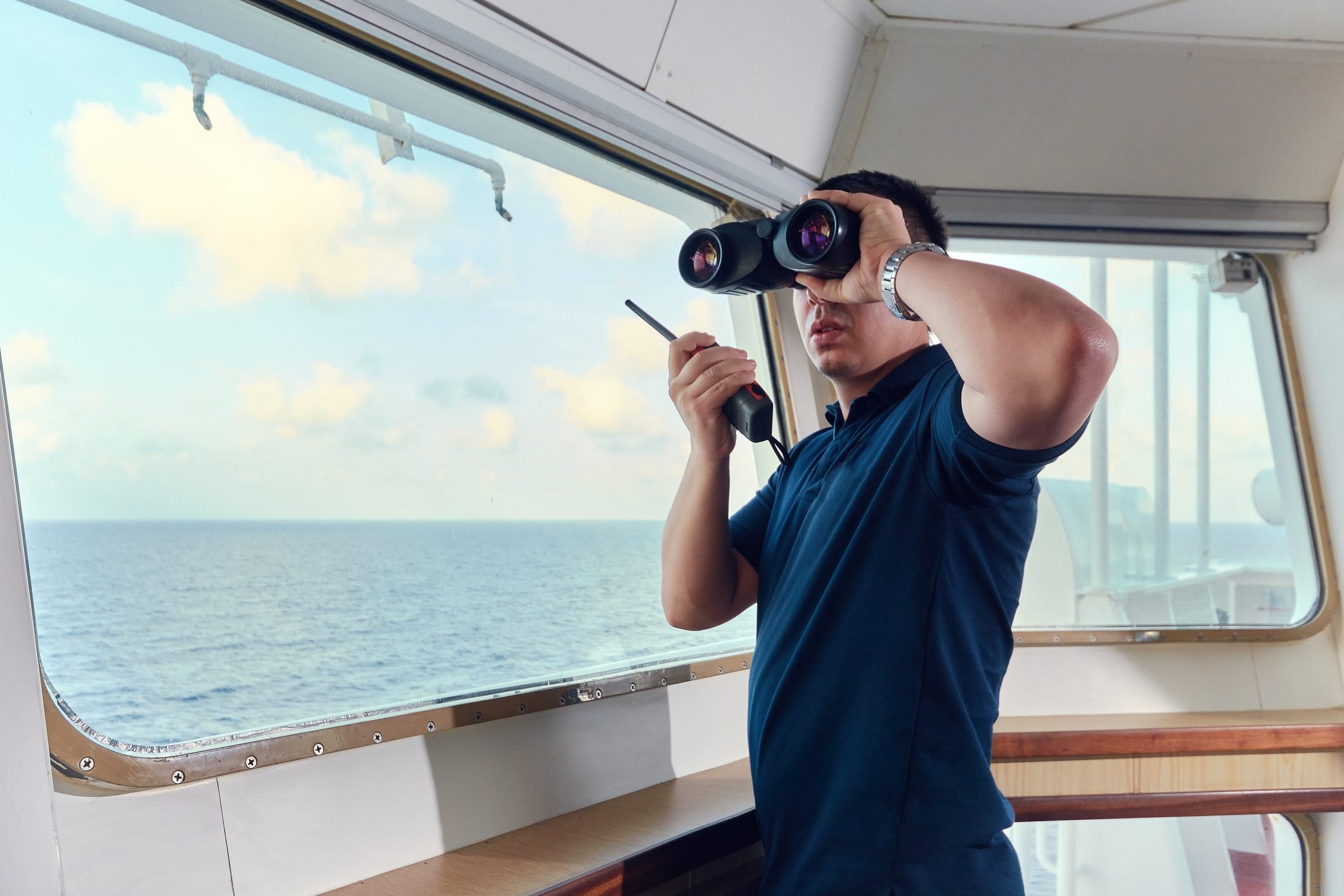
Modern cruise ships utilize Integrated Bridge Systems (IBS) that do more than just navigate. When a medical emergency is reported via an internal emergency line, the information is immediately logged into the ship’s safety management software. This software automatically populates the location of the incident on a digital twin—a 3D map of the vessel—allowing the bridge officers to visualize exactly where the response team needs to go.
The integration ensures that the Captain and the technical officers have real-time situational awareness. For instance, if the Code Alpha occurs in a remote part of the ship, the system can automatically suggest the fastest route for the medical team, accounting for any ongoing maintenance or closed fire doors that might impede progress.
PA System Synchronization and Zone Control
The public address (PA) system on a mega-ship is a marvel of acoustic engineering and software control. Unlike the analog systems of the past, modern PA systems are fully digital and zoned. When “Code Alpha, Stateroom 7042” is announced, the software ensures the message is broadcast with crystal clarity to specific crew-only channels and necessary public areas without causing mass panic.
Advanced digital signal processing (DSP) allows the system to override any background music or theater performances instantly. This automation is vital; in a crisis, reducing the “human-in-the-loop” time for simple tasks like muting music or switching channels can save precious seconds.
Telemedicine and Health-Tech: The Backbone of Code Alpha Response
A cruise ship is essentially a remote island moving across the ocean. When a Code Alpha involves a complex medical condition, the onboard medical team relies on a sophisticated suite of Health-Tech tools to bridge the gap between the ship and land-based specialists.
High-Speed Satellite Connectivity and Real-Time Diagnostics
The recent shift toward low-earth orbit (LEO) satellite constellations, such as Starlink Maritime, has revolutionized the Code Alpha response. High-speed, low-latency internet allows onboard doctors to engage in high-definition video consultations with trauma specialists or cardiologists on shore.
During a medical emergency, diagnostic hardware—such as 12-lead EKGs, portable ultrasound machines, and blood gas analyzers—is connected to the ship’s network. The data from these devices is streamed in real-time to a shore-side medical support center. This “Tele-ICU” capability means that a passenger experiencing a heart attack in the middle of the Atlantic receives the same level of expert oversight as they would in a major metropolitan hospital.
Electronic Health Records (EHR) in Remote Environments
Data management is a critical component of maritime tech. Cruise lines use specialized Electronic Health Record (EHR) systems designed to work in “intermittently connected” environments. When a passenger boards, their encrypted health data is stored on the ship’s local server.
As soon as a Code Alpha is triggered, the attending physician can access the patient’s medical history, allergies, and current medications via a ruggedized tablet. Even if the ship loses its satellite link temporarily, the local server ensures that the medical team isn’t working in the dark. Once connectivity is restored, the system automatically syncs the emergency encounter data back to the central corporate cloud, ensuring a seamless handoff if the patient requires a medevac to a shore-side facility.
Logistics and IoT: Managing Personnel and Resources in Real-Time
Responding to a Code Alpha on a ship that is 1,100 feet long and 20 decks high is a logistical challenge. This is where the Internet of Things (IoT) and smart asset tracking become indispensable.
RFID and Smart Wearables for Rapid Response Teams
Many modern vessels utilize RFID (Radio Frequency Identification) or Bluetooth Low Energy (BLE) beacons to track the location of essential personnel and equipment. When a Code Alpha is called, the dispatcher can see the real-time location of every medical team member on a digital dashboard.
Furthermore, “crash carts” and automated external defibrillators (AEDs) are often equipped with IoT sensors. These sensors alert the maintenance team if a battery is low or if a cart has been moved, ensuring that when a Code Alpha occurs, every piece of equipment is exactly where it should be and in perfect working order. This level of asset management reduces the “search time” that often plagues emergency responses in large-scale land-based facilities.
Smart Elevator and Access Control Overrides
In a medical emergency, the biggest obstacle is often the ship’s own physical layout and the movement of thousands of passengers. The ship’s Integrated Management System (IMS) can be programmed to execute “Emergency Elevator Recall.”
With a few keystrokes on the bridge or in the medical center, a specific elevator bank can be taken out of public service and dedicated exclusively to the medical team. Similarly, smart access control systems automatically unlock necessary crew-only doors and service corridors for the responding team while keeping unauthorized passengers away from the scene. This software-driven traffic control ensures that the transition from the site of the Code Alpha to the ship’s infirmary is as smooth as possible.
Future Tech: AI and Predictive Analytics in Maritime Safety
The evolution of Code Alpha protocols is increasingly leaning toward AI and predictive analytics. The goal is to move from a reactive response to a proactive one, utilizing data to identify potential emergencies before they escalate.
Machine Learning in Onboard Patient Monitoring
Future iterations of shipboard medical tech are incorporating machine learning (ML) algorithms to monitor patients in the infirmary following a Code Alpha. These systems can analyze vital signs and predict if a patient’s condition is likely to deteriorate over the next few hours. By identifying subtle patterns that a human might miss, the AI can alert the medical staff to intervene early, potentially avoiding the need for a risky mid-ocean helicopter evacuation.
Augmented Reality (AR) for Remote Surgical Support
As AR hardware becomes more robust, we are seeing the testing of AR headsets for maritime medical teams. In a severe Code Alpha scenario where a shore-side specialist needs to guide an onboard doctor through a complex procedure, AR can overlay digital instructions onto the doctor’s field of vision. This “see-what-I-see” technology represents the pinnacle of remote emergency assistance, turning a general practitioner into the “hands” of a world-class surgeon located thousands of miles away.
The Synergy of Code and Care
While the term “Code Alpha” may sound like a simple vocal command, it is the “execute” command for one of the most sophisticated technological workflows found anywhere on earth. From the moment the digital PA system mutes the lounge music to the final data sync of the electronic health record, technology is the invisible thread that ensures passenger safety.
The integration of high-speed satellite arrays, IoT asset tracking, and AI-driven diagnostics has fundamentally changed what it means to have a medical emergency at sea. As cruise ships continue to grow in size and complexity, their digital nervous systems will only become more vital. In the world of modern maritime travel, Code Alpha is a testament to how software and hardware can work in perfect harmony to preserve the most important thing on the water: human life.
aViewFromTheCave is a participant in the Amazon Services LLC Associates Program, an affiliate advertising program designed to provide a means for sites to earn advertising fees by advertising and linking to Amazon.com. Amazon, the Amazon logo, AmazonSupply, and the AmazonSupply logo are trademarks of Amazon.com, Inc. or its affiliates. As an Amazon Associate we earn affiliate commissions from qualifying purchases.