
In the complex ecosystem of the global pharmaceutical industry, few segments are as consistently resilient as cardiovascular health. At the heart of this sector lies Bisoprolol, a highly selective beta-1 adrenergic receptor blocker. While clinicians view Bisoprolol through the lens of heart rate regulation and blood pressure management, investors and financial analysts view it as a cornerstone of the multi-billion-dollar generic drug market. Understanding “what is Bisoprolol” from a financial perspective requires an analysis of market penetration, patent lifecycles, and the fiscal implications of chronic disease management on global healthcare systems.

As a staple in the treatment of hypertension and heart failure, Bisoprolol represents a high-volume, essential commodity. For the personal finance enthusiast or the institutional investor, this medication serves as a case study in how “defensive” pharmaceutical assets provide stability within a volatile market.
The Global Pharmaceutical Market for Cardiovascular Health
The pharmaceutical industry is often divided into high-growth biotech and stable, high-volume generics. Bisoprolol falls firmly into the latter, acting as a primary driver within the cardiovascular drug market, which is projected to reach unprecedented valuations over the next decade.
Market Valuation and Growth Projections
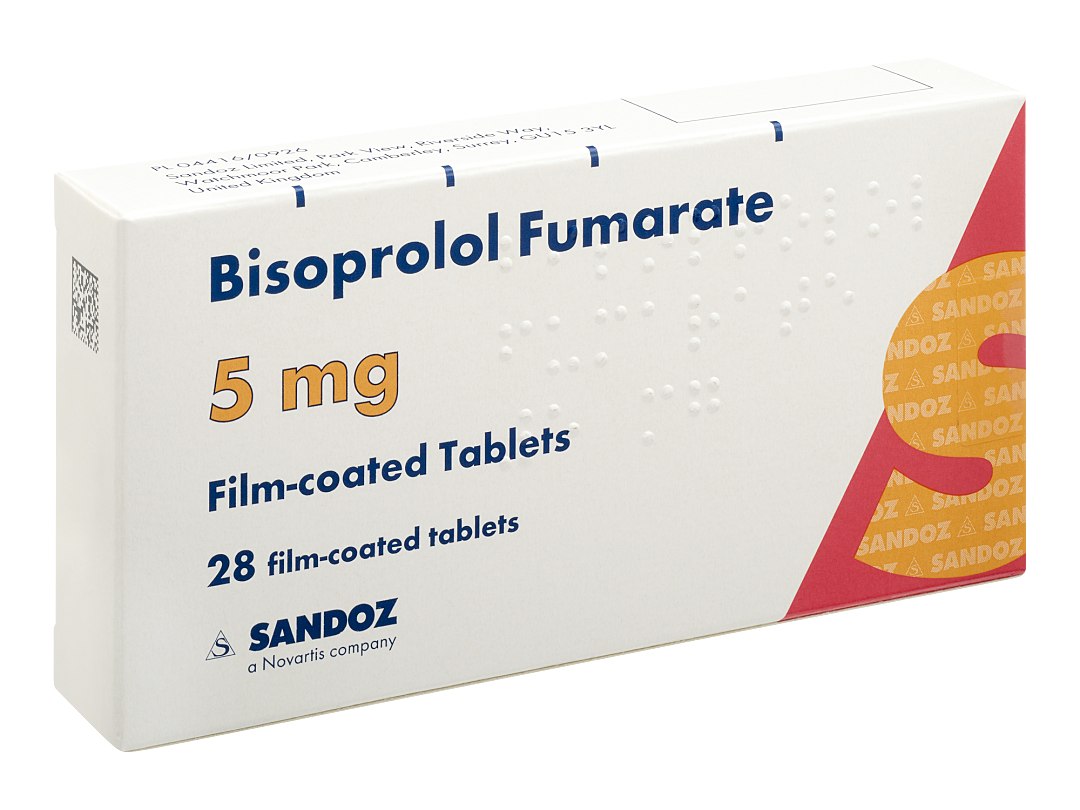
The global market for beta-blockers is characterized by steady, incremental growth. Driven by an aging global population and the rising prevalence of sedentary lifestyles, the demand for hypertension management is inelastic. Unlike luxury goods or discretionary tech, the “consumer” of Bisoprolol cannot opt out of the purchase based on economic downturns. This makes the production and distribution of Bisoprolol a critical revenue stream for generic pharmaceutical giants such as Teva, Viatris (formerly Mylan), and Sandoz.
From an investment standpoint, the valuation of companies producing Bisoprolol is often tied to their supply chain efficiency. Because the drug is off-patent, profit margins are slim, meaning profitability is a game of scale and distribution logistics. Analysts monitor the “volume-over-margin” strategy that defines this sector, noting that even small shifts in manufacturing costs can have significant impacts on a firm’s quarterly earnings.
The Role of Generic Manufacturers in Price Stability
The transition of Bisoprolol from a branded blockbuster (originally marketed as Zebeta) to a generic staple is a classic example of the “patent cliff” in business finance. When a patent expires, the entry of generic versions typically reduces the price of the medication by 80% to 90%.
This price erosion is beneficial for the consumer but creates a hyper-competitive environment for manufacturers. To maintain financial viability, companies must innovate in their manufacturing processes. The economic impact of generic Bisoprolol is profound: it allows healthcare providers to reallocate billions of dollars toward more expensive, cutting-edge therapies while maintaining the foundational health of the population.
Investment Strategies in Biotech and Chronic Disease Management
For those looking to build a portfolio centered on healthcare, understanding the lifecycle of drugs like Bisoprolol is essential. It represents the “utility” sector of the medical world—reliable, necessary, and less prone to the boom-and-bust cycles of early-stage drug discovery.
Why Investors Target Essential Medicines
Institutional investors often look at essential medicines as a hedge against inflation and recession. Bisoprolol is included on the World Health Organization’s List of Essential Medicines, meaning it is considered a priority for the basic health needs of a population.
Financially, this status ensures a level of “guaranteed” demand. Government contracts and bulk purchasing agreements with national health services (like the NHS in the UK or various ministries of health in emerging markets) provide stable, long-term revenue contracts for manufacturers. For a “Money” focused reader, these contracts are the pharmaceutical equivalent of government bonds—offering lower returns than a speculative tech IPO, but with significantly higher security.
Risk vs. Reward in Generic Drug Production
The primary financial risk in the Bisoprolol market is not a lack of demand, but rather regulatory shifts and supply chain disruptions. In recent years, the industry has seen a move toward “re-shoring” drug production to mitigate geopolitical risks.
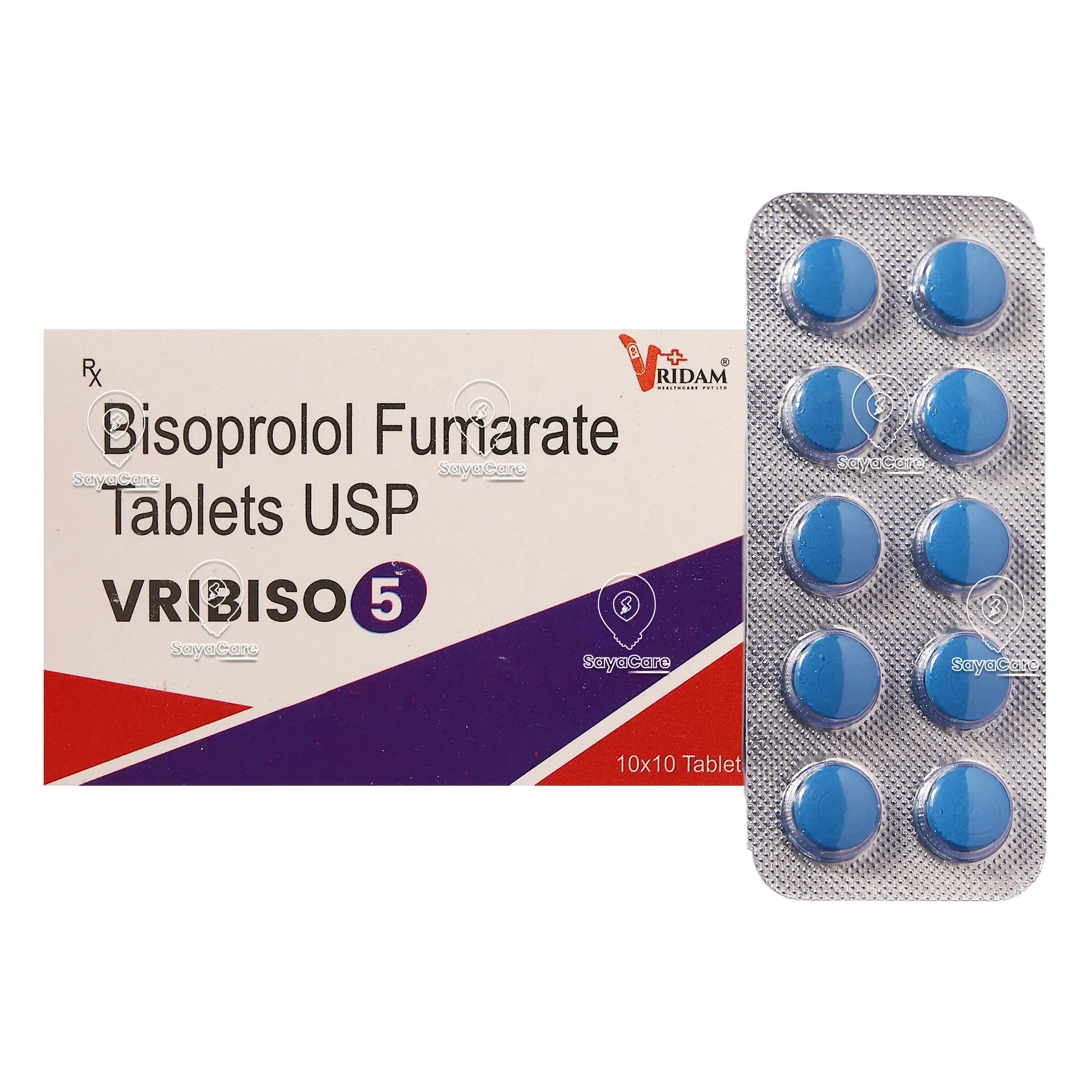
Investors must weigh the costs of stringent FDA or EMA compliance against the lower overhead of manufacturing in emerging economies. A company that masters the balance of low-cost production and high-standard compliance gains a competitive “moat.” Furthermore, the rise of Environmental, Social, and Governance (ESG) investing has brought scrutiny to how these companies manage waste and labor, adding a new layer of financial analysis to the production of basic medications.
The Cost-Effectiveness of Bisoprolol in Healthcare Systems
In the realm of public finance and insurance, Bisoprolol is a tool for cost containment. The financial burden of untreated cardiovascular disease is astronomical, involving expensive emergency room visits, complex surgeries, and long-term disability payments.
Reducing Long-term Public Health Expenditures
From a macroeconomic perspective, the widespread availability of low-cost Bisoprolol acts as a form of “preventative infrastructure.” By spending cents per day on a beta-blocker, a healthcare system can avoid the five-figure costs associated with a myocardial infarction or a stroke.
Health economists use a metric called the Quality-Adjusted Life Year (QALY) to determine the value of medical interventions. Bisoprolol consistently ranks as one of the most cost-effective interventions in modern medicine. For government budget office analysts, ensuring high adherence to Bisoprolol regimens is a primary strategy for keeping national healthcare spending sustainable as the “Silver Tsunami” (the aging of the baby boomer generation) hits.
Insurance Reimbursement and Out-of-Pocket Costs
For the individual, the “money” aspect of Bisoprolol is found in its affordability. As a Tier 1 generic on most insurance formularies, it often carries a negligible co-pay. However, the rise of “High Deductible Health Plans” (HDHPs) has changed the landscape.
Patients are becoming more price-conscious, leading to the success of discount platforms like GoodRx or Mark Cuban’s Cost Plus Drug Company. These business models bypass traditional “middlemen” like Pharmacy Benefit Managers (PBMs). The disruption of the PBM model is a major financial trend, and drugs like Bisoprolol are at the center of this shift because their low manufacturing cost makes the markup by intermediaries highly visible and vulnerable to disruption.
Future Trends: Personalized Medicine and Financial Disruption
The future of the Bisoprolol market is not just in the pill itself, but in the technology and financial models surrounding its delivery. As we move toward a “value-based care” model, the way we value these medications is changing.
The Shift Toward Value-Based Care
In a value-based care model, providers are paid based on patient outcomes rather than the number of procedures performed. This shifts the financial incentive toward ensuring patients actually take their Bisoprolol. This has given rise to the “Adherence Tech” sector—startups focused on smart pill bottles and digital tracking tools.
Investors are pouring money into these companies because they represent a way to capture value from a generic drug. If a digital health company can prove that their platform increases Bisoprolol adherence by 20%, they can sell that “value” to insurance companies, creating a new revenue stream from a drug that has been on the market for decades.
Consolidations and the “Penny-Profit” Margin
We are likely to see further consolidation in the generic pharmaceutical space. As margins on Bisoprolol continue to tighten, only the most vertically integrated companies—those that control everything from raw chemical sourcing to final distribution—will thrive.
For the astute observer of business finance, this mirrors the consolidation seen in other commodity industries like steel or oil. The “What is Bisoprolol” question eventually leads to a broader realization: it is a vital component of a global health economy that is increasingly focused on efficiency, cost-mitigation, and the massive scale required to manage the world’s most common chronic conditions.
In conclusion, while Bisoprolol is a medical treatment, its existence is governed by the laws of economics. From the macro-level budgets of national governments to the micro-level portfolio choices of individual investors, the “value” of this beta-blocker extends far beyond the pharmacy counter. It is a testament to how a single molecule can anchor a global market, stabilize public health budgets, and serve as a bellwether for the financial health of the pharmaceutical industry at large.
aViewFromTheCave is a participant in the Amazon Services LLC Associates Program, an affiliate advertising program designed to provide a means for sites to earn advertising fees by advertising and linking to Amazon.com. Amazon, the Amazon logo, AmazonSupply, and the AmazonSupply logo are trademarks of Amazon.com, Inc. or its affiliates. As an Amazon Associate we earn affiliate commissions from qualifying purchases.