
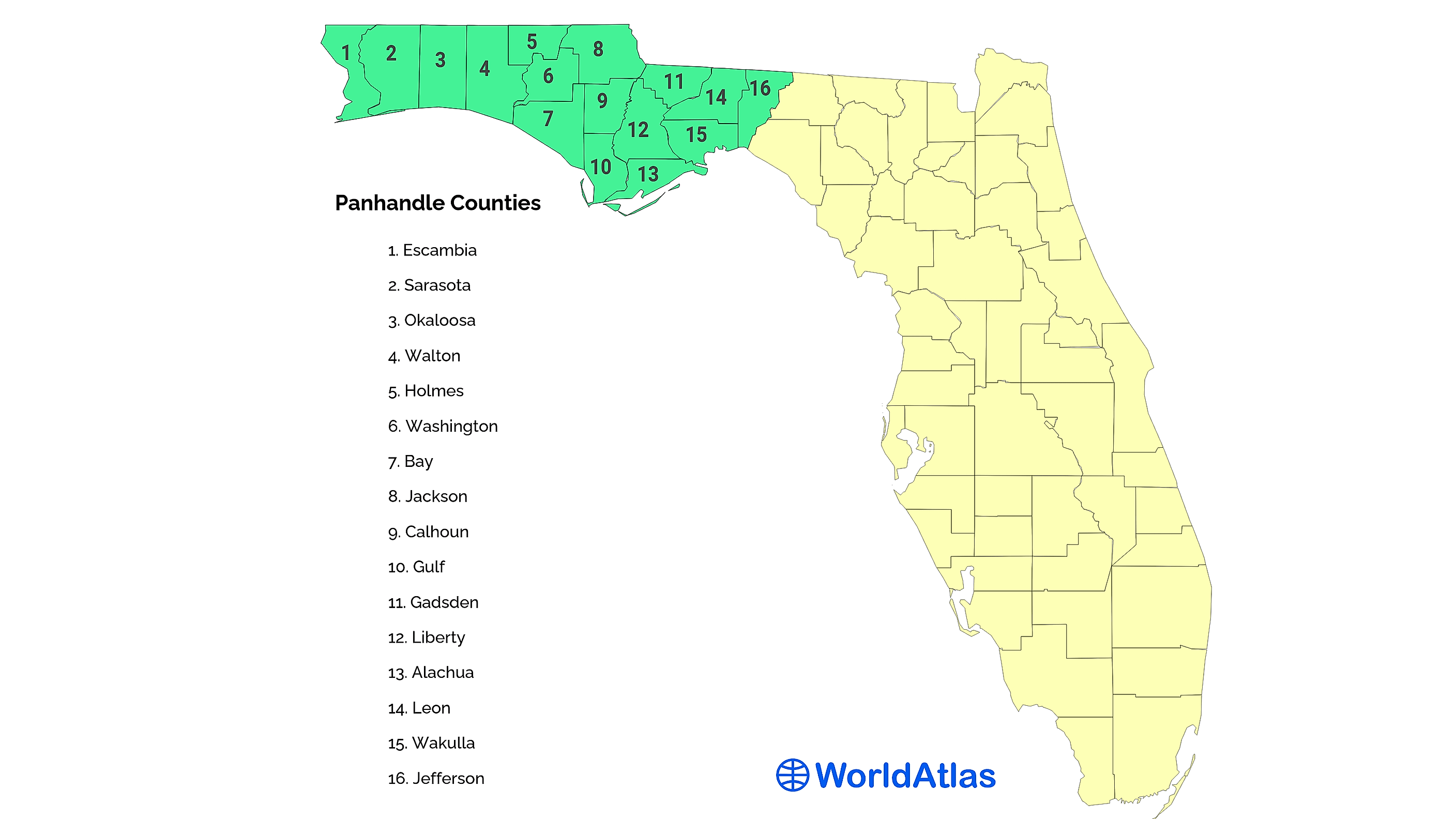
Defining what is considered the “Florida Panhandle” is more than a geographic exercise; for the savvy investor, business owner, or financial planner, it is a strategic identification of one of the most diverse economic corridors in the Southeastern United States. Traditionally defined as the northwestern part of the state, stretching from the Alabama border in the west to the Aucilla River in the east, the Panhandle encompasses roughly 18 counties.
From a financial perspective, the Panhandle is not a monolith. It is a tapestry of high-yield luxury real estate, massive federal defense spending, and emerging industrial hubs. Understanding the boundaries and the fiscal nuances of this region is essential for anyone looking to deploy capital in the Sunshine State.

Defining the Economic Boundaries of the Panhandle
To understand the money moving through the Panhandle, one must first categorize the region into its distinct financial sub-markets. While mapmakers might use simple longitudinal lines, economists and real estate developers view the Panhandle through the lens of three specific zones.
The Emerald Coast: High-Net-Worth Tourism and Luxury Real Estate
The western and central coastal strips, including Escambia, Santa Rosa, Okaloosa, and Walton counties, are colloquially known as the Emerald Coast. This area is the primary engine for high-end real estate investment. South Walton’s “30A” corridor, for instance, represents some of the highest property valuations in the country, often rivaling South Florida and the Hamptons. For the investor, this region is considered the Panhandle’s “Blue Chip” asset, characterized by high barrier-to-entry costs but significant short-term rental yields.
The Capital Circle: Institutional and Government Finance
Anchored by Tallahassee in Leon County, the eastern portion of the Panhandle functions on an entirely different financial rhythm. Here, the “Panhandle” is defined by the stability of state government, two major universities (FSU and FAMU), and the legal and lobbying industries. This area provides a “recession-proof” hedge for regional portfolios, offering steady demand for multi-family housing and professional services that contrast with the more volatile, seasonal nature of the coastal markets.
The Forgotten Coast: The Last Frontier for Emerging Capital
Stretching from Gulf County through Franklin and into Wakulla, the “Forgotten Coast” is what many consider the “Old Florida” portion of the Panhandle. For many years, this area was overlooked by institutional capital. However, in the current economic climate, it represents the highest potential for appreciation. Investors are increasingly looking at these under-developed coastal stretches for long-term land banking and eco-tourism development, as the Emerald Coast nears its saturation point.
Key Industry Drivers Powering North Florida’s GDP
What makes the Panhandle a unique financial ecosystem is its reliance on a “three-legged stool” of economic drivers: military spending, tourism, and agriculture. Each of these sectors provides a different type of cash flow and risk profile for the regional economy.
Military and Defense Contracting: The Financial Bedrock
The Panhandle is home to a massive concentration of military installations, including Eglin Air Force Base, Hurlburt Field, Naval Air Station Pensacola, and Tyndall Air Force Base. Collectively, these bases inject billions of dollars into the local economy annually. From a business finance perspective, this creates a secondary market of defense contractors (such as Lockheed Martin, Boeing, and Raytheon) and tech firms that provide stable, high-paying jobs. This “federalized” economy makes the Panhandle uniquely resilient during national economic downturns.
The Tourism Economy and Sales Tax Revenue
The Panhandle attracts millions of visitors annually, particularly from the “drive-to” markets of the Southeast and Midwest. This influx of visitors drives massive sales tax revenue, which is critical for local municipal bonds and infrastructure funding. In counties like Bay and Walton, tourism is the dominant contributor to the gross regional product. For business owners, this creates a high-velocity environment for retail, hospitality, and service-based franchises.
Agriculture and Timber: Legacy Assets and Wealth Preservation
Moving inland from the coast, the economic character shifts toward the “Pine Belt.” This northern tier of the Panhandle is one of the nation’s leading producers of timber and agricultural products. For the institutional investor, these large tracts of land represent a “safe haven” asset class. Timberland investment provides a low-correlation hedge against stock market volatility, offering biological growth that continues regardless of interest rate hikes or inflationary pressures.
Tax Advantages and the Business Climate in the Panhandle
The Florida Panhandle benefits from the state’s broader reputation as a tax haven, but it offers local advantages that are often more competitive than those found in the saturated markets of Miami or Orlando.
Florida’s Zero Income Tax: A Magnet for Capital and Talent
The absence of a state personal income tax is a significant driver of the Panhandle’s population growth. High-earning professionals from the Northeast and West Coast are increasingly relocating to the Panhandle to take advantage of this fiscal benefit. For remote-work entrepreneurs and business owners, the Panhandle offers a lower cost of living compared to South Florida while maintaining the same tax-advantaged status, effectively increasing their net disposable income.
Regional Incentives and Enterprise Zones
Many counties within the Panhandle, particularly those recovering from past hurricanes or those in more rural stretches, offer aggressive economic development incentives. These can range from property tax abatements for manufacturing facilities to grants for job creation. Organizations like “Florida’s Great Northwest” work to bridge the gap between private capital and local government, helping businesses navigate the regulatory environment to maximize their ROI.
Strategic Real Estate Investing: From Pensacola to St. Marks
Real estate is the most common vehicle for wealth creation in the Florida Panhandle. However, the strategy must differ depending on which part of the Panhandle one is targeting.
Short-Term Rental Yields in Coastal Counties
The vacation rental market in the Panhandle is a high-yield opportunity. Unlike many other parts of the country where short-term rentals are facing heavy regulation, much of the Panhandle’s coastal economy is built to support this model. Investors often look at the “cash-on-cash” return of beachfront condos or luxury homes. The key to success here lies in understanding the seasonality of the “Snowbird” market versus the “Spring Break” and “Summer Family” peaks.
Long-Term Growth in the I-10 Corridor
While the coast gets the headlines, the I-10 corridor—running through cities like Milton, Crestview, and Marianna—is seeing significant industrial and residential growth. As the coastal regions become more expensive, the workforce is moving inland. This has created a surge in demand for affordable single-family housing and “last-mile” logistics centers. For investors with a 10-to-20-year horizon, the inland Panhandle offers a lower entry point with significant upside as infrastructure continues to expand.
Managing Risk and Financial Resilience in a Coastal Zone
No discussion of the Panhandle’s economy is complete without addressing the specific financial risks inherent to the region. To protect capital, one must look beyond the potential for profit and focus on the cost of protection and resilience.
Insurance Markets and Climate-Related Capital Expenditure
The Panhandle is historically prone to tropical weather events. From a money management perspective, this means that insurance premiums and the cost of “hardening” assets (e.g., impact-resistant construction) are significant line items in any budget. The Florida insurance market is currently in a state of flux, and savvy investors must factor in rising premiums and the potential for high deductibles into their capitalization (Cap) rate calculations.

Diversification Strategies for Regional Portfolios
Because the Panhandle’s economy is so heavily weighted toward tourism and the military, regional investors often seek to diversify their holdings across the different “zones” mentioned earlier. A balanced Panhandle portfolio might include a luxury rental property on 30A for high cash flow, a commercial warehouse near the Port of Panama City for industrial exposure, and timberland in Jackson County for long-term wealth preservation.
By understanding what is considered the Panhandle through these economic and financial lenses, individuals and institutions can better navigate the unique opportunities of North Florida. The region remains one of the last areas in the state where significant value can still be found, provided one understands the intricate relationship between geography and capital.
aViewFromTheCave is a participant in the Amazon Services LLC Associates Program, an affiliate advertising program designed to provide a means for sites to earn advertising fees by advertising and linking to Amazon.com. Amazon, the Amazon logo, AmazonSupply, and the AmazonSupply logo are trademarks of Amazon.com, Inc. or its affiliates. As an Amazon Associate we earn affiliate commissions from qualifying purchases.