
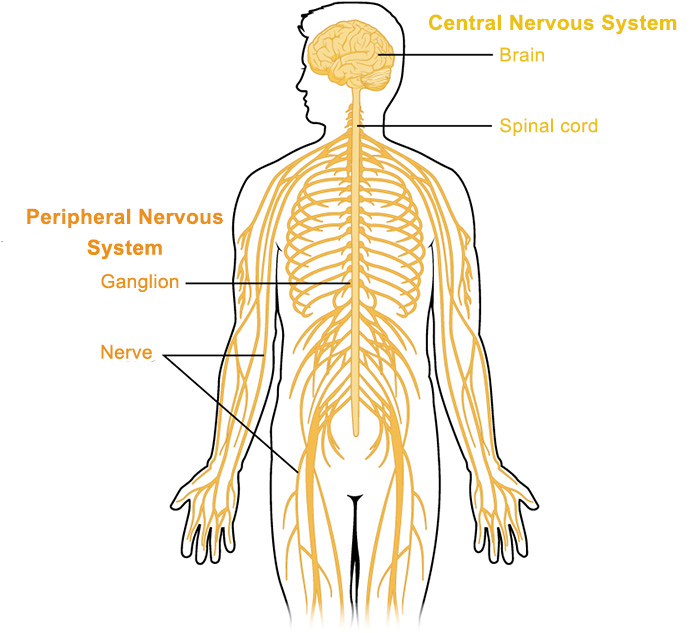
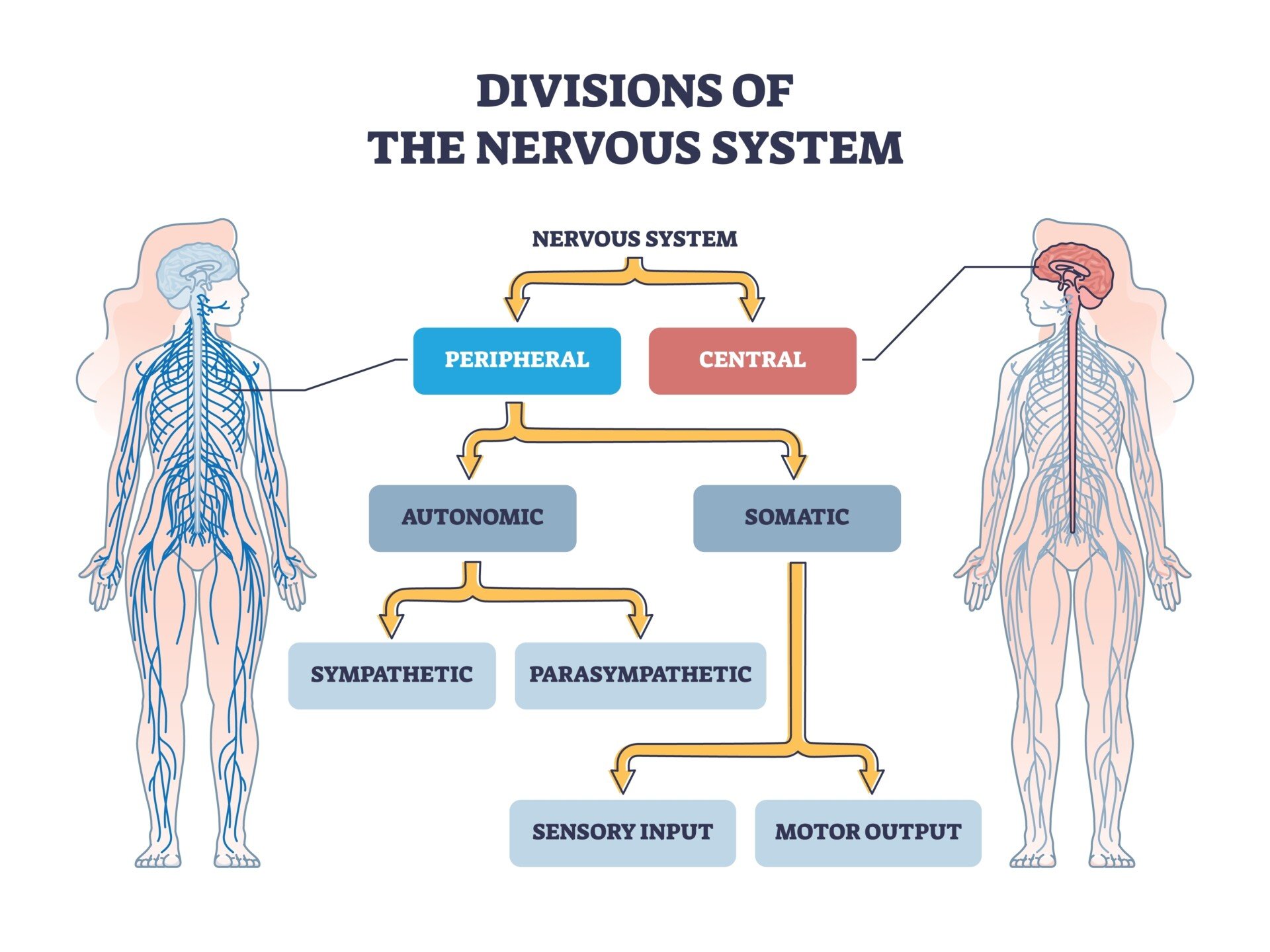
In the traditional biological sense, the peripheral nervous system (PNS) serves as the communication relay between the brain and the rest of the body. In the realm of technology, we are witnessing a profound architectural shift that mirrors this biological blueprint. As we move away from purely centralized cloud computing toward a more distributed, responsive, and intelligent digital environment, the concept of a “Digital Peripheral Nervous System” has emerged.
This technological PNS consists of the vast network of sensors, edge devices, IoT (Internet of Things) nodes, and localized processing units that interact directly with the physical world. Just as your biological nerves send signals to your brain to trigger a reflex, our digital peripheral systems collect, process, and act upon data at the “edge” of the network, ensuring that our smart cities, autonomous vehicles, and industrial machines function with millisecond precision.
The Digital Biological Analog: Defining the Tech PNS
To understand the modern technological landscape, one must view the “Central Nervous System” as the massive data centers and cloud infrastructures (like AWS or Google Cloud) and the “Peripheral Nervous System” as everything else that connects to them. This peripheral layer is no longer just a passive collection of cables; it is an intelligent, reactive ecosystem.
From Central Processing to Peripheral Execution
For the past decade, the tech industry focused heavily on centralization. Data was gathered at the source and sent to a distant server to be processed, analyzed, and stored. However, as the volume of data exploded, this model hit a bottleneck known as latency. In high-stakes environments—such as a self-driving car identifying a pedestrian—the time it takes for data to travel to the cloud and back is too long.
The Tech PNS solves this by shifting execution to the periphery. By placing computing power closer to the data source, we enable “reflexive” actions. This peripheral execution allows devices to make split-second decisions without waiting for instructions from the “central brain,” mimicking the way human peripheral nerves can trigger a withdrawal reflex before the brain even perceives pain.
The Role of Edge Computing in Data Autonomy
Edge computing is the backbone of the digital peripheral nervous system. It represents a paradigm where data is processed by the device itself or a local gateway. This autonomy is critical for bandwidth conservation. In an era where a single industrial factory can generate petabytes of data daily, uploading everything to the cloud is neither cost-effective nor efficient. The peripheral system filters this data, sending only the most relevant insights to the central cloud while handling routine operations locally.
The Anatomy of a Tech Peripheral Nervous System
A functional digital PNS requires a sophisticated combination of hardware and software protocols to ensure seamless communication and action. This anatomy is composed of the “sensors” that perceive the world and the “synapses” that carry the information.
Sensors and Actuators: The Nerves of the IoT
In a technological PNS, sensors act as the sensory neurons. These include cameras, LIDAR, thermal sensors, accelerometers, and acoustic sensors. They are the eyes and ears of the digital world. For instance, in a “Smart City” context, acoustic sensors can detect the sound of a gunshot and instantly alert emergency services, functioning exactly like a peripheral nerve sending an emergency signal to the spinal cord.
Actuators, on the other hand, represent the motor neurons. Once the system processes a signal, the actuator performs the physical action—locking a door, slowing down a turbine, or adjusting a thermostat. The synergy between sensors and actuators within the peripheral network creates a closed-loop system that operates with minimal central intervention.
Connectivity Protocols: The Synapses of the Digital Grid
Information within a peripheral system must travel fast and reliably. This is where connectivity protocols come into play. Technologies such as 5G, Wi-Fi 6, Zigbee, and LoRaWAN act as the synapses, the junctions where information is passed from one “neuron” to another.
5G, in particular, has been a game-changer for the Tech PNS. With its ultra-low latency and high bandwidth, it allows for a density of peripheral devices that was previously impossible. This connectivity ensures that the peripheral nervous system remains “low-latency,” meaning the gap between sensing an event and responding to it is virtually non-existent.

Artificial Intelligence and the Evolution of Autonomous Peripheral Systems
The most significant advancement in the digital PNS is the integration of Artificial Intelligence (AI) directly into peripheral hardware. We are moving from “connected devices” to “intelligent nodes.”
On-Device AI: Intelligence at the Fingertips
Historically, AI models were too large to run on small peripheral devices. They required the massive GPU clusters found in data centers. However, the rise of “Edge AI” and specialized AI chips (like Apple’s Neural Engine or NVIDIA’s Jetson modules) has allowed complex machine learning models to live on the periphery.
This means a security camera can now perform facial recognition or anomaly detection locally. It doesn’t just “see” video; it “understands” what it is seeing. By embedding intelligence at the “fingertips” of the network, we reduce the reliance on a central authority and increase the privacy of the system, as sensitive data never needs to leave the device.
Real-Time Latency Reduction and Critical Response
In industries like healthcare or aerospace, latency isn’t just a technical metric; it’s a matter of safety. A peripheral nervous system equipped with AI can manage “critical response” scenarios. For example, in a remote robotic surgery setup, the peripheral system can compensate for jitter or provide haptic feedback to the surgeon in real-time. If the connection to the central cloud is severed, the peripheral intelligence ensures the system enters a “fail-safe” mode, maintaining the stability of the operation.
Cybersecurity Challenges in Decentralized Peripheral Networks
As the peripheral nervous system expands, so does the “attack surface.” In a centralized model, you only have to secure the core. In a peripheral model, every single sensor and node is a potential entry point for a cyberattack.
Protecting the Edge: Vulnerabilities in Distributed Hardware
Peripheral devices are often deployed in the field, making them susceptible to physical tampering and sophisticated hacking. Unlike a secured data center, an IoT sensor on a utility pole is vulnerable. If a hacker gains access to a single peripheral node, they could potentially inject malicious data into the entire system, leading to what is known as “data poisoning.” Ensuring the integrity of the peripheral nervous system requires robust hardware-level encryption and secure boot sequences to ensure that each “nerve” is running authorized software.
Zero-Trust Architecture for Peripheral Integrity
To combat these risks, tech leaders are implementing “Zero-Trust” architectures within the PNS. In a Zero-Trust model, no device is trusted by default, even if it is part of the internal network. Every peripheral node must continuously verify its identity before it is allowed to communicate with the rest of the system. This creates a “segmented” nervous system where, if one part is compromised, the “infection” can be localized and neutralized before it reaches the central brain or other critical peripheral branches.
Future Horizons: Neural Interfaces and the Convergence of Human-Digital Systems
The ultimate evolution of the peripheral nervous system in technology is the literal merging of biological nerves with digital interfaces. We are entering an era where the distinction between “tech” and “body” is blurring.
Brain-Computer Interfaces (BCI) as the Ultimate Peripheral
Companies like Neuralink and Synchron are developing technologies that allow the human brain to communicate directly with external digital peripherals. In this scenario, the digital PNS becomes an extension of our own biological PNS. A person with a prosthetic limb could control it with the same fluidity as a natural limb, as the digital sensors and actuators integrate directly with their neural pathways. This represents the pinnacle of peripheral tech—where the “peripheral” is no longer an external gadget, but a seamless part of the human experience.
The Ethical Implications of Deep Tech Integration
As our digital peripheral nervous systems become more pervasive, we must grapple with the ethical implications. If our environments are constantly sensing, reacting, and predicting our needs through a vast web of peripheral sensors, where does privacy begin? The challenge for the next generation of tech developers is not just to build a more responsive peripheral system, but to ensure that this “digital skin” we are wrapping around the world remains transparent, secure, and subservient to human intent.
The transition from a centralized digital world to one defined by a robust, intelligent peripheral nervous system is the defining tech trend of our decade. By distributing intelligence to the edges, we are creating a world that is faster, smarter, and more integrated than ever before. Whether it is through the lenses of an AR headset or the sensors of an autonomous grid, the Tech PNS is the infrastructure that will define the future of human-machine interaction.
aViewFromTheCave is a participant in the Amazon Services LLC Associates Program, an affiliate advertising program designed to provide a means for sites to earn advertising fees by advertising and linking to Amazon.com. Amazon, the Amazon logo, AmazonSupply, and the AmazonSupply logo are trademarks of Amazon.com, Inc. or its affiliates. As an Amazon Associate we earn affiliate commissions from qualifying purchases.