
When most people hear the term “nasal spray,” they envision a simple plastic squeeze bottle found in the pharmacy aisle, used primarily to combat seasonal allergies or a stubborn cold. However, in the realm of modern technology and biotechnology, nasal sprays have transitioned from rudimentary delivery tools into highly sophisticated medical devices. Today, the nasal spray represents a frontier of engineering, digital integration, and molecular science.
What are nasal sprays in the context of the 21st century? They are no longer just salt-water mists; they are precision-engineered delivery systems designed to bypass biological barriers, integrate with software-driven health platforms, and revolutionize how we treat everything from chronic pain to neurological disorders.
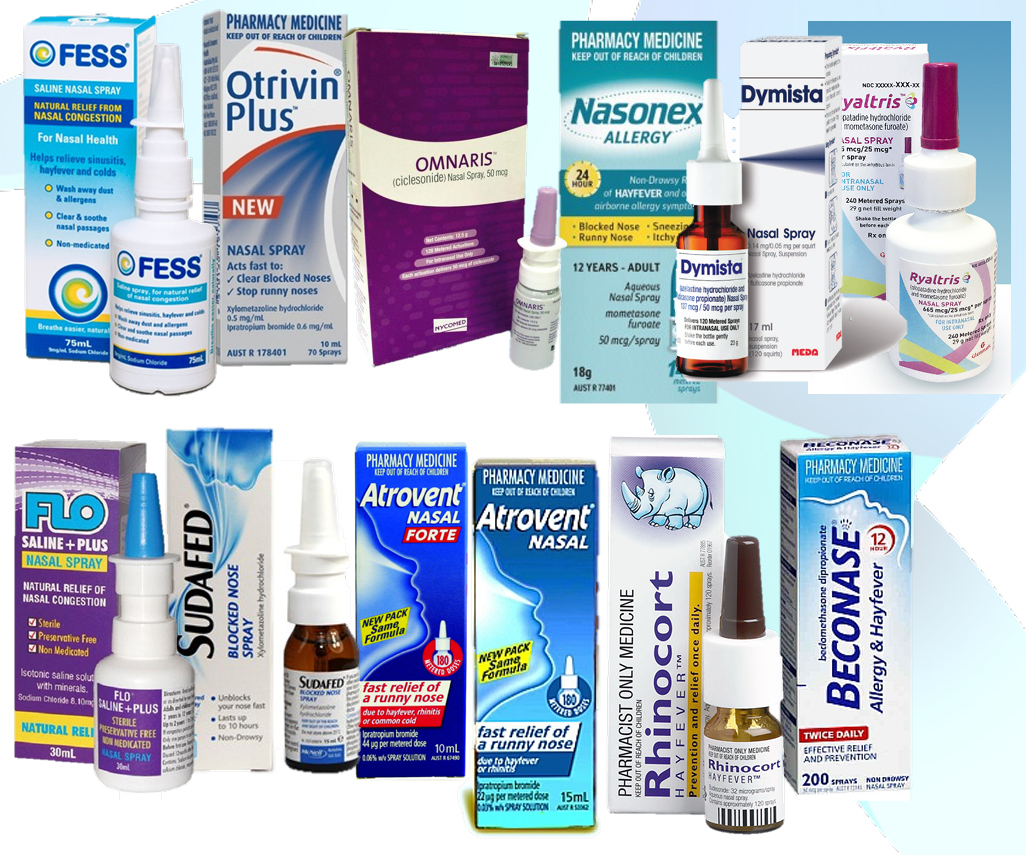
The Engineering of Delivery: From Mechanical Pumps to Precision Micro-Dosing
The technological evolution of nasal sprays begins with the mechanical hardware of the device itself. Early iterations relied on manual compression, which often resulted in inconsistent dosing and poor “plume” quality. Modern tech has solved this through high-precision engineering.
The Anatomy of a Modern Spray Device
At the heart of a contemporary nasal spray is a sophisticated pump mechanism designed for Metered-Dose Inhaler (MDI) technology. These devices are engineered to deliver a precise volume of liquid—often measured in microliters—with every actuation. The nozzle architecture is a feat of fluid dynamics, designed to atomize the liquid into a specific particle size distribution. If the droplets are too large, they drip out; if they are too small, they enter the lungs. The “sweet spot” of 10 to 50 microns is achieved through laser-drilled apertures and internal vortex chambers that ensure the drug deposits exactly where it needs to: the nasal mucosa.
The Role of Aerosol Science and Particle Engineering
Beyond the pump, the “tech” resides in the formulation’s physical properties. Engineers use advanced rheology to modify the viscosity of the fluid. This ensures that the spray remains liquid while being expelled but turns into a bio-adhesive gel upon contact with the nasal lining. This technological “stay-put” feature increases the residence time of the drug, allowing for better absorption and reducing the frequency of doses required.
Materials Science and Contamination Control
Technological advancement is also visible in the materials used. Modern sprays utilize “Preservative-Free” (PF) multi-dose systems. These devices employ silver-ion technology or complex spring-loaded valve systems that prevent air (and thus bacteria) from re-entering the bottle after a spray is deployed. This engineering marvel allows pharmaceutical companies to eliminate harsh preservatives, making the tech safer for long-term use.
Smart Sprays: Integrating IoT and AI into Respiratory Tech
As we move deeper into the era of Digital Health, the nasal spray has entered the “Internet of Medical Things” (IoMT). The integration of sensors and connectivity is transforming a passive plastic tool into an active data-gathering device.
Connected Devices and Patient Compliance Tracking
One of the greatest challenges in healthcare is patient adherence. Tech firms are now developing “Smart Sprays” equipped with Bluetooth-enabled caps or integrated sensors. These devices sync with smartphone applications to track when a dose was administered. For chronic conditions like migraine or hormone replacement therapy, this data is invaluable. It allows clinicians to monitor patient compliance in real-time, providing a digital trail that ensures the “tech” is being used effectively.
AI-Driven Dosage Optimization
Artificial Intelligence is beginning to play a role in how nasal sprays are utilized. By analyzing data from connected devices alongside environmental factors (such as local pollen counts or air quality indices gathered via API), AI algorithms can suggest the optimal timing for a dose. This proactive approach turns the nasal spray into a responsive tool rather than a reactive one, utilizing predictive analytics to prevent symptoms before they manifest.
Haptic Feedback and User Interface
The user interface (UI) of a medical device isn’t just about a screen; it’s about the physical interaction. New nasal spray prototypes include haptic feedback—a subtle vibration or click—that signals to the user that a full dose has been successfully delivered. This eliminates the “did I get it?” uncertainty, using tactile technology to improve the user experience and medical outcomes.

The Biotech Revolution: Nasal Sprays as a Gateway to the Brain
Perhaps the most exciting technological aspect of nasal sprays is their role in “Nose-to-Brain” drug delivery. This is a specialized field of biotechnology that seeks to bypass the Blood-Brain Barrier (BBB), one of the most difficult hurdles in modern medicine.
Overcoming the Blood-Brain Barrier (BBB)
The BBB is a highly selective semipermeable border that prevents solutes in the circulating blood from non-selectively crossing into the central nervous system. However, the olfactory and trigeminal nerve pathways in the nasal cavity provide a direct technological “backdoor” to the brain. Researchers are developing nasal sprays that use this route to deliver complex molecules—such as insulin for Alzheimer’s or oxytocin for psychiatric disorders—directly to the brain tissues, bypassing systemic circulation and reducing side effects.
DNA/RNA Delivery and Vaccine Technology
The COVID-19 pandemic accelerated the technology of mucosal vaccines. Nasal spray vaccines are a different breed of tech compared to traditional injectables. They are designed to trigger “mucosal immunity” at the point of entry for most viruses. This involves engineering lipid nanoparticles (LNPs) that can carry mRNA or viral vectors through the nasal mucus and into the immune cells. This “needle-free” technology is not just about comfort; it is a superior technological approach to stopping transmission at the source.
Encapsulation and Nano-Carriers
To survive the journey through the nasal passage, drugs are often housed in high-tech “nano-carriers.” These include liposomes, polymeric nanoparticles, and dendrimers. These microscopic transport pods protect the active ingredients from enzymatic degradation. The engineering of these carriers allows for a “controlled release” mechanism, where the tech slowly unfolds over hours, providing a steady stream of medication from a single spray.
Manufacturing and Future Trends: 3D Printing and Nano-Tech
Looking toward the future, the manufacturing and personalization of nasal sprays are being disrupted by emerging industrial technologies.
Personalized Medicine through 3D Printed Nozzles
No two nasal cavities are identical. The future of nasal spray tech lies in personalization. High-resolution medical imaging (like CT scans) can now be used to create 3D-printed spray nozzles customized to a specific patient’s internal anatomy. This ensures that the spray plume is directed toward the specific region—such as the olfactory cleft—required for the most effective treatment. This marriage of diagnostic imaging and additive manufacturing represents the pinnacle of personalized medical tech.
Nanotechnology and Stimuli-Responsive Polymers
The next generation of nasal sprays will likely feature “smart” polymers. These are materials designed to react to specific stimuli, such as the pH of the nasal environment or the temperature of the mucosa. Once sprayed, the liquid could undergo a phase transition, turning into a structured matrix that releases the drug only when certain biological triggers are met. This level of molecular engineering turns the nasal spray into a programmed “soft robot” capable of executing complex delivery tasks.
Sustainability in Med-Tech
Technology is also being forced to address the environmental impact of disposable medical devices. The industry is pivoting toward “Green Tech” in nasal spray design, focusing on biodegradable polymers and refillable, high-tech actuators. By separating the expensive electronic components (the “smart” sensor) from the medication canister, manufacturers are creating a sustainable ecosystem for long-term respiratory care.

Conclusion: The Spray as a High-Tech Interface
What are nasal sprays? To the casual observer, they are simple remedies. To the technologist, they are a sophisticated interface between human biology and advanced engineering. We have moved far beyond the simple saline mist of the past.
Today’s nasal spray technology sits at the intersection of fluid dynamics, digital connectivity, and molecular biotechnology. As we continue to refine the “Nose-to-Brain” pathways and integrate AI into our daily health routines, the nasal spray will become an increasingly vital tool in the tech-heavy landscape of modern medicine. Whether it is through 3D-printed personalized delivery or smart sensors that talk to our phones, the humble nasal spray has officially entered the high-tech era, proving that sometimes the most powerful technological breakthroughs come in the smallest, most unassuming packages.
aViewFromTheCave is a participant in the Amazon Services LLC Associates Program, an affiliate advertising program designed to provide a means for sites to earn advertising fees by advertising and linking to Amazon.com. Amazon, the Amazon logo, AmazonSupply, and the AmazonSupply logo are trademarks of Amazon.com, Inc. or its affiliates. As an Amazon Associate we earn affiliate commissions from qualifying purchases.