
In the world of high-stakes marketing and corporate identity, few case studies are as compelling as the trajectory of a personal brand that transforms from a niche commodity into a global gold standard. When we ask the question, “What was Leonardo DiCaprio’s first film?”, the answer—Critters 3 (1991)—serves as more than just a piece of trivia. For brand strategists and marketing professionals, it represents the “Minimum Viable Product” (MVP) phase of one of the most successful personal branding journeys in modern history.

DiCaprio’s career is not merely a series of acting jobs; it is a meticulously curated brand portfolio. By analyzing the distance between his debut in a low-budget horror sequel and his current status as a premium global brand, we can extract vital lessons in brand positioning, scarcity tactics, and strategic alignment.
1. The Market Entry Phase: From Debut to Brand Discovery
Every major brand begins with an entry-level product. For Leonardo DiCaprio, the market entry point was Critters 3. While the film itself was a direct-to-video production with little critical acclaim, it served a vital function in the brand-building process: market testing.
The “Minimum Viable Product” (MVP) Model
In the tech and business world, an MVP is the simplest version of a product that allows a team to collect the maximum amount of validated learning about customers with the least effort. Critters 3 was DiCaprio’s MVP. It provided him with the “proof of concept” required to enter the competitive Hollywood marketplace. Even in a low-budget environment, the “brand attributes”—his screen presence and naturalistic style—began to emerge. For entrepreneurs, this highlights a key lesson: your first iteration doesn’t have to be a masterpiece; it just has to get you into the market.
Establishing Initial Brand Values
Following his debut, DiCaprio’s brand handlers (including himself) made a pivotal decision. Rather than pursuing high-volume, low-value roles in sitcoms or generic teen comedies, the brand shifted toward “prestige-lite” projects like What’s Eating Gilbert Grape. This signaled a change in brand identity from “Commercial Child Actor” to “Serious Artist.” By the time he hit his mid-teens, the DiCaprio brand was already signaling high quality and emotional depth, differentiating itself from competitors who were chasing short-term fame.
2. Navigating the Brand Pivot: Managing Hyper-Growth
If Critters 3 was the launch, Titanic (1997) was the IPO. It was a moment of hyper-growth that threatened to swallow the brand’s core identity. When a brand experiences a sudden, massive influx of “market share” (in this case, global fame), it risks becoming a commodity.
The Trap of Brand Dilution
After Titanic, DiCaprio became “Leo-Mania.” In brand terms, he was at risk of becoming a “fad product.” When a brand is everywhere—on lunchboxes, posters, and tabloid covers—it loses its “premium” status. The market becomes saturated, and the brand’s value can plummet as quickly as it rose. Many actors in his position would have cashed in on this by starring in romantic comedy franchises or high-paying, low-effort sequels.
The Strategic Pivot to Scarcity and Prestige
Instead of diluting the brand, DiCaprio and his team executed a masterful pivot. He retreated from the public eye and became incredibly selective. This is the “Hermès Strategy” of personal branding: by making the “product” (his performances) scarce, he increased its perceived value. He stopped being a celebrity and started being a “cinephile’s choice.” This shift ensured that the brand would have a long-term lifecycle rather than a three-year peak. He moved away from being a “product for everyone” to becoming a “product for the elite,” which, ironically, made him even more desirable to the masses.
3. Strategic Partnerships: The Scorsese Joint Venture

In corporate strategy, a joint venture can revitalize a brand and provide it with a new “seal of approval.” One of the most significant moves in the DiCaprio brand history was his long-term partnership with director Martin Scorsese.
Leveraging Brand Association
By aligning himself with Martin Scorsese, DiCaprio was effectively “borrowing” the heritage and prestige of an established, high-value brand. This association shifted his market positioning. If his first film, Critters 3, was a “generic” entry, his work with Scorsese (beginning with Gangs of New York) was “luxury” positioning. This partnership told the market that DiCaprio was the go-to asset for serious, complex, and high-budget adult dramas.
Diversifying the Portfolio
A robust brand does not rely on a single aesthetic. Through the 2000s and 2010s, DiCaprio diversified his “product line.” He played villains (Django Unchained), corporate raiders (The Wolf of Wall Street), and rugged survivors (The Revenant). Each role was a strategic extension of the brand, proving that the DiCaprio “identity” was flexible yet consistently high-quality. For businesses, this mirrors the way a company like Apple can move from computers to music to watches while maintaining a consistent “Premium/Innovation” brand promise.
4. Brand Stewardship and Social Impact
In the modern era, a brand is no longer just about the product; it is about what the brand stands for. Corporate Social Responsibility (CSR) and brand purpose are now central to consumer loyalty. DiCaprio has integrated this into his personal brand more effectively than almost any other contemporary figure.
Aligning Brand with Purpose
DiCaprio’s focus on environmental activism and climate change is not a side project; it is a core pillar of his brand identity. By using his platform to advocate for sustainability, he has elevated his brand from “Entertainer” to “Global Thought Leader.” This adds a layer of moral authority to his brand, making it more resilient. Consumers (and audiences) are more likely to support a brand that reflects their values.
The “No-Sequel” Rule as Brand Insurance
One of the most fascinating aspects of the DiCaprio brand is his refusal to participate in franchises, superhero movies, or sequels. In an industry dominated by “Marvel-ization,” this is a bold brand statement. It acts as a form of brand insurance. By never appearing in a “bad” sequel, he ensures that the “DiCaprio” name remains a reliable indicator of original, high-concept cinema. This commitment to brand integrity over short-term financial gain is what allows him to command $20 million+ per project while other stars’ values fluctuate.
5. From Direct-to-Video to Global Asset: Final Brand Analysis
Looking back at Critters 3, the journey is a masterclass in intentionality. The “DiCaprio Brand” didn’t happen by accident; it was built through a series of “no’s” as much as “yes’s.”
The ROI of Longevity
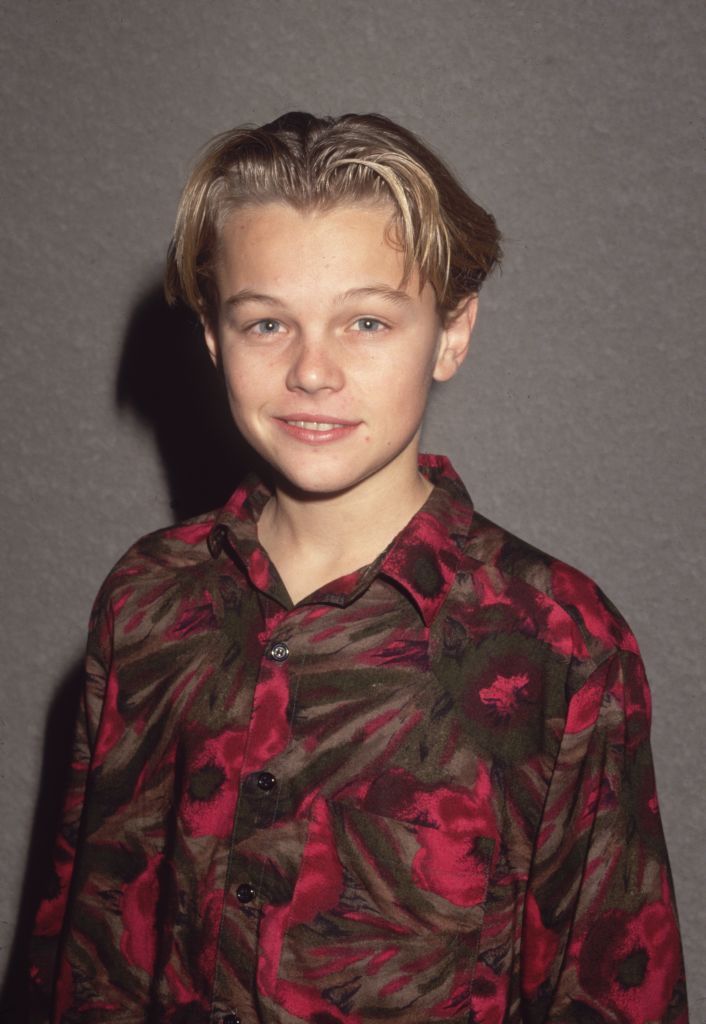
The return on investment (ROI) for this brand strategy is staggering. Because he protected his brand equity early on, he has maintained “A-list” status for over three decades—a feat rarely seen in any industry. In financial terms, he has moved from a speculative penny stock in 1991 to a “Blue Chip” asset today. His presence in a film practically guarantees international distribution and prestige, which is the ultimate goal of any corporate identity.
Lessons for Personal Branding and Marketing
What can professionals learn from the evolution of this brand?
- Start Small, Think Big: Don’t be ashamed of your Critters 3. Use your early projects to learn the ropes and prove your reliability.
- Protect Your Equity: When you reach a peak, resist the urge to over-saturate. Scarcity creates demand.
- Choose Your Partners Wisely: Who you work with defines who you are. Align yourself with brands that elevate your own.
- Define Your Purpose: A brand without a mission is just a product. Give your audience something to believe in.
In conclusion, while the answer to “what was Leonardo DiCaprio’s first film” is a humble 1991 horror movie, the real story is how that debut served as the foundation for a multi-billion dollar personal brand. By treating his career as a strategic corporate entity, DiCaprio has transcended the typical lifecycle of a Hollywood actor, proving that with the right brand strategy, one can turn a direct-to-video start into a legacy of global excellence.
aViewFromTheCave is a participant in the Amazon Services LLC Associates Program, an affiliate advertising program designed to provide a means for sites to earn advertising fees by advertising and linking to Amazon.com. Amazon, the Amazon logo, AmazonSupply, and the AmazonSupply logo are trademarks of Amazon.com, Inc. or its affiliates. As an Amazon Associate we earn affiliate commissions from qualifying purchases.