
In the complex architecture of modern social video platforms, visual cues serve as the primary language for establishing trust, hierarchy, and community. On YouTube, these cues are formalized through “badges”—digital markers that appear next to channel names in search results, on channel pages, and within comment sections. Far from being mere aesthetic flourishes, YouTube badges are sophisticated UI elements integrated into the platform’s broader ecosystem to manage identity, verify authenticity, and facilitate technical interaction between creators and their audiences.
As the platform evolves, the technology behind these badges has become increasingly nuanced. This article explores the technical specifications, the algorithmic logic of verification, and the digital infrastructure that supports the various types of badges available on YouTube today.
1. The Technical Architecture of Channel Verification
The most recognized badge on the platform is the Verification Badge, often visualized as a grey checkmark or a shaded background behind the channel name. This badge serves as a digital certificate of authenticity, signaling to the YouTube algorithm and the end-user that the channel is the official presence of a creator, public figure, or brand.
The Logic of Eligibility and Automated Audits
The process of obtaining a verification badge is governed by a specific set of technical thresholds. Unlike basic account features, verification is not a toggle that any user can flip. Historically, the primary milestone is the 100,000-subscriber threshold. Once a channel hits this metric, it triggers a review process.
The technical backend evaluates two primary criteria:
- Authenticity: The system checks if the channel represents the real creator or brand it claims to be. This involves cross-referencing metadata, linked Google accounts, and external digital footprints.
- Completeness: The channel must be public, have a banner, description, and profile image, and be active.
From a technical standpoint, this is not a permanent status. If a channel changes its name, the system automatically strips the badge, requiring a re-application process. This prevents “identity squatting,” where a verified user might change their handle to impersonate another entity after achieving status.
The Evolution of the Verification Icon
YouTube’s UI/UX designers have iterated on the look of the verification badge to ensure visibility across different devices—from 8K smart TVs to mobile handsets. The current design is optimized for high contrast and scalability. In the CSS framework of the YouTube site, the badge is treated as a specialized SVG (Scalable Vector Graphic) icon that remains crisp regardless of the resolution or zoom level of the browser.
2. Loyalty Badges and the Membership Ecosystem
Beyond platform-wide verification, YouTube offers a more granular badge system through its Channel Memberships feature. This allows creators to build a tiered technical environment where supporters receive specific digital identifiers based on their level of contribution and longevity.
Custom Graphic Implementation for Creators
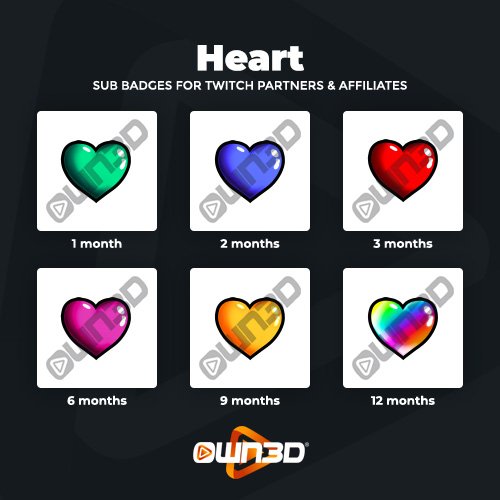
The loyalty badge system is a sophisticated tool for community management. Creators can upload custom images (standard 32×32 pixels, though they scale) that appear next to a member’s name in the comments section and live chat.
The technical complexity here lies in the “evolutionary” nature of these badges. YouTube’s backend allows creators to set milestones—typically at 1 month, 2 months, 6 months, 1 year, and 2 years. The system automatically updates the user’s badge icon as they cross these chronological thresholds. This requires a persistent database link between the user’s subscription start date and the current date, triggering a UI update in real-time during live interactions.
Integration with Live Chat and Metadata
In high-traffic live streams, the YouTube “Chat Controller” must process thousands of messages per minute. Each message packet includes metadata that identifies the user’s membership status. The system must fetch the correct badge graphic from the creator’s assets and render it instantaneously alongside the text. This necessitates a highly efficient Content Delivery Network (CDN) to ensure that the visual representation of status does not lag behind the message delivery, which would disrupt the social hierarchy of the stream.

3. Official Artist Channels (OAC): The Music Note Badge
For the music industry, YouTube utilizes a specialized badge: the Music Note. This is part of the “Official Artist Channel” (OAC) program, which technically merges a musician’s various presences on the platform into a single, cohesive hub.
Consolidating Fragmented Data
Before the OAC system, an artist’s content was often scattered across three distinct channel types:
- Artist-owned channel: Managed by the artist or their team.
- Vevo channel: Managed by the distribution partner.
- Topic channel: Automatically generated by YouTube’s “Music” algorithm to house art tracks.
The Music Note badge is the visual indicator that these data streams have been programmatically merged. When a channel is granted OAC status, the YouTube algorithm prioritizes its content in search results and automatically organizes the video library into “Music Videos” and “Albums” sections.
Algorithmic Implications of the OAC Badge
Technically, the OAC badge changes how a channel interacts with the YouTube Music app. It ensures that any “Official Audio” uploaded by the label is synced with the video content on the main channel. This synchronization relies on International Standard Recording Codes (ISRCs) and Global Release Identifiers (GRIDs) provided in the metadata. The badge is essentially a frontend signal that the backend has successfully mapped these complex identifiers to a single user ID.
4. Security, Digital Integrity, and Fraud Prevention
The existence of badges is inherently tied to platform security. Because badges confer a level of authority, they are prime targets for malicious actors. YouTube employs several technical layers to protect the integrity of these markers.
AI-Driven Fraud Detection
YouTube’s “Safety and Trust” algorithms constantly scan verified accounts for signs of hijacking. If a verified channel suddenly changes its IP geolocation, shifts its content category drastically (e.g., from tech reviews to crypto scams), or experiences a suspicious burst in login attempts, the system may temporarily “grey out” or revoke the badge until manual verification is completed.
Furthermore, the platform uses machine learning to identify “badge mimicry.” This occurs when unverified users use emojis or custom profile pictures that look like the verification checkmark to deceive viewers. YouTube’s OCR (Optical Character Recognition) and image analysis tools identify these patterns and often hide such comments or flag the accounts for impersonation.
The Role of Account Health
Badge retention is also linked to the account’s standing within the YouTube ecosystem. A channel that receives multiple Community Guideline strikes or copyright violations may have its verification status revoked. This ensures that the badge remains a symbol of a “healthy” account that adheres to the platform’s technical and social protocols.
5. The Future of Platform Status: Beyond the Static Icon
As digital environments move toward more immersive formats, the technology behind YouTube badges is likely to expand into new territories, including augmented reality (AR) and more interactive metadata.
Integration with Shorts and Vertical Video
With the rise of YouTube Shorts, badges have had to be adapted for vertical UI. The screen real estate in a vertical video is limited, requiring the badge to be even more minimalist while remaining recognizable. The technical challenge involves ensuring that the badge does not interfere with the “Like,” “Comment,” and “Share” overlays while still being visible enough to deter impersonation in a fast-scrolling feed.
Potential for Enhanced Authentication
Looking forward, there is a technical possibility for YouTube to integrate more robust authentication methods into their badge system. This could include:
- Biometric Verification: Requiring hardware-level authentication for high-profile badge holders to prevent account takeovers.
- Blockchain-Verified Assets: Using decentralized ledgers to verify the ownership of custom membership badges, potentially allowing these “loyalty” assets to have utility outside the YouTube platform itself.
- Dynamic Badges: Badges that change color or state based on real-time events, such as a creator being “Live” or a premiere currently being active.
Conclusion
YouTube badges are much more than simple icons; they are the visible tip of a massive technological iceberg. From the algorithmic audits required for verification to the real-time metadata processing of loyalty badges in a live chat, these markers are essential for maintaining the order and integrity of the platform. For the creator, they represent a technical milestone and a shield against impersonation. For the viewer, they provide a necessary navigation tool in a sea of endless content. As YouTube continues to innovate, the underlying technology of these badges will remain a cornerstone of how identity and authority are managed in the digital age.
aViewFromTheCave is a participant in the Amazon Services LLC Associates Program, an affiliate advertising program designed to provide a means for sites to earn advertising fees by advertising and linking to Amazon.com. Amazon, the Amazon logo, AmazonSupply, and the AmazonSupply logo are trademarks of Amazon.com, Inc. or its affiliates. As an Amazon Associate we earn affiliate commissions from qualifying purchases.