
In the contemporary marketplace, the definition of “value” has undergone a radical transformation. Historically, social change was a concept reserved for non-profit organizations, grassroots activists, and government entities. However, in the current landscape of brand strategy and corporate identity, social change has become a central pillar of how a brand defines its purpose, connects with its audience, and secures long-term relevance.
In the context of branding, social change refers to a brand’s intentional effort to alter societal norms, behaviors, or structures to foster a more equitable, sustainable, or just world. It is no longer enough for a brand to simply sell a product; consumers now expect companies to be active participants in solving the world’s most pressing problems. This shift represents a transition from “transactional branding” to “transformational branding.”
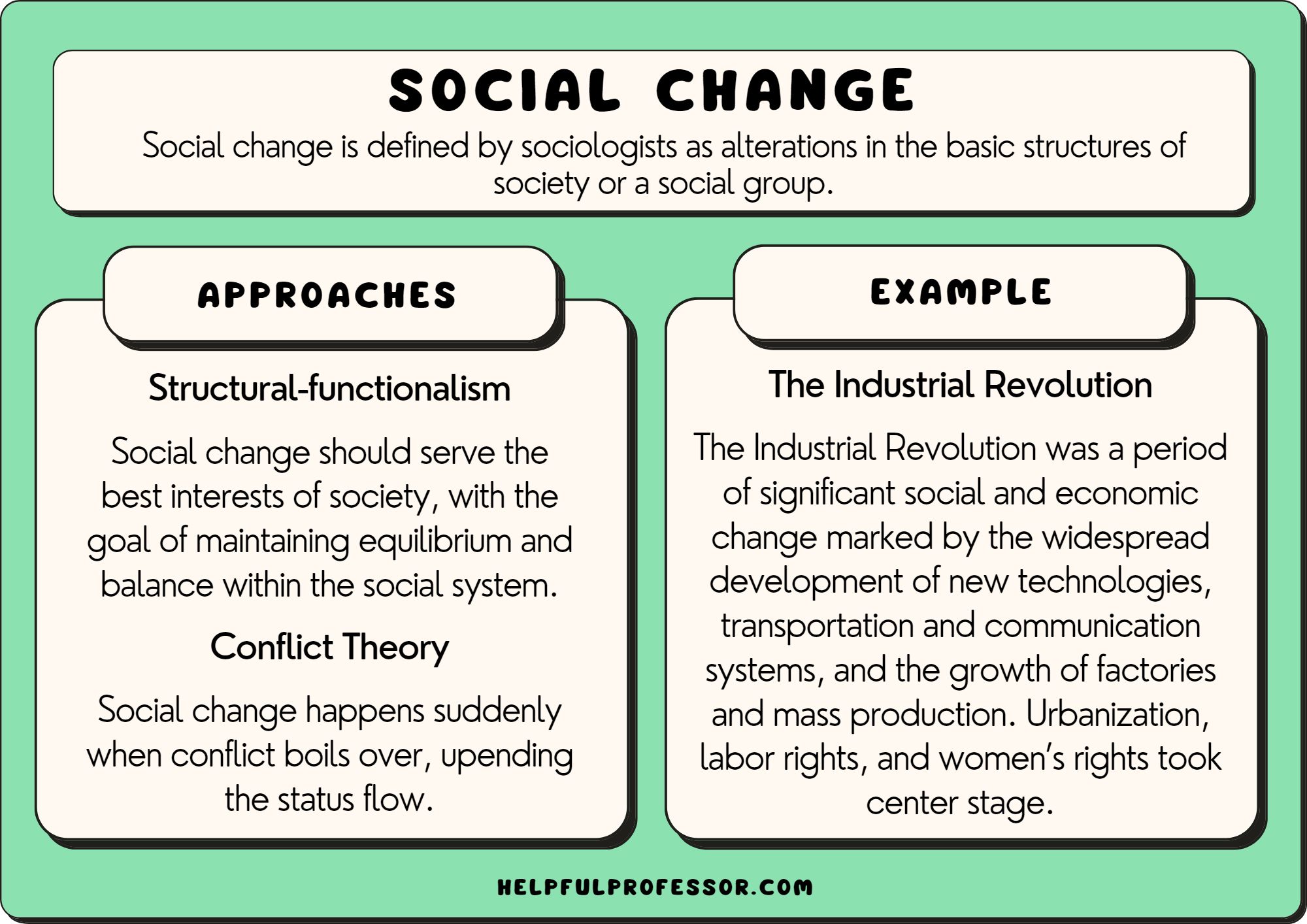
The Evolution of Social Change in Corporate Identity
The history of corporate involvement in societal issues has evolved through several distinct phases. Understanding this evolution is crucial for any brand looking to integrate social change into its strategic framework effectively.
From Passive Philanthropy to Active Advocacy
For decades, a brand’s involvement in social change was limited to “Corporate Social Responsibility” (CSR) programs. These were often peripheral to the core business—essentially, a company would make a profit and then donate a small percentage to a charity. While beneficial, this model was passive.
Today, the most successful brands have moved toward “Active Advocacy.” In this model, the desire for social change is baked into the brand’s mission statement. It influences supply chain decisions, hiring practices, and product development. When a brand advocates for change, it isn’t just writing a check; it is using its massive platform, marketing budget, and cultural influence to shift public opinion or lobby for policy changes.
The Rise of the Belief-Driven Consumer
The primary driver behind this evolution is the “belief-driven consumer.” According to the Edelman Trust Barometer, a significant majority of consumers globally now choose, switch, avoid, or boycott a brand based on its stand on societal issues. This demographic—led by Millennials and Gen Z—views their purchasing power as a vote.
For these consumers, a brand is an extension of their personal identity. If a brand remains silent on critical social issues, it risks being perceived as irrelevant or, worse, complicit in the status quo. Therefore, defining what social change means to a brand is no longer an ethical luxury; it is a strategic necessity for survival in a competitive market.
Core Pillars of a Socially Conscious Brand Strategy
Integrating social change into a brand strategy requires more than a catchy slogan or a rainbow-colored logo during a specific month. It requires a foundational shift in how the brand perceives its role in the ecosystem.
Authenticity: The Bridge Between Promise and Action
The greatest risk a brand faces when engaging with social change is the perception of inauthenticity. Consumers are increasingly adept at spotting “cause-washing”—where a company claims to care about a social issue for marketing purposes while its internal actions tell a different story.
Authenticity in social change branding requires alignment between internal culture and external messaging. If a brand campaigns for gender equality but lacks female representation in its C-suite, the brand strategy will crumble under public scrutiny. Authenticity means that the social change the brand pursues must be logically linked to its industry and its values.
Identifying the “Why”: Aligning Core Values with Societal Needs
Not every brand should try to solve every social problem. Effective brand strategy involves identifying a specific niche where the brand can make a tangible impact. This involves looking at the intersection of the brand’s core competencies and the needs of society.
For example, a technology brand might focus on closing the digital divide or promoting STEM education for underrepresented groups. A fashion brand might focus on sustainable textiles and fair labor practices within the global supply chain. By narrowing the focus, a brand can move from “vague awareness” to “measurable impact,” which strengthens its authority and builds deeper trust with its community.

Strategic Implementation: Turning Vision into Movement
Once a brand has identified the social change it wishes to champion, the next step is implementation. This is where brand strategy meets tactical marketing and community building.
Content Marketing as a Tool for Social Awareness
In the digital age, a brand is essentially a media company. The content a brand produces—from social media posts to long-form documentaries—has the power to educate and inspire. Brands like Patagonia and Dove have mastered the art of using content marketing to drive social change.
Patagonia doesn’t just sell jackets; it produces high-quality films about environmental preservation. Dove doesn’t just sell soap; it creates global campaigns that challenge traditional beauty standards. By using their marketing channels to provide value and provoke thought, these brands become thought leaders. They stop being “vendors” and start being “educators,” which creates an emotional bond with the audience that traditional advertising can never achieve.
Collaborative Impact: Partnerships and Community Engagement
No brand can facilitate large-scale social change in a vacuum. A sophisticated brand strategy involves building ecosystems of change. This includes partnering with non-governmental organizations (NGOs), influencers who share the brand’s values, and the customers themselves.
Co-creation is a powerful tool here. When a brand invites its community to participate in a social change initiative—whether through a “buy-one-give-one” model or a crowdsourced advocacy campaign—it empowers the consumer. This transforms the customer from a passive recipient of a product into an active partner in a mission. This sense of shared purpose is the ultimate driver of brand loyalty.
Measuring the ROI of Social Change in Branding
One of the most frequent challenges raised by stakeholders is how to measure the return on investment (ROI) for initiatives focused on social change. While the impact on society is a primary goal, a brand strategy must also account for its impact on the business.
Beyond Financial Gains: Brand Equity and Loyalty
Traditional ROI focuses on immediate sales. However, the ROI of social change is often found in “Brand Equity.” This includes long-term metrics such as customer lifetime value (CLV), brand sentiment, and talent acquisition.
Brands that are perceived as leaders in social change often enjoy a lower cost of customer acquisition because their community advocates for them. Furthermore, in the “war for talent,” purpose-driven brands have a massive advantage. Employees—especially high-performing younger professionals—want to work for companies that align with their values. The productivity and retention gains from a purpose-driven workforce provide a significant, albeit indirect, financial boost.
The Risks of “Performative Activism” and Woke-washing
The flip side of the ROI equation is the cost of failure. “Performative activism” occurs when a brand makes a public statement about social change but fails to back it up with systemic action. This can lead to a “brand crisis” that results in boycotts, lost revenue, and permanent damage to corporate identity.
To mitigate this risk, brand strategists must ensure that social change initiatives are data-driven and transparent. Providing annual impact reports, seeking third-party certifications (like B-Corp status), and being honest about the challenges the brand faces in its journey are essential for maintaining credibility. In the world of social change, transparency is often more valued than perfection.
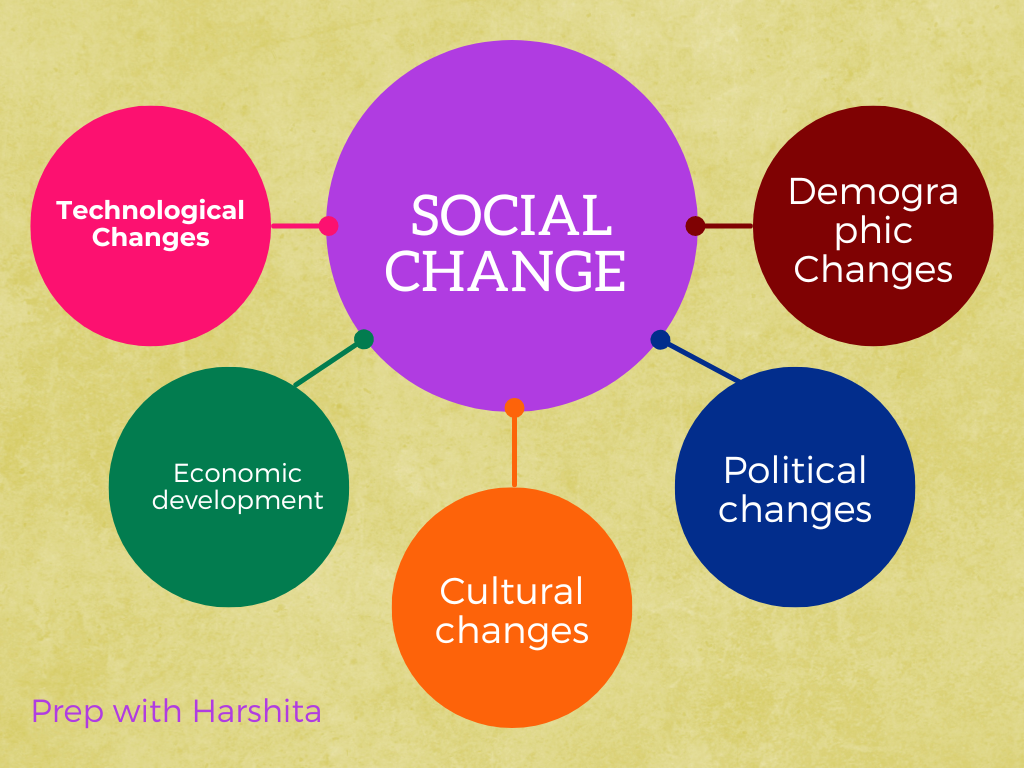
Conclusion: Social Change as the Future of Branding
What is social change? In the context of modern brand strategy, it is the bridge between a company’s commercial goals and its human impact. It is the recognition that a brand’s identity is no longer defined by its logo, but by its legacy.
As we move further into a value-based economy, the brands that thrive will be those that view social change not as a marketing trend, but as a core business philosophy. By aligning their identity with the betterment of society, brands can achieve a level of influence and loyalty that transcends the traditional marketplace. Social change is the new North Star for brand strategy—leading companies toward a future where profit and purpose are inextricably linked.
aViewFromTheCave is a participant in the Amazon Services LLC Associates Program, an affiliate advertising program designed to provide a means for sites to earn advertising fees by advertising and linking to Amazon.com. Amazon, the Amazon logo, AmazonSupply, and the AmazonSupply logo are trademarks of Amazon.com, Inc. or its affiliates. As an Amazon Associate we earn affiliate commissions from qualifying purchases.