
In the sprawling digital ecosystem of ARK: Survival Evolved, the Castoroides—more commonly known as the Giant Beaver—stands as a pinnacle of utility-based creature design. For players navigating the complex software mechanics of Studio Wildcard’s survival epic, understanding the dietary requirements and functional capabilities of this species is not merely a matter of trivia; it is a fundamental component of resource management and base-building optimization. As the gaming industry leans further into complex simulations, the technical nuances of “What does a beaver eat in ARK?” expand into a broader discussion on taming algorithms, inventory weight reduction systems, and strategic digital asset management.
Understanding the Nutritional Algorithm: What Does a Beaver Eat in ARK?
In the backend of ARK: Survival Evolved, every creature operates on a food-value system that dictates taming effectiveness and health regeneration. The Castoroides is classified as a herbivore, but its dietary needs vary significantly depending on whether the creature is in the process of being tamed, or if it is already a permanent asset in your digital menagerie.
Superior Kibble: The Optimized Taming Code
For players looking to maximize the technical efficiency of their taming process, Superior Kibble is the gold standard. In the game’s programming, taming effectiveness determines the bonus levels a creature gains upon successful taming. Using Superior Kibble provides the highest possible affinity gain per bite, ensuring that the “Level Up” variable is maximized. This kibble is crafted through a specific recipe involving Large Eggs, Prime Meat Jerky, Citronal, Sap, Rare Mushrooms, and Fiber. From a technical standpoint, utilizing kibble reduces the time the NPC (Non-Player Character) remains in a vulnerable “knocked out” state, thereby mitigating the risk of environmental interference.
Herbivore Basics: Crops, Berries, and Nutritional Values
If Superior Kibble is unavailable, the software allows for alternative inputs, though with decreasing levels of efficiency. The hierarchy of dietary effectiveness is as follows:
- Crops (Savoroot, Rockarrot, Citronal, Longrass): These offer the highest affinity among non-kibble items.
- Mejoberries: The most effective “wild” berry type for most herbivores, including the beaver.
- Standard Berries: Amarberries, Azulberries, and Tintoberries provide baseline nutrition but significantly slow down the taming bar’s progression.
It is important to note that for a tamed Castoroides, any berry will suffice to maintain its hunger meter. However, for rapid health recovery after a combat encounter or a grueling resource-gathering expedition, Sweet Vegetable Cakes are the premium technical solution, providing a burst of health regeneration that standard berries cannot match.
Taming Mechanics and Digital Resource Management
The process of acquiring a Castoroides is a lesson in managing game state variables, specifically “Torpor” and “Taming Affinity.” The beaver is notorious among the ARK community for its exceptionally fast Torpor depletion rate. This means that from a technical perspective, the player must maintain a constant loop of monitoring the creature’s unconscious meter while simultaneously managing its food intake.
Knockout Strategies and Torpor Decay Rates
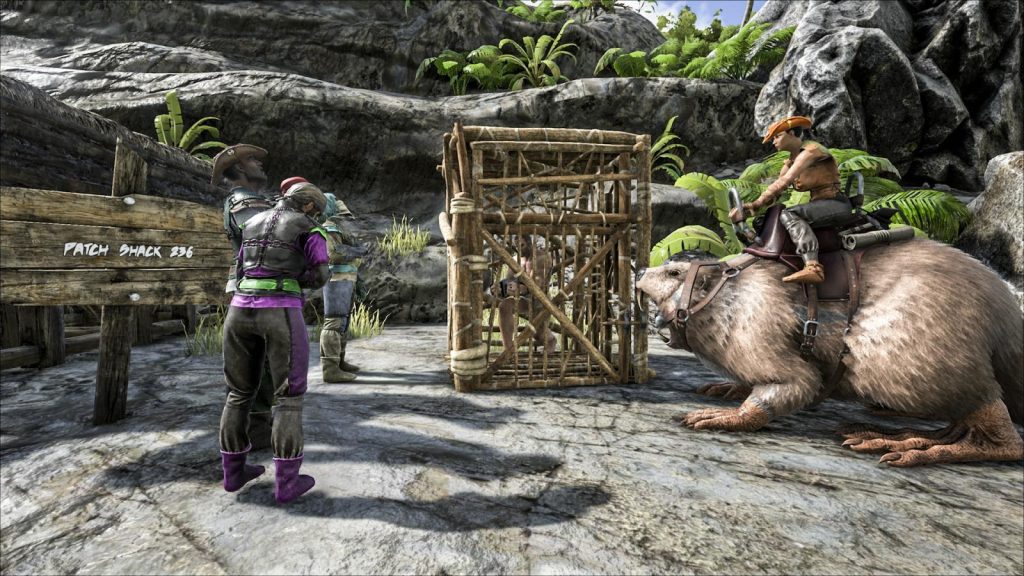
To initiate the taming process, the player must increase the creature’s Torpor variable until it reaches the threshold for unconsciousness. Due to the Castoroides’ high movement speed in water and aggressive AI when provoked, the most efficient technical approach is the use of a “taming pen”—a player-constructed enclosure that limits the NPC’s pathfinding capabilities. Once contained, the use of Longneck Rifles equipped with Tranq Darts is recommended to minimize physical damage while maximizing Torpor gain.
Once the beaver is down, the technical challenge shifts to “narcotic management.” Because the Castoroides has a high decay rate for its unconscious state, players must use Narcotic or Narcoberries frequently. Modern ARK players often use third-party “taming calculators”—external software tools that analyze the creature’s level and provide a precise countdown for when the next dose of sedative is required.
Efficiency Ratios for Maximum Leveling
The goal of any high-level player is to achieve a “Perfect Tame.” This occurs when the taming effectiveness remains above 99%. Every time the beaver eats a piece of food that isn’t its “preferred” source (Kibble), the effectiveness variable drops. This is not just an aesthetic choice; it affects the creature’s final base stats, including Melee Damage and Weight capacity—the two most important technical stats for a resource-gathering unit.
The Castoroides as a Mobile Crafting Station: Technical Advantages
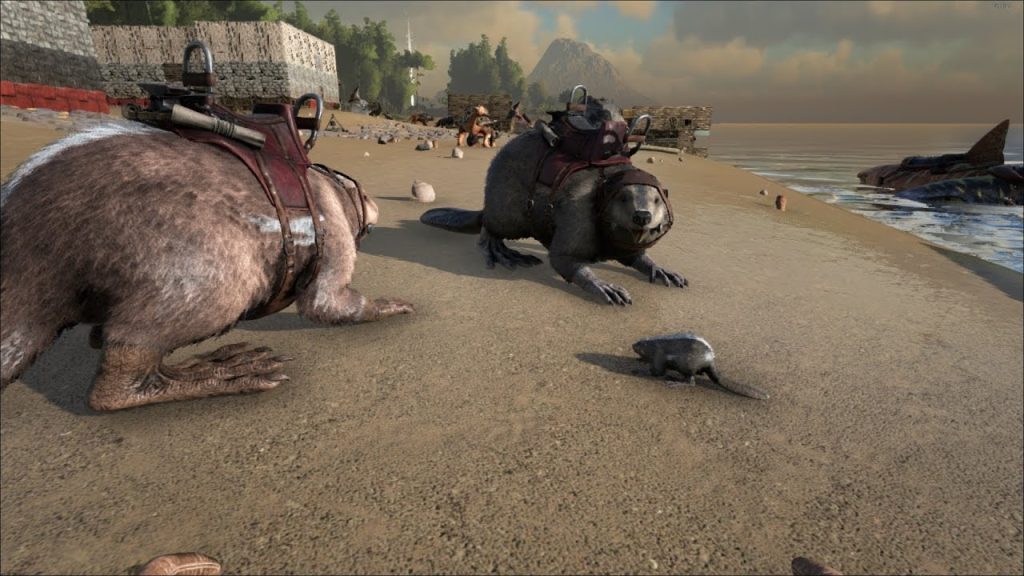
Beyond its diet, the Castoroides represents a sophisticated piece of “living hardware” within the game. It is not merely a pet; it is a mobile industrial tool with specific programming that makes it indispensable for mid-to-late-game progression.
Weight Reduction Algorithms for Wood and Stone
One of the most powerful technical features of the Castoroides is its “weight reduction” passive ability. In the game’s inventory system, every item has a weight value that contributes to a player’s or creature’s total load. When the total weight exceeds a certain percentage of the maximum capacity, the entity becomes “encumbered,” slowing its movement or stopping it entirely.
The Castoroides features a specialized inventory algorithm that reduces the weight of specific raw materials:
- Wood: 50% weight reduction.
- Stone: 50% weight reduction.
- Fiber: 50% weight reduction.
- Thatch: 50% weight reduction.
This makes the beaver an incredibly efficient data-management tool for physical resources. A player can transport twice as much wood on a beaver as they could on almost any other creature of a similar size class, optimizing the logistics of base construction.
The Smithy Inventory Interface
Perhaps the most unique technical aspect of the Castoroides is its ability to function as a mobile Smithy. By accessing the beaver’s inventory, players can craft items that would normally require a stationary Smithy structure. This includes metal tools, armor, and saddles. This “mobile workstation” logic allows for rapid repairs and gear upgrades during expeditions, effectively decentralizing the player’s manufacturing capabilities.
Optimizing Your Base Economy with Automated Dam Spawning
In the wild, the Castoroides interacts with the game world through a unique “building” AI. They construct Giant Beaver Dams, which serve as localized loot containers. Understanding the mechanics of these dams is essential for any player looking to master the game’s economy.
AI Pathfinding and Spawn Point Logic
Beaver dams are not just random decorations; they are programmed spawn points linked to the presence of wild Castoroides. These dams contain high-value resources that are often difficult to synthesize in large quantities during the early game. The most sought-after resource is Cementing Paste, a vital component for high-tier tech like polymer and electronics.
To optimize the “farming” of these dams, players often engage in “server-side management” by clearing out old dams to trigger the respawn timer. If a player loots only the Cementing Paste and leaves the wood behind, the dam will not “refresh,” effectively stalling the resource production. Technically proficient players know that they must completely destroy the dam to allow the AI to trigger a new construction cycle.
Strategic Resource Farming: Cementing Paste and Rare Flowers
Inside these dams, the loot tables are weighted toward:
- Cementing Paste: Used for advanced architecture and machinery.
- Rare Flowers: Used for mindwipe tonics and taming specific creatures.
- Silica Pearls: A foundational element for electronic components.
- Rare Mushrooms: Essential for high-end recipes and antidotes.
By strategically positioning a base near “Beaver Spawn Zones,” a tribe can effectively automate a portion of their resource acquisition. This highlights the intersection of creature behavior and economic strategy within the digital framework of ARK.
Conclusion: The Technical Role of the Beaver in the ARK Ecosystem
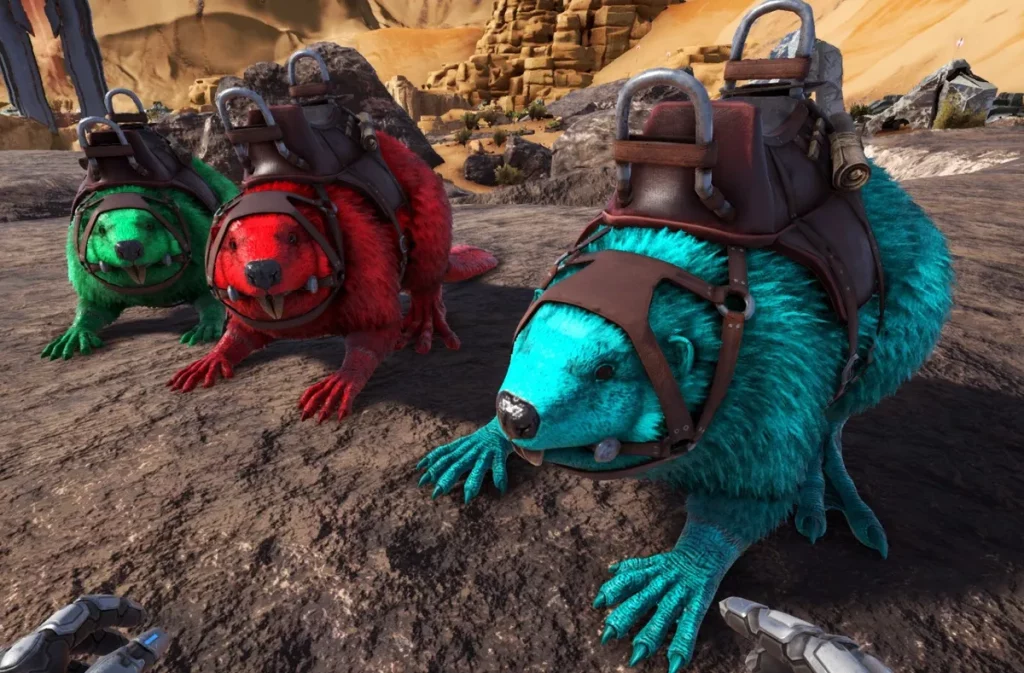
The question of “what does a beaver eat in ARK” is the gateway to understanding a complex web of game mechanics, resource optimization, and technical strategy. From the specific nutritional values of Superior Kibble to the weight-reduction algorithms that make it a logistics powerhouse, the Castoroides is more than a digital animal; it is a vital utility for any player looking to master the tech-tree of ARK: Survival Evolved.
By understanding these systems—how to feed them, how to tame them, and how to exploit their unique inventory traits—players can move from simple survival to total environmental dominance. In the world of high-stakes gaming, data is power, and the technical data surrounding the Castoroides proves it to be one of the most valuable assets in the game’s vast library of creatures. Whether you are a solo survivor or a leader of a massive tribe, the humble beaver remains a cornerstone of efficient, tech-forward gameplay.
aViewFromTheCave is a participant in the Amazon Services LLC Associates Program, an affiliate advertising program designed to provide a means for sites to earn advertising fees by advertising and linking to Amazon.com. Amazon, the Amazon logo, AmazonSupply, and the AmazonSupply logo are trademarks of Amazon.com, Inc. or its affiliates. As an Amazon Associate we earn affiliate commissions from qualifying purchases.