
Non-Emergency Medical Transportation (NEMT) is a critical component of the modern healthcare ecosystem, ensuring that patients with mobility challenges, chronic conditions, or cognitive impairments can reach their medical appointments without the need for high-cost emergency services. While the concept of transporting patients to a doctor is not new, the sector has undergone a massive digital transformation. Today, NEMT is less about the physical vehicle and more about the sophisticated technological stack that facilitates logistics, scheduling, and data-driven healthcare integration. In this tech-focused exploration, we examine how software, AI, and digital security are redefining what it means to transport a patient.
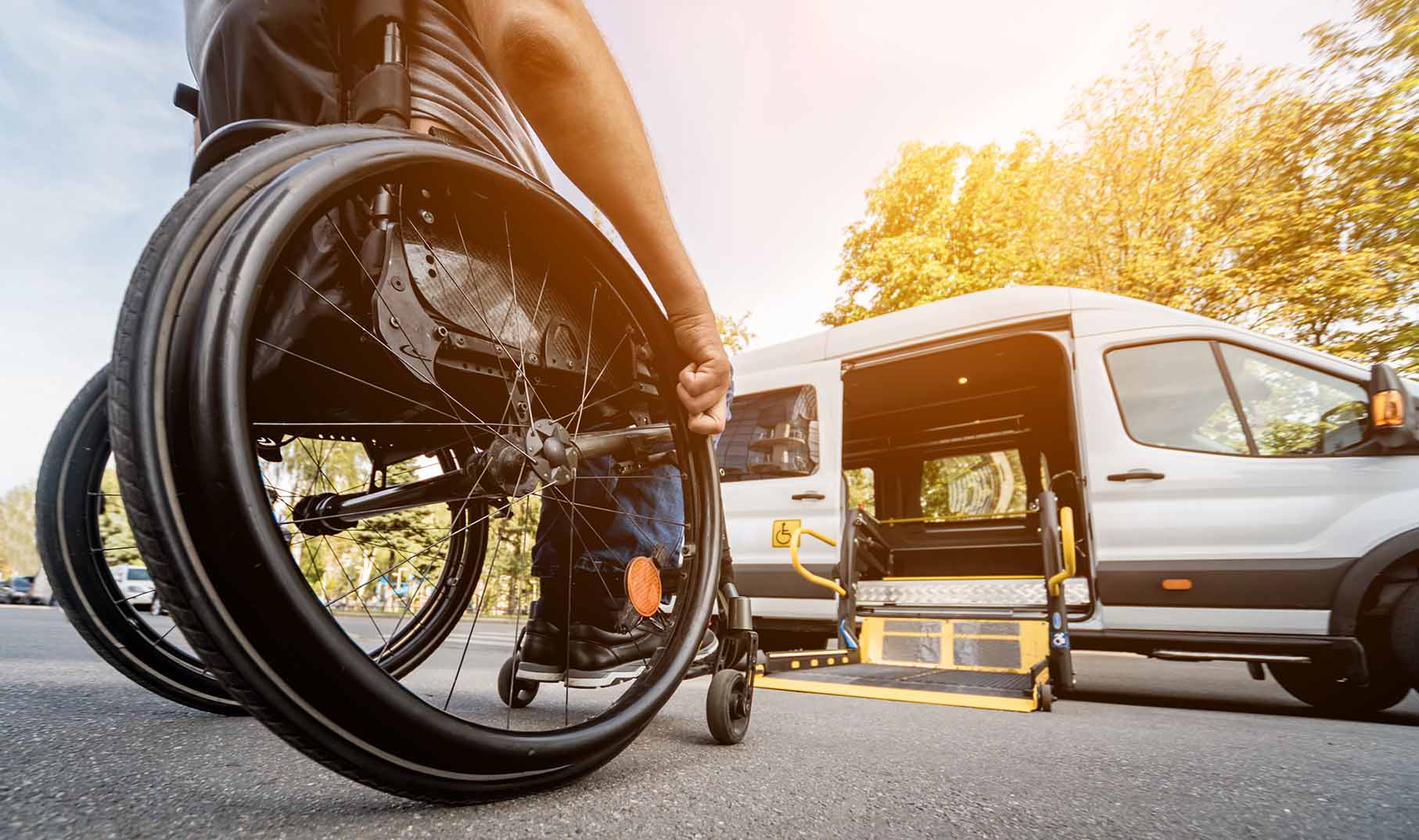
The Architecture of Modern NEMT Management Software
At the heart of any successful NEMT operation lies its management software (NMS). Gone are the days of paper logs and manual dispatching over radio frequencies. Modern NEMT technology utilizes integrated software-as-a-service (SaaS) platforms that act as a central nervous system for the entire logistics operation. These platforms are designed to bridge the gap between healthcare providers, insurance payers, and transportation providers.
Automated Dispatching and Intelligent Scheduling
One of the most significant technological advancements in NEMT is the move from manual to automated dispatching. Using complex algorithms, these systems can assign trips to drivers based on proximity, vehicle capability (such as wheelchair lift availability), and the driver’s current workload. Intelligent scheduling uses predictive modeling to account for traffic patterns, weather conditions, and historical delays at specific medical facilities. By optimizing these routes, software minimizes “deadhead” miles—miles driven without a passenger—thereby increasing operational efficiency and reducing the carbon footprint of the fleet.
Electronic Manifests and Real-Time Driver Interfaces
The transition from paper manifests to digital interfaces has revolutionized the workflow for drivers. Mobile applications equipped with GPS tracking allow drivers to receive real-time updates to their schedules. These apps serve as a comprehensive tool for “Clock-in/Clock-out” functionality, GPS navigation tailored for oversized medical vehicles, and digital signature capture for proof of service. From a tech perspective, these interfaces must be low-latency and capable of operating in low-bandwidth environments to ensure that data synchronization with the central server remains uninterrupted.
The Integration of IoT and Telematics in Patient Logistics
The “Internet of Things” (IoT) has found a natural home within the NEMT sector. By embedding sensors and connectivity into vehicles, providers can gain an unprecedented level of visibility into their operations, ensuring both safety and reliability for vulnerable populations.
Real-Time Vehicle Tracking and Geo-Fencing
GPS technology in NEMT goes beyond simple navigation. Advanced telematics systems provide real-time location data to dispatchers and healthcare facilities. Geo-fencing—a technology that creates a virtual geographic boundary—is used to trigger automated notifications. For instance, when a vehicle is within two miles of a dialysis center, the facility’s front desk can receive an automated alert, allowing them to prepare the patient for pickup. This synchronization reduces wait times and optimizes the throughput of the medical facility.
Vehicle Health Monitoring and Predictive Maintenance
For an NEMT provider, a vehicle breakdown is more than a technical failure; it is a potential medical risk for the passenger. IoT sensors monitor engine diagnostics, tire pressure, and brake wear in real-time. This data is fed into a centralized analytics platform that uses predictive maintenance algorithms to alert technicians before a component fails. By leveraging these hardware-to-software integrations, companies can ensure that their fleet remains operational and safe, minimizing service disruptions.
Artificial Intelligence and Machine Learning in Demand Forecasting
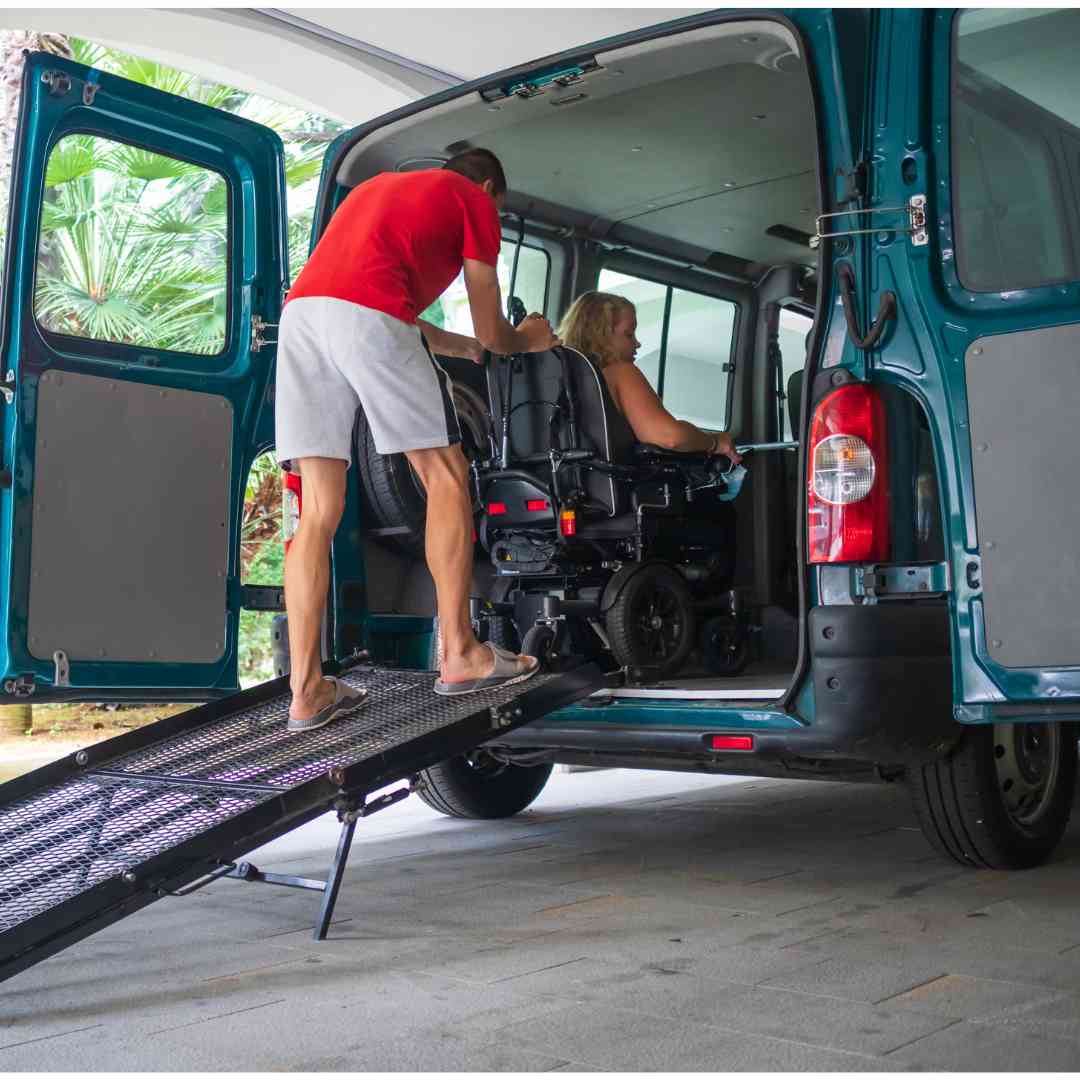
As NEMT providers scale, the complexity of managing thousands of recurring medical appointments becomes overwhelming for human operators. This is where Artificial Intelligence (AI) and Machine Learning (ML) provide a competitive edge, turning raw data into actionable insights.
Dynamic Routing and Traffic Predictive Modeling
AI-driven routing engines are significantly more powerful than standard consumer GPS apps. These engines analyze vast datasets, including historical traffic patterns during peak medical appointment hours and real-time road incident reports. Machine learning models can predict how long a specific patient pick-up might take based on their documented mobility level (e.g., a bariatric patient vs. an ambulatory patient). This level of granular data allows the software to adjust “buffer times” dynamically, ensuring that a driver is never late for a critical chemotherapy or dialysis session.
Reducing No-Shows through Predictive Analytics
Patient “no-shows” are a massive drain on the healthcare system. AI tools are now being used to analyze patient behavior patterns to predict the likelihood of a missed appointment. Factors such as past attendance, distance from the facility, and even local weather forecasts are weighted by the algorithm. If the system flags a high probability of a no-show, it can automatically trigger a digital intervention—such as an automated SMS reminder or a prompt for a coordinator to call the patient—ensuring that the transportation resources are utilized effectively.
Digital Security, HIPAA Compliance, and Data Integrity
Because NEMT involves the handling of Protected Health Information (PHI), the digital security requirements for these platforms are as stringent as those for hospital databases. The intersection of transportation logistics and healthcare data creates a unique set of cybersecurity challenges.
Encrypted Data Transmission and Storage
Any technology used in NEMT must be compliant with the Health Insurance Portability and Accountability Act (HIPAA). This means that every byte of data, from the patient’s name to their specific medical diagnosis, must be encrypted both “in transit” (as it travels from a mobile app to a server) and “at rest” (as it sits in a database). Secure Sockets Layer (SSL) protocols and AES-256 encryption are the industry standards. Developers must also ensure that access controls are strictly enforced, using multi-factor authentication (MFA) to ensure that only authorized dispatchers and medical staff can view sensitive patient files.
Blockchain for Transparent Billing and Auditing
One of the emerging trends in NEMT tech is the use of blockchain technology to handle the “claims and billing” cycle. NEMT billing is notoriously complex, involving multiple layers of verification between the transport company, the insurance provider (often Medicaid), and the medical facility. A private blockchain ledger can create an immutable record of every trip, including GPS-verified pick-up and drop-off points and digital signatures. This eliminates the possibility of fraudulent billing and creates a transparent audit trail that can be verified by regulatory bodies in real-time, significantly speeding up the reimbursement cycle.
The Future Frontier: Autonomous Vehicles and API Integration
Looking forward, the NEMT industry is poised for even more radical technological shifts. The integration of Application Programming Interfaces (APIs) is already allowing NEMT platforms to “talk” directly to Electronic Health Records (EHR) systems. When a doctor schedules a recurring treatment in an EHR like Epic or Cerner, the NEMT software can automatically generate the transportation logs, removing the need for manual entry entirely.
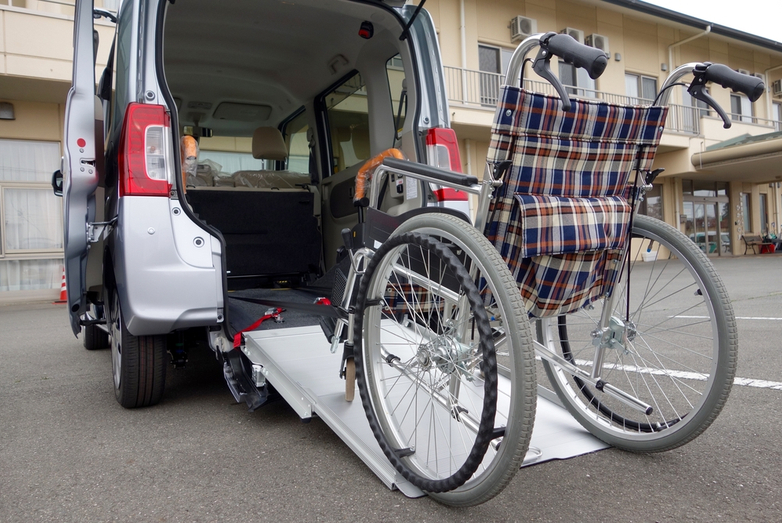
Furthermore, the development of autonomous vehicles (AVs) specifically designed for medical transport is on the horizon. These vehicles could be outfitted with specialized ramps and interior monitoring systems that use AI-vision to ensure a patient remains stable during transit. While we are still years away from full-scale AV adoption in the medical sector, the digital infrastructure—the maps, the dispatch algorithms, and the secure data silos—is being built today.
In conclusion, Non-Emergency Medical Transportation is no longer a simple subset of the taxi or van industry. It is a sophisticated technological domain that sits at the intersection of logistics, data science, and healthcare. By leveraging NMS platforms, IoT sensors, AI-driven analytics, and robust cybersecurity protocols, NEMT providers are doing more than just moving people; they are providing a data-verified link that ensures the continuity of care in an increasingly digital world. The evolution of this tech ensures that the journey to health is as efficient, secure, and reliable as the medical treatment itself.
aViewFromTheCave is a participant in the Amazon Services LLC Associates Program, an affiliate advertising program designed to provide a means for sites to earn advertising fees by advertising and linking to Amazon.com. Amazon, the Amazon logo, AmazonSupply, and the AmazonSupply logo are trademarks of Amazon.com, Inc. or its affiliates. As an Amazon Associate we earn affiliate commissions from qualifying purchases.