
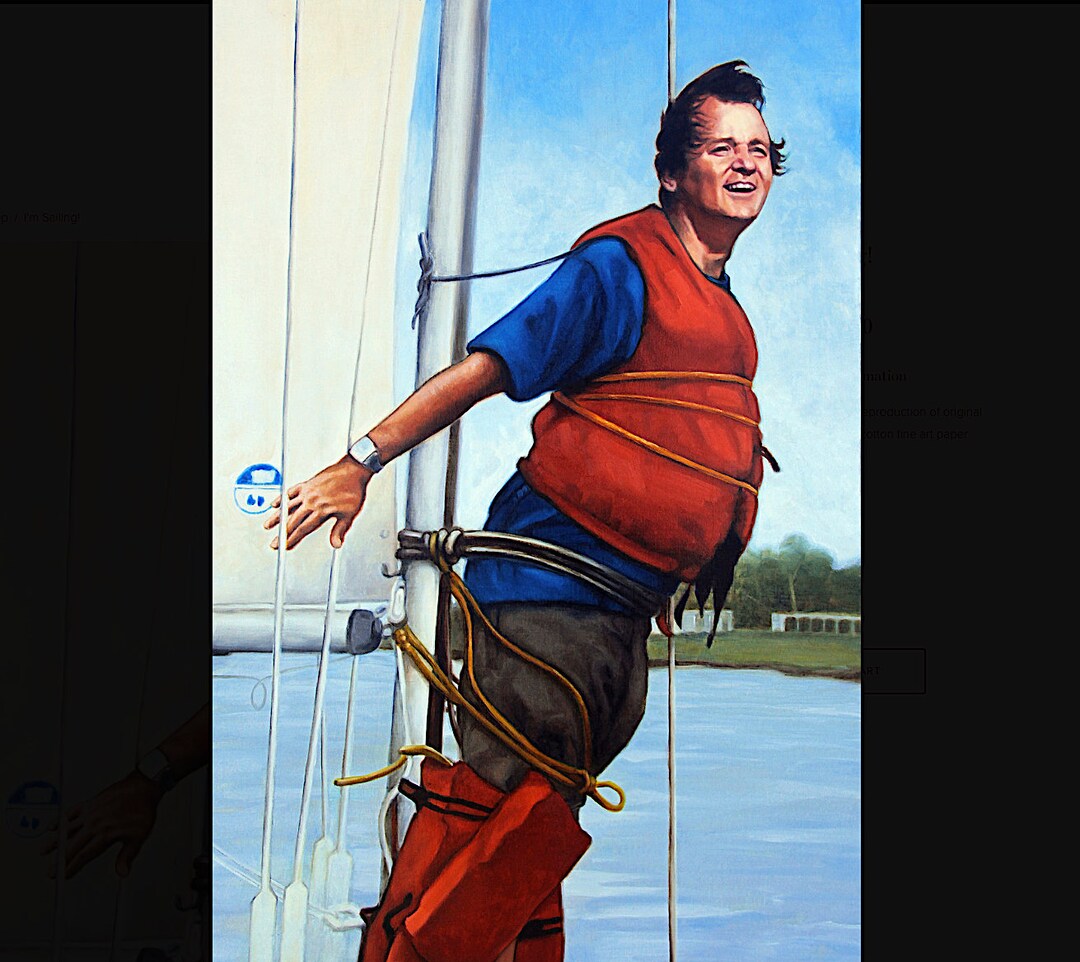
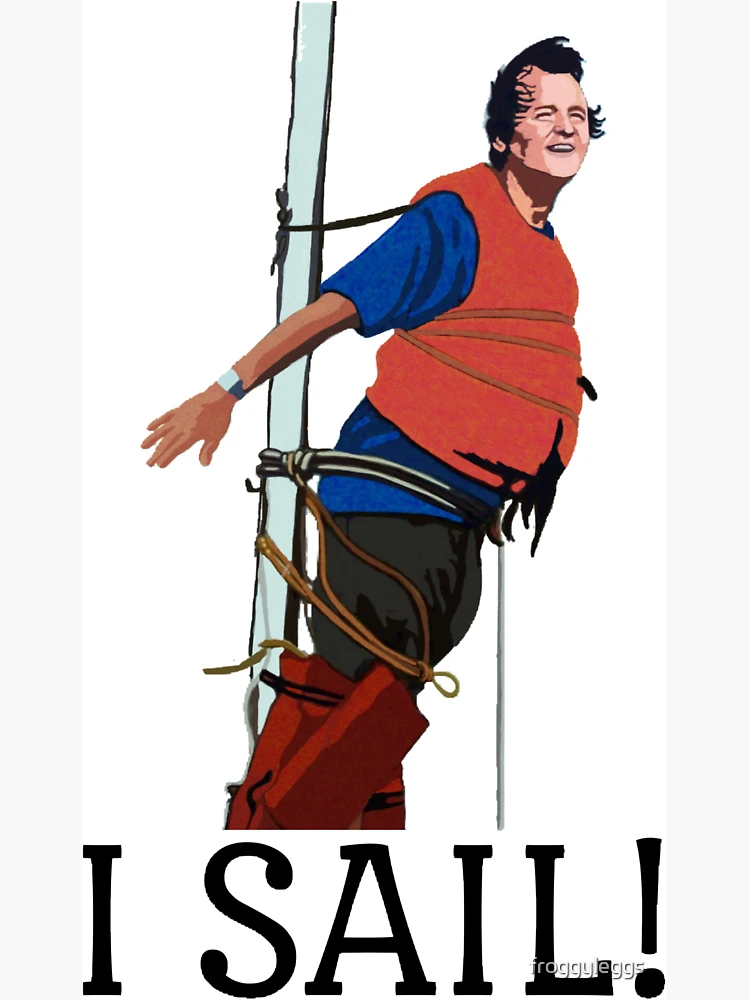
In the 1991 cult classic What About Bob?, the protagonist famously navigates his fears by taking “baby steps.” When he eventually finds himself strapped to the mast of a sailboat, shouting, “I’m sailing! I’m sailing!” it is a comedic moment of forced bravery. However, in the modern maritime world, the question “What about BOB?” has taken on an entirely different, highly technical meaning. In the realm of software architecture and maritime technology, “BOB” stands for Best-of-Breed.
As the sailing industry undergoes a massive digital transformation, shipbuilders, solo circumnavigators, and yacht management firms are moving away from bloated, monolithic legacy systems. Instead, they are embracing a BOB approach—selecting the absolute best specialized software and hardware for each specific function on a vessel. From AI-driven navigation and Starlink-integrated communications to IoT-enabled engine monitoring, the “sailing” of today is as much about data packets as it is about wind speed.
The Shift from Monolithic to Best-of-Breed (BOB) Systems
For decades, marine electronics were dominated by a few giants who provided “all-in-one” ecosystems. If you bought one brand’s chartplotter, you were locked into their radar, their transducers, and their proprietary software. This monolithic approach was the industry standard, but it often left sailors with sub-par performance in specific areas. The “What About BOB?” movement in tech challenges this status quo by advocating for a modular, integrated tech stack.
Defining BOB in the Context of Marine Software
Best-of-Breed (BOB) refers to the strategy of selecting the best-performing application or hardware for a specific niche rather than relying on a single suite. In sailing tech, this means choosing a specialized weather routing app (like PredictWind), a top-tier radar system from a different manufacturer, and a third-party digital switching system for power management. The goal is to create a bespoke ecosystem where every component is the “gold standard” of its category.
The End of “One Size Fits All” Navigation Suites
The primary driver for this shift is the demand for specialized data. A competitive racing yacht has vastly different tech requirements than a luxury catamaran or an autonomous research vessel. Monolithic systems often try to please everyone but master nothing. By utilizing open-source protocols and advanced APIs, modern mariners can now bypass the limitations of closed-loop systems, ensuring that their “BOB” stack provides a competitive edge in safety, speed, and efficiency.
Integrating Smart Tech on the Water: IoT and Real-Time Data
Sailing is no longer an analog escape; it is becoming a node in the global Internet of Things (IoT). The integration of sensors across every square inch of a vessel has turned boats into floating data centers. For the tech-forward sailor, the focus is on how these disparate “Best-of-Breed” tools communicate to provide a holistic view of the vessel’s health.
NMEA 2000 and the Internet of Ships
At the heart of modern sailing tech is the NMEA 2000 (N2K) backbone—a plug-and-play communications standard that allows devices from different manufacturers to share data. This is the “glue” of the BOB strategy. When a wind sensor from Brand A can talk to a multi-function display from Brand B, which then triggers an alarm on a smartphone app from Brand C, the BOB philosophy reaches its full potential. This interoperability allows for real-time monitoring of everything from fuel flow and battery levels to sail tension and bilge water depth.
Satellite Connectivity: Starlink’s Impact on Offshore Operations
Perhaps no single piece of tech has revolutionized sailing more than the advent of low-earth orbit (LEO) satellite internet. In the past, “going offshore” meant total digital isolation. Today, with Starlink Maritime, sailors have high-speed, low-latency internet in the middle of the Atlantic. This connectivity is the ultimate enabler for BOB tech stacks, allowing for continuous cloud-based data backups, real-time remote diagnostics from technicians on shore, and high-definition weather updates that were previously impossible to receive at sea.
Autonomous Sailing: Is the “Bob” of the Future a Bot?

When we ask “What about Bob sailing?” in a modern tech context, we must consider the rise of autonomous systems. We are rapidly moving toward a future where the person “strapped to the mast” is not a terrified vacationer, but a sophisticated AI system managing the vessel’s trajectory.
AI-Driven Autopilots and Predictive Maintenance
Traditional autopilots follow a simple compass heading or wind angle. Modern “BOB” autopilots, powered by Artificial Intelligence and machine learning, do much more. They analyze historical data, wave patterns, and sail performance to “learn” the boat’s unique behavior in different sea states. Furthermore, AI is now being used for predictive maintenance. By analyzing the vibration patterns of an engine or the heat signatures of a battery bank, these systems can alert the captain to a failure before it happens, shifting the paradigm from reactive repairs to proactive tech management.
Machine Vision and Collision Avoidance
Safety is the most critical application of marine AI. New tech startups are introducing “Machine Vision” systems that use high-resolution cameras and thermal imaging to identify objects in the water—be it a shipping container, a whale, or a small fishing boat—that traditional radar might miss. These systems integrate with the boat’s navigation stack to suggest course corrections or even take control of the helm in an emergency. This is the pinnacle of the Best-of-Breed approach: using specialized computer vision tech to supplement traditional navigation.
The Green Tech Revolution: Electric Propulsion and Energy Management
Sustainability is no longer a fringe movement in sailing; it is a primary driver of technological innovation. As the industry moves away from fossil fuels, the “BOB” tech stack is being expanded to include sophisticated energy management systems.
Hydrogen vs. Lithium-Ion: The Battle for Clean Power
The transition to electric propulsion requires more than just a motor; it requires a complex network of energy storage and generation. High-capacity Lithium-Ion (LiFePO4) batteries have become the industry standard, but hydrogen fuel cells are emerging as a “Best-of-Breed” solution for long-range blue water cruising. Managing these systems requires precision software that can balance inputs from solar panels, hydro-generators, and wind turbines, ensuring the vessel remains self-sufficient without the need for a diesel generator.
Digital Twins: Simulating Efficiency Before the Sail
One of the most exciting trends in high-end sailing tech is the use of “Digital Twins.” Before a high-performance yacht even hits the water, a digital replica is created in a virtual environment. Using computational fluid dynamics (CFD) and real-time sensor data from existing BOB systems, engineers can simulate how a boat will perform in specific conditions. This allows for the optimization of sail shapes, hull trim, and energy usage in a digital space, saving thousands of dollars in physical testing and significantly reducing the vessel’s carbon footprint.
Implementing Your Tech Stack: The “Baby Steps” Approach
Adopting a “Best-of-Breed” tech strategy can be overwhelming. Just as Bob Wiley had to take baby steps to get out of his apartment, mariners must take a measured approach to digitizing their vessels.
Prioritizing Cybersecurity in Remote Waters
As boats become more connected, they also become more vulnerable. A BOB tech stack is only as strong as its weakest link. For sailors, digital security is now as important as a life jacket. This involves implementing robust firewalls, securing NMEA networks from external intrusion, and ensuring that satellite connections are encrypted. Professional yachting firms are now hiring specialized marine IT consultants to audit their tech stacks, treating the boat’s network with the same level of scrutiny as a corporate office.
Training the Modern Mariner for a Digital Cockpit
The final component of the “What about BOB?” equation is the human element. The most advanced AI and the fastest satellite link are useless if the crew cannot operate them. The modern sailor needs to be part-navigator, part-it-specialist. This has led to a surge in digital training platforms and simulation-based learning. Understanding how to troubleshoot an API conflict or reset a sensor network is becoming a core seamanship skill, equal in importance to tying a bowline or reefing a sail.
In conclusion, “What about Bob sailing?” is no longer a question about a quirky movie character. It is a question about how we embrace the Best-of-Breed revolution to make sailing safer, faster, and more sustainable. By taking “baby steps” toward tech integration—from IoT sensors to AI-driven autonomy—the maritime world is proving that the right tech stack is the ultimate wind in our sails. Whether you are a weekend cruiser or a commercial fleet manager, the future of the ocean is digital, modular, and interconnected. It’s time to stop fearing the mast and start mastering the stack.
aViewFromTheCave is a participant in the Amazon Services LLC Associates Program, an affiliate advertising program designed to provide a means for sites to earn advertising fees by advertising and linking to Amazon.com. Amazon, the Amazon logo, AmazonSupply, and the AmazonSupply logo are trademarks of Amazon.com, Inc. or its affiliates. As an Amazon Associate we earn affiliate commissions from qualifying purchases.