
In the complex landscape of modern commerce, the intersection of employment law and financial stability is often overlooked until a crisis occurs. For both business owners and individual professionals, understanding the legal framework surrounding age-based harassment is not merely a human resources requirement—it is a critical component of financial risk management and long-term wealth preservation. In the United States, the primary shield against such workplace inequities is the Age Discrimination in Employment Act (ADEA), which specifically identifies the age of 40 as the threshold for legal protection.
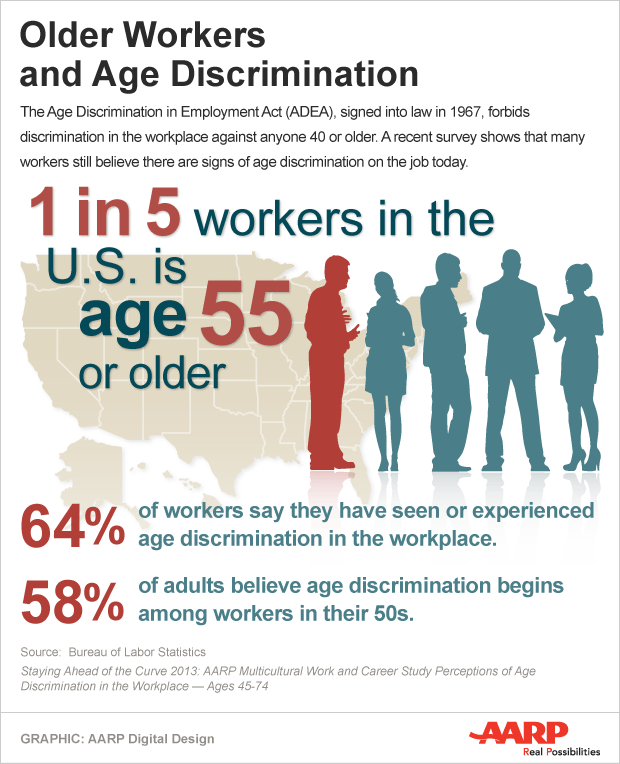
This article explores the financial implications of age-based harassment protections, examining how these regulations influence corporate liability, personal income security, and the broader economic health of the workforce. By viewing age protection through the lens of “Money,” we can better understand the high stakes involved in maintaining an age-diverse professional environment.
The Financial Stakes of the ADEA: Who is Protected?
The Age Discrimination in Employment Act (ADEA) of 1967 was established to promote the employment of older persons based on ability rather than age. From a financial perspective, this legislation acts as an insurance policy for the economy, ensuring that experienced, high-earning individuals are not prematurely removed from the tax base or forced into early retirement due to systemic bias.
Defining the 40+ Threshold
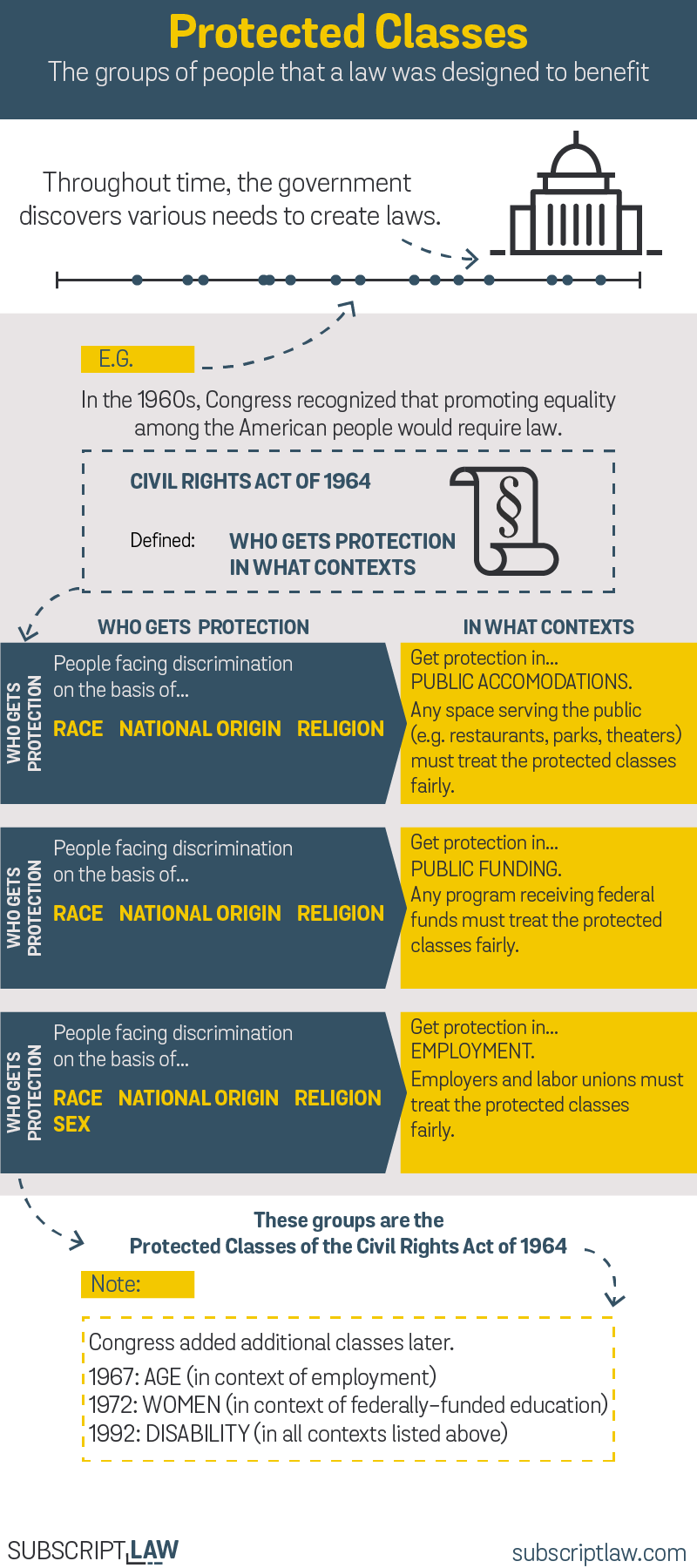
The law specifically protects individuals who are 40 years of age or older from employment discrimination and harassment. While some state laws provide protections for younger workers (often referred to as “reverse age discrimination”), the federal standard focuses exclusively on those entering their mid-career peak. Financially, this group represents the most significant portion of the consumer economy and the highest tier of income earners. Protecting their right to work without harassment is essential for maintaining the velocity of money within the professional services and manufacturing sectors.
The Cost of Non-Compliance for Business Finance
For a business, failing to prevent age-based harassment is a direct threat to the balance sheet. Harassment claims can lead to expensive litigation, significant settlements, and hefty fines from the Equal Employment Opportunity Commission (EEOC). In recent fiscal years, the EEOC has recovered hundreds of millions of dollars for victims of age discrimination. For a mid-sized firm, a single substantiated claim can wipe out an entire year’s profit margin. Thus, understanding who is protected—and ensuring those protections are enforced—is a vital strategy for protecting corporate capital.
Protecting Personal Income: The Employee’s Financial Defense
For the individual professional, reaching the age of 40 often coincides with peak earning potential, significant mortgage obligations, and the critical window for retirement savings. Age-based harassment is not just a psychological burden; it is a direct threat to an individual’s financial roadmap.
Recognizing Discriminatory Practices That Impact Earnings
Harassment often manifests in ways that directly impact an employee’s wallet. This includes being passed over for high-commission projects, being excluded from lucrative training opportunities that lead to promotions, or being “phased out” through hostile work environments that encourage “voluntary” resignation. When an older worker is targeted, the loss of income is rarely just the salary; it includes the loss of 401(k) matching, health insurance benefits, and the compounding interest of investments that would have been funded by that income.
Economic Damages and Settlements in Age-Based Cases
When age-based harassment leads to a legal dispute, the financial remedies are designed to “make the victim whole.” This can include back pay (wages lost from the time of the incident to the judgment), front pay (future wages lost), and liquidated damages. Liquidated damages are particularly significant in business finance because they can double the amount of the award if the employer’s violation was “willful.” For the professional, these settlements are essential for recovering their financial trajectory, but they also serve as a stark reminder to businesses that ageism is an expensive liability.
Risk Management and Brand Equity: The Corporate Finance Perspective
Modern business finance is increasingly focused on ESG (Environmental, Social, and Governance) metrics. Age diversity is a key component of the “Social” pillar. Companies that fail to protect their older workforce face a “double hit” to their finances: the direct cost of legal penalties and the indirect cost of diminished brand value.
Litigation Costs vs. Preventive Compliance Training
From a CFO’s perspective, investing in robust anti-harassment training and age-inclusive culture-building is a high-ROI (Return on Investment) activity. The cost of a comprehensive compliance program is a fraction of the cost of a single defense attorney’s retainer fee for a federal lawsuit. Furthermore, age-based harassment often leads to high turnover. The financial cost of replacing a senior executive or specialized technical worker—including recruiting fees, onboarding, and lost productivity—often exceeds 200% of the employee’s annual salary. Preventive measures are, therefore, a strategic asset for capital preservation.
Insurance and Liability Coverage for Employment Practices
Many businesses utilize Employment Practices Liability Insurance (EPLI) to mitigate the risk of age-based harassment claims. However, the cost of premiums is directly tied to the company’s history and perceived risk. A culture where ageism is unchecked will lead to skyrocketing insurance costs or, worse, the inability to secure coverage. By strictly adhering to ADEA protections, firms can maintain lower premiums and ensure that their financial resources are allocated toward growth rather than damage control.
Building a Multi-Generational Wealth Engine: The ROI of Age Diversity
Beyond the defensive posture of avoiding lawsuits, there is a positive financial case for protecting the 40+ age group. Age diversity in the workplace serves as a catalyst for institutional knowledge retention and sophisticated problem-solving, which translates directly to the bottom line.
Retention as a Financial Asset
In an era of “quiet quitting” and high turnover, older workers often provide a stabilizing force for a company’s human capital. These individuals frequently possess decades of industry-specific knowledge that cannot be easily or cheaply replaced. By fostering an environment free from harassment, companies protect their “intellectual gold reserves.” This stability allows for better long-term financial planning and provides a competitive advantage in markets where experience equates to trust and reliability.
Future-Proofing the Workforce for Long-Term Growth
The global demographic shift toward an aging population means that the “Silver Economy” is expanding. Businesses that protect and value older workers are better positioned to tap into this massive market of consumers who have the highest disposable income. Having a workforce that reflects the demographic reality of the market is a sound business strategy. Harassment-free workplaces ensure that the insights of older employees are integrated into product development and marketing strategies, driving revenue growth from a demographic that controls a majority of the world’s private wealth.

Conclusion: The Financial Imperative of Age Protection
The question of “what age group is protected against age-based harassment” is answered simply by the number 40. However, the financial implications of that answer are vast and multifaceted. For the professional, these protections are the bedrock of career longevity and retirement security. For the business owner and the financial strategist, these protections are a roadmap for risk mitigation, operational efficiency, and market relevance.
In the modern economy, age-based harassment is more than a social ill; it is a financial drain. By rigorously upholding the protections afforded to those 40 and older, organizations can safeguard their assets, reduce their liabilities, and build a more resilient, profitable future. Whether viewed through the lens of individual wealth or corporate stability, the message is clear: protecting the experienced workforce is one of the smartest investments a company can make.
aViewFromTheCave is a participant in the Amazon Services LLC Associates Program, an affiliate advertising program designed to provide a means for sites to earn advertising fees by advertising and linking to Amazon.com. Amazon, the Amazon logo, AmazonSupply, and the AmazonSupply logo are trademarks of Amazon.com, Inc. or its affiliates. As an Amazon Associate we earn affiliate commissions from qualifying purchases.