
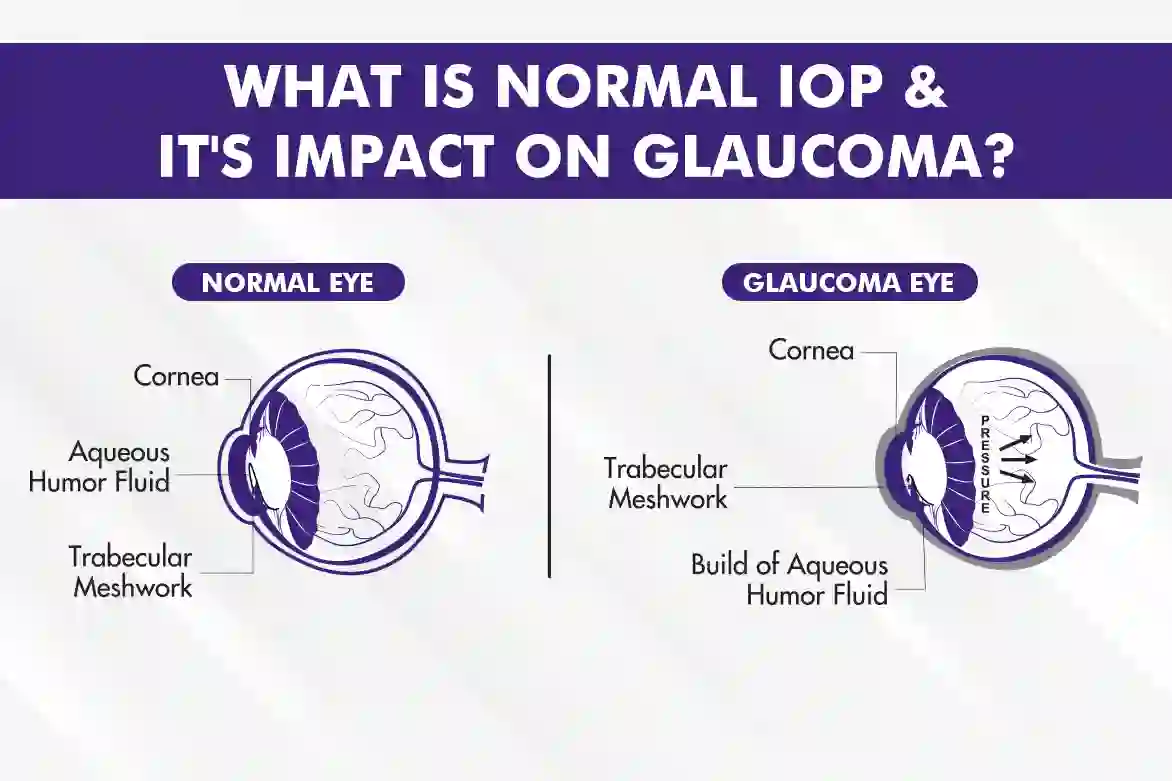
In the landscape of modern medicine, data is the new currency. For decades, the metric of “average eye pressure”—clinically known as intraocular pressure (IOP)—was a static number recorded once or twice a year during a routine check-up. However, the intersection of ophthalmology and cutting-edge technology is transforming this vital sign from a single data point into a dynamic stream of actionable intelligence. As we move deeper into the era of the Internet of Medical Things (IoMT) and Artificial Intelligence (AI), understanding what constitutes “average” eye pressure requires a deep dive into the hardware and software currently revolutionizing ocular health.
The Evolution of Ocular Metrics: From Mechanical Tools to Digital Precision
The concept of average eye pressure has long been anchored to the “Goldmann Applanation Tonometry” standard, a mechanical process developed in the mid-20th century. While effective, it represents a snapshot in time. Tech-driven innovation is now moving toward high-fidelity sensors that offer more nuanced readings.
The Engineering of Modern Tonometers
Modern digital tonometers have moved far beyond the traditional “air puff” tests. Today’s devices utilize rebound technology and micro-transducers that measure the deceleration of a tiny, lightweight probe as it interacts with the cornea. This tech allows for high-speed data acquisition with minimal physical impact, reducing the margin of error introduced by patient blinking or corneal thickness variations. By digitizing the physical resistance of the eye, these tools provide a more precise “average” than was ever possible with manual scales.
Rebound Tonometry and Handheld Sensors
The shift toward portability has been driven by the development of rebound tonometry sensors. These devices use induction coil technology to propel a magnetized probe. The digital signal processing unit within the device analyzes the motion parameters of the probe to calculate IOP. This tech is not just for clinics; it has birthed a new category of “home-use” gadgets that allow patients to monitor their pressure throughout the day, providing a true longitudinal average rather than a solitary, high-stress clinical reading.
The Rise of the Smart Contact Lens: 24-Hour IOP Monitoring
One of the most significant hurdles in ocular technology is the fact that eye pressure fluctuates throughout the 24-hour cycle. A patient might have a “normal” average during a 10:00 AM appointment but suffer from dangerous pressure spikes at 3:00 AM. Technology is solving this through wearable ocular devices.
Micro-Electro-Mechanical Systems (MEMS)
The vanguard of this movement is the smart contact lens. These lenses are embedded with Micro-Electro-Mechanical Systems (MEMS) and a circumferential resistive strain gauge. As the volume of the eye changes due to pressure fluctuations, the lens deforms slightly. This deformation is captured by the MEMS sensor and transmitted wirelessly to a recorder. This represents a paradigm shift: we are no longer looking at a “static average,” but a continuous wave of data that captures the circadian rhythm of the eye.
Continuous Data vs. Static Snapshots
From a tech perspective, the challenge is no longer just measuring the pressure, but managing the data. A smart lens generates thousands of data points over a 24-hour period. Software developers are now tasked with creating visualization tools that allow doctors to see “pressure maps.” This enables a move toward “Precision Medicine,” where treatment is calibrated based on the peak pressure times identified by the wearable tech, rather than an arbitrary average.
AI and Machine Learning: Interpreting the “Average”
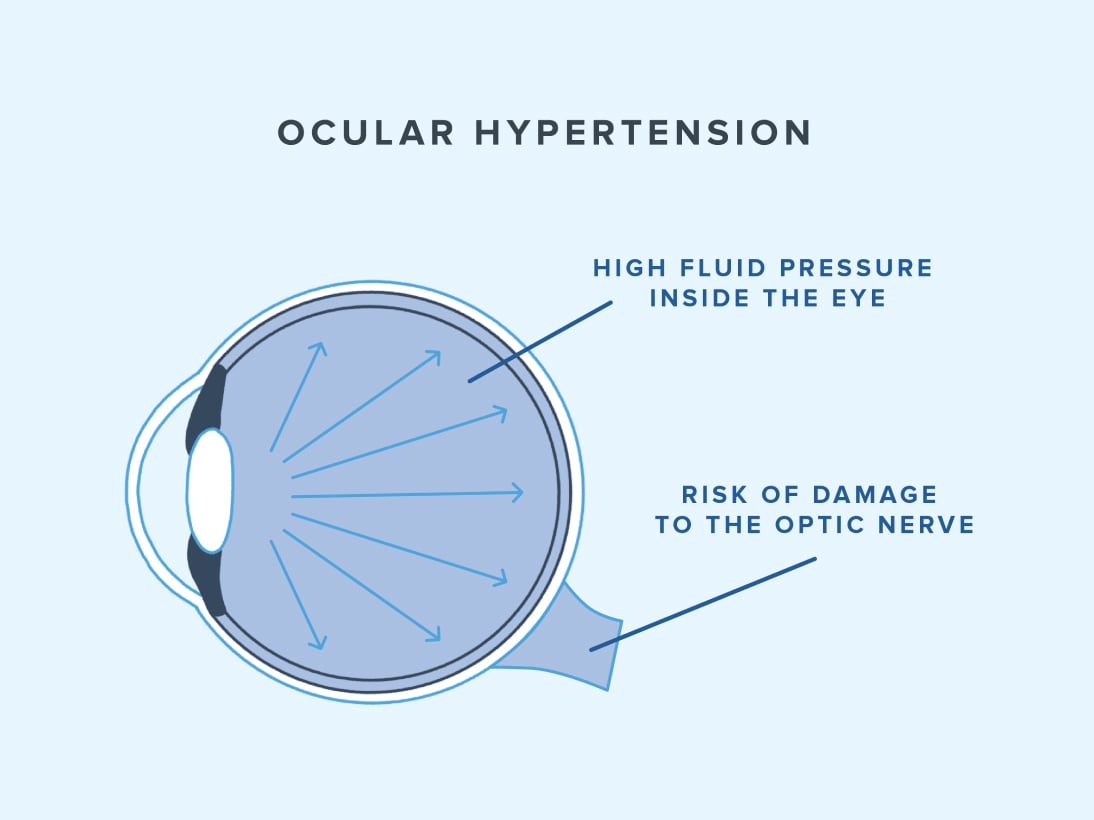
Measuring average eye pressure is only the first half of the equation; the second half is interpreting what that pressure means for the individual’s long-term vision. This is where Artificial Intelligence and Deep Learning are making their mark.
Predictive Algorithmic Modeling
AI models are now being trained on massive datasets containing millions of IOP readings and corresponding retinal scans. These algorithms can identify patterns that a human eye might miss. For example, an AI can determine if a patient’s “average” pressure of 18 mmHg—which is technically within the normal range—is actually dangerous for that specific individual based on their corneal biomechanics and optic nerve structure. This shifts the focus from “What is the average?” to “What is the safe threshold for this specific user?”
Neural Networks in Diagnostic Imaging
Beyond just numbers, AI integrates IOP data with Optical Coherence Tomography (OCT) images. By feeding average eye pressure trends into a neural network, software can predict the rate of retinal ganglion cell loss over the next five years. This predictive capability allows for proactive intervention. In the tech world, this is akin to “predictive maintenance” for the human eye, using data to prevent a system failure (vision loss) before it occurs.
The IoMT Ecosystem: Integrating Eye Pressure Data into Digital Health
As with all modern gadgets, connectivity is key. The data gathered from digital tonometers and smart lenses is increasingly being integrated into the broader Internet of Medical Things (IoMT) ecosystem.
Cloud-Based Patient Portals and Apps
Modern ocular tech is rarely a standalone product. Most high-end digital tonometers now sync via Bluetooth to dedicated smartphone apps. These apps serve as a bridge between the patient and the provider. They automatically calculate weekly and monthly averages, flagging outliers and spikes for the physician to review. This digital transformation streamlines the patient experience and ensures that “average eye pressure” is a metric that is tracked with the same rigor as heart rate or daily steps on a smartwatch.
Cybersecurity and Data Integrity in Ophthalmic Tech
With the rise of connected eye-health devices comes the critical need for digital security. Health data is highly sensitive, and the encryption of IOP data during transmission from a wearable lens to a smartphone is a major focus for med-tech developers. Implementing end-to-end encryption and ensuring HIPAA-compliant cloud storage are now as central to the development of eye-pressure tech as the physical sensors themselves.
Future Horizons: Non-Invasive Photonics and Nanotechnology
The future of monitoring average eye pressure lies in even less invasive, more “invisible” technology. We are seeing a move away from devices that touch the eye entirely, toward photonic and nanotech-based solutions.
Optical Coherence Tomography (OCT) and Phase-Stabilization
Future tech is looking at using light itself to measure pressure. Phase-stabilized OCT can detect microscopic vibrations or changes in the eye’s surface that correlate with internal pressure. By using laser-based sensors, “average” eye pressure could eventually be measured by a camera on a smartphone or a desktop monitor, requiring no physical contact at all. This would democratize eye health, allowing for high-frequency monitoring without specialized clinical training.

The Nanotech Frontier: Implantable Sensors
For those with chronic conditions like glaucoma, the ultimate tech solution may be nanotechnology. Researchers are developing injectable, wireless nanosensors that sit within the anterior chamber of the eye. These sensors are powered by radio frequency (RF) energy and can provide a permanent, life-long stream of pressure data. This represents the pinnacle of “Always-On” health tech, where the concept of an “average” is replaced by a total, real-time understanding of ocular dynamics.
In conclusion, “average eye pressure” is no longer just a number on a chart. Through the lens of technology, it has become a complex, data-rich metric powered by MEMS, AI, and the IoMT. As these tools continue to evolve, the focus is shifting from simple measurement to intelligent, predictive, and personalized vision preservation. For tech enthusiasts and healthcare professionals alike, the digitalization of the eye represents one of the most exciting frontiers in the modern technological landscape.
aViewFromTheCave is a participant in the Amazon Services LLC Associates Program, an affiliate advertising program designed to provide a means for sites to earn advertising fees by advertising and linking to Amazon.com. Amazon, the Amazon logo, AmazonSupply, and the AmazonSupply logo are trademarks of Amazon.com, Inc. or its affiliates. As an Amazon Associate we earn affiliate commissions from qualifying purchases.